Strolling Portugal’s Timeless Towns: A Traveler’s Guide to History and Charm
Portugal’s smaller towns condense centuries of history into narrow lanes, sun-warmed plazas and hilltop lookouts. Beyond Lisbon and Porto, a network of historic settlements — from the mystical palaces of Sintra to the whitewashed simplicity of Monsaraz and the Roman echoing streets of Évora — invites slow travel. These towns are compact enough to explore on foot yet layered with architecture, local customs and food that reward lingering. This guide points you to the must-see sites, authentic experiences, and practical advice for planning a trip that focuses on the character of Portugal’s past rather than its busiest postcards. Whether you’re tracing medieval walls, tasting Alentejo cuisine, or watching a Douro sunset over vine-lined terraces, you’ll find a route that blends history, scenery and local life.
Must-See Attractions
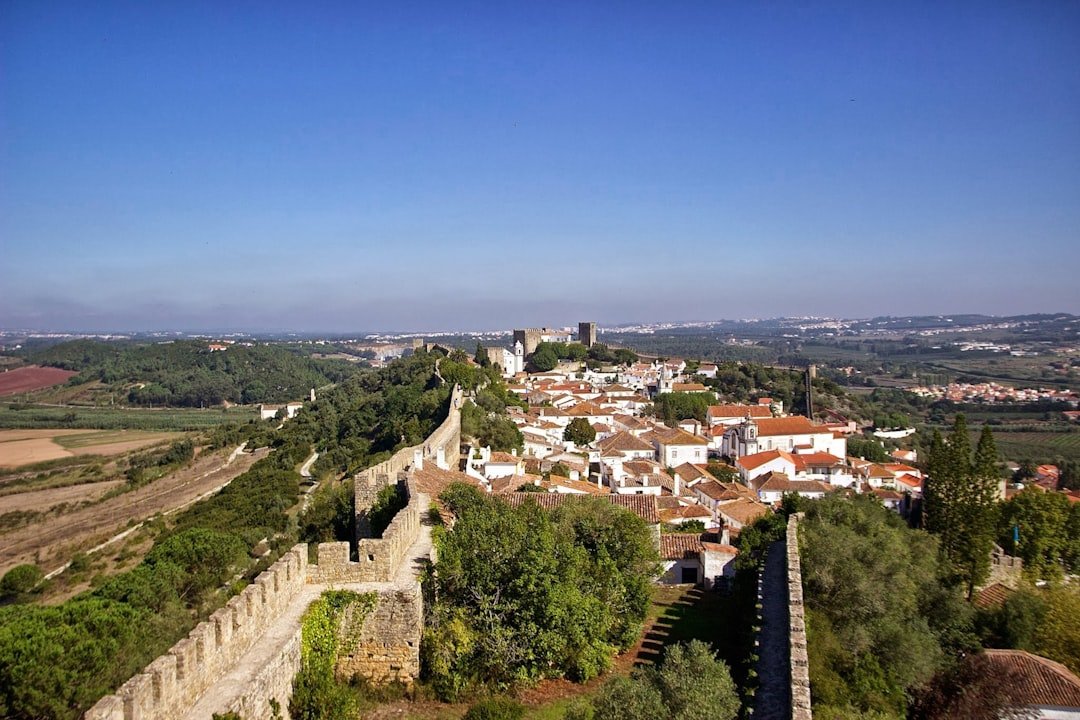
Portugal’s historic towns each hold a handful of defining sights. In Sintra, the flamboyant Pena Palace crowns the hill with 19th-century Romantic architecture; nearby, Quinta da Regaleira’s enigmatic gardens, tunnels and initiatic symbolism reward exploration. Óbidos is a textbook medieval village encircled by intact castle walls — stroll its cobbled streets, walk the battlements and pause at the 13th-century porta da vila. Évora’s compact center is a UNESCO World Heritage site: the Roman Temple of Diana, the 12th-century Cathedral (Sé) and the macabre but captivating Chapel of Bones in the Church of São Francisco are essential visits.
In Guimarães, often called the birthplace of Portugal, the 10th–12th-century Guimarães Castle and the nearby Palace of the Dukes of Braganza anchor the historic core. Coimbra’s University, one of the oldest in Europe, dominates its hilltop setting — don’t miss the Biblioteca Joanina, a lavish 18th-century library, and the university’s medieval cloisters. Along the Douro, small towns such as Pinhão offer terraced vineyards and a scenic railway station tiled in azulejos that depict the wine region’s life. Monsaraz, perched over the Alentejo plains, is one of the best-preserved medieval villages with panoramic views across the Alqueva reservoir.
Best Time to Visit
Choosing when to visit depends on balancing weather and crowds. Spring (April–June) is one of the best windows: wildflowers and moderate temperatures make walking comfortable, and major sites are less crowded than in peak summer. Early autumn (September–October) mirrors spring with warm, stable weather and the added advantage of harvest season in wine regions like the Douro and Alentejo.
July and August bring the highest temperatures, especially in the Alentejo and inland towns, and domestic holiday travel can increase local crowds. Winter is mild compared with much of Europe and can be appealing for lower rates and quieter streets, but expect shorter daylight hours and the occasional rainy spell. For festivals tied to local life — for example, midsummer saints’ celebrations — plan around June, but expect more visitors during public holidays.
Essential Travel Tips
Transportation: Rent a car if you plan to visit several inland towns, especially in the Alentejo and Douro where public transport is less frequent. Trains and intercity buses connect major historic towns such as Sintra, Coimbra and Guimarães; reserve seats for popular routes in summer. Driving in medieval cores often requires parking outside the strictest zones and walking into the center.
Money and payments: Credit cards are widely accepted in restaurants and larger shops, but carry cash for small markets, cafes and rural businesses. ATMs are common in towns, though less frequent in tiny villages.
Safety: Portugal is one of Europe’s safer destinations; standard precautions against pickpocketing in crowded tourist areas are wise. Many towns have narrow, uneven cobbles—sturdy shoes help prevent slips.
Packing: Include comfortable walking shoes, a light rain jacket and layers for temperature swings between morning and evening. Sun protection is essential in summer. If visiting religious sites, carry a modest layer to cover shoulders and knees.
Local etiquette: A few Portuguese phrases go a long way — greetings such as “bom dia” and a polite “obrigado/obrigada” are appreciated. Respect quiet in residential neighborhoods, particularly during siesta hours in smaller towns, and ask before photographing people in markets or private settings.
Frequently Asked Questions
Which historic town should I visit if I have only one day?
Sintra is the most compact option for a day trip from Lisbon, offering a mix of palaces, gardens and dramatic scenery. For a more purely medieval experience close to Lisbon, Óbidos can also be done in a day.
How much time should I allow to explore a typical historic town?
Allow at least half a day to visit core sights at a relaxed pace; a full day lets you explore museums, wander neighborhoods and enjoy a leisurely meal. For towns like Évora or Coimbra, consider an overnight stay to take in the atmosphere after day-trippers leave.
Are these towns family-friendly?
Yes. Many towns are compact and walkable for families, though parents should plan for uneven streets and stairs. Outdoor activities like vineyard walks or river boat trips in the Douro are suitable for older children; check accessibility at specific attractions if you need stroller-friendly routes.
Can I visit multiple towns without a car?
Yes, several towns are linked by train and long-distance bus networks: Sintra, Coimbra and Guimarães are well connected. For clusters in the Alentejo or the Douro’s smaller villages, a car gives greater flexibility and saves time.
Do I need to book tickets in advance for major sites?
During high season (summer and school holidays) it’s wise to prebook tickets for top attractions such as Pena Palace in Sintra and guided tours at major university sites or popular vineyards. Advance booking helps avoid long lines and ensures preferred time slots.
Conclusion
Portugal’s historic towns are best explored at a measured pace: each offers a distinct chapter of Portuguese history, cuisine and landscape. From the ornamental folly of Sintra to Évora’s Roman remains, the fortified charm of Óbidos and the terraced vineyards of the Douro, these places reward curiosity and slow walking. Plan visits to coincide with favorable weather, mix well-known sights with neighborhood wandering, and allow time for the local food and traditions that give each town its character. With practical planning and a readiness to linger, you’ll leave with more than photos — you’ll take home memories shaped by place, taste and local rhythms.