Mirror-Blue Switzerland: A Traveler’s Guide to the Country’s Most Scenic Lakes
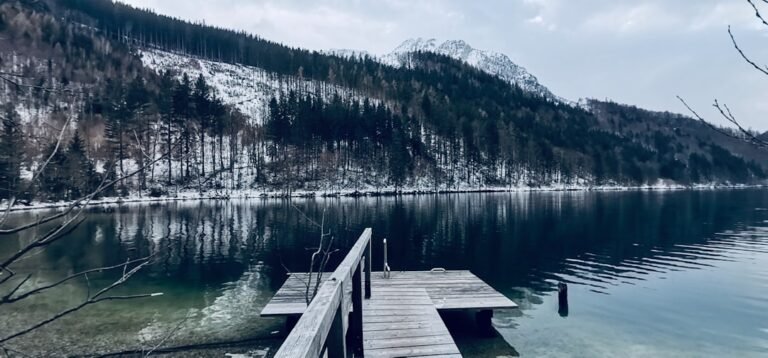
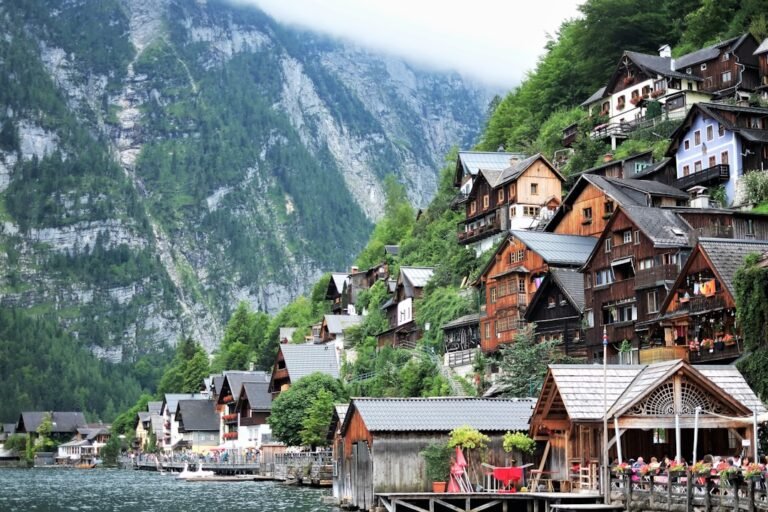
Switzerland’s lakes are the country’s emotional core: glassy expanses that reflect jagged peaks, pastel towns, and sky. From the legendary turquoise ribbon of Lake Geneva to the alpine clarity of Lake Oeschinen, these mirror-blue waters shape landscapes, livelihoods and leisure. This guide focuses on the most scenic lake escapes—accessible by rail and road, perfect for day trips or slow multi-day itineraries—and shows how to experience them beyond postcard shots. Expect crisp water, reliable transport links, seasonal surprises and distinctly Swiss villages where lakeside promenades are as much a part of daily life as coffee and fondue. Whether you favor sailing, swimming, or simply watching clouds pass across a perfect reflection, these lakes reward slow travel with luminous moments.
Must-See Attractions
Switzerland hosts dozens of photogenic lakes, but a handful define the mirror-blue ideal. Each offers a distinct mood—urban elegance, alpine rawness, or pastoral calm.
-
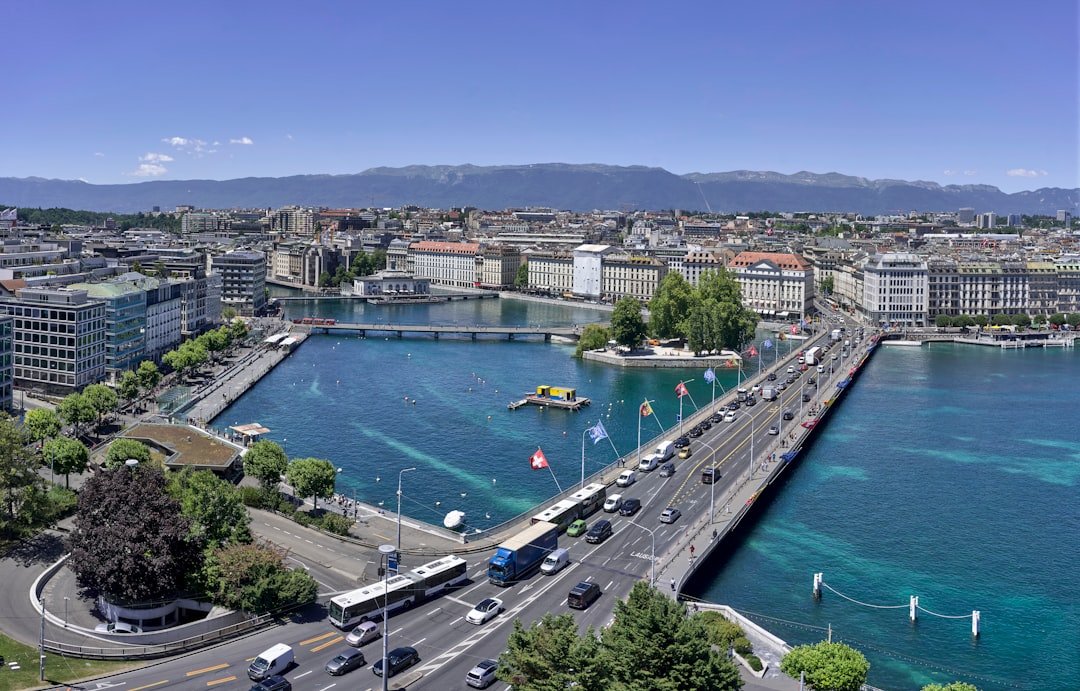
Lake Geneva (Lac Léman) — One of Europe’s largest lakes, Lake Geneva stretches between Geneva and Lausanne with a backdrop of the Jura and the Alps. Stroll the promenades in Montreux and Vevey, visit Château de Chillon near Villeneuve, and enjoy sweeping jetty views of the city of Geneva. The lake’s vast surface mirrors cloudscapes and Mont Blanc on clear days.
-
Lake Lucerne (Vierwaldstättersee) — Winding and fjord-like, Lucerne’s lake sits amid steep mountains and historic towns. The city of Lucerne’s wooden bridges and the Rütli meadow near the lake are iconic. Scenic boat cruises connect to mountain railways for panoramic alpine vistas reflected on serene waters.
-
Lake Zurich (Zürichsee) — A mix of urban ease and suburban villages, Lake Zurich offers long promenades, swimming lidos, and access to charming lakeside towns like Rapperswil with its rose gardens and medieval castle.
-
Lake Thun and Lake Brienz (Thunersee and Brienzersee) — These two lakes frame Interlaken’s gateway appeal. Brienz is known for its intense turquoise color and traditional woodcarving villages; Thun has a medieval old town and castle right on the water’s edge.
-
Lake Maggiore — Shared with Italy, the Swiss shores of Lake Maggiore (Ticino) showcase palm-lined lakeside promenades, mild climate plants and Italianate towns like Locarno—perfect for combining lake views with Mediterranean flavors.
-
Lake Oeschinen (Oeschinensee) — Near Kandersteg, this high-alpine lake is famous for its mirror-like surface and mountain-ringed basin. A cable car ride followed by a short hike leads to crystal-clear water and dramatic cliffs—ideal for summer swimming and photography.
-
Lake Sils and Lake Silvaplana (Upper Engadin) — In the Engadin valley these high-altitude lakes reflect snow-capped peaks and offer wind-swept expanses used for wind sports in summer and frozen tranquility in winter.
Best Time to Visit
The ideal time depends on what you want from a lake trip—swimming, hiking, festivals or winter sports. Switzerland’s climate varies with altitude and region, so plan according to the lake type:
-
Late spring to early autumn (May–September) — Best for most lake activities: swimming, boating and hiking. Alpine lakes warm into late June and are pleasant through August. July and August are warmest but also most crowded at popular lakes and mountain cableways.
-
Shoulder seasons (April–May and September–October) — Lower crowds, still-good weather in lowland lakes (Lake Geneva, Lake Zurich, Lake Maggiore). Mountain lakes may still be chilly for swimming but offer crisp air and vivid reflections.
-
Winter (December–March) — Lakes at lower altitudes remain scenic and largely accessible; frozen high-altitude lakes like in the Engadin become venues for skating and winter walking. Many lakeside towns are quiet off-season, offering a peaceful experience.
-
Peak months — June–August for warmest water and full festival calendars; December for Christmas markets though lakeside activity is limited by weather.
Essential Travel Tips
Practical details make visiting Switzerland’s lakes smooth and more enjoyable. These tips cover mobility, budgeting, safety and etiquette.
-
Transportation — Swiss public transport is efficient: regular trains and boats connect major lakes. Buy a Swiss Travel Pass for unlimited train, bus and boat travel over consecutive days if you plan multiple lake visits. Many lakes have frequent ferry services that double as scenic transport.
-
Money — Switzerland uses the Swiss franc (CHF). Credit cards are widely accepted but carry some cash in smaller lakeside villages and for market purchases. Expect higher prices than much of Europe—budget accordingly for dining and excursions.
-
Safety — Mountain lakes are clear but often cold even in summer; check posted water temperatures and currents before swimming. Lifeguards are not guaranteed at all spots. For boating, wear life jackets and follow local rules.
-
Packing — Layered clothing for variable mountain weather, a waterproof jacket for sudden showers, sturdy walking shoes, sunscreen and a refillable water bottle. If you plan to swim, pack a swimsuit and quick-dry towel. Bring a power adapter (Type J) for electronics.
-
Local Etiquette — Swiss culture values punctuality and quiet respect. Keep noise levels down in residential lakeside areas, follow signage on protected shorelines, and separate recyclables when disposing of trash. Ask before entering private lakeside properties.
-
Reservations — Book popular boat cruises, lakefront hotels and cable cars in high season. For Montreux Jazz and other festivals, reserve accommodation months in advance.
Frequently Asked Questions
Which Swiss lake has the clearest, most mirror-like water?
High-alpine lakes such as Lake Oeschinen and parts of Lake Brienz are noted for exceptional clarity and intense turquoise color. Their glacial and snowmelt sources produce minimal sediment and striking reflections.
Can I swim in Swiss lakes year-round?
Swimming is seasonal—most people swim from late May through September when water temperatures rise. Alpine lakes remain cold longer; check local advisories and be cautious about hypothermia in colder water.
Are there boat services connecting multiple lakes?
Yes. Many lakes feature regular ferry and excursion boat services. In some regions—like around Lucerne and the Bernese Oberland—boats form part of integrated transport networks with trains and buses. Check local timetables for seasonal schedules.
Which lakes are best for families with children?
Lake Geneva, Lake Zurich and parts of Lake Lucerne have gentle shorelines, lidos (swimming areas), playgrounds and easy access by public transport, making them suitable for families. Always verify lifeguard availability and facilities for changing and toilets.
Do lakeside towns accept the Swiss Travel Pass?
The Swiss Travel Pass covers most trains, buses and many boats on major lakes; it can also grant discounts on mountain railways and attractions. Confirm specific boat routes and private operators beforehand, as coverage varies.
Conclusion
Switzerland’s mirror-blue lakes combine dramatic scenery and accessible infrastructure to create unforgettable day trips and slow-travel routes. Whether you pair boat cruises with mountain railways, savor local dishes on a lakeside terrace, or find a quiet inlet for reflection and photography, the country’s lakes reward curiosity and patience. Plan according to season, use the efficient transport network, and balance popular highlights with lesser-known spots to experience both postcard views and authentic local rhythms. These lakes are best enjoyed slowly—by foot, by boat or at a café table—where the water does the reflecting and the landscape keeps the memory.