Brazil Beyond the Postcard: Beaches, Cities, Rainforests & Culture
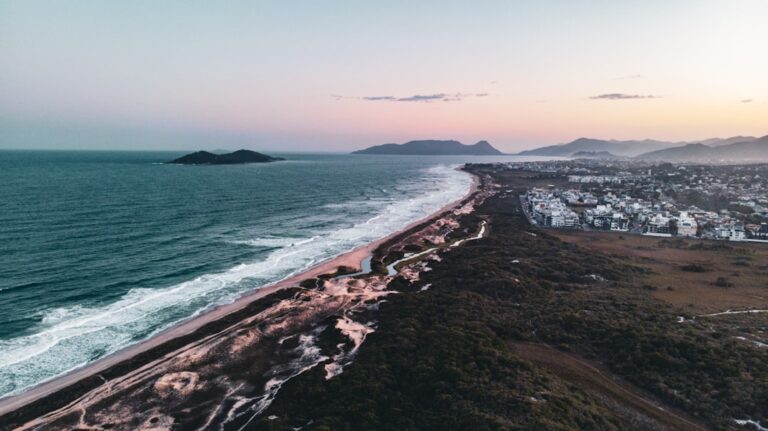
Brazil is a country of dramatic contrasts: sugar-white beaches that curve beneath coconut palms, frenetic cityscapes pulsing with samba and street art, and vast rainforests where river tributaries braid through emerald canopy. Traveling Brazil means shifting between sun-soaked coastlines and dense, humid wilderness, between colonial towns and modern metropolises. Whether you’re planning a first visit or returning to explore deeper, this guide distills the essentials—iconic sights, authentic local experiences, practical timing and travel tips—to help you get the most from a trip that blends natural wonder with an irrepressible cultural energy. Read on to map an itinerary that balances must-see highlights and quieter, immersive moments off the beaten path.
Must-See Attractions
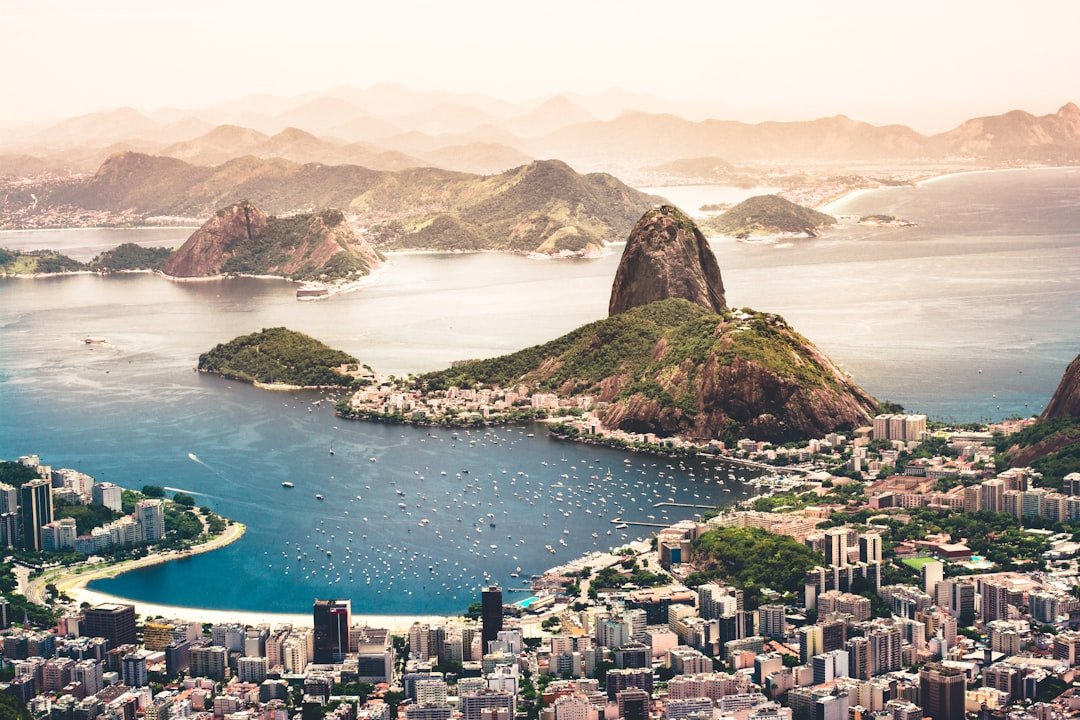
Brazil’s highlights are as varied as its landscape. Start in Rio de Janeiro: stand beneath the soaring Cristo Redentor statue on Corcovado for panoramic views of Guanabara Bay and the city’s famed beaches; then take the cable car to Sugarloaf Mountain at sunset. Copacabana and Ipanema are essential for people-watching, beach culture and late-afternoon futebol on the sand.
In the northeast, Salvador’s Pelourinho offers a well-preserved colonial center where brightly painted buildings, baroque churches and Afro-Brazilian heritage intersect—don’t miss the lively street music and candomblé influences. Further north, the Lençóis Maranhenses National Park presents otherworldly white sand dunes punctuated by seasonal freshwater lagoons, a photographer’s dream when the rainy season fills the pools.
The Amazon is a continent-sized highlight: Manaus serves as the primary gateway, where the Amazon Theatre gives a glimpse of the rubber boom’s legacy before you head upriver by boat into the rainforest. Witness the meeting of the waters near Manaus, and opt for guided jungle lodges or multi-day river cruises to see wildlife, nocturnal creatures, and indigenous communities.
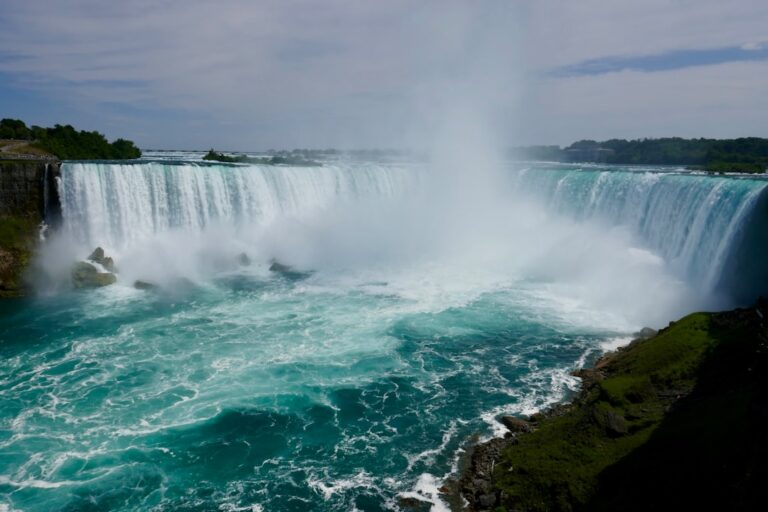
In the south, the Iguaçu Falls on the border with Argentina are among the world’s most dramatic waterfalls, with boardwalks that deliver immersive views and thunderous spray. Don’t overlook Brasília’s modernist architecture, Oscar Niemeyer’s buildings and the surprising grace of a planned capital. Historic towns like Ouro Preto and Paraty show Brazil’s colonial past through cobbled streets, baroque churches and festival traditions.
Best Time to Visit
Brazil spans tropical and temperate zones, so weather and crowds vary by region. In general, the dry season is the most favorable for outdoor activities and wildlife spotting, but each region has its ideal months.
- Coastal cities (Rio, Salvador, Recife): Summer (December–March) is hot and lively—prime beach weather but also peak crowds and higher prices. Late spring and early autumn (October–November, March–April) offer pleasant weather with fewer tourists.
- Amazon: The dry season (July–December) makes river navigation easier and trails more accessible; the wet season (January–June) swells rivers and creates flooded forest experiences ideal for canoeing and birdlife. Wildlife viewing differs by season—plan according to the activities you prioritize.
- Pantanal: The dry season (May–September) concentrates wildlife around water sources, making animal sightings more predictable. The wet season floods large areas, transforming the landscape and making boat safaris the natural choice.
- South and highlands (Iguaçu, Chapada Diamantina, southern beaches): Autumn and spring (April–May, September–November) have milder temperatures and fewer tourists. Southern Brazil’s winter (June–August) can be cool, especially inland and at higher elevations.
For festivals: Carnival season (February/March) delivers the most exuberant cultural experience, but plan and book well in advance. If you want to avoid crowds but still enjoy good weather, shoulder seasons—April–May and September–November—are often best.
Essential Travel Tips
Transportation: Domestic flights bridge long distances—Brazil is vast—so book internal flights early for the best fares. Major cities have efficient ride-hailing services (Uber and local equivalents) alongside taxis; metros are practical in São Paulo and Rio. In smaller towns and the Amazon, boats and regional buses are the norm.
Money: The Brazilian real (BRL) is the local currency. Credit cards are widely accepted in urban areas, but carry cash for markets, street vendors and small towns. ATMs are common in cities but may be sparse in remote areas—withdraw before heading into the rainforest or small coastal villages.
Safety: Exercise typical urban caution—avoid displaying valuables, stay aware of surroundings, and use hotel safes. In tourist areas, use reputable tour operators and prearranged transfers at night. Keep digital copies of important documents and register travel plans with your embassy if recommended.
Packing: Light, breathable clothing for the coast and warm-layer options for cooler highlands or winter nights. Rain gear and quick-drying fabrics are essential for the Amazon and wet-season travel. Bring strong insect repellent, sunscreen, a reusable water bottle with a filter if venturing into remote areas, and comfortable walking shoes.
Local etiquette: Brazilians are warm and sociable—expect close personal space, frequent touching during conversation, and warm greetings. Learn a few Portuguese phrases (obrigado/a, bom dia, por favor)—they’re appreciated outside tourist hubs. Respect local customs in religious sites and indigenous communities; always ask before photographing people, especially in sensitive or ceremonial contexts.
Frequently Asked Questions
Do I need a visa to visit Brazil?
Visa requirements depend on your nationality. Many countries enjoy visa-free entry for short tourist stays, but rules change—check Brazil’s official consulate website for up-to-date requirements before booking.
Is it safe to drink tap water in Brazil?
Tap water in major Brazilian cities is typically treated and safe in hotels and urban areas, but travelers often prefer bottled or filtered water outside cities and in the Amazon. Use a reliable water filter if you’re staying in remote lodges.
How should I get between major regions (e.g., Rio to the Amazon)?
Domestic flights are the fastest and most practical option for long distances. Low-cost carriers serve many routes; for the Amazon, fly into Manaus and then connect to riverboats or regional flights for deeper access.
What vaccinations or health precautions are recommended?
Routine vaccinations should be up to date. Yellow fever vaccination is recommended or required for travel to certain regions—consult a travel clinic for personalized advice well before departure. Bring insect repellent and consider antimalarial prophylaxis for specific Amazonian areas after consulting a medical professional.
Can I use credit cards everywhere?
In cities and tourist areas, credit and debit cards are widely accepted. Small markets, street food stalls and remote locations may accept only cash, so keep local currency on hand. Notify your bank about your travel plans to avoid card blocks.
Conclusion
Brazil resists a single narrative: it’s a mosaic of coastline and jungle, colonial streets and contemporary art, boisterous festivals and quiet natural spectacles. A successful trip mixes iconic highlights—Rio’s vistas, Iguaçu’s falls, the Amazon’s biodiversity—with slower, local experiences: markets, neighborhood walks and regional cuisine. Travel planning hinges on seasonality and logistics—pick the best windows for the regions you want to explore and be prepared for long distances. Respect local cultures, keep safety and health precautions in mind, and open yourself to unexpected encounters. With curiosity and flexibility, Brazil reveals both exuberant public life and intimate natural wonders that linger long after you leave.