
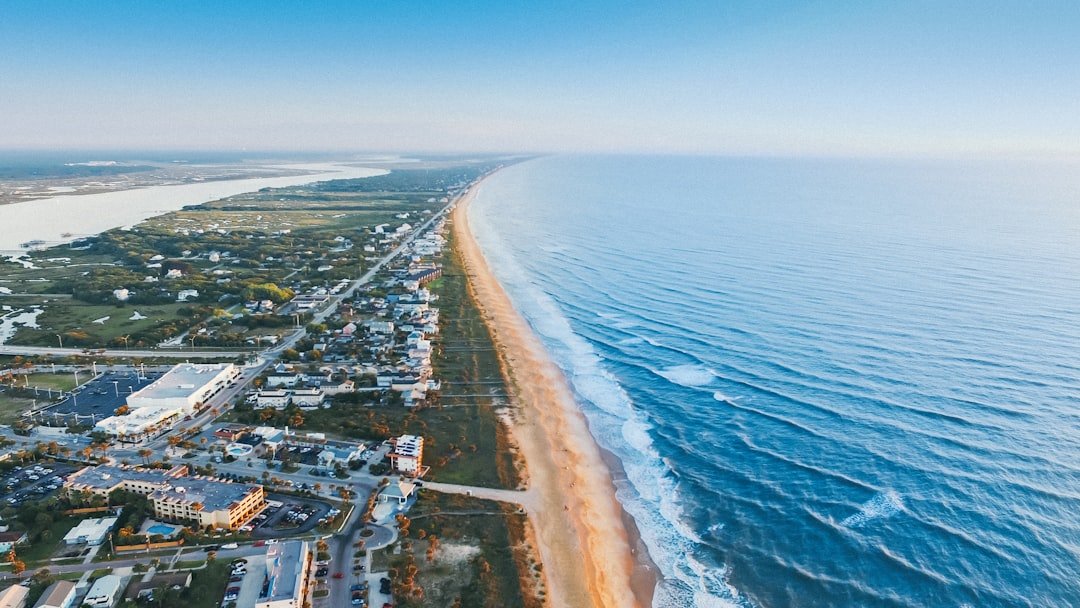
Sun, Sand, and Surprises: Touring Florida’s Top Coastal Beaches
Florida’s coastline stretches for more than 1,300 miles, wrapping the Sunshine State in a mix of powder-white sands, surfable Atlantic breaks, tranquil Gulf coves and island outposts that feel a world away. Whether you’re chasing dolphins at dawn, combing for perfect shells at sunset, or snorkeling over coral reefs, Florida’s beaches offer a remarkable range of coastal experiences in compact distances. This guide highlights the state’s most compelling shorelines and the neighborhoods and activities that make them memorable. Read on for practical travel advice, seasonal planning, and local flavors so you can turn a beach week into a layered, authentic coastal adventure.
Must-See Attractions
Florida’s beaches are as varied as the shoreline itself. On the Gulf Coast, Siesta Key near Sarasota is famous for its quartz-crystal sand that stays cool underfoot and wide beaches ideal for families. Nearby Venice and Sanibel islands are world-renowned for shelling—Sanibel’s gentle tides and westward-facing beaches produce an abundance of unique finds.
Clearwater Beach, north of Tampa Bay, combines soft sand with a lively promenade, Pier 60’s sunset celebrations, and easy access to family attractions. Further north, Naples on the Gulf features elegant beaches like Vanderbilt Beach and close proximity to the Ten Thousand Islands for kayaking.
Along Florida’s Atlantic side, Miami Beach’s South Beach blends iconic Art Deco streets with a high-energy shoreline and international dining. Fort Lauderdale offers calmer canals and broad sands, while Daytona Beach remains distinctive for its hard-packed driving beaches and motorsport heritage.
In the Florida Keys, Key West’s Fort Zachary Taylor State Park delivers striking snorkeling over reefs and historic coastal fortifications; nearby Dry Tortugas National Park—accessible by ferry or seaplane—rewards those willing to travel with remote coral gardens and the 19th-century Fort Jefferson.
For a quieter northern Atlantic experience, St. Augustine and its Anastasia State Park provide wide beaches and a dose of history from the nation’s oldest city. On Florida’s Panhandle, Pensacola Beach and Navarre Beach offer emerald Gulf waters and a different coastal culture influenced by the Deep South.
Local Experiences
Food: Seafood is central to Florida’s coastal identity. Try stone crabs in Miami-Dade and Palm Beach counties (seasonal, typically mid-October to mid-May), fresh grouper and snapper along the Atlantic, and Gulf-style shrimp boils and oysters in the Panhandle. In laid-back beach towns like Fort Myers and Sarasota, family-run fish houses serve catch-of-the-day po’ boys, blackened fish and conch fritters.
Markets: Visit coastal farmers’ markets and fish markets for local flavor—St. Petersburg’s Saturday Morning Market and the Naples Farmers Market connect travelers to regional produce and artisanal goods, while small marinas often sell fresh-off-the-dock fish early in the morning.
Viewpoints and neighborhoods: Walk the Miami Beach Boardwalk for ocean views and Art Deco architecture, cruise A1A in Palm Beach for historic oceanfront estates, and climb the St. Augustine lighthouse for panoramic views of Anastasia Island. In Key West, Duval Street’s vibrant mix of galleries and bars is a short walk from sunset views at Mallory Square.
Festivals: Time your trip to local beach festivals—Clearwater’s Jazz Holiday, Fort Lauderdale’s Beach Bash, or smaller seafood festivals on the Gulf Coast give cultural texture beyond the waves.
Outdoor activities: Snorkeling and diving are outstanding in the Keys and off Jupiter; charter a kayak through the mangroves in the Ten Thousand Islands or Merritt Island for wildlife watching; go paddleboarding at dawn to glimpse manatees in Crystal River; and experience rare coastal phenomena such as bioluminescent tours on parts of Florida’s east coast lagoons.
Best Time to Visit
Seasons: Florida’s coastal seasons are distinct. Winter (December–February) brings mild temperatures and lower humidity—ideal for beachcombing and outdoor exploration. Spring (March–May) is warm, popular with families and spring-break crowds. Summer (June–August) is hot and humid with frequent afternoon thunderstorms; it’s prime beach weather but also peak humidity and hotel prices. Hurricane season runs from June 1 to November 30, with highest risk from August through October.
Weather and crowds: For a balance of pleasant weather and smaller crowds, consider late fall (October–early December) and late spring (April–May). These shoulder months avoid the height of summer storms and winter holiday traffic. If you prefer the liveliest scene and nightlife, winter season in South Florida is vibrant but expect higher lodging costs and busier beaches.
Best months: November through April offers the driest, most comfortable conditions for most coastal regions. For lower prices and still-good weather—especially on the Gulf Coast—May and October can be excellent choices, keeping an eye on hurricane forecasts during October.
Essential Travel Tips
- Transportation: Renting a car is the most flexible way to explore multiple beaches, especially on the Gulf Coast and in the Keys. Major metro areas have ride-share services and airport shuttles; consider a compact car for tighter parking in historic districts.
- Money: Credit cards are widely accepted, but carry small bills for parking meters, beach vendors and tips. Some smaller pier-side vendors may be cash-only.
- Safety: Swim between lifeguarded flags where available and heed posted warnings about rip currents and marine life. Check local advisories for red tide (Gulf Coast algal blooms) and jellyfish seasons, and avoid swimming during active thunderstorm warnings.
- Packing: Bring reef-safe sunscreen, a lightweight sun shirt, a wide-brimmed hat and a reusable water bottle. For shelling and rocky shorelines, water shoes are useful. If you plan to snorkel or dive, bring or rent appropriate gear and check local reef protection rules.
- Local etiquette: Respect wildlife—do not feed or harass birds, manatees, sea turtles or shorebirds. Many beaches have nesting seasons (loggerhead and green turtles) where nighttime beach access is restricted; follow posted rules and avoid artificial lights on nesting beaches.
- Reservations and permits: Popular beaches and state parks (Fort Zachary Taylor, Anastasia, Siesta Key’s parking areas) can reach capacity in high season—reserve accommodations in advance and check for parking permits or day-use fees at state parks.
Frequently Asked Questions
Which Florida beach has the best sand?
Siesta Key often tops lists for its powdery quartz sand that feels cool underfoot, while Pensacola and Destin offer soft white sands prized on the Panhandle. Each beach has different sand qualities—for shelling, Sanibel and Captiva are best.
Are Florida beaches safe to swim at all year?
Most beaches are swimmable year-round, but conditions vary. Winter water is cooler in northern areas; summer brings warmer water but higher storm and jellyfish risk. Always check local lifeguard warnings, red tide alerts on the Gulf Coast and weather forecasts.
Can I drive on any Florida beaches?
Only a few beaches permit driving—Daytona Beach and parts of New Smyrna Beach have designated driving areas. Driving rules vary and can change due to nesting seasons or local ordinances, so check local regulations before you go.
Where can I find the best snorkeling and diving?
The Florida Keys offer some of the best snorkeling and diving with part of the third-largest coral barrier reef system in the world. Dry Tortugas and John Pennekamp Coral Reef State Park in Key Largo are exceptional. Patches of reef and artificial reefs near Jupiter and Fort Lauderdale also provide good opportunities.
Is there public transportation between coastal towns?
Public transit along the coast is limited. Larger metro areas like Miami and Tampa have local transit and trolleys; regional buses connect some towns. For intercity flexibility, renting a car or using shuttle services is generally more practical.
Conclusion
Florida’s coastal highlights offer a layered palette of beach experiences: lively urban shores with nightlife and dining, tranquil barrier islands alive with wildlife, emerald Panhandle waters, and the unique reef ecosystems of the Keys. Planning around seasonal weather and local advisories, packing reef-friendly sun protection and a sense of curiosity will let you move beyond postcard moments to discover the state’s richer coastal rhythms—sunrises with pelicans, low-tide treasure hunts, and evenings spent listening to waves under wide skies. With practical preparation and respect for sensitive habitats, Florida’s beaches provide endless ways to relax, explore and reconnect with nature.
Inspired? Start planning your trip.
Move from inspiration to planning with BookingTabs — explore hotels, tours and travel options in one place.





Join the conversation
Ask a question, share a travel tip, or help another traveler plan with confidence.
Leave a comment
No account or email required.