
Vietnam Unveiled: Historic Cities, Breathtaking Landscapes and Food to Remember
Vietnam stretches from the dense rice paddies of the Mekong Delta to the limestone karsts of the north, weaving centuries of history with lively street culture and an astonishing culinary scene. Visitors can trace imperial legacies in Hue, wander lantern-lit lanes in Hoi An, and sample bold regional dishes from fragrant bowls of pho to coastal seafood specialties. Beyond cities, karst islands, vast cave systems and terraced highlands offer outdoor adventures and serene escapes. This guide focuses on the essentials: must-see places, authentic experiences, the best times to travel regionally, and practical advice that makes exploring Vietnam smoother and more rewarding. Whether you have a week or a month, plan with sensitivity to local rhythms and you’ll discover why Vietnam remains one of Southeast Asia’s most compelling destinations.
Must-See Attractions
Hanoi’s Old Quarter remains the cultural heartbeat of northern Vietnam: narrow streets, colonial architecture, and lakeside parks framed by temples and coffee stalls. The capital’s Temple of Literature and Hoàn Kiếm Lake provide quick cultural context before longer journeys.
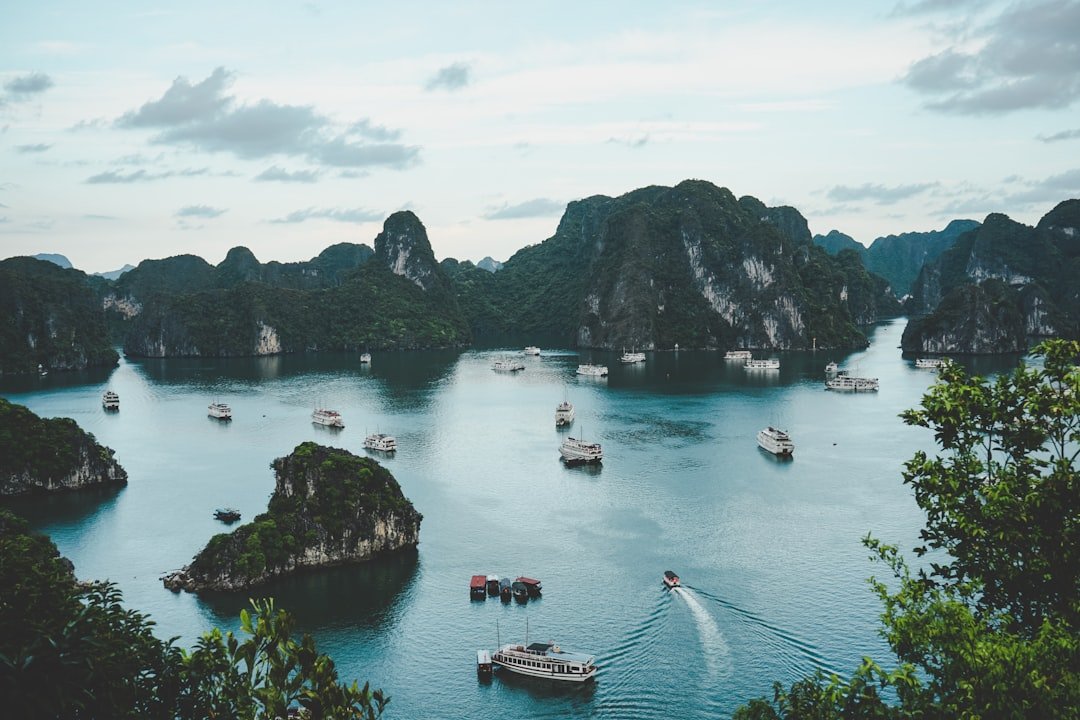
Ha Long Bay’s UNESCO-listed seascape of limestone karsts and emerald water is a near-mythic stop. Overnight cruises range from active to indulgent, offering caves, kayaking and floating fishing villages.
Hue preserves Vietnam’s imperial history. The Imperial City (Citadel) contains palaces, shrines and royal tombs along the Perfume River, revealing Nguyen dynasty architecture and ritual landscapes.
Hoi An’s Old Town is renowned for its preserved merchant houses, wooden facades and nightly lantern displays. Its compact scale is perfect for strolling, tailoring and sampling regional dishes like cao lầu.
Ho Chi Minh City (Saigon) is a high-energy southern metropolis. Key sights include the War Remnants Museum, Ben Thanh Market and the colonial Saigon Central Post Office. From here it’s easy to reach the Cu Chi Tunnels and the Mekong Delta.
Ninh Binh, often called “Halong Bay on land,” features karst towers, river boat rides through rice fields and historical sites such as Hoa Lu. Further west, the terraced landscapes of Sapa offer trekking and ethnic minority markets.
Phong Nha-Kẻ Bàng National Park holds some of the world’s largest caves and spectacular karst wilderness; caves like Paradise and Phong Nha are accessible with guided tours. The central coast’s Marble Mountains and wide beaches around Da Nang provide a mix of coastal scenery and Buddhist grottoes.
Local Experiences
Food is your best route into Vietnamese culture. Start with breakfast bowls of pho in Hanoi and Saigon’s version of banh mi from a bustling street stall. Try bun cha in Hanoi, bun bo Hue in central regions, and seafood feasts along the coast. Don’t miss regional specialties: cao lầu in Hoi An and tropical fruits in the Mekong Delta.
Markets are social hubs. Shop at Ben Thanh Market in Ho Chi Minh City, the night market in Hoi An, and local wet markets in Hanoi for an intimate look at daily life and ingredients. Early mornings are best for food stalls and market activity.
Viewpoints and walks: climb to the Hai Van Pass for coastal panoramas, ascend the Marble Mountains for short hikes and temple views, or take the sunrise trek on Fansipan from Sapa for mountainous vistas.
Neighborhoods reveal local rhythms: bike through the rice-ringed lanes outside Hoi An, wander Hanoi’s French Quarter for colonial-era architecture and coffeehouses, and explore Districts 1 and 3 in Ho Chi Minh City for street food and nightlife.
Festivals are vibrant: Tet (Lunar New Year) transforms towns with family gatherings and street rituals; the mid-autumn festival features lanterns and mooncakes; Hue Festival (biennial) highlights traditional music and performance. Participate respectfully—observe customs and ask permission before photographing people.
Outdoor activities range from kayaking and rock climbing in Ha Long and Cat Ba to cave expeditions in Phong Nha and cycling through the Mekong’s network of canals and villages. Local guides are worth hiring for both safety and insight.
Best Time to Visit
Vietnam’s long, narrow shape means weather varies significantly from north to south. Plan by region rather than countrywide.
- North (Hanoi, Ha Long, Sapa): Best months are October to December and March to April when temperatures are mild and skies clearer. Winters (December–February) can be cool and misty, especially in Sapa.
- Central (Hue, Hoi An, Da Nang): February through August generally offers warm, dry weather ideal for beaches and sightseeing. Central Vietnam is susceptible to typhoons and heavy rains from September to November.
- South (Ho Chi Minh City, Mekong Delta): The dry season runs December to April—hot, sunny days and easier travel in the delta. May to November is the rainy season with short, intense showers.
Peak tourist months are December–February and July–August when domestic and international travelers converge. For fewer crowds and good weather, aim for shoulder seasons: March–April and September–October in many regions.
Essential Travel Tips
Transportation: Domestic flights connect major cities quickly and are often the most efficient option for long distances. Trains offer scenic journeys—particularly from Hanoi to Hue—while long-distance buses and private car hires are common for regional travel. Motorbike rentals are popular but require confidence and local experience; helmets are mandatory and traffic can be chaotic.
Money: The Vietnamese dong (VND) is the official currency. Cash remains king for markets and street food; ATMs are widely available in cities. Credit cards are accepted at hotels, larger restaurants and shops. Carry small bills for tips, taxis and purchases in markets.
Safety: Vietnam is generally safe for travelers. Exercise caution with personal belongings in crowded areas and use reputable transport providers for late-night travel. Road safety is the primary concern—allow extra time, stay visible and avoid risky maneuvers on motorbikes.
Packing: Lightweight, breathable clothing is essential year-round. Pack a light rain jacket for sudden downpours and a warmer layer for northern highlands in winter. Bring comfortable walking shoes for uneven streets and temple visits, plus sunscreen and insect repellent for rural areas.
Local etiquette: Vietnamese people value politeness—use both hands when giving or receiving items, remove shoes before entering private homes or certain temples, and dress respectfully at religious sites. Bargaining is customary in markets, but do so with a smile. Tipping is appreciated but not obligatory; small tips for guides and drivers are common.
Frequently Asked Questions
Do I need a visa to travel to Vietnam?
Visa rules vary by nationality. Many travelers require a visa or an approved e-visa obtained online in advance. Some countries benefit from visa exemptions for short stays. Check the Vietnamese immigration website or your nearest embassy for current requirements before booking.
Is it safe to eat street food in Vietnam?
Street food in Vietnam can be excellent and safe if you choose stalls with high turnover and attentive vendors. Opt for places where food is cooked fresh in front of you and where locals congregate. Drink bottled water and avoid ice from untrusted sources.
How long should I spend in Vietnam to see the highlights?
For a well-rounded trip, plan at least two weeks to sample north, central and south regions. With one week, focus on either the north (Hanoi, Ha Long, Sapa) or the south-central corridor (Hoi An, Hue, Da Nang, Ho Chi Minh City) to reduce transit time.
What’s the best way to travel between cities?
For long distances, domestic flights are the quickest option. Trains are comfortable and scenic for certain routes (Hanoi to Hue/Danang). Buses and private cars are economical for shorter overland transfers. Overnight trains and buses can save daytime hours but vary in comfort.
Is tipping customary in Vietnam?
Tipping is not mandatory but is appreciated for good service. Small tips are common for restaurant staff, hotel porters and tour guides. In markets and informal settings tipping is less expected; instead, round up small purchases if you wish to show gratitude.
Conclusion
Vietnam offers a layered travel experience: living history in ancient towns and citadels, dramatic natural landscapes from bays to mountains, and a food culture that rewards curiosity. Traveling thoughtfully—respecting local customs, pacing your itinerary by region and sampling street-to-fine-dining cuisine—creates the most memorable trips. Whether you’re tracing imperial legacies in Hue, drifting past karsts in Ha Long, or cycling through Mekong canals, Vietnam invites open-minded exploration. With practical planning for weather, transport and safety, you’ll return home with vivid memories, stories of warm encounters and a deeper appreciation for a country that balances tradition and youthful vitality.
Inspired? Start planning your trip.
Move from inspiration to planning with BookingTabs — explore hotels, tours and travel options in one place.

Join the conversation
Ask a question, share a travel tip, or help another traveler plan with confidence.
Leave a comment
No account or email required.