
Island Hopping Greece: Best Greek Islands for Beaches, Culture & Cuisine
The Greek islands present one of Europe’s most irresistible travel mixes: sun-drenched beaches, layered histories, and a culinary tradition that’s both simple and sublime. From the volcanic terraces of Santorini to the rugged coastlines of Crete and the verdant streets of Corfu, each island offers a distinct personality. This guide focuses on the best islands for three priorities travelers most often seek — beaches, culture and food — and shows how to combine them into a balanced itinerary. Whether you want powdery sand and turquoise water, Byzantine churches and Venetian castles, or farm-to-table seafood and village tavernas, there’s an island made for that purpose. Practical tips and seasonal advice help you decide when and where to go so you can experience Greece with confidence and curiosity.
Must-See Attractions
Across the Aegean and Ionian Seas, certain landmarks define the island experience and reward first-time visitors as well as returnees.
-
Santorini: The caldera views from Oia and Fira, the cliffside villages sculpted from volcanic ash, and archaeological site Akrotiri — a Bronze Age settlement preserved under volcanic ash — are essential for history and postcard-perfect panoramas.
-
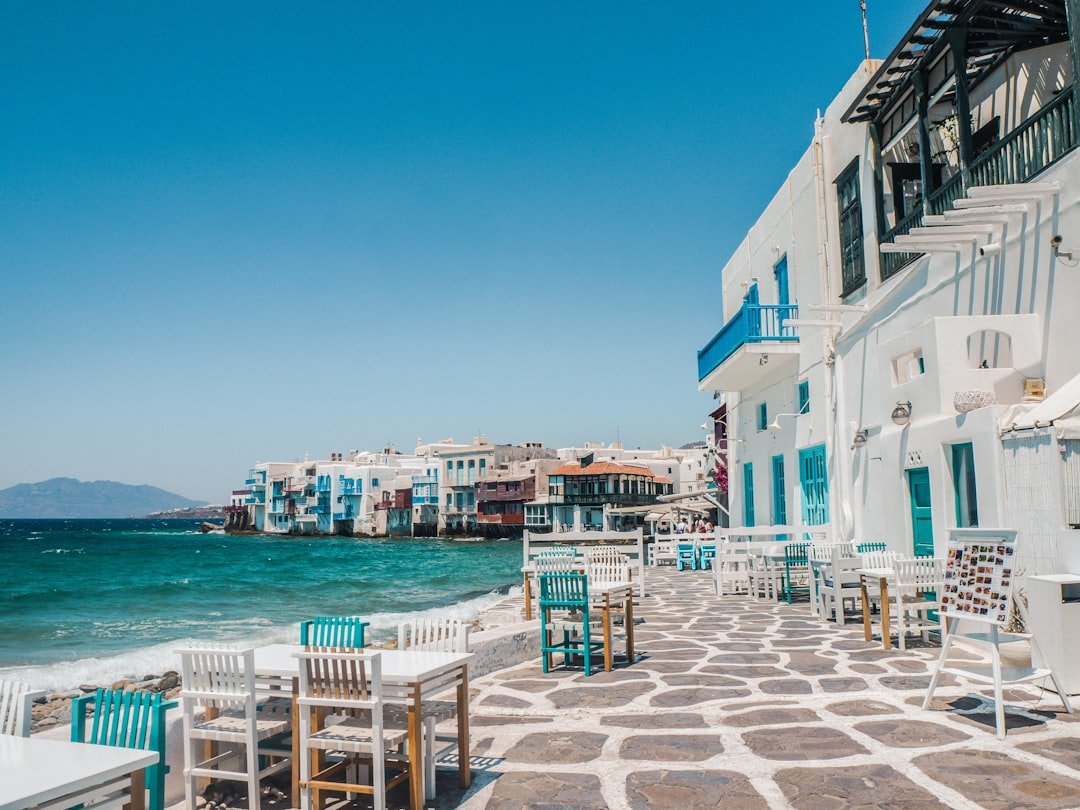
Mykonos: Famous for its windmills and the maze of whitewashed alleys in Mykonos Town (Chora), it’s also a gateway to the sacred island of Delos, an archaeological site of major importance in ancient Greek religion and commerce.
-
Crete: As Greece’s largest island, Crete offers the Minoan Palace of Knossos near Heraklion, the historical exhibits of the Archaeological Museum, and dramatic natural sights such as Samaria Gorge.
-
Rhodes: The medieval Old Town with the Palace of the Grand Master and fortified walls is one of Europe’s best-preserved medieval complexes, while Lindos offers clifftop acropolis views over sandy bays.
-
Corfu: Corfu Town’s blend of Venetian, French and British architecture, plus the Liston promenade and the Paleokastritsa coastline, underline the island’s cultural variety and scenic coasts.
-
Naxos & Paros: These Cycladic islands combine ancient sites — like Naxos’s Portara (the huge marble doorway) — with extensive sandy beaches ideal for family stays and watersports.
Local Experiences
To feel like more than a visitor, aim for sensory, neighborhood-level experiences: markets, food, vistas, and community rituals.
-
Food & Taverns: Eat in village tavernas where dishes are seasonal and regional — Cretan dakos and raki tastings; Santorini’s cherry tomatoes and fava; island seafood specialties such as grilled octopus and shrimp saganaki. Look for places busy with locals for authentic flavors.
-
Farmers’ Markets & Local Produce: Weekly markets on islands like Naxos and Lesvos sell local cheeses, olives, honey and produce. Visiting a market is the best way to learn about regional ingredients and to try small bites from stallholders.
-
Viewpoints & Sunsets: Iconic sunset spots include Oia in Santorini, but quieter, equally stunning alternatives exist — head to village chapels or unpopulated capes on islands such as Milos and Kefalonia for private light shows.
-
Neighborhood Walks: Stroll the Venetian lanes of Chania (Crete), the Old Town of Rhodes, or the whitewashed alleys of Hydra and Sifnos for a sense of daily life, artisanal shops and local architecture.
-
Festivals & Local Events: Summer festivals celebrate patron saints with processions and feasts (panigiria), especially on smaller islands. Check local calendars: these events offer music, dance and plates of regional dishes served family-style.
-
Outdoor Activities: Swim at varied shores — pebble coves, long sandy stretches and dramatic cliff beaches. Windsurfing and kitesurfing are popular in Paros and Naxos; snorkeling and boat trips to sea caves are highlights in Zakynthos, Milos and Kefalonia.
Best Time to Visit
Timing your visit affects weather, crowds and cost. The ideal window balances warm sea temperatures with manageable tourist numbers.
-
Shoulder Seasons (May–June, September–October): These months offer warm weather, calm seas, open restaurants and fewer crowds. May and June are excellent for wildflowers and comfortable hiking; September and October extend swimming season with still-warm water.
-
Peak Season (July–August): Expect hot temperatures, busy beaches and lively nightlife, especially on Mykonos and Santorini. Book ferries and accommodation well in advance if traveling during this period.
-
Low Season (November–April): Many smaller islands scale back services; however, Crete, Corfu and Rhodes maintain year-round life and are good winter choices for cultural visits, lower prices and mild days for off-season exploration.
-
Sea & Weather: Summer sea temperatures are warmest from July to September. Windier months (Meltemi winds) typically occur in July and August in the central Aegean; they can affect small-boat crossings and beach comfort on exposed coasts.
Essential Travel Tips
Practical planning makes island travel smoother and more enjoyable. These tips cover transport, money, safety and local etiquette.
-
Transportation: Ferries connect most islands; high-speed services reduce crossing times but can be pricy. For remote islands, check seasonal schedules. Many islands have small airports with frequent domestic flights from Athens. Renting a car or ATV is often necessary to reach remote beaches — book early in summer.
-
Money: Most places accept cards in town centers, but carry cash for small villages, markets and tavernas. ATMs are common on larger islands; on smaller islands they may be limited.
-
Safety: The islands are generally safe. Practice common-sense precautions for sun exposure and sea swimming — note currents and local beach advice. If hiking (e.g., Samaria Gorge), bring water, sturdy footwear and start early in hot months.
-
Packing: Lightweight clothing, a sun hat, reef-safe sunscreen and comfortable walking shoes are essentials. If you plan to dine at upscale restaurants or visit religious sites, bring a smart casual outfit and a scarf or cover-up for modesty at churches.
-
Local Etiquette: Greeks value hospitality and politeness. Learn a few phrases — efharisto (thank you) and kalimera (good morning) — and be respectful during religious festivals. Tipping is appreciated but modest; 5–10% is common in restaurants if service isn’t included.
-
Connectivity: Wi-Fi is widely available in hotels and cafés on popular islands; for remote areas consider a local SIM card for reliable data and maps.
Frequently Asked Questions
Which island is best for beaches?
Zakynthos, Kefalonia and Milos are renowned for dramatic beaches and sea caves; Naxos and Paros offer long sandy shores suitable for families and watersports. The best choice depends on whether you want secluded coves, dramatic cliffs or long stretches of sand.
Where can I find the most authentic Greek food?
Crete, Sifnos and Lesvos are known for strong local culinary traditions. Crete has a rich “farm-to-table” ethos; Sifnos is celebrated for its tavernas and island recipes; Lesvos is famous for ouzo and olive-based dishes.
How many islands should I visit in one trip?
For a relaxed trip, aim for two to three islands over a week to ten days; four to five islands is feasible with faster ferries and domestic flights but leaves less time to explore each destination in depth.
Are Greek islands family-friendly?
Yes. Islands such as Naxos, Paros, Corfu and Crete offer calm, shallow beaches, family-sized accommodations and activities suitable for children. Check beach access and facilities when booking.
Do I need a car on the islands?
On larger islands (Crete, Corfu, Rhodes) or to reach remote beaches, a car or scooter is very useful. Smaller islands have compact towns and decent bus services but renting a vehicle gives freedom to explore off-the-beaten-track spots.
Conclusion
The Greek islands offer a rich palette of travel experiences: crystalline beaches and dramatic geology, centuries of layered history, and a culinary culture that celebrates simplicity and seasonality. Matching islands to your priorities — whether sunbathing on velvety sand, tracing Byzantine and Venetian pasts, or following a taste trail through local tavernas and markets — helps you plan a trip that feels both comprehensive and personal. Travel in the shoulder seasons for calmer conditions, book key connections in advance for summer travel, and allow time to wander. With practical planning and an openness to local rhythms, the islands reward curious travelers with memorable landscapes, warm hospitality and delicious meals that linger long after you return home.
Inspired? Start planning your trip.
Move from inspiration to planning with BookingTabs — explore hotels, tours and travel options in one place.

Join the conversation
Ask a question, share a travel tip, or help another traveler plan with confidence.
Leave a comment
No account or email required.