
Chasing Cascades: A Pacific Northwest Guide to the Region’s Most Spectacular Waterfalls
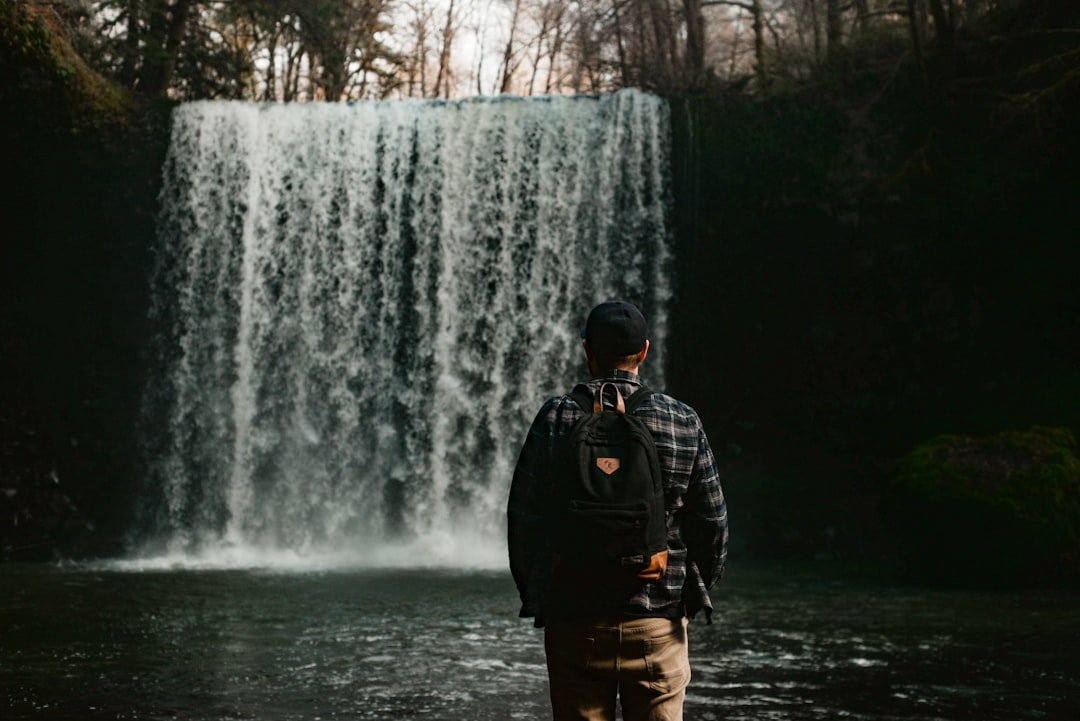
The Pacific Northwest is synonymous with lush forests, misted ridgelines and an abundance of falling water. From the basalt cliffs of the Columbia River Gorge to the moss-draped cedar groves of the Olympic Peninsula and the rolling coulees of eastern Washington, waterfalls here vary as dramatically as the landscapes that feed them. Whether you’re chasing a postcard view like Multnomah Falls in Oregon, standing beneath the thunderous wall at Palouse Falls in Washington, or slipping onto a quiet trail to discover a lesser-known cascade, this region rewards patient explorers. This guide outlines the must-see falls, authentic local experiences, the best seasons to visit, and practical tips to plan safe, responsible waterfall outings across the Pacific Northwest.
Must-See Attractions
These cascades represent the most iconic and accessible waterfall experiences in the Pacific Northwest.
-
Multnomah Falls, Oregon — A two-tiered landmark in the Columbia River Gorge, Multnomah Falls drops 620 feet and is reached via a short walk from the parking area. The Benson Bridge gives one of the classic vantage points to photograph the falls with the Gorge as a backdrop.
-
Silver Falls State Park (Trail of Ten Falls), Oregon — South Falls and North Falls are highlights on this loop that passes behind plunging curtains of water. The Trail of Ten Falls offers varied terrain through old-growth forest and is one of the best single-day waterfall circuits in the region.
-
Snoqualmie Falls, Washington — Just east of Seattle, this 268-foot drop is famous for its powerful, accessible viewpoint and for inspiring the television series Twin Peaks. A short overlook walk and a nearby park provide dramatic views without a strenuous hike.
-
Palouse Falls, Washington — A canyon-bound waterfall in eastern Washington, Palouse Falls plunges into a deep basalt amphitheater. Its stark, wide-open setting contrasts sharply with the forested cascades of western Washington and Oregon.
-
Sol Duc Falls, Olympic National Park, Washington — In the rainforest of the Olympic Peninsula, Sol Duc Falls tumbles through a fern-filled gorge. The short, well-made trail leads to a photogenic viewpoint; combine this with other park attractions like Hurricane Ridge and Lake Crescent.
-
Proxy and Lower Proxy Falls, Willamette National Forest, Oregon — Near Mount Washington, Proxy Falls is known for its clean plunge and the lava-field landscape that frames it. A short loop trail delivers close-up views and excellent light for photography.
-
Marymere Falls, Olympic Peninsula, Washington — An accessible waterfall tucked in mature fir and cedar stands near Lake Crescent, Marymere Falls is an easy half-hour walk from the parking area, suitable for families and casual hikers.
-
Wallace Falls, Washington — A multi-tiered cascade reached via a steep but rewarding trail in Wallace Falls State Park. Hike up to viewpoints that reveal multiple drops and a forested canyon.
Local Experiences
Pair waterfall sightseeing with regional culture and outdoor life to get a fuller sense of place.
-
Food and Drink — Cities like Portland and Seattle are excellent bases for waterfall trips and offer thriving culinary scenes. In Portland, try farm-driven Pacific Northwest cuisine and food carts before a Gorge day trip. Seattle’s seafood, craft coffee and microbreweries are ideal post-hike rewards. On the Olympic Peninsula and in eastern Washington, look for locally produced ciders and regional farm-to-table fare.
-
Markets and Local Produce — If timing permits, visit Pike Place Market in Seattle for seasonal produce and artisanal goods before heading to nearby waterfalls. In Portland, farmers’ markets and the indie food-cart scene make for easy, portable meals for trail days.
-
Viewpoints and Neighborhoods — For Multnomah Falls, the Historic Columbia River Highway offers multiple vista pullouts and viewpoints along the Gorge. In Seattle, take in the waterfront and locksmith neighborhoods before driving east to Snoqualmie. Hood River on the Columbia River Gorge makes a great overnight base with breweries, waterfront parks and windsurfing culture.
-
Outdoor Activities — Combine waterfall visits with hiking, trail running, and mountain biking where allowed. In winter and shoulder seasons, snowshoeing and crampon-equipped hikes open access to high-country cascades. Rock-climbing and canyoneering are practiced in specific areas—always check local regulations and use certified guides where required.
-
Ranger Programs and Interpretive Trails — Many state and national parks that host waterfalls offer interpretive walks or ranger talks in the summer months. These programs provide context on geology, salmon runs, and forest ecology that shaped the cascades.
Best Time to Visit
Choosing when to chase waterfalls in the Pacific Northwest depends on the kind of experience you want—full-throttle flows, milder crowds, or winter ice formations.
-
Spring (March–May) — Peak runoff season. Snowmelt and seasonal rains swell most cascades, producing dramatic flows and powerful photos. Trails can be muddy and some higher-elevation access roads may still be closed early in spring.
-
Summer (June–August) — Warm, drier weather and the best trail conditions. Waterfalls are often less dramatic than in spring, but accessibility is highest and alpine trails open fully. Summer sees the most visitors at popular sites like Multnomah and Snoqualmie.
-
Fall (September–November) — Crisp air, colorful foliage and generally lighter crowds through early fall. Stream flow starts to pick up with autumn rains, making for pleasing contrasts between fall colors and waterfalls. Late fall brings wetter, slipperier conditions.
-
Winter (December–February) — Low temperatures can create striking ice formations around falls and quieter trails, but expect icy conditions, closed roads and the need for traction devices. Popular overlooks remain accessible, but always check road and trail closures in national and state parks.
-
Crowds and Best Months — For big flows with fewer people, late spring (April–May) on weekdays is ideal. For easy access and reliably good weather, late July through August works well, though expect peak crowds at main attractions.
Essential Travel Tips
Practical advice to keep your waterfall visits safe, legal and responsible.
-
Transportation — Renting a car is the most flexible way to reach many falls, especially Palouse Falls and remote cascades. Major hubs are Seattle–Tacoma International Airport (SEA) and Portland International Airport (PDX). Public transit can reach Snoqualmie and parts of the Columbia Gorge, but schedules vary; plan last-mile transfers accordingly.
-
Safety — Stay on marked trails and lookout points. Rocks near waterfalls are often wet and extremely slippery; don’t climb onto restricted ledges. Watch for sudden water surges after storms and heed posted warnings about unstable banks or flash floods.
-
Permits and Fees — Many state parks and national park sites charge parking or day-use fees. Olympic National Park and Silver Falls State Park have official passes or day-use charges—check park websites for current information before you go.
-
Packing — Bring waterproof layers, sturdy hiking shoes with grip, a rain shell, and quick-dry clothing. Carry at least two liters of water for longer hikes, snacks, a first-aid kit, and a map or offline navigation app in areas with limited cell service.
-
Leave No Trace — Pack out all trash, avoid stepping on vegetation, and stay on durable surfaces. Drones are restricted in many parks; check local regulations before flying. Respect closures designed to protect nesting birds, fragile mosses and cultural sites.
-
Money and Connectivity — Card payments are widely accepted in cities and many parks’ concession areas, but small rural vendors may prefer cash. Expect limited cell service in canyon and forest areas—download maps and emergency information ahead of time.
Frequently Asked Questions
Which Pacific Northwest waterfall is easiest to access for families?
Multnomah Falls and Marymere Falls are both family-friendly with short, well-maintained walks from designated parking areas. Multnomah has accessible viewpoints and nearby facilities; Marymere offers an easy half-hour trail through mature forest.
When are waterfalls at their most powerful?
Generally during spring snowmelt (April–May) and after heavy rainstorms in fall and winter. Snowpack levels and seasonal precipitation patterns influence specific timing each year.
Are swimming and cliff-jumping allowed at these falls?
Swimming and cliff-jumping are typically discouraged or prohibited at many waterfall sites due to cold water, strong currents, and submerged hazards. Always follow posted signage and park regulations.
Can I visit multiple waterfalls in one day?
Yes. In the Columbia River Gorge, several falls—including Multnomah, Bridal Veil and Wahkeena—are close enough for a single-day itinerary. Distances are greater elsewhere, so plan driving times carefully.
What gear should I bring for winter waterfall photography?
Bring warm layers, waterproof boots, traction devices (microspikes), and a sturdy tripod. Protect camera gear from spray and freezing by using weather-sealed equipment or waterproof covers, and be cautious of icy approaches to viewpoints.
Conclusion
The Pacific Northwest’s waterfalls offer an extraordinary range of experiences, from postcard-famous cascades to quiet, fern-draped chutes tucked into rainforest valleys. Timing your visit—spring for thunderous flows, summer for easy access, or winter for icy sculpted scenes—makes a big difference in what you’ll see. Pair waterfall exploration with local food scenes, interpretive park programs and responsible outdoor practices to deepen your trip. Whether you’re photographing Multnomah’s tiers, watching the raw force at Palouse Falls, or slipping down a forest trail to a hidden drop, these cascades reveal the region’s geological history and verdant character. Plan ahead, respect the land, and you’ll come away with memorable views and a richer appreciation for the watery heart of the Pacific Northwest.
Inspired? Start planning your trip.
Move from inspiration to planning with BookingTabs — explore hotels, tours and travel options in one place.


Join the conversation
Ask a question, share a travel tip, or help another traveler plan with confidence.
Leave a comment
No account or email required.