
Boston Travel Guide
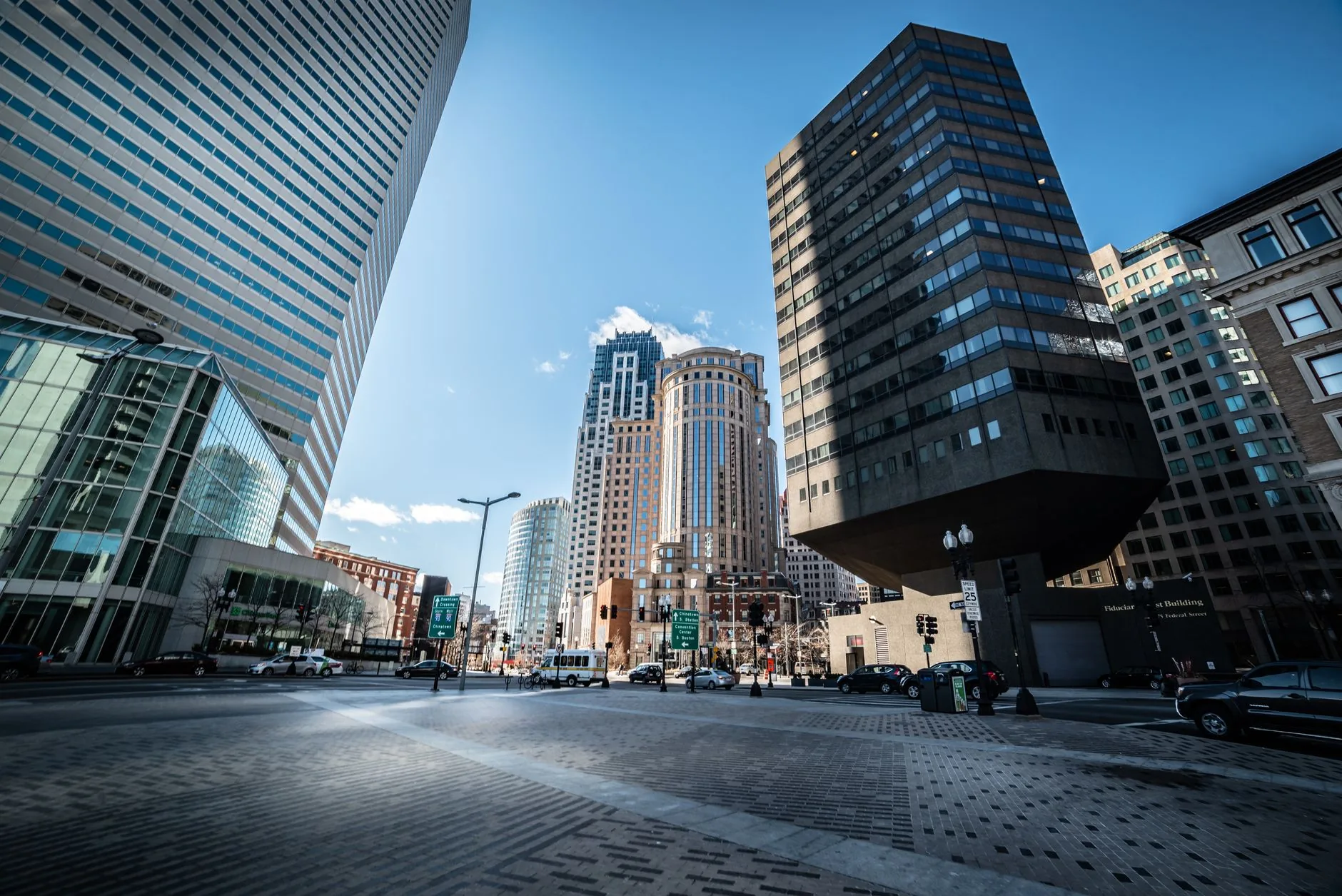
Boston is one of the easiest major U.S. cities to explore without a car. Its compact historic core is packed with Revolutionary-era landmarks, museums, public parks, restaurants, waterfront districts, and neighborhoods that each have a distinct character. Beyond the center, an effective public transport network connects visitors with Fenway Park, Cambridge, the Museum of Fine Arts, and Boston Logan International Airport.
Allow three to four full days for a well-paced first visit. That gives you time for the Freedom Trail and historic center, one or two major museums, a neighborhood-focused day, waterfront attractions, and perhaps a day trip. Two days is enough for the highlights, but you will need to group sights carefully and accept a faster pace.
Why Visit Boston
Boston is a strong choice for travelers who want history and culture without the scale or logistical demands of a much larger city. The city’s colonial and Revolutionary-era story is visible in its streets, churches, meeting houses, burial grounds, and waterfront. The Freedom Trail provides a natural route through that history, linking sites in Downtown Boston, the North End, and Charlestown.
The city also has an unusually varied museum scene. The Museum of Fine Arts offers collections spanning many periods and regions, while the Isabella Stewart Gardner Museum stands out for its Venetian-style setting and personally arranged collection. Families often gravitate toward the New England Aquarium and Museum of Science, both of which work well when weather makes outdoor sightseeing less appealing.
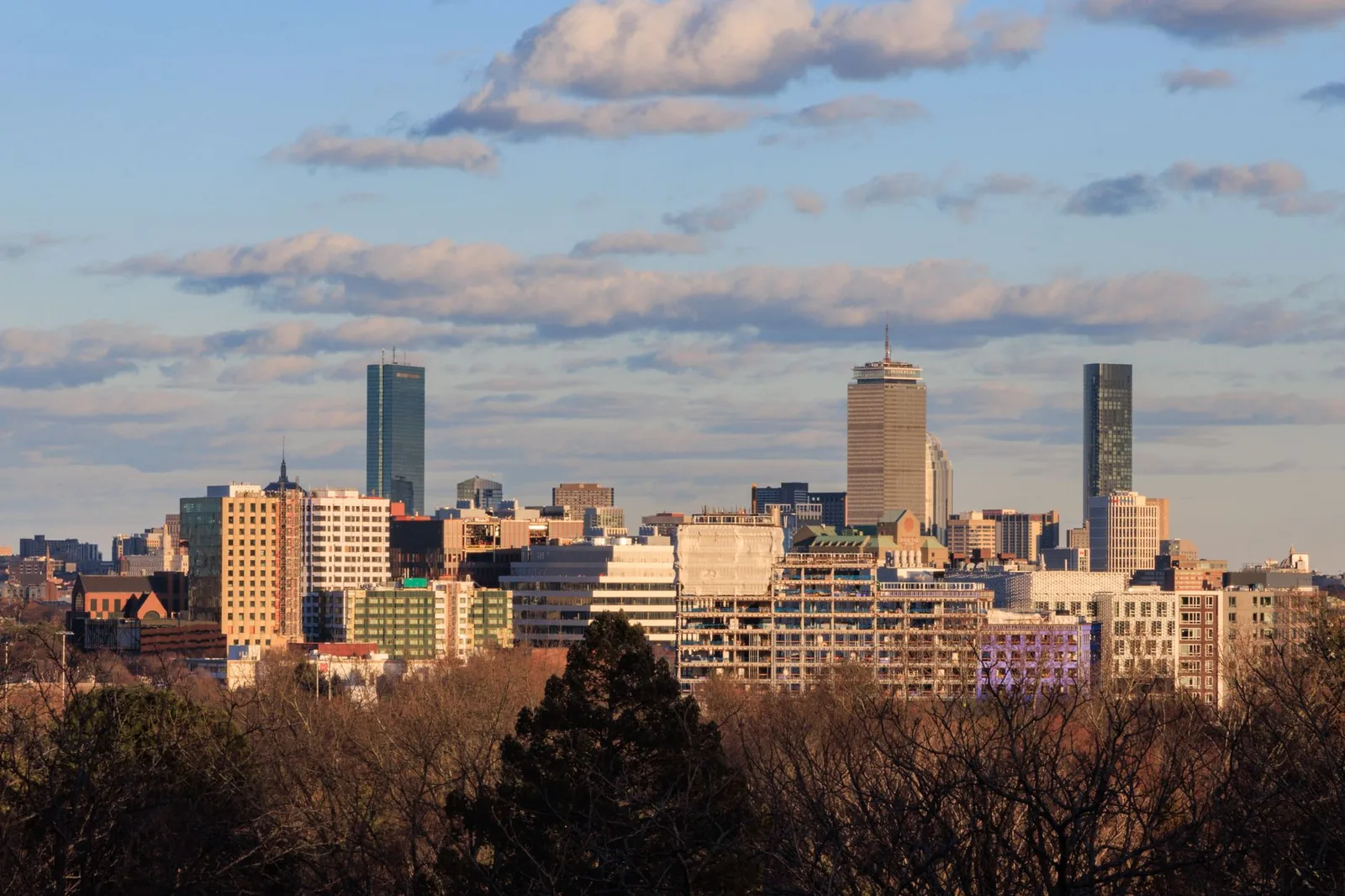
Boston’s neighborhoods are another reason to visit. Beacon Hill has brick sidewalks and historic rowhouses; Back Bay combines grand architecture, shopping, and cultural landmarks; the North End mixes Italian-American food with some of the city’s most important historic sites; and the Seaport presents a more contemporary waterfront landscape.
Sports are part of the city’s identity, with Fenway Park offering either a Red Sox game or an official ballpark tour. Boston can also serve as a base for Salem, Lexington and Concord, the Boston Harbor Islands, Cape Cod, and other New England destinations.
Best Things to Do in Boston
Planning your activities? Compare tours and activities for Boston on BookingTabs.
Walk the Freedom Trail
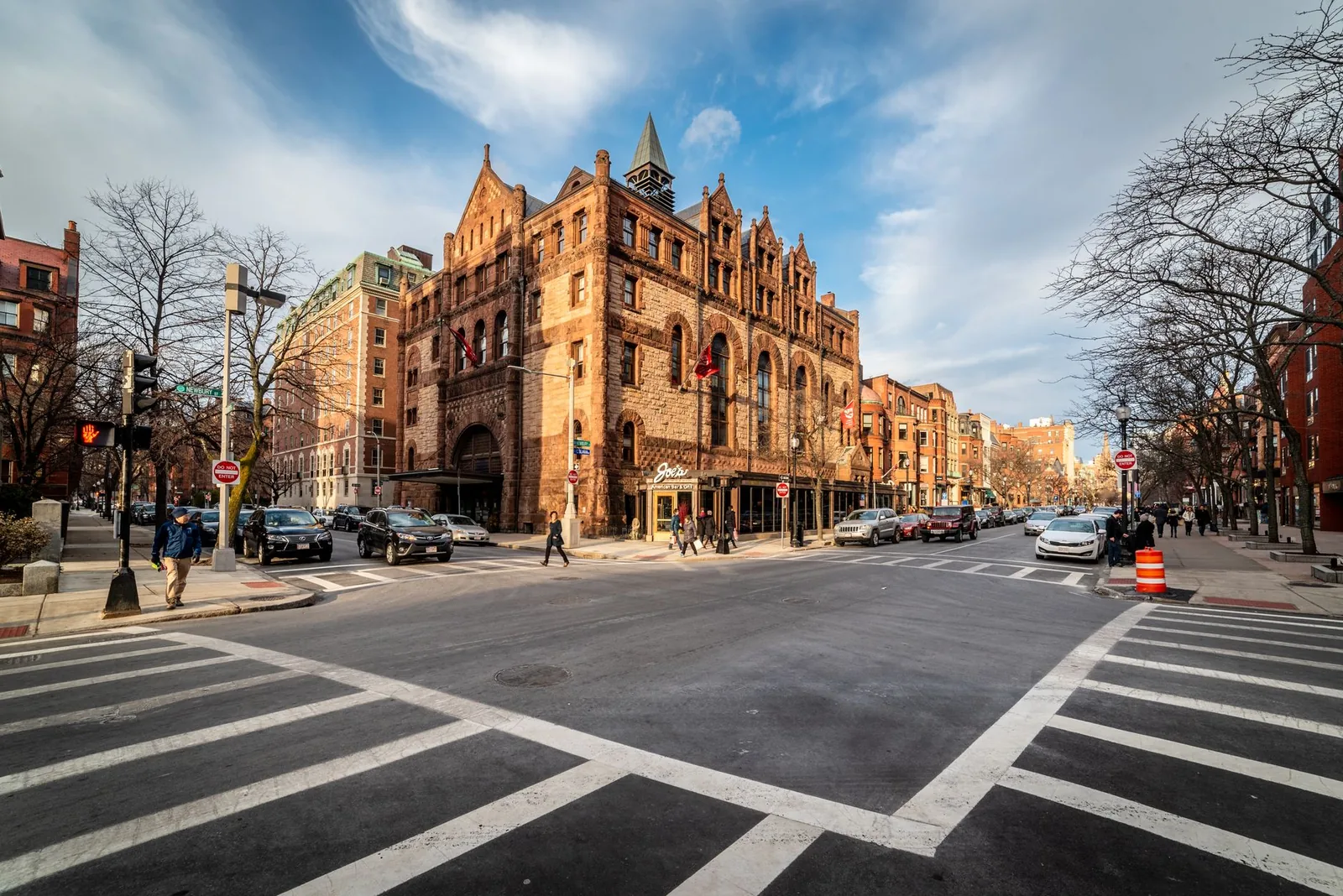
The 2.5-mile Freedom Trail is Boston’s essential historical experience. Marked by a red line, it runs from Boston Common through Downtown and the North End to Charlestown, connecting major sites associated with colonial Boston and the American Revolution.
The route itself is free to walk, but some historic buildings and partner attractions charge admission. Walking without stopping takes roughly an hour and a half; allowing time to enter buildings, read exhibits, and join a tour can turn it into most of a day.
A practical way to approach the trail is geographically. Begin at Boston Common, continue through Downtown and the North End, then decide whether to cross to Charlestown for the USS Constitution and Bunker Hill area. Comfortable shoes are essential, as the route includes brick paving, cobblestones, uneven surfaces, and busy sidewalks.
Explore Boston Common and the Public Garden
Boston Common is a historic green space and a useful starting point for the Freedom Trail. Beside it, the Boston Public Garden has a more formal character, with landscaped paths, plantings, a pond, and the famous swan boats during their operating season.
Together, the two spaces make a good pause between historic sights. The Public Garden is particularly pleasant in the morning or late afternoon, while the Common offers a direct link to Beacon Hill, Downtown, and the shopping streets around Back Bay. Swan boats, seasonal skating, events, and other activities follow separate calendars, so check current schedules before making them central to your plans.
Discover the North End
The North End is best known for its Italian-American restaurants, bakeries, cafés, espresso, and pastries, but reducing it to a dining district misses much of its appeal. It is one of the most important sections of the Freedom Trail and includes the Paul Revere House, Old North Church, and Copp’s Hill Burying Ground.
Plan to visit during the day for its historic context, then return for dinner or dessert if you have time. Streets and sidewalks can be narrow and crowded, particularly at busy meal times. Popular restaurants may require reservations, especially on weekends.
Visit the Museum of Fine Arts
The Museum of Fine Arts, Boston is one of the city’s leading cultural institutions, with collections and exhibitions covering multiple regions and periods. It deserves several hours, particularly if you want more than a quick overview.
The museum is in the Fenway-Kenmore area and can be combined with Fenway Park or other nearby attractions. Because regular closure days, exhibition schedules, admission prices, and holiday hours can change, check the current visitor information before going. If you have limited time, choose a few collection areas in advance rather than attempting to see everything.
Take in the Isabella Stewart Gardner Museum
The Isabella Stewart Gardner Museum offers a very different experience from a conventional art museum. Its Venetian-style building, courtyard, and galleries reflect Isabella Stewart Gardner’s personal arrangement of her collection. The setting is as important to the visit as the individual works.
The museum is also associated with the 1990 art theft, adding a layer of intrigue for many visitors. Advance timed tickets are recommended because popular entry times can sell out. Check the current calendar for closure days, extended hours, admission details, and any free-admission programs.
See Fenway Park
Fenway Park is one of Boston’s defining landmarks, even for visitors who are not committed baseball fans. Attending a Red Sox game is the most immersive option, but an official guided tour provides a way to experience the ballpark outside the baseball schedule.
Tour access and schedules change around games, concerts, private events, and other ballpark operations. Check the official calendar before booking, and review current security and bag rules if you are attending an event. Fenway-Kenmore also has restaurants, museums, and access to green spaces, making it easy to build a broader afternoon or evening around the park.
Visit the New England Aquarium
On Central Wharf, the New England Aquarium is a useful choice for families, marine-life enthusiasts, and rainy-day itineraries. Exhibits are arranged across multiple levels and include a large central ocean tank, films, and optional animal encounters.
Timed entry and add-on experiences may have separate availability. Check current hours and ticket information before visiting, especially during school holidays and busy summer periods. The aquarium’s waterfront setting also makes it convenient to combine with a walk around the harbor or a broader Downtown itinerary.
Explore the Charlestown Navy Yard
The Charlestown Navy Yard forms the northern end of the Freedom Trail and is home to USS Constitution and the USS Constitution Museum. The area combines waterfront views with naval history and is a rewarding continuation of the historic route.
The ship and museum operate separately, so verify both schedules if you want to visit each. Boarding USS Constitution is subject to security screening, identification requirements, Navy schedules, and capacity arrangements. The ship’s access can change, making a same-day check worthwhile.
Choose the Museum of Science
The Museum of Science sits on the Charles River and focuses on interactive exhibits, live presentations, a planetarium, and theater programs. It is particularly useful for families or anyone seeking a substantial indoor activity.
The main exhibit areas and special programs may use different ticketing arrangements. Allow extra time if you plan to include a planetarium or theater presentation, and check the current schedule before arrival.
See Beacon Hill and the Black Heritage Trail
Beacon Hill is one of Boston’s most atmospheric neighborhoods, with brick rowhouses, historic architecture, gas-lit lanes, independent shops, and a location close to Boston Common. It is best explored slowly rather than treated as a quick photo stop.
The Black Heritage Trail interprets the history of Boston’s 19th-century African American community and its role in the struggle for freedom. Use official National Park Service resources or ranger programs where available. Beacon Hill’s streets include hills and uneven surfaces, so allow more time than the short distances on a map might suggest.
Visit the Boston Public Library at Copley Square
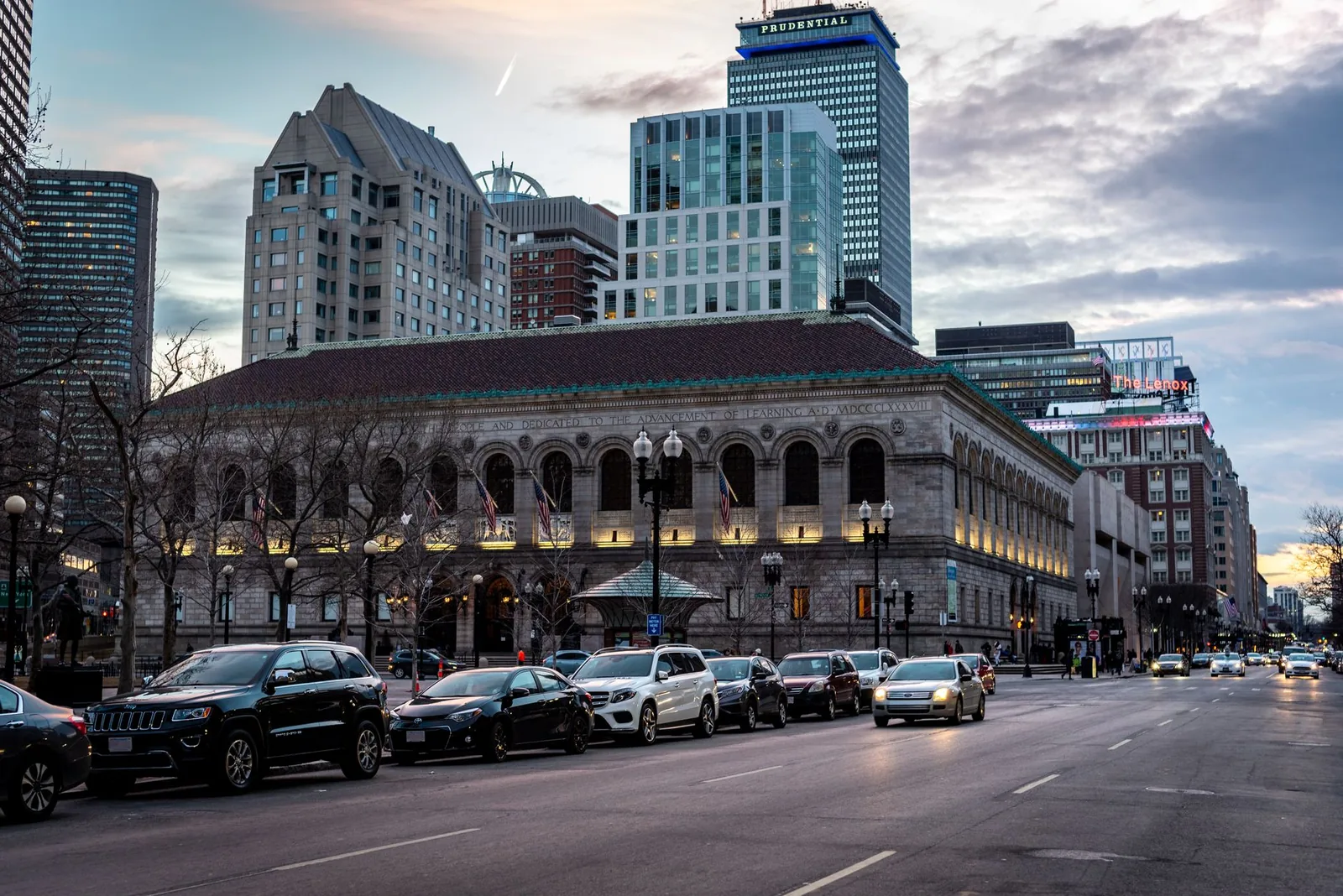
The Central Library at Copley Square is a worthwhile Back Bay stop for its architecture, historic reading rooms, public art, exhibitions, and central location near Newbury Street and the Public Garden. It fits easily into a walking route through Back Bay.
Hours, tours, access to reading rooms, and special events can vary. Check the current library calendar if you want a guided or event-based visit rather than a brief architectural stop.
Where to Base Yourself in Boston
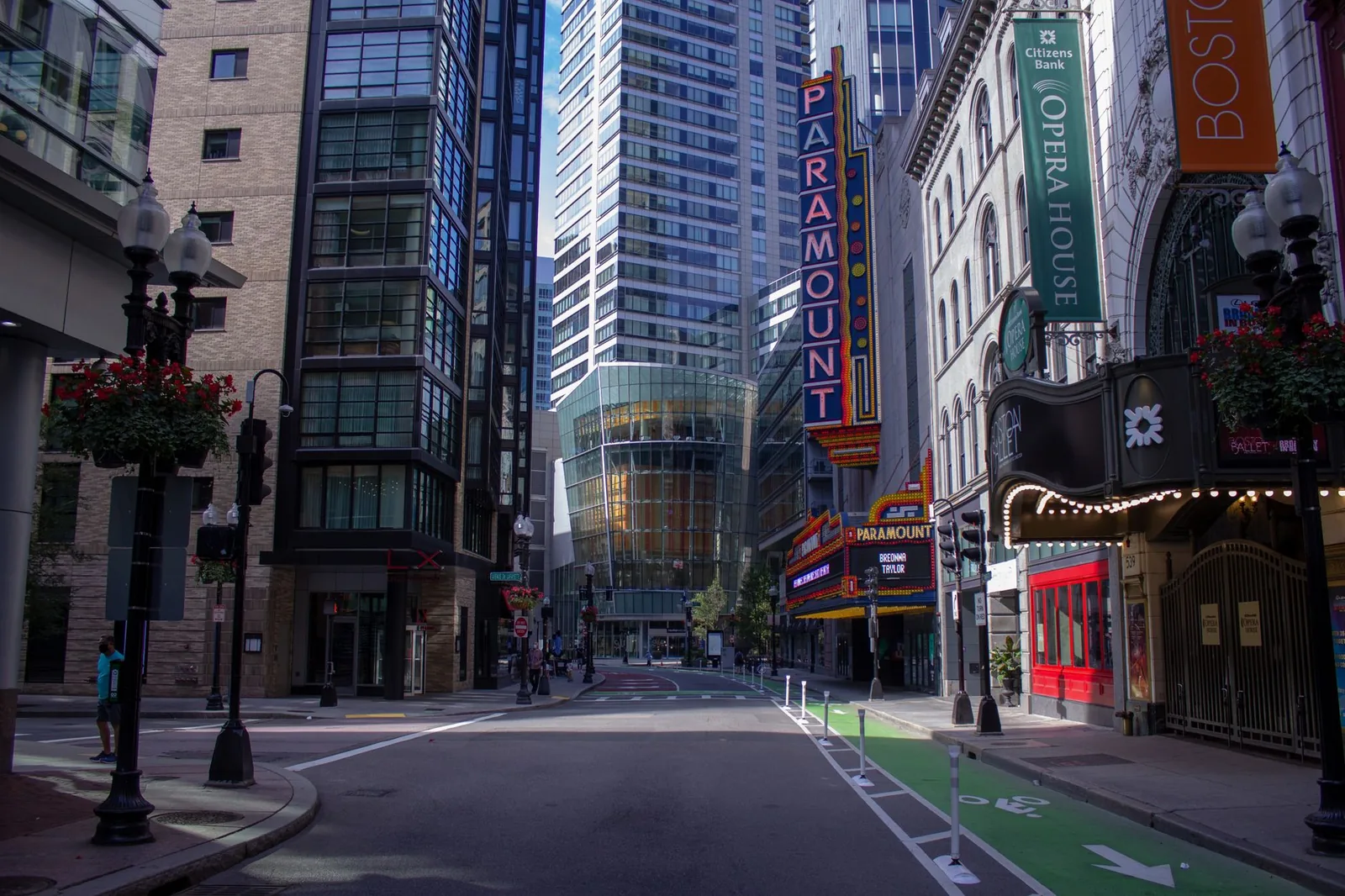
Choosing a neighborhood is often more useful than choosing a specific hotel category. Boston is compact, but the atmosphere and transport convenience vary considerably between areas.
Downtown and Government Center suit first-time visitors focused on the Freedom Trail, Faneuil Hall, Quincy Market, the Old State House, City Hall, and nearby waterfront areas. This is one of the most practical bases for historic sightseeing.
Beacon Hill offers historic streets and a central location close to Boston Common. It is a good fit for travelers who value character and walkability, although some streets are steep or uneven.
Back Bay works well for visitors interested in architecture, shopping, restaurants, Copley Square, the Boston Public Library, and easy access to the Public Garden. It is also convenient for travelers combining sightseeing with business or rail travel.
The North End places you close to Freedom Trail sites, bakeries, cafés, and Italian-American restaurants. It can be lively and crowded, particularly around meal times.
The South End is known for Victorian rowhouses, neighborhood parks, galleries, and a broad restaurant scene. It can appeal to visitors who want a more residential setting while remaining close to the center.
Seaport and the Waterfront offer contemporary architecture, harbor views, restaurants, event venues, and access to water transportation. The area feels newer and more modern than the historic center.
Fenway-Kenmore is a practical choice for baseball fans, museum visitors, and travelers interested in restaurants and the Emerald Necklace. Check event schedules if you are visiting during a game or concert.
For a car-free trip, prioritize accommodation within walking distance of major sights or near an MBTA station. Compare current hotel taxes, parking charges, and any additional fees before booking.
Local Food and Drink

Boston’s food identity is shaped by New England seafood, immigrant communities, historic neighborhoods, and a strong local brewery and taproom scene.
Look for lobster rolls, fried clams, oysters, scallops, mussels, and other regional seafood. Waterfront restaurants are an obvious starting point, but neighborhood seafood specialists can offer a different setting. Menus and prices vary substantially.
New England clam chowder is widely available and worth comparing between restaurants. The North End is the city’s most recognizable food neighborhood, with Italian-American restaurants, bakeries, espresso, pastries, and cannoli. Popular dining rooms may require reservations, especially on weekends.
Boston cream pie, made with sponge cake, custard, and chocolate topping, is a city-associated dessert found in bakeries, restaurants, and hotel dining rooms. Chinatown and other neighborhoods add Chinese, Vietnamese, Caribbean, Latin American, African, and other international cuisines.
Craft beer and cider are also part of the broader Massachusetts food scene. Check current opening hours, reservation policies, age requirements, and seasonal releases before visiting taprooms.
Weather and the Best Time to Go
Boston has four distinct seasons, and the best time depends on whether you prioritize comfortable walking, outdoor activities, lower visitor demand, or seasonal events.
Late spring is a strong choice for museums, parks, neighborhoods, and increasingly pleasant walking conditions. Weather can be changeable, with rain possible, so bring a light waterproof layer and verify outdoor attraction schedules.
Summer offers the fullest range of harbor activities, parks, baseball, outdoor events, and day trips. It is also generally the busiest period. Reserve accommodation, popular museums, tours, and activities early when possible.
Autumn brings comfortable sightseeing conditions, foliage-related excursions, and the wider New England atmosphere many visitors seek. It can also bring high demand connected with sports, universities, conventions, and foliage travel. Hotel availability and prices may be affected.
Winter works well for museums, restaurants, shopping, indoor attractions, and seasonal events. Snow, ice, wind, shorter daylight, and possible transport disruptions can complicate plans. Wear footwear with good traction and check live service information before setting out.
Exact weather, attraction hours, event calendars, and ferry operations should always be checked close to travel.
How to Get Around Boston
Boston is one of the better U.S. cities for a car-free trip. Walking is usually the best option in the historic core, while the MBTA connects Downtown with neighborhoods and attractions farther away.
The MBTA, known locally as the T, operates subway, bus, commuter rail, and ferry services. The Green Line is useful for areas including Boston Common, Back Bay, Fenway Park, the Museum of Fine Arts, and nearby universities. The Silver Line SL1 connects Logan Airport with South Station.
Use the official MBTA trip planner and live alerts rather than relying on a static map. Construction, shuttle buses, substitutions, accessibility changes, and other service adjustments can affect journeys.
Walking is practical for Boston Common, Downtown, the North End, Beacon Hill, Back Bay, Chinatown, the South End, and parts of the waterfront. Allow extra time for cobblestones, historic paving, hills, crowded sidewalks, and winter ice.
Taxis and rideshare are useful for late-night trips, heavy luggage, or cross-town journeys with limited direct transit. Pickup arrangements at Logan Airport can change, so follow current airport signage.
A rental car is generally unnecessary for central Boston. Traffic, narrow streets, limited parking, and parking costs can make driving more trouble than it is worth. Consider renting only for destinations outside the city or places poorly served by public transport.
Arriving at Boston Logan Airport
Boston Logan International Airport, code BOS, is the city’s principal airport. It has four passenger terminals: A, B, C, and E. Options for reaching the city include the MBTA Silver Line to South Station, the Blue Line via the airport shuttle to Airport Station, Logan Express buses, taxis, rideshare, private transfers, and water transportation.
The free airport shuttle connects the terminals with Airport Station, the rental-car center, and the water transportation dock. Airport-originating Silver Line travel to South Station is free, although service details and disruptions should be checked before arrival.
Identify your terminal before arranging a pickup, and allow for changing roadway and ground-transport procedures. If you have heavy luggage, arrive late, or are staying outside a direct transit route, a taxi or private transfer may be more convenient.
What would you most like to experience on a perfect day in Boston?
Best Day Trips from Boston
Cambridge and Harvard Square
Cambridge is immediately across the Charles River and easy to combine with a Boston itinerary. Harvard Square and surrounding areas offer university architecture, bookstores, cafés, public squares, museums, and a different urban atmosphere. The MBTA is generally practical, but verify current service.
Salem
Salem combines maritime heritage, historic houses, museums, and the history of the witch trials. It is a feasible day trip, but October is exceptionally busy because of seasonal programming. Check commuter rail and ferry schedules, reserve popular attractions, and plan the return journey early.
Lexington and Concord
Lexington and Concord offer Revolutionary-era sites, historic landscapes, museums, and walking routes west of Boston. Public transport is less straightforward than within central Boston. Compare an organized tour, commuter rail with local connections, or driving based on the sites you want to visit.
Boston Harbor Islands
The Boston Harbor Islands provide hiking, historic ruins, beaches, coastal views, and a break from the city. Ferry service is seasonal and weather-dependent, and island conditions can affect the experience. Check the current schedule and operating status before committing a day.
Cape Cod
Cape Cod is a longer excursion for beaches, maritime villages, seafood, lighthouses, and coastal scenery. Traffic and travel times vary greatly by season, so an overnight stay may be more practical than trying to see the peninsula in a single rushed day.
Martha’s Vineyard or Nantucket
These islands offer beaches, villages, cycling, and coastal scenery, but they require advance planning for ferry or air travel. Seasonal capacity, weather, and accommodation demand can all affect the trip. They are better suited to an overnight stay unless you have a carefully organized schedule.
Newport, Rhode Island
Newport is a longer regional excursion known for historic mansions, harbor scenery, and coastal architecture. It is generally more practical by car or organized tour than by a simple local transit connection.
Good to Know Before You Go
- Group attractions by neighborhood. Boston is compact, but not every major sight is next door.
- Treat the Freedom Trail as a route rather than a single ticketed attraction: walking is free, while individual sites and guided tours may charge admission.
- Wear comfortable shoes with good traction for brick paths, cobblestones, hills, and winter conditions.
- Check current opening hours and timed-entry rules for museums, the aquarium, Fenway Park, USS Constitution, and historic buildings.
- Plan ahead around summer weekends, autumn foliage, university activity, conventions, concerts, and Red Sox home games.
- Check MBTA alerts immediately before each journey.
- Verify airport terminal and pickup information before traveling through Logan.
- Check ferry schedules and weather for Boston Harbor Islands and other coastal excursions.
- Tipping is customary in the United States for table-service restaurants, taxis, guides, and other service roles. Check the bill for an automatically added gratuity.
- Ask attractions directly about accessibility. Historic buildings may have stairs, uneven floors, narrow passages, or limited elevator access.
- Do not assume that Cambridge, Salem, Cape Cod, or Newport are part of Boston proper when estimating travel time.
Common Questions About Boston
How many days do you need in Boston?
Three to four full days works well for a first visit. Two days can cover Boston Common, the Freedom Trail, the North End, one major museum, and a waterfront area. Longer stays allow time for Fenway Park, additional museums, more neighborhoods, and a day trip.
Is Boston easy to visit without a car?
Yes. The historic core and several major neighborhoods are walkable, while the MBTA provides subway, bus, commuter rail, and ferry services. A car is generally more useful for destinations outside the city than for central sightseeing.
Is the Freedom Trail free?
Walking the 2.5-mile route is free. Some historic buildings and partner attractions charge admission, and guided tours may also be ticketed.
What is the best area to stay in Boston?
Downtown, Beacon Hill, Back Bay, the North End, the South End, and the waterfront are convenient starting points for first-time visitors. The best area depends on your budget, dining preferences, nightlife plans, access to the MBTA, and whether your trip focuses on history, museums, business, or sports.
How do you get from Boston Logan Airport to downtown?
Options include the MBTA Silver Line to South Station, the Blue Line via the airport shuttle to Airport Station, Logan Express buses, taxi, rideshare, private transfer, and water transportation. Check current service and pickup instructions before arrival.
When is the best time to visit Boston?
Late spring and early autumn are often comfortable for walking and sightseeing. Summer is strongest for outdoor and waterfront activities, while winter suits indoor cultural trips if you are prepared for cold and possible snow. Demand, prices, weather, and events vary by date.
Can you visit Fenway Park when there is no baseball game?
Yes. Official tours are available, although schedules and accessible areas can change because of games, concerts, private events, and ballpark operations. Check the current tour calendar before booking.
Is Salem an easy day trip from Boston?
Salem is a feasible day trip, but the best transport option depends on the season, current rail and ferry schedules, and the attractions you plan to visit. October is especially busy, so arrange reservations and return travel early.
Planning Your Boston Trip
Boston rewards travelers who slow down and explore by area. Walk the Freedom Trail through Downtown and the North End, spend time in Beacon Hill and Back Bay, choose museums according to your interests, and leave room for seafood, pastries, or a game at Fenway Park.
With reliable planning, most visitors can enjoy the city without a car. Add a day trip if you have four or more full days, but do not underestimate the time needed for Salem, Cape Cod, or the islands. For a first visit, Boston’s strongest combination is simple: history in the morning, a neighborhood walk in the afternoon, and the city’s food or sports culture in the evening.
Inspired? Start planning your trip.
Move from inspiration to planning with BookingTabs — explore hotels, tours and travel options in one place.


Join the conversation
Ask a question, share a travel tip, or help another traveler plan with confidence.
Leave a comment
No account or email required.