
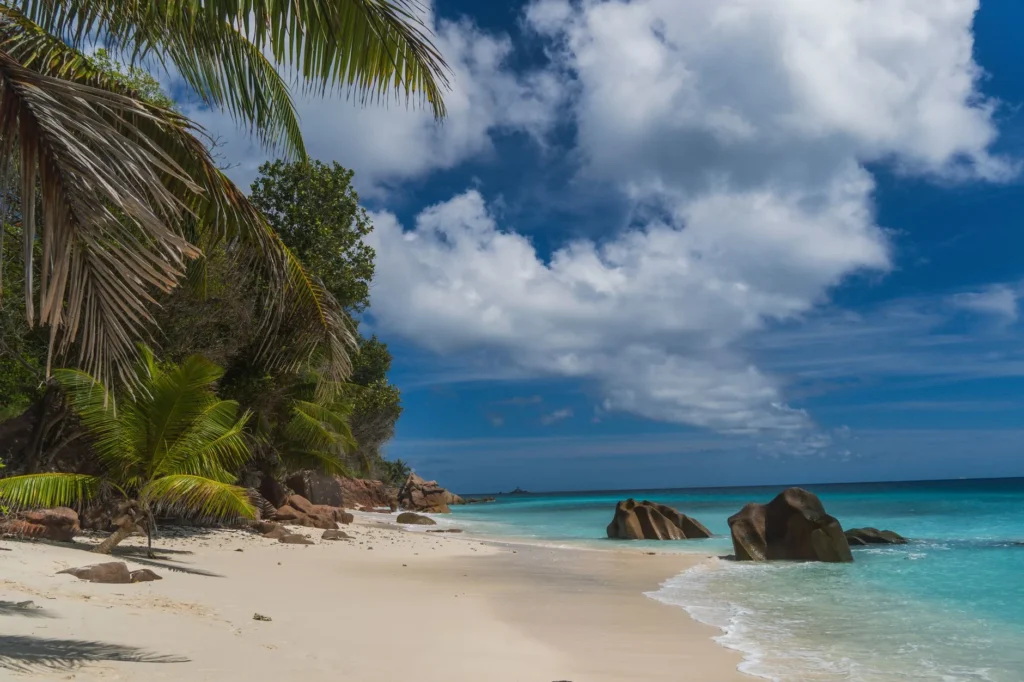
Seychelles is an island country in the western Indian Ocean, made up of 115 granite and coral islands. Most first-time visitors concentrate on Mahé, Praslin and La Digue, which offer the best combination of beaches, accommodation, transport, nature and activities. Smaller islands and marine parks can then be added through boat excursions or carefully planned overnight stays.
The appeal is not limited to postcard beaches. Seychelles has dense tropical forests, distinctive granite boulders, endemic plants and wildlife, excellent snorkeling and diving, mountain trails and a distinctive Creole food culture. It can work as a relaxed beach holiday, an active nature trip or a multi-island honeymoon, but the geography matters: this is a country of separate islands rather than one compact resort destination.
For a balanced itinerary, allow 10 to 14 days for Mahé, Praslin and La Digue. Seven days can work well with two islands, while four or five days is better treated as a single-island stay or a short Mahé-based visit.
What Makes Seychelles Special
Seychelles is one of the world’s strongest destinations for combining beaches and nature in a relatively manageable island itinerary. White sand, clear water and enormous granite formations define many of the best-known coastal landscapes, but each principal island has a different character.
Mahé is the largest and most versatile island. It has the international airport, the capital Victoria, the widest range of services and some of the country’s best hiking. Praslin is quieter and particularly important for nature lovers, with Vallée de Mai, the coco de mer palm and several outstanding beaches. La Digue is smaller and slower paced, with bicycles replacing most motor traffic and iconic coastal scenery around Anse Source d’Argent.
The country also suits travelers who want more than passive beach time. You can hike through endemic forest, snorkel in protected marine areas, dive, kayak, sail, fish or take a boat to a conservation island. Seychelles has two UNESCO World Heritage properties: Vallée de Mai Nature Reserve on Praslin and the remote Aldabra Atoll. Aldabra is not a normal day-trip destination; its isolation and conservation controls make it fundamentally different from the main visitor islands.
Seychelles is also well suited to romantic trips and honeymoons, particularly for travelers who value privacy, scenery and a slower pace. Families can enjoy it too, although beach conditions vary by season and coast. Check water conditions, shade, toilets, food availability and lifeguard coverage rather than assuming every beach is equally suitable for children.
Best Things to Do in Seychelles
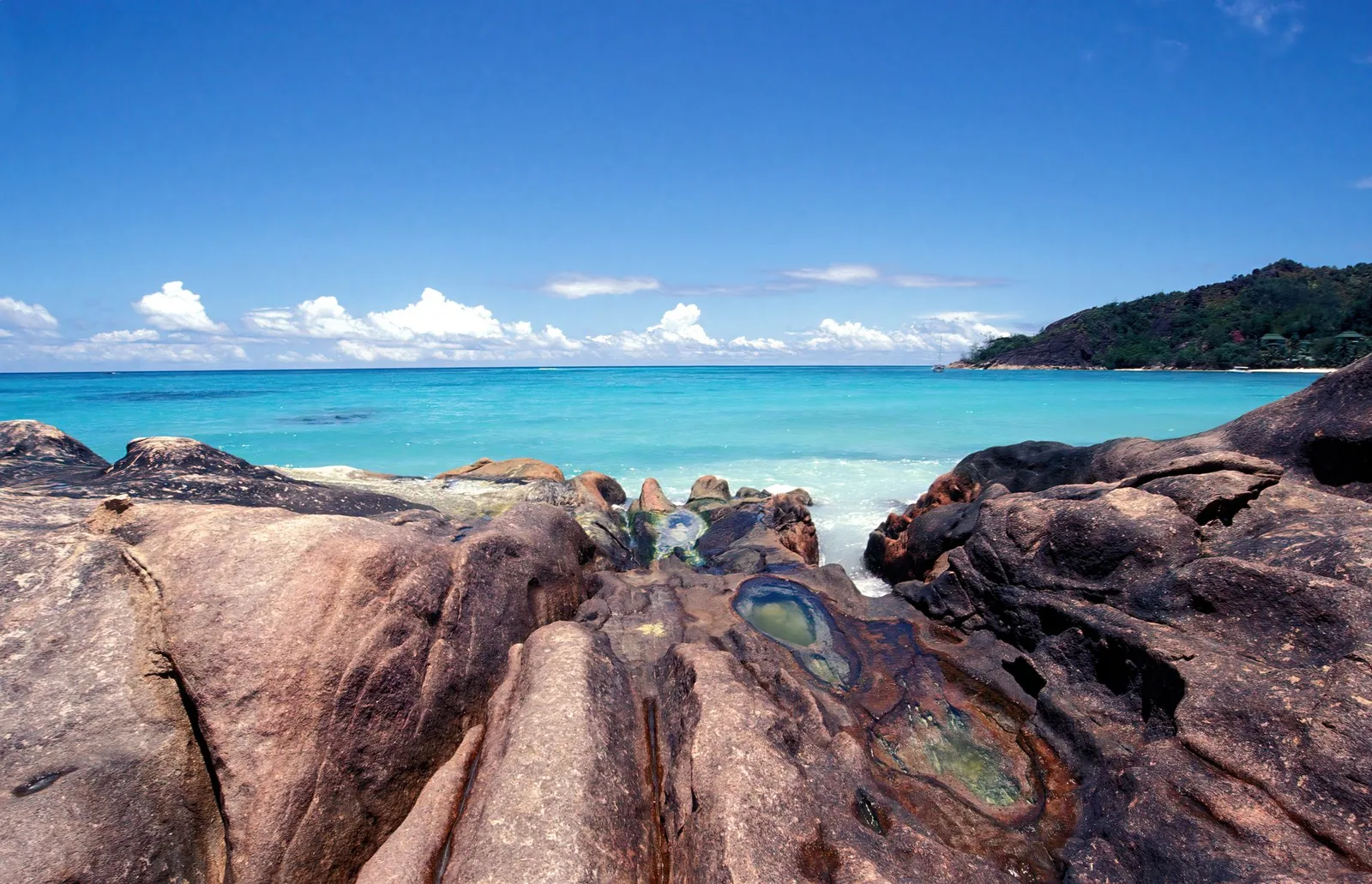
Explore Vallée de Mai on Praslin
Vallée de Mai Nature Reserve is one of Seychelles’ essential experiences. This UNESCO-listed palm forest is the principal stronghold of the endemic coco de mer, whose enormous seeds are among the country’s best-known natural symbols. The reserve also supports endemic wildlife, including the Seychelles black parrot.
Walking routes range from short excursions to longer trails, making it possible to visit even on a relatively busy Praslin day. The forest is humid and shaded, but comfortable walking shoes, water and insect repellent are useful. Admission fees, opening hours and trail conditions can change, so check current details before visiting.
Fond Ferdinand Nature Reserve offers another opportunity to see coco de mer and endemic plant life. It is known for elevated views across the surrounding islands and is a good alternative or complement to Vallée de Mai. Guided visits and access arrangements differ, so confirm the current schedule in advance.
Spend time on Praslin’s beaches
Anse Lazio is one of Praslin’s signature beaches, combining pale sand, clear water, tropical vegetation and granite boulders. It is a scenic place to swim or relax, although conditions change with season, swell, wind and currents. Bring drinking water and sun protection, and check local safety advice before entering the sea.
Côte d’Or and Anse Volbert form one of Praslin’s most convenient visitor areas. The coast has accommodation, restaurants, water activities and links to excursions around Curieuse and St Pierre. It is a practical base for travelers who want a beach setting without being too far from services.
Cycle across La Digue
La Digue is best experienced slowly. The main arrival area, La Passe, has bicycle hire, guesthouses, restaurants and local services. From there, cycling routes lead toward beaches, plantations, viewpoints and quiet lanes. Walking is also practical around the main settlement and individual beaches.
Anse Source d’Argent is La Digue’s most famous landscape, with shallow water and striking granite boulders arranged along the coast. Access is through L’Union Estate, a historic plantation site with heritage buildings, traditional production features and giant tortoises. L’Union Estate also provides the main route to the beach and charges an entry fee for non-resident visitors. Confirm current admission rules and hours before setting out.
La Digue’s eastern beaches, including Grand Anse, Petite Anse and Anse Cocos, offer a wilder coastal experience. They are not interchangeable: swimming conditions can be rough, especially when trade winds affect an exposed coast. Treat the cycle itself as part of the experience and allow more time than a map may suggest, particularly in tropical heat.
Hike through Mahé’s mountain forests
Morne Seychellois National Park covers much of Mahé’s mountainous interior and includes the country’s highest peak, Morne Seychellois, at about 905 metres. Its forested terrain provides a useful counterpoint to the beaches, with routes through lush vegetation, misty uplands and elevated viewpoints.
The Copolia Trail is one of Mahé’s most rewarding hikes for views toward Victoria, the east coast and offshore islands. It is relatively short but includes a substantial ascent and can be steep or slippery after rain. Start early, carry water and wear shoes with good grip.
Morne Blanc, Casse Dent and other trails offer different levels of difficulty. Some routes are demanding, and guide requirements can apply. Check trail access, weather and current guidance before departure rather than relying on old maps or descriptions.
Discover Victoria and Mahé’s local life
Victoria is small by capital-city standards but provides a useful introduction to Seychellois life. Its landmarks include the Clock Tower, historical buildings, religious sites, museums and the botanical garden. A walk through the city can be combined with lunch, a market visit or a trip toward the coast.
Sir Selwyn Clarke Market is traditionally associated with fresh produce, seafood, spices and crafts. Its location and operating arrangements may change during renovation work, so verify where it is currently operating and check opening days before visiting.
For a beach base on Mahé, Beau Vallon is convenient and lively without being a large urban resort. It offers swimming, water activities, restaurants and access to local evening food and craft markets. Bel Ombre and Glacis provide access to northwestern beaches and excursions toward Anse Major, while Port Glaud and Port Launay work well for west-coast scenery, sunsets and marine activities.
Snorkel and sail around protected waters
Sainte Anne Marine National Park is one of the easiest marine excursions from Mahé. Organized boat trips and private charters commonly include snorkeling, swimming and glass-bottom-boat sightseeing around protected islands and reefs. Marine-park fees, landing restrictions and access to individual snorkeling sites can change, so confirm the details with the operator.
From Praslin, boat trips commonly combine Curieuse Island with snorkeling around nearby marine sites. Curieuse is known for protected nature, coastal scenery and giant tortoises. Excursions are weather-dependent, and itineraries may change with sea conditions, park rules or landing permissions.
Seychelles also offers diving, kayaking, fishing and sailing. Visibility and sea conditions vary by season and location, so choose activities with the day’s wind and weather in mind rather than booking every excursion before arrival.
Easy Day Trips from Seychelles
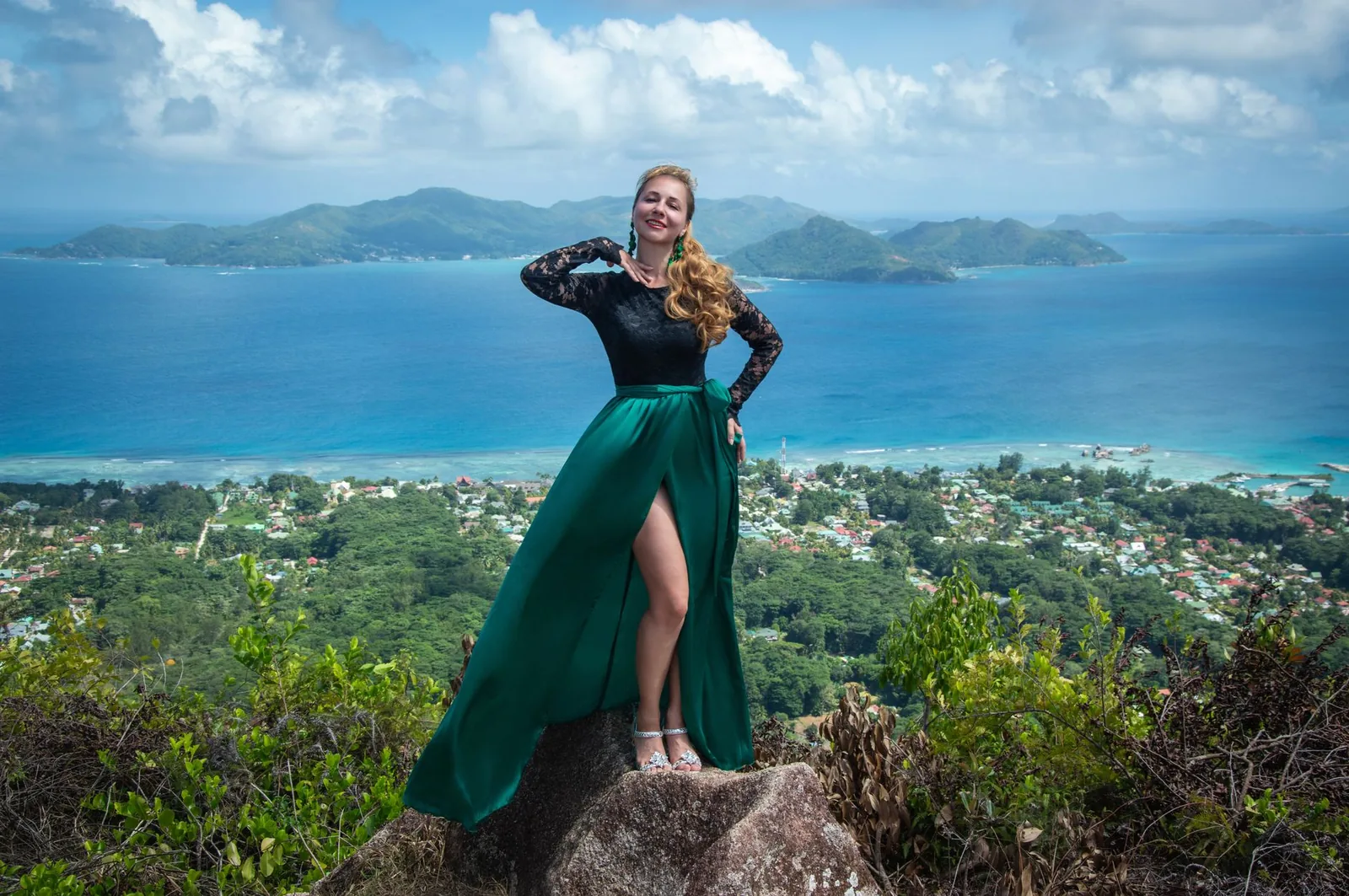
Curieuse and St Pierre from Praslin
This is one of the most useful full-day excursions from Praslin. It combines Curieuse’s protected landscapes and giant tortoises with snorkeling around nearby marine sites. Confirm boat routes, park fees, landing arrangements and weather policies.
La Digue from Praslin
A day trip can cover L’Union Estate, Anse Source d’Argent and a selection of bicycle routes. It is more comfortable as an overnight stay, but a well-planned day is possible from Praslin. Visiting from Mahé involves more transfers and leaves less time on the island.
Sainte Anne Marine National Park from Mahé
This is a convenient option for snorkeling, swimming and glass-bottom-boat sightseeing without moving islands. It can be arranged as a shared excursion or private charter, depending on the current operator options.
Moyenne Island from Mahé
Moyenne is often paired with Sainte Anne Marine National Park and offers natural scenery and giant tortoises. Confirm current landing access, admission and the exact route with the operator.
Praslin from Mahé
A ferry or domestic flight makes a Praslin visit possible from Mahé, allowing time for Vallée de Mai and one of the island’s beaches. Staying overnight is preferable if you want to avoid rushing between transport connections.
Cousin or Silhouette Island
Cousin Island offers a conservation-focused wildlife experience with protected habitat and endemic species. Visits are controlled and depend on approved access, tides and weather. Silhouette Island is mountainous and forested, with guided nature activities, beaches and resort-based excursions. Visitor permissions and boat arrangements must be checked in advance.
Which Seychelles experience would you most want to build your trip around?
Local Food and Drink
Seychellois food draws heavily on seafood, coconut, spices and tropical produce. Look for grilled fish, octopus, prawns and crab prepared with chili, citrus, coconut or Creole seasoning. A local takeaway is often a useful way to sample rice, curries, grilled fish and side dishes at a lower cost than resort dining.
Octopus curry is one of the classic dishes to seek out. It is commonly prepared with coconut milk and spices, although recipes vary between restaurants and islands. Grilled fish is another dependable choice, often served with rice, salad, breadfruit or plantain.
Ladob can be sweet or savory and may include plantain, sweet potato, cassava or breadfruit. Breadfruit chips, banana cake and gato bannan make good snacks, particularly from local cafés and takeaways.
Takamaka rum is produced locally and associated with La Plaine St André on Mahé. Distillery visits, tastings and special events should be confirmed before making a dedicated trip. Carry some Seychelles rupees for markets, buses, small takeaways and vendors, even though cards are accepted in many hotels and established businesses.
Where to Stay in Seychelles
Find places to stay. Search stays on VibrantGateways →
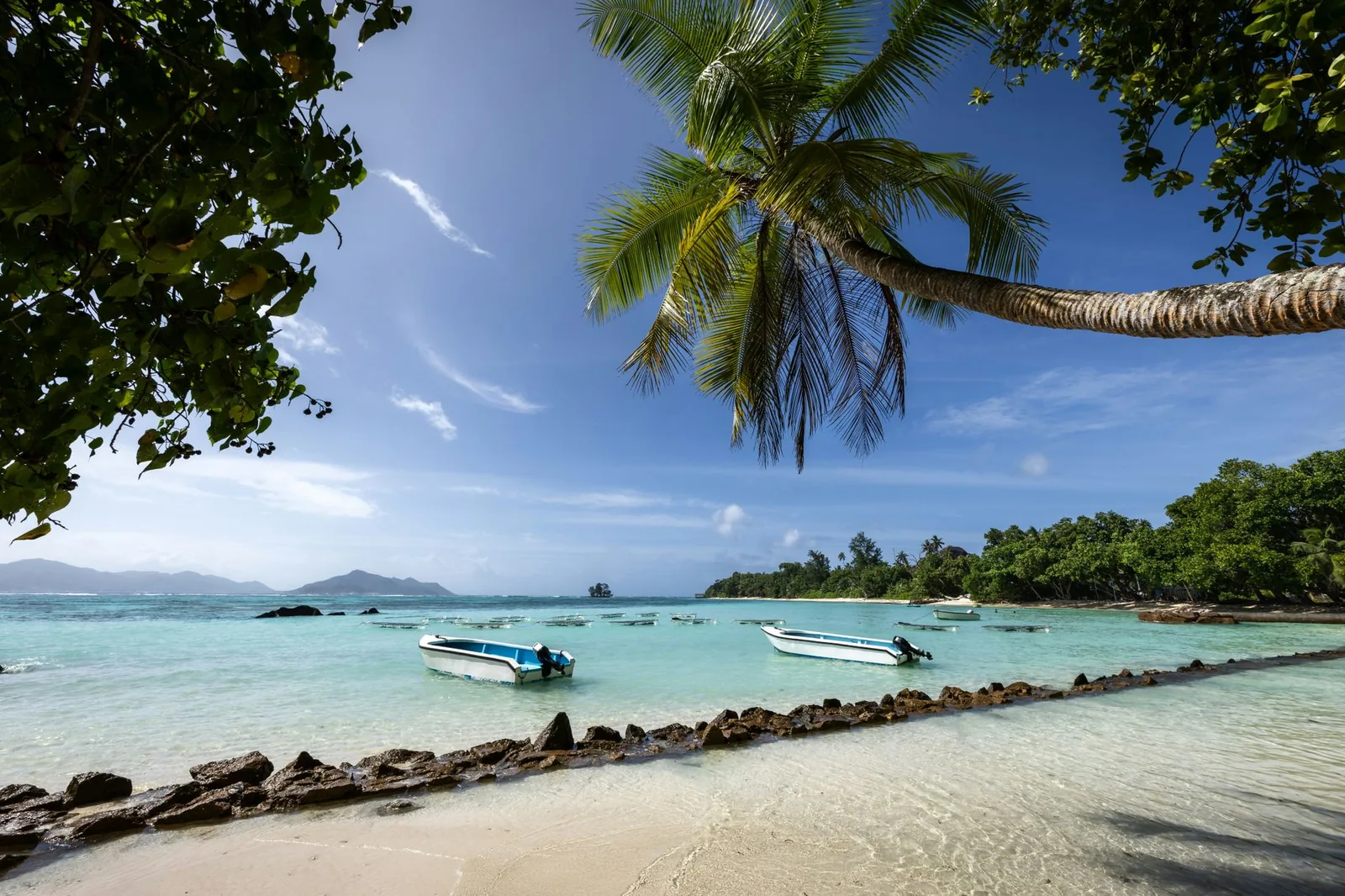
Mahé
Victoria and Mont Fleuri are practical for markets, museums, historical landmarks, the botanical garden and central bus connections. They are useful for a short arrival or departure night, although they are not the best choice if your priority is waking up beside a beach.
Beau Vallon is one of Mahé’s easiest all-round bases. It combines a broad beach area with restaurants, water activities and local evening markets. It is a good option for travelers without a car and for families who want services close by.
Bel Ombre and Glacis suit travelers looking for a quieter northwestern base, with access to beaches, boat excursions and routes toward Anse Major. Port Glaud and Port Launay are better for west-coast scenery, sunsets, marine-park outings and access to parts of Morne Seychellois National Park.
Anse Royale and the southeast coast offer a less urban setting with beaches, local services, villages and access to southeast-coast snorkeling. A rental car is helpful in many parts of Mahé because attractions and beaches are dispersed and roads can be steep.
Praslin
Baie Sainte Anne is the main ferry-port area and a convenient base for shops, transport, boat excursions and access to Vallée de Mai. It is particularly useful if you are arriving by ferry or planning to continue to La Digue.
Côte d’Or and Anse Volbert are more visitor-oriented, with beaches, restaurants, accommodation and water activities. This is a strong choice for a first Praslin stay, especially if you want easy access to Curieuse and St Pierre excursions.
La Digue
La Passe is the practical base for most visitors. It is close to the ferry arrival point, bicycle hire, guesthouses, restaurants and routes toward L’Union Estate and the island’s beaches. Staying here makes it easy to explore without a car and to adjust your plans around weather and energy levels.
When to Visit Seychelles
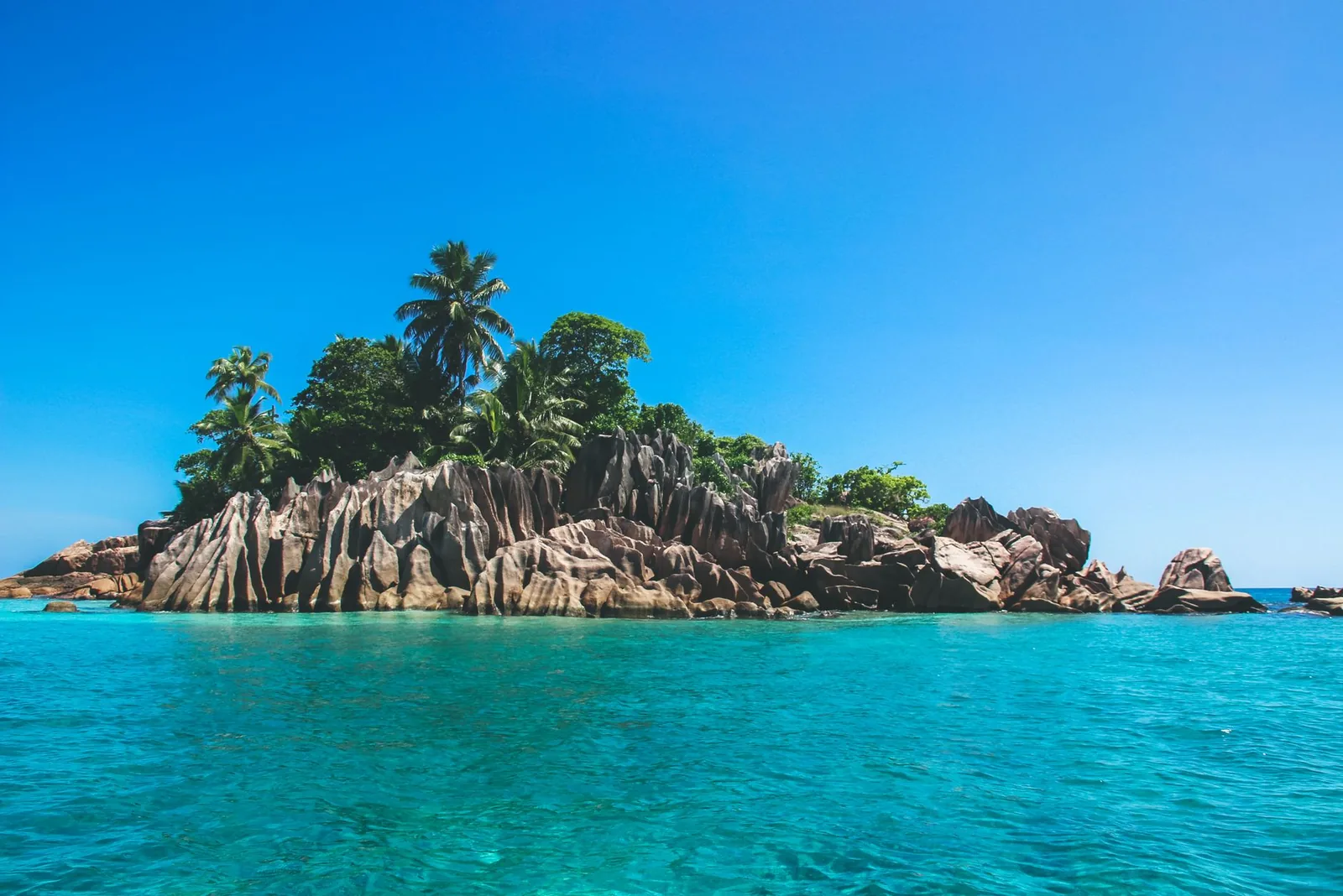
Seychelles is warm throughout the year, but trade winds influence rain, humidity, sea conditions and which beaches feel most comfortable.
From December to March, the northwest trade-wind period is generally warmer, more humid and wetter. Rain can arrive as intense showers, but lush scenery and warm water remain strong attractions. Build some flexibility into boat trips and outdoor plans.
From May to September, the southeast trade-wind period is generally drier and cooler but can be windier. Exposed beaches and sea crossings may feel rougher, particularly during the middle of this period. European summer holidays can also increase demand for accommodation and ferries.
March to May and October to November are often attractive transition periods. April and May can bring warm weather and relatively calmer seas, while October and November are commonly calmer before the wetter northwest season takes hold. These months are useful for combining beaches, hiking, snorkeling and boat trips, although showers are still possible.
There is no single perfect month for every traveler. Check current weather forecasts, sea conditions and activity availability close to departure, especially if your itinerary depends on several ferry crossings or small-island excursions.
How to Get Around Seychelles
Most itineraries rely on Mahé, Praslin and La Digue. Fast ferries connect the main islands, while Air Seychelles operates domestic flights between Mahé and Praslin. La Digue is generally reached by ferry from Mahé or Praslin.
Seychelles International Airport is on Mahé near Pointe Larue. Taxis and pre-arranged hotel transfers are available outside arrivals. Public buses can also be accessed outside the airport, but they may not be practical with large suitcases. Car-rental operators are available at the airport, and advance booking is sensible if you want to drive immediately after landing.
Buses operate on Mahé and Praslin and are useful for everyday travel. They are not designed primarily for visitors with large luggage, and space can be limited. Check current routes, fares, payment arrangements and luggage rules with the Seychelles Public Transport Corporation.
Taxis and hotel transfers are useful for airport and ferry journeys, late arrivals, luggage-heavy transfers and accommodation away from bus routes. Do not assume that an app-based rideshare network operates in the same way as it does in major cities.
Rental cars provide more flexibility on Mahé and Praslin, especially for remote beaches and trailheads. Seychelles drives on the left, and roads can be narrow, steep and winding. La Digue generally does not require a car: bicycles, walking and local transfers are the normal options.
Allow buffer time when connecting an international flight with a ferry, particularly if the tickets are separate. Weather, luggage collection and traffic around Victoria and the airport can all affect the timing.
Good to Know Before You Go
- All travelers must obtain a Seychelles Electronic Travel Authorisation before departure. Use the current official immigration channel and verify procedures, fees and required documents before traveling.
- Seychelles generally issues a visitor’s permit on arrival rather than requiring a conventional visa, but travelers need appropriate onward travel, confirmed accommodation and sufficient funds. Requirements can change by nationality and over time.
- Keep accommodation confirmations for every island or address in your itinerary.
- The local currency is the Seychelles rupee. Cards are widely useful, but cash remains important for buses, markets, small takeaways and remote areas.
- Book ferries, domestic flights, airport transfers and popular accommodation ahead of busy travel periods.
- Check wind direction and sea conditions before choosing a beach or booking a boat trip. Some beaches that look calm in photographs can have strong currents or surf.
- Do not touch coral or wildlife, stand on reefs or leave rubbish behind. Follow marine-park rules and keep a respectful distance from giant tortoises and nesting birds.
- Pack reef-appropriate swimwear, sun protection, insect repellent, a reusable water bottle, footwear for rocky beaches and a light rain layer.
- Start hikes early, carry plenty of water and confirm trail status, guide requirements and weather conditions.
- Expect higher prices than many mainland tropical destinations, especially for imported goods, resort dining, private excursions and inter-island travel.
- English, French and Seychelles Creole are used across the country, with English widely useful to visitors.
- A local SIM card can be purchased at the airport or in town. Coverage is generally good on the main islands but may be more limited on remote islands.
- Avoid planning every day around a ferry or boat connection. Weather cancellations and schedule changes are possible.
Seychelles Travel FAQ
Is Seychelles a country or an island?
Seychelles is a sovereign country and an archipelago of 115 granite and coral islands in the western Indian Ocean. The principal visitor islands are Mahé, Praslin and La Digue.
Do US citizens need a visa for Seychelles?
Seychelles generally does not require a conventional visa, but all travelers must obtain an Electronic Travel Authorisation before departure and meet the requirements for a visitor’s permit. These can include confirmed accommodation and onward-travel evidence. Check the official immigration information before booking and again before departure.
How many days do you need in Seychelles?
Seven days can cover one or two islands. Ten to 14 days is more comfortable for Mahé, Praslin and La Digue, with time for a marine-park or boat excursion. Four or five days is better treated as a single-island stay or a short Mahé-based trip.
What is the best island to stay on in Seychelles?
Mahé has the broadest range of transport, services, beaches and hiking. Praslin is strong for Vallée de Mai, beaches and nearby boat trips. La Digue is best for bicycle-based exploration and iconic coastal scenery. A multi-island itinerary usually offers a fuller experience than choosing only one island.
How do you travel between Mahé, Praslin and La Digue?
Fast ferries connect the main islands, and Air Seychelles operates domestic flights between Mahé and Praslin. La Digue is generally reached by ferry from Mahé or Praslin. Schedules, fares and baggage rules are date-specific, so check them for your travel dates.
Can you get around Seychelles without renting a car?
Yes. Buses operate on Mahé and Praslin, while taxis and hotel transfers cover many airport and ferry journeys. La Digue is especially easy to explore by bicycle and on foot. A car provides greater flexibility on Mahé and Praslin, particularly for remote beaches and trailheads.
What currency is used in Seychelles?
The local currency is the Seychelles rupee. Many hotels and established businesses accept cards, but cash is useful for markets, small takeaways, buses, local vendors and some excursions.
Is Seychelles good for families?
Yes, particularly around beaches with calmer or shallower water and accommodation with family facilities. Conditions vary by season and coast, so check currents, shade, toilets, food availability and lifeguard coverage before choosing a beach day.
Planning Your Seychelles Trip
Seychelles rewards travelers who treat it as an archipelago rather than a single beach resort. Mahé brings hiking, services and the country’s urban life; Praslin adds exceptional beaches, Vallée de Mai and access to nature excursions; La Digue delivers a slower, bicycle-based island experience.
A thoughtful itinerary leaves room for weather, sea conditions and unhurried beach time. For most visitors, combining two or three main islands over 10 to 14 days offers the best balance of scenery, wildlife, food and relaxation. Check current entry rules, transport schedules and attraction details before departure, then let the islands set the pace.
Find your stay with VibrantGateways.
Choose your travel dates and explore accommodation options for your destination.
Join the conversation
Ask a question, share a travel tip, or help another traveler plan with confidence.
Leave a comment
No account required.