
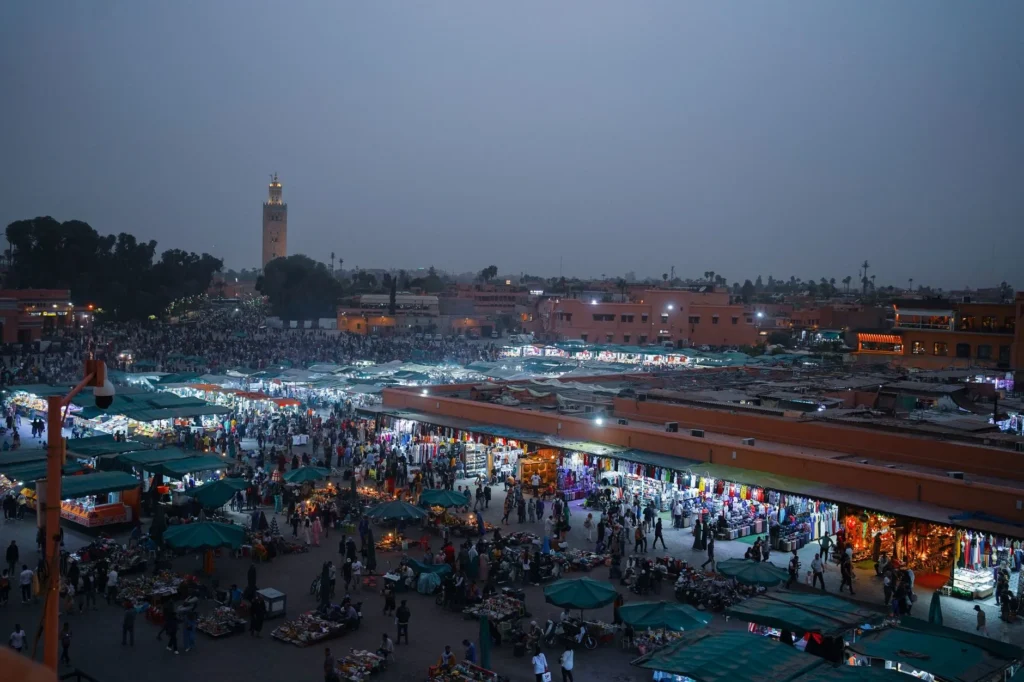
Marrakech is a city of contrasts: the centuries-old Medina gives way to contemporary galleries and restaurants, while quiet riads sit close to busy souks and the animated Jemaa el-Fna. Founded by the Almoravids in the 11th century, the city became a major political, economic and cultural centre of the western Muslim world. Today, its historic core is protected as a UNESCO World Heritage site.
Three full days is a sensible minimum for Marrakech. That gives you time for the Medina, Jemaa el-Fna, several palaces, a garden or museum, and a more relaxed meal or rooftop evening. Stay four or five days if you want to add a hammam, cooking class, time in Guéliz or Hivernage, and a day trip into the surrounding countryside.
Why Marrakech Is Worth Visiting
Marrakech is one of Morocco’s most rewarding cities for a first visit. Its main attractions are concentrated enough to explore on foot, but the experience is varied from one neighbourhood to the next.
The Medina is the essential starting point. Inside the ochre walls are narrow lanes, traditional workshops, souks, riads, historic gates and some of the city’s finest monuments. It is not simply a collection of attractions; it is a living urban district where shopping, worship, craft and everyday life overlap.
Jemaa el-Fna provides the city’s most recognisable public stage. It is relatively calm during the day, then becomes increasingly active from late afternoon, with food stalls, performers and vendors creating a changing evening scene. The square is recognised as an important cultural space and intangible heritage site.
Marrakech also suits travellers interested in architecture and design. Bahia Palace, El Badi Palace, the Saadian Tombs and Ben Youssef Madrasa reveal different aspects of Moroccan and Andalusian craftsmanship, from painted cedar and carved stucco to zellige tilework and monumental courtyards.
Beyond the historic centre, Guéliz and Hivernage offer modern restaurants, shopping, galleries, hotels and nightlife. The city is also a useful base for excursions to the Ourika Valley, Agafay, the Atlas Mountains and, with a longer day or overnight trip, Essaouira or Aït Ben Haddou.
Best Things to Do in Marrakech
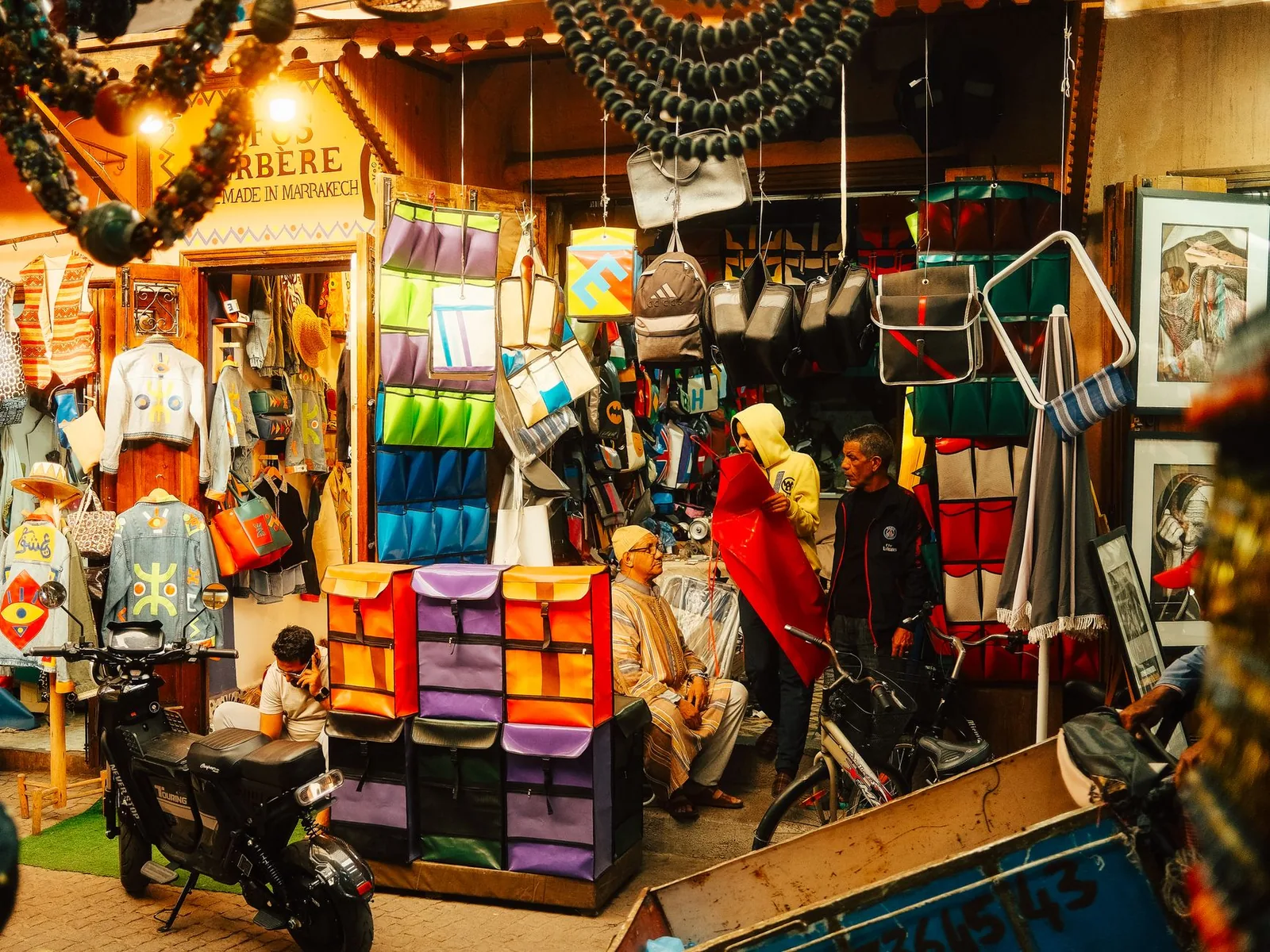
Explore the Medina and souks
Allow at least half a day to wander the Medina without trying to follow a rigid route. The historic walled city has been a UNESCO World Heritage site since 1985 and contains many of Marrakech’s most important monuments.
The souks are organised around traditional trades, although the boundaries between them can be difficult to identify. You may find leather goods, woven textiles, metalwork, baskets, ceramics, spices and decorative objects. Shopping is part of the experience, but take your time before buying and clarify prices before accepting a service or ordering anything informal.
The lanes are primarily pedestrian, though scooters, bicycles and occasional vehicles pass through. Comfortable closed shoes are useful, and a saved accommodation address or clear meeting point is more reliable than trying to navigate directly to a small riad entrance using a map pin.
Visit Jemaa el-Fna at different times of day
Jemaa el-Fna is best experienced twice. Visit in daylight to understand the layout and see the square before the evening activity builds. Return near sunset, when food stalls open and the atmosphere changes.
The square can be busy and distracting, so keep phones, wallets and bags secure. Ask permission before photographing performers or other people, and agree prices before ordering food or accepting a photograph. At the food stalls, choose busy stands with high turnover and use normal food-hygiene precautions.
Rooftop cafés around the square provide a useful vantage point, although views, menus, payment arrangements and reservation policies vary. Check details before settling in.
See Koutoubia Mosque and its gardens
The Koutoubia Mosque’s prominent minaret is one of Marrakech’s defining landmarks and an important part of the historic skyline. The surrounding gardens provide a pleasant place to pause while exploring the southern edge of the Medina.
Non-Muslim visitors should not assume that the mosque interior is accessible. The official Marrakech tourism guidance states that non-Muslims cannot enter Koutoubia Mosque, although the surrounding gardens can be visited. Access rules can change, so check locally rather than relying on old travel information.
Koutoubia is close to Jemaa el-Fna and can easily be included at the beginning or end of a Medina walking route.
Compare Bahia Palace and El Badi Palace
Bahia Palace is known for its courtyards, gardens, painted cedar ceilings, carved stucco and zellige decoration. It dates from the late 19th century and offers a detailed look at Moroccan-Andalusian craftsmanship. Its location near the Mellah makes it easy to combine with the southern Medina.
El Badi Palace offers a very different experience. The former royal palace is now an atmospheric set of ruins, with broad courtyards, remaining walls, sunken areas and storks nesting on the ramparts. Much of the visit is outdoors, so choose a cooler part of the day and bring sun protection.
The two palaces can be visited with the Saadian Tombs, Place des Ferblantiers and the Kasbah. Admission arrangements, opening times and restoration work can change, so check current information before setting out.
Visit the Saadian Tombs
The Saadian Tombs form a royal necropolis associated with Sultan Ahmad al-Mansur and other Saadian rulers. The decorated chambers include the famous Hall of Twelve Columns, while the surrounding spaces contain further graves and architectural details.
The principal chamber can attract queues. Visit early or plan around the busiest part of the day, and verify current hours before travelling because monument schedules are subject to change.
Admire Ben Youssef Madrasa
Ben Youssef Madrasa is one of the Medina’s most visually striking historic buildings. The former religious school has a large courtyard, detailed stucco, zellige and cedar decoration, with former student rooms arranged over two floors.
Its position in the northern Medina makes it a natural pairing with the souks and Marrakech Museum. The surrounding lanes can be confusing, so choose a clear route or consider a licensed walking tour if you want historical context as well as orientation. Check reopening status, ticketing and hours before visiting.
Make time for Marrakech’s gardens
Marrakech’s gardens offer a welcome change of pace after the souks.
Majorelle Garden is the city’s best-known garden, with plants from several continents and distinctive blue-painted architectural details. The adjoining Berber Museum focuses on Amazigh culture. The Yves Saint Laurent Museum is nearby in Guéliz, making the two museums and garden easy to combine. Online booking is recommended because entry is managed around availability and selected time slots. Prices and ticket combinations should be checked through the current official ticketing channel.
The Secret Garden, in the Medina, is a more compact retreat with Islamic garden design, water features and a quieter atmosphere. It works particularly well as a break during a day of souk exploration.
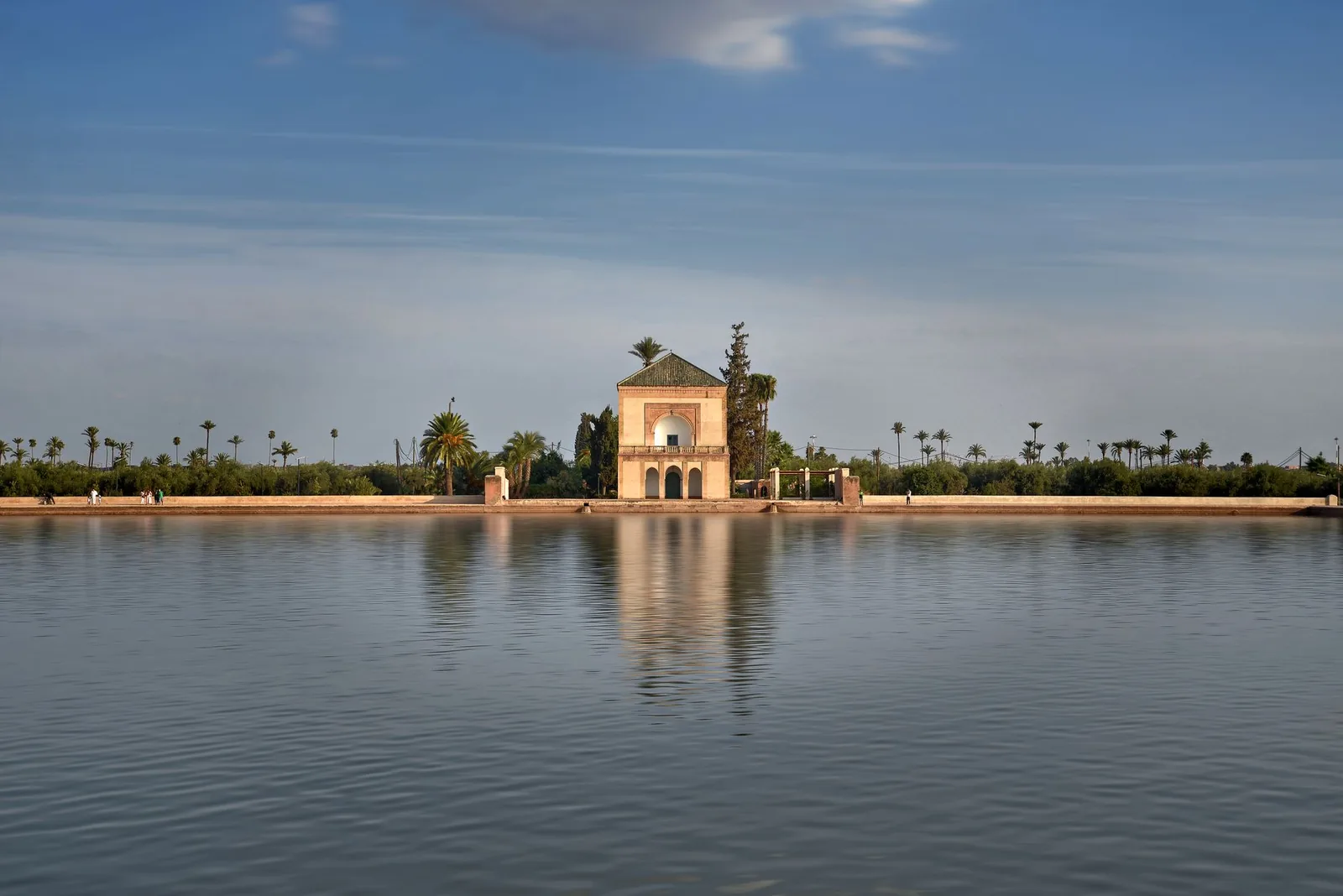
Menara Gardens are more open and spread out, with olive groves, a large basin and a pavilion framed by views towards the Atlas Mountains. Visit in the morning or late afternoon, as the site is exposed to sun. Admission information and hours should be verified because published details can change.
Agdal Gardens are another historic garden area south of the city, but public access arrangements may vary. Check current information before making a special journey.
Add a museum or design-focused stop
Marrakech Museum occupies the Dar Mnebhi Palace and presents Moroccan art and architecture in a traditional Hispano-Moorish setting. It is close to Ben Youssef Madrasa, so it fits neatly into a northern Medina itinerary.
For a more contemporary perspective, combine Majorelle Garden with the Yves Saint Laurent Museum in Guéliz. Exhibition schedules, opening hours and combined tickets can change, so verify the details for your dates.
Best Areas to Stay in Marrakech
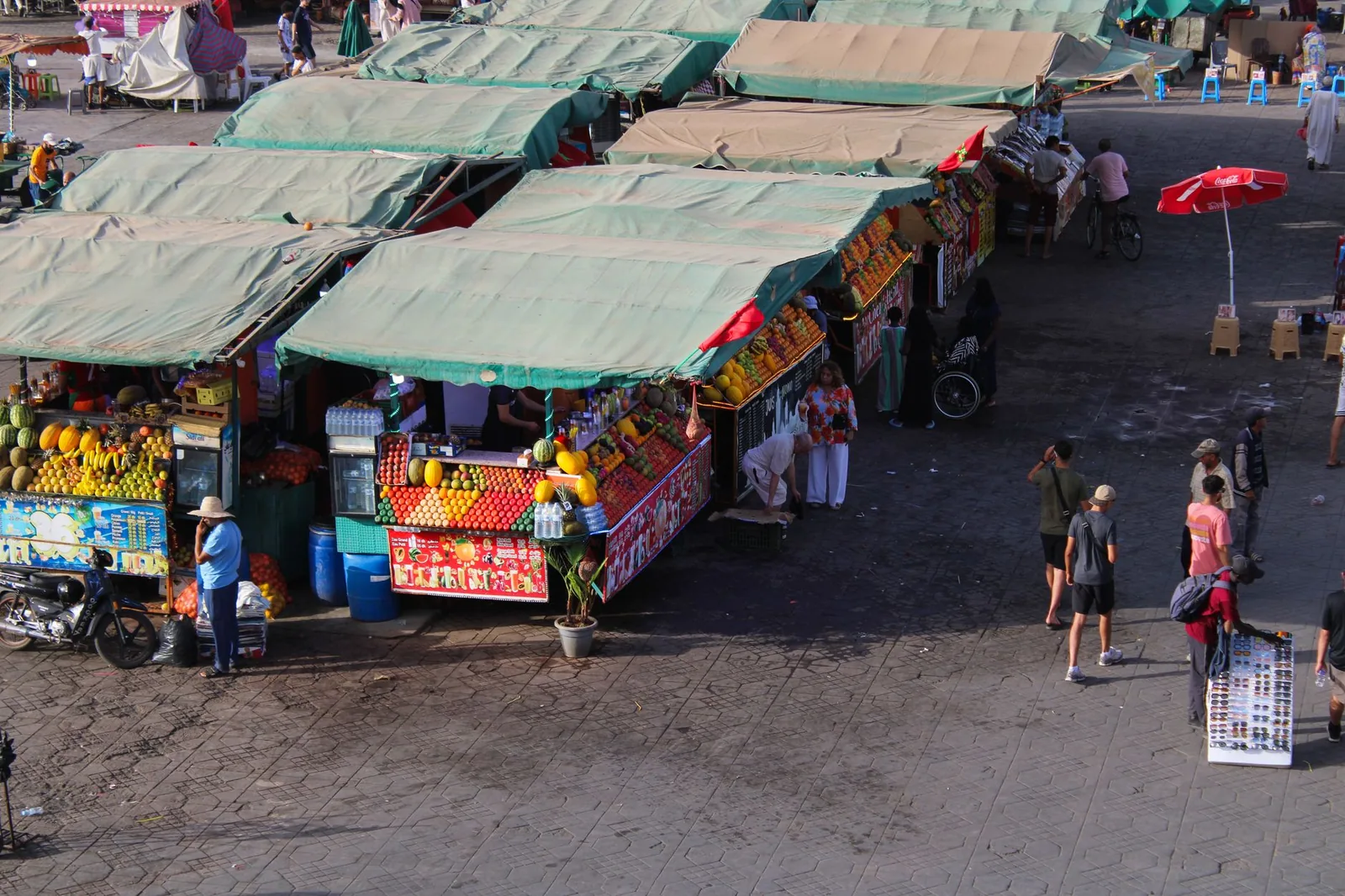
Medina
Choose the Medina if you want traditional architecture, souks, Jemaa el-Fna and easy access to the main historic sights. Riads are the characteristic accommodation here, often arranged around an interior courtyard.
The trade-off is access. Cars may not be able to reach a small riad directly, and your accommodation may be several minutes’ walk from the nearest vehicle drop-off. Arrange a clear meeting point and save the address offline before arrival.
Kasbah
The Kasbah is a useful southern Medina base near the Saadian Tombs, El Badi Palace, Bab Agnaou and other royal-era monuments. It has the historic atmosphere of the old city while being slightly removed from the busiest part of the souks.
Mellah
The former Jewish quarter lies near Bahia Palace and the southern Medina sights. It is a practical choice for travellers who want access to the palace district, markets and historic streets without staying immediately beside Jemaa el-Fna.
Guéliz
Guéliz is Marrakech’s modern city district, with broad avenues, contemporary shops, restaurants, galleries and easier vehicle access. It is also convenient for Majorelle Garden and the Yves Saint Laurent Museum.
Stay here if you prefer a more conventional city environment, want a wider choice of modern dining or expect to use taxis regularly.
Hivernage
Hivernage is a modern, hotel-oriented district associated with luxury accommodation, restaurants, nightlife and Mohammed VI Avenue. It suits travellers prioritising hotel facilities and evening dining over immediate access to the souks.
Agdal and Palmeraie
Agdal, south of the centre, has resort hotels, shopping and access towards the gardens and Menara area. Palmeraie is more dispersed and associated with resorts and leisure activities. Both areas generally require transport for the Medina and central sights.
Local Food and Drink
Marrakech is a strong destination for food-focused travel. Start with tanjia, a dish particularly associated with the city. Traditionally, lamb or veal is slow-cooked in a terracotta jar. Ask restaurants how the dish is prepared and whether advance notice is needed.
Moroccan tagine is another essential, with versions based on meat, poultry or vegetables and combinations such as plums, apricots, nuts and spices. Couscous is a staple, although availability and serving traditions vary between restaurants.
Mint tea is part of everyday Moroccan hospitality and is widely available in riads, cafés, restaurants and market stalls. Moroccan pastries and sweets often feature almonds, honey and other rich ingredients; travellers with allergies should ask specifically about ingredients.
Jemaa el-Fna’s evening food stalls offer a lively introduction to Moroccan street food. Choose stalls with high turnover, check prices before ordering and use normal hygiene precautions. Rooftop dining around the Medina is another appealing option, but confirm whether a venue accepts cards, serves alcohol and requires reservations.
When to Visit Marrakech
The Moroccan tourism board identifies March to May and September to November as the most favourable periods for visiting Marrakech. These months are generally more comfortable for walking, gardens and excursions than the height of summer.
Spring: March to May
Spring is one of the best seasons for sightseeing. Conditions are usually more comfortable than in midsummer, making it easier to combine Medina walks with palaces and gardens. Temperatures and rainfall can vary, so check the forecast close to departure and pack a light layer.
Summer: June to August
Summer can be extremely hot, especially in the afternoon. Plan outdoor sightseeing early, take a long midday break and reserve evenings for markets, restaurants or rooftop cafés. A riad with a pool, a hotel with shaded areas or time set aside for spa treatments can make a summer visit more comfortable.
Check attraction schedules before travelling, as some venues may adjust arrangements during periods of intense heat.
Autumn: September to November
Autumn is another recommended period. September may still be very hot, while October and November are often more comfortable for walking and day trips. Build flexibility into your itinerary and avoid assuming that every day will have identical conditions.
Winter: December to February
Winter days are generally mild, but evenings can be cool and rain is possible. Pack layers rather than relying only on warm-weather clothing. Attraction hours may also change around holidays, restoration work or Ramadan, whose dates move each year.
Getting Around Marrakech
The Medina is primarily a walking destination. Its narrow, uneven lanes are not practical for sightseeing by car, and GPS can be unreliable inside the souks. Walking is the simplest way to connect Jemaa el-Fna, Koutoubia, the palaces, Mellah and Kasbah.
Taxis are useful for Guéliz, Hivernage, Majorelle Garden, Menara, Palmeraie, the airport and hotels outside the old city. Marrakech taxis are generally tan-coloured. Use registered taxis, ask for the meter where appropriate and clarify the fare before setting off if the meter is not being used. Be cautious with unmarked vehicles and rideshare arrangements, whose availability and practices can change.
Marrakech has city buses, but current routes, fares and service quality should be checked locally. Many visitors find walking, registered taxis or prearranged transfers more straightforward, particularly when carrying luggage.
A rental car is usually unnecessary in central Marrakech and can be inconvenient around the Medina. It may make sense for independent exploration of rural areas, but consider traffic, parking, insurance, navigation and road conditions. For day trips, compare a reputable private driver with an organised excursion rather than assuming self-drive will be easiest.
Arriving at Marrakech-Ménara Airport
Marrakech-Ménara Airport, code RAK, is approximately 3.5 kilometres from the city centre. The airport authority lists a taxi station with fares posted for destinations and a city-airport shuttle service. The shuttle is reported to operate every 20 minutes, but confirm its current route, stops, operating hours and fare before arrival.
A prearranged transfer can be particularly useful if you are staying in a Medina riad. The vehicle may not be able to reach the accommodation, so confirm the precise drop-off point and whether someone will help with the final walk or luggage.
Which Marrakech experience would you most want to build your trip around?
Best Day Trips from Marrakech
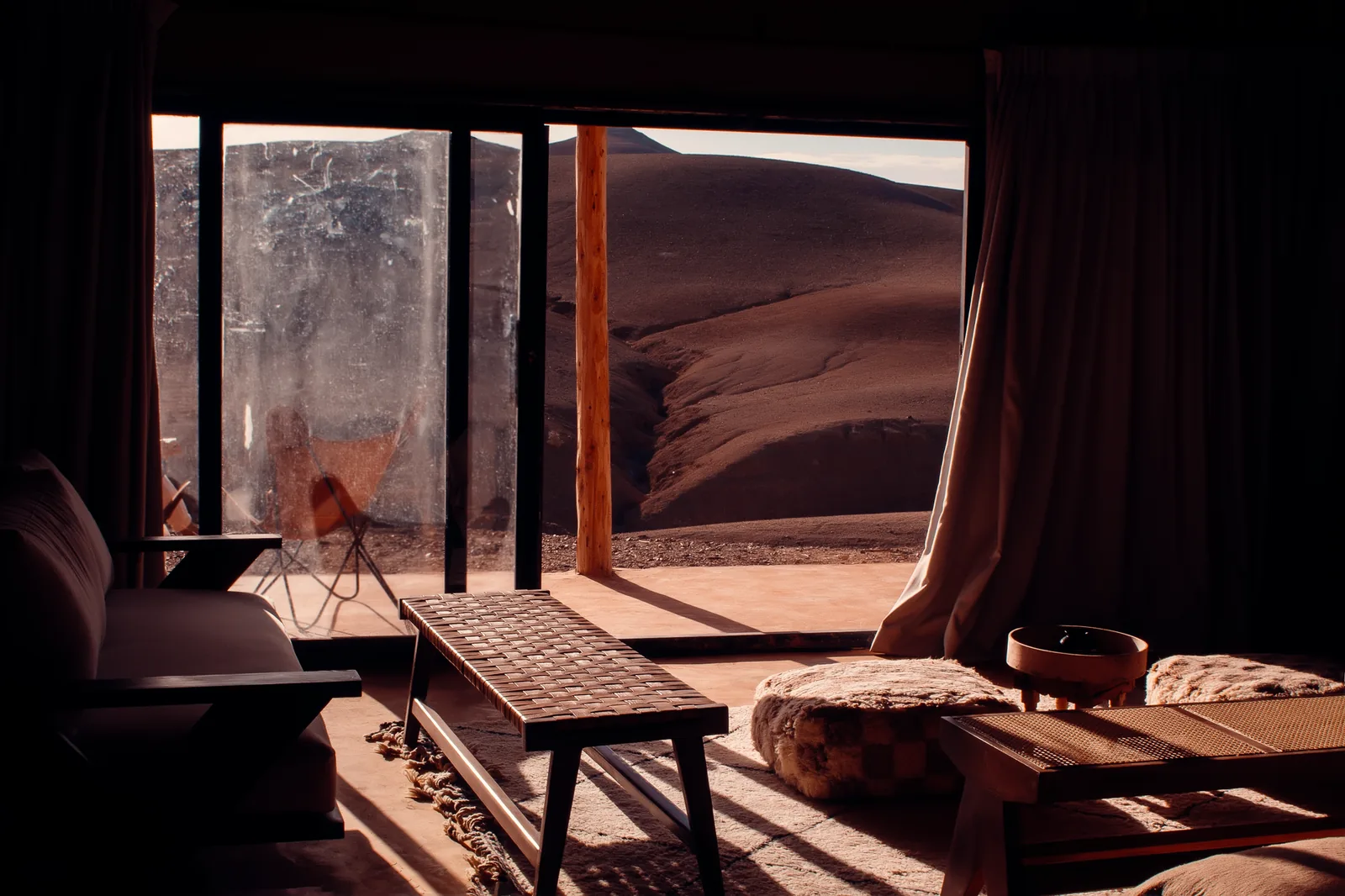
Agafay Desert
Agafay is a rocky desert landscape within reach of Marrakech and works well for sunset, dinner, an overnight camp or selected adventure activities. The tourism board places it at about 45 minutes from the city, but the actual journey depends on the camp, traffic and route.
Check what is included in any booking, including transfers, meals, activities and accommodation standards. Agafay is not the same landscape as the Sahara, but it offers a convenient desert-style experience during a short city break.
Ourika Valley
The Ourika Valley provides mountain scenery, villages, riverside stops and a glimpse of rural landscapes south of Marrakech. The approximate journey time is about an hour, although traffic, road conditions and the exact destination affect the schedule.
Ask about walking distances, guide arrangements and lunch stops before booking. Conditions can vary by season.
Atlas Mountains and Imlil
Imlil and the surrounding Atlas Mountains are suited to travellers seeking village visits, mountain scenery and hiking. Arrange a reputable local guide where needed and check fitness requirements, weather, altitude and road conditions. A mountain day should not be treated as a standard sightseeing transfer; the itinerary and difficulty need to match your experience.
Essaouira
Essaouira offers a contrasting Atlantic setting, with a historic medina, seafront, harbour and more relaxed atmosphere. The journey from Marrakech is estimated at about two and a half hours, but traffic and stops can make it longer. It is possible as a long day trip, though an overnight stay gives the coastal city more justice.
Aït Ben Haddou and Ouarzazate
Aït Ben Haddou and Ouarzazate make a much longer excursion across the High Atlas. The UNESCO-listed ksar at Aït Ben Haddou is the principal draw, but the drive itself forms a substantial part of the experience. This route is often more comfortable as an overnight trip than a rushed return in one day. Check road conditions and the total time included in the itinerary.
Lalla Takerkoust
Lalla Takerkoust is a reservoir and countryside area south of Marrakech, suited to scenery, outdoor activities and rural restaurants. Activities and water conditions vary seasonally, so confirm what is available for your dates.
Good to Know Before You Go
- Carry small Moroccan dirham notes and coins for taxis, small purchases and tips.
- Confirm prices before ordering from informal stalls, accepting services or taking photographs involving performers.
- Keep phones, wallets and bags secure in Jemaa el-Fna, the souks and other crowded areas.
- Dress respectfully, particularly near religious sites and during Ramadan.
- During Ramadan, restaurant hours and public routines may change. Eating, drinking, smoking or chewing gum in public during daylight can cause offence.
- Ask permission before photographing people, children, performers or private spaces. Do not photograph sensitive government, diplomatic or military sites without authorisation.
- Check current attraction websites or venue listings for prices, time slots, opening hours and temporary closures.
- Book Majorelle Garden in advance when possible.
- Use reputable licensed guides for Medina tours and qualified operators for hiking, ballooning, quad biking or other adventure activities.
- Avoid carrying or using a drone unless you have obtained the required Moroccan authorisation.
- Keep accommodation details saved offline because drivers and map applications may not identify small riad entrances accurately.
- Wear comfortable shoes and use sun protection, particularly in summer.
- Check current entry requirements, health guidance, insurance conditions and travel advisories before departure.
The most common planning mistake is trying to see everything in one day. Group nearby sights together: Ben Youssef Madrasa with the northern souks, or Bahia Palace, El Badi Palace and the Saadian Tombs in the southern Medina. Do not rely on old blog posts for prices, schedules or ticket rules, and check whether restoration work, festivals or Ramadan will affect your dates.
Marrakech Travel FAQ
How many days do you need in Marrakech?
Three full days is a sensible minimum for the Medina, Jemaa el-Fna, major palaces, gardens and one or two museums. Four to five days allows a slower pace, a hammam or cooking class, time in Guéliz and a day trip.
What is the best time to visit Marrakech?
March to May and September to November are the recommended periods overall. Summer is very hot, while winter days are generally mild and evenings can be cool.
Is Marrakech walkable?
The principal Medina sights are highly walkable, but the lanes can be narrow, uneven and confusing. Walking is less practical for Majorelle Garden, Menara, Palmeraie and distant resorts, where taxis or transfers are useful.
Is Marrakech safe for tourists?
Marrakech is a major tourist destination, but visitors should exercise increased caution, protect belongings in crowded areas, use registered taxis and avoid isolated or poorly lit places at night. Check your own government’s current travel advisory before departure.
Can non-Muslims visit Koutoubia Mosque?
The official Marrakech tourism guidance states that non-Muslims cannot enter Koutoubia Mosque, although the surrounding gardens can be accessed. Verify current local arrangements.
Do you need to book Majorelle Garden in advance?
Advance online booking is recommended because availability may depend on selected time slots. Check the current official ticketing channel for prices, hours and museum combinations.
How far is Marrakech airport from the city?
Marrakech-Ménara Airport is approximately 3.5 kilometres from the city centre. Taxis and an airport-city shuttle are listed by the airport authority, but current routes, fares and operating times should be confirmed.
What food is Marrakech known for?
Tanjia is particularly associated with Marrakech. Also look for tagine, couscous, Moroccan pastries, mint tea and evening street food around Jemaa el-Fna.
Before You Go
Marrakech rewards travellers who leave room for both structure and spontaneity. Plan the major monuments, reserve time for gardens and museums, then allow yourself to get slightly lost in the souks or linger over tea on a rooftop. Three days covers the essentials; a longer stay gives the city more space to unfold and makes it easier to add the Atlas Mountains, Agafay or Morocco’s Atlantic coast.
Find your stay with VibrantGateways.
Choose your travel dates and explore accommodation options for your destination.
Join the conversation
Ask a question, share a travel tip, or help another traveler plan with confidence.
Leave a comment
No account required.