
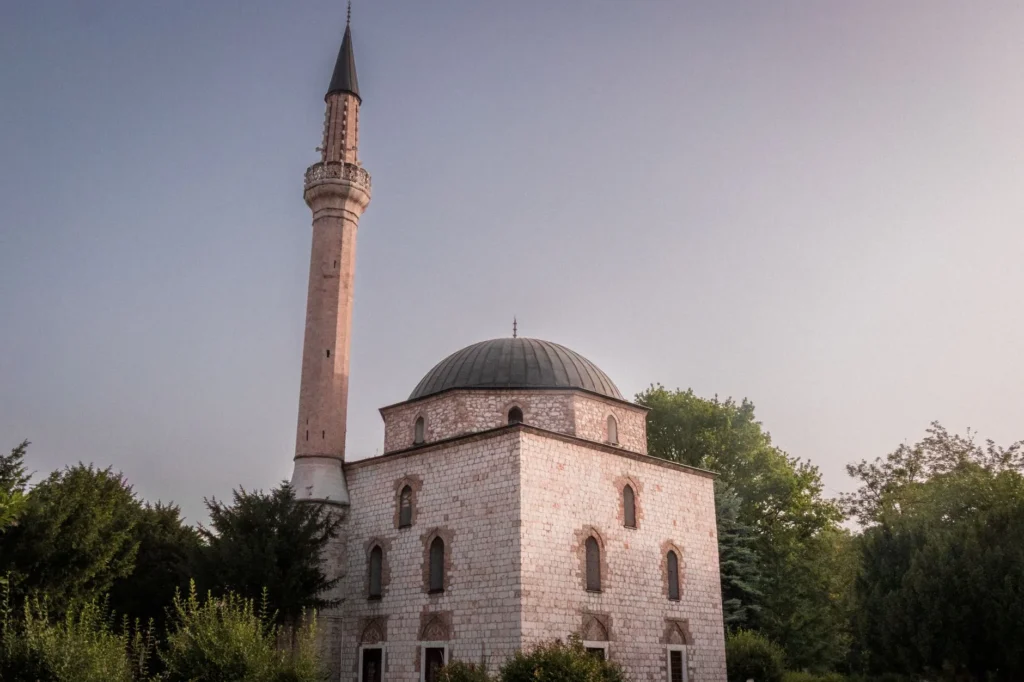
Sarajevo is one of Europe’s most rewarding short-break destinations. In the space between Baščaršija and Marijin Dvor, Ottoman market streets give way to Austro-Hungarian boulevards, religious buildings stand close together and layers of Yugoslav and wartime history remain visible. Beyond the center, the city opens into river valleys, wooded hills and mountain landscapes.
Three full days is a practical length for a first visit: spend two days exploring the central museums, streets and historic landmarks, then use a third for Ilidža, Vrelo Bosne, the Tunnel of Salvation or Trebević. Four or five days allow a slower pace and longer excursions into the surrounding mountains.
Why Sarajevo Is Worth Visiting
Sarajevo is compact enough to explore largely on foot, but its story is unusually broad. The city’s historic core reflects centuries of Ottoman influence, while Ferhadija and Marijin Dvor reveal the Austro-Hungarian transformation that followed. Mosques, an Orthodox cathedral, a Catholic cathedral and Jewish heritage sites sit within a relatively small central area, making Sarajevo an excellent destination for travelers interested in architecture and religious history.
The city also offers a direct way to understand major events of modern European history. Latin Bridge is associated with the 1914 assassination of Archduke Franz Ferdinand and Sophie. Museums and landmarks connected with the 1992–1995 Siege of Sarajevo explain the experience of the city during the war without reducing it to a single historical episode.
Food is another strong reason to visit. Ćevapi, burek, other filled pastries, Bosnian coffee, baklava and home-style cooked dishes are easy to find, particularly around Baščaršija. Sarajevo’s cafés are part of the rhythm of the city, not simply places to stop between attractions.
The surroundings add a useful outdoor dimension. Ilidža and Vrelo Bosne provide an easy green escape, while Trebević, Bjelašnica and Igman offer mountain scenery and Olympic associations. Sarajevo works particularly well for travelers who want culture and history without giving up access to nature.
Best Things to Do in Sarajevo
Explore Baščaršija and the Sebilj Fountain
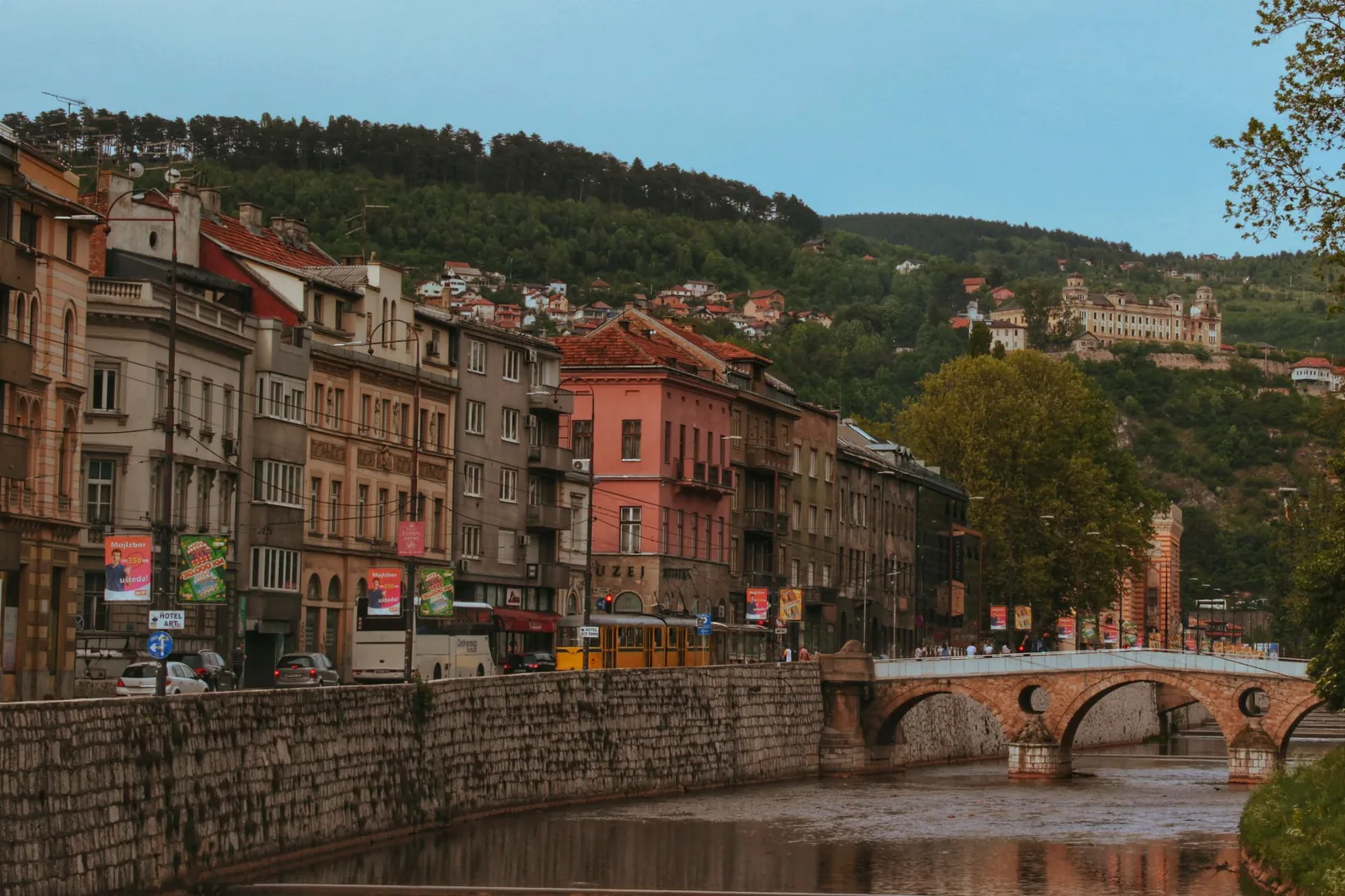
Begin in Baščaršija, Sarajevo’s historic Ottoman market district. Its cobbled lanes are lined with craft workshops, cafés, restaurants and small shops, while the Sebilj wooden fountain acts as the visual center of the area. The district developed mainly during the 15th and 16th centuries and remains the best place to get a first sense of Sarajevo’s older urban character.
Explore without a strict route. Look for traditional copperware, pause for coffee and compare the quieter side streets with the busier lanes near the fountain. The uneven cobbles can be awkward for wheeled luggage and some footwear, but the area is highly walkable.
Baščaršija is also the natural starting point for a food-focused afternoon. Try ćevapi at a traditional grill, pick up burek or another type of pita, then finish with Bosnian coffee or a syrupy dessert.
Visit the Gazi Husrev-beg Mosque and Complex
The Gazi Husrev-beg Mosque is one of Sarajevo’s most important Ottoman monuments. It forms part of a wider 16th-century religious and civic complex associated with Gazi Husrev-beg’s endowments and stands at the heart of Baščaršija.
This remains an active place of worship, so visitors should dress modestly, follow posted rules and avoid entering during restricted prayer periods unless permitted. The surrounding streets and complex are worth seeing even if you do not enter the mosque. Allow time to notice the relationship between religious buildings, courtyards, shops and historic lanes.
Follow the Meeting of Cultures through Ferhadija
The Meeting of Cultures marker is a simple but effective way to understand Sarajevo’s central geography. It marks the visible transition between the Ottoman character of Baščaršija and the Austro-Hungarian urban fabric farther west.
Continue along Ferhadija, one of the main pedestrian streets, and look for the Cathedral of the Sacred Heart, the Orthodox Cathedral and nearby Jewish heritage sites. The route is short, but it illustrates the city’s religious diversity particularly well. The Eternal Flame, farther along the central pedestrian zone, commemorates the liberation of Sarajevo during the Second World War.
See Vijećnica and Latin Bridge
Sarajevo City Hall, known as Vijećnica, is one of the city’s most recognizable buildings. Completed in 1896 during the Austro-Hungarian period, it later housed the National and University Library and was badly damaged during the 1992 war. The restored building reopened in 2014.
Check current opening hours, exhibitions and admission arrangements before visiting, as these can change. Even from outside, the building is an important stop on a walk beside the Miljacka River.
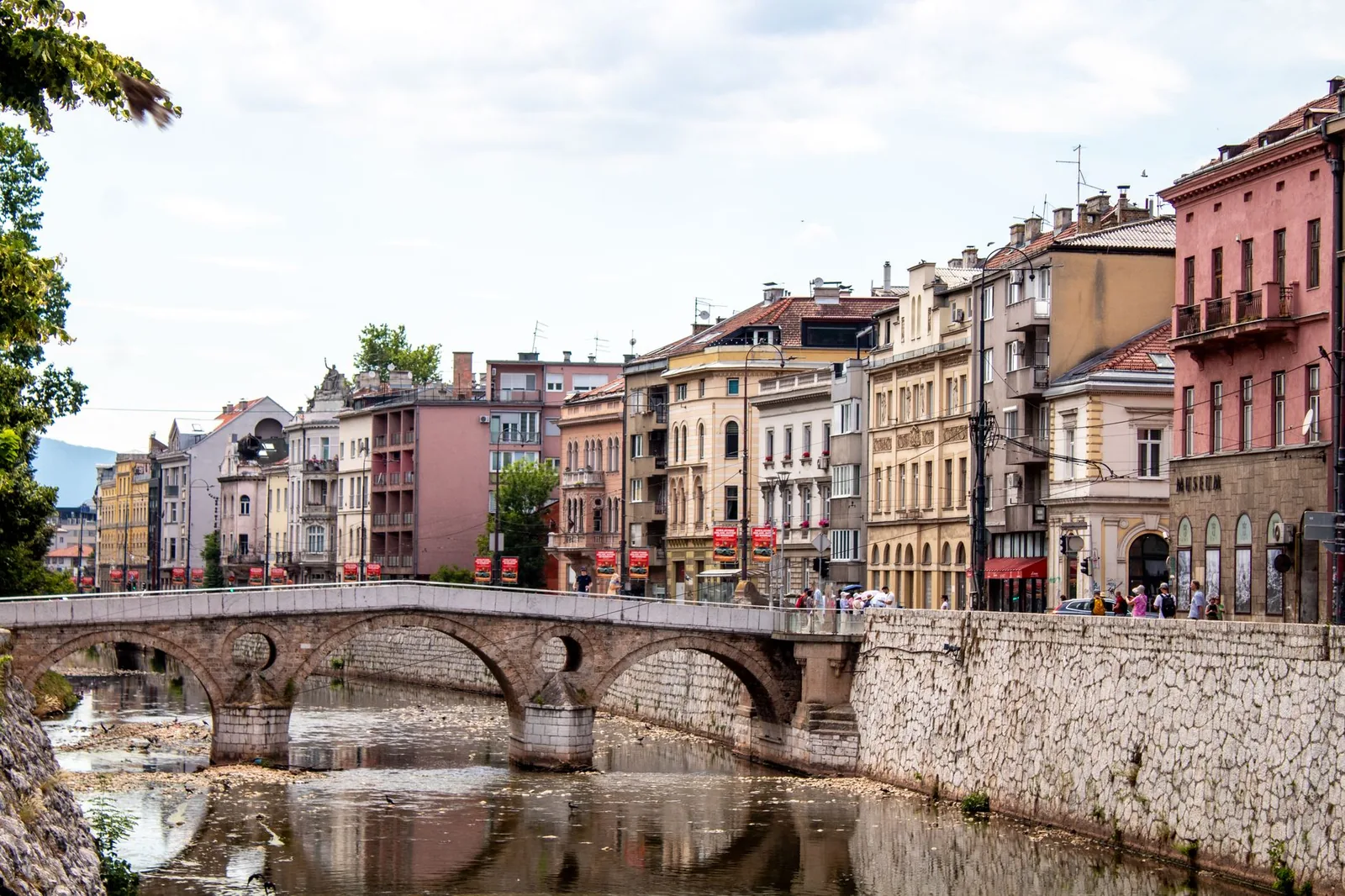
Nearby Latin Bridge and the Museum of Sarajevo 1878–1918 are associated with the assassination of Archduke Franz Ferdinand and Sophie on June 28, 1914. The bridge can be viewed freely from the street, while museum access and displays should be checked separately. This is a place where the city’s architecture and political history meet in a particularly concentrated way.
Make Time for Sarajevo’s Museums
The History Museum of Bosnia and Herzegovina is one of the most useful places to understand modern Sarajevo. Its collections include material relating to wartime Sarajevo and the Siege of Sarajevo. The museum is outside the Old Town, near Marijin Dvor, so combine it with the National Museum or a walk along the riverfront.
The National Museum of Bosnia and Herzegovina covers archaeology, natural history, ethnology and the country’s wider cultural story. Its complex is close to the History Museum and is worth including for travelers who want a broader view of Bosnia and Herzegovina rather than a solely urban itinerary.
Museum hours, exhibitions, admission fees and occasional closures can change. Check each institution directly before building a tightly timed day around it.
Learn about the Siege at the Tunnel of Salvation
The Sarajevo War Tunnel Museum, commonly called the Tunnel of Salvation, preserves part of the tunnel built during the Siege of Sarajevo. It connected the besieged city with the outside world and allowed supplies to enter during the war.
The site is near Ilidža and Sarajevo Airport, not in the central walking area. A licensed taxi, carefully planned public-transport connection or organized history tour is usually more practical than trying to fit it casually between Old Town attractions. Allow time for the journey and verify current opening arrangements before setting out.
The tunnel is particularly meaningful when paired with the History Museum. Together, the two sites provide more context than either one viewed in isolation.
Climb toward the Yellow and White Fortresses
The Yellow Fortress and White Fortress sit above the old city and provide elevated views across Sarajevo’s valley. The Yellow Fortress is especially popular around sunset, while both sites help explain the defensive geography of the historic city.
The approaches include steep streets and uneven surfaces, so allow more time than the map may suggest. Go in daylight if you are unfamiliar with the hillside neighborhoods, and check current access arrangements. Vratnik, the historic residential area around the fortifications, is also worth exploring for its lanes, houses and changing views over the city.
Walk or Ride into Trebević
Trebević combines forest scenery, views over Sarajevo and reminders of the 1984 Winter Olympics. The former Olympic bobsleigh track is one of the area’s most distinctive landmarks, although it is important to stay on marked routes and avoid entering abandoned or unmarked structures.
The Sarajevo Cable Car may be useful if operating, but its status should be confirmed before you rely on it. Weather, trail conditions and seasonal access also affect the experience. If conditions are poor, Trebević is better treated as an optional excursion rather than the fixed centerpiece of your itinerary.
Where to Stay in Sarajevo
Find places to stay. Search stays on VibrantGateways →
Baščaršija and the Old Town
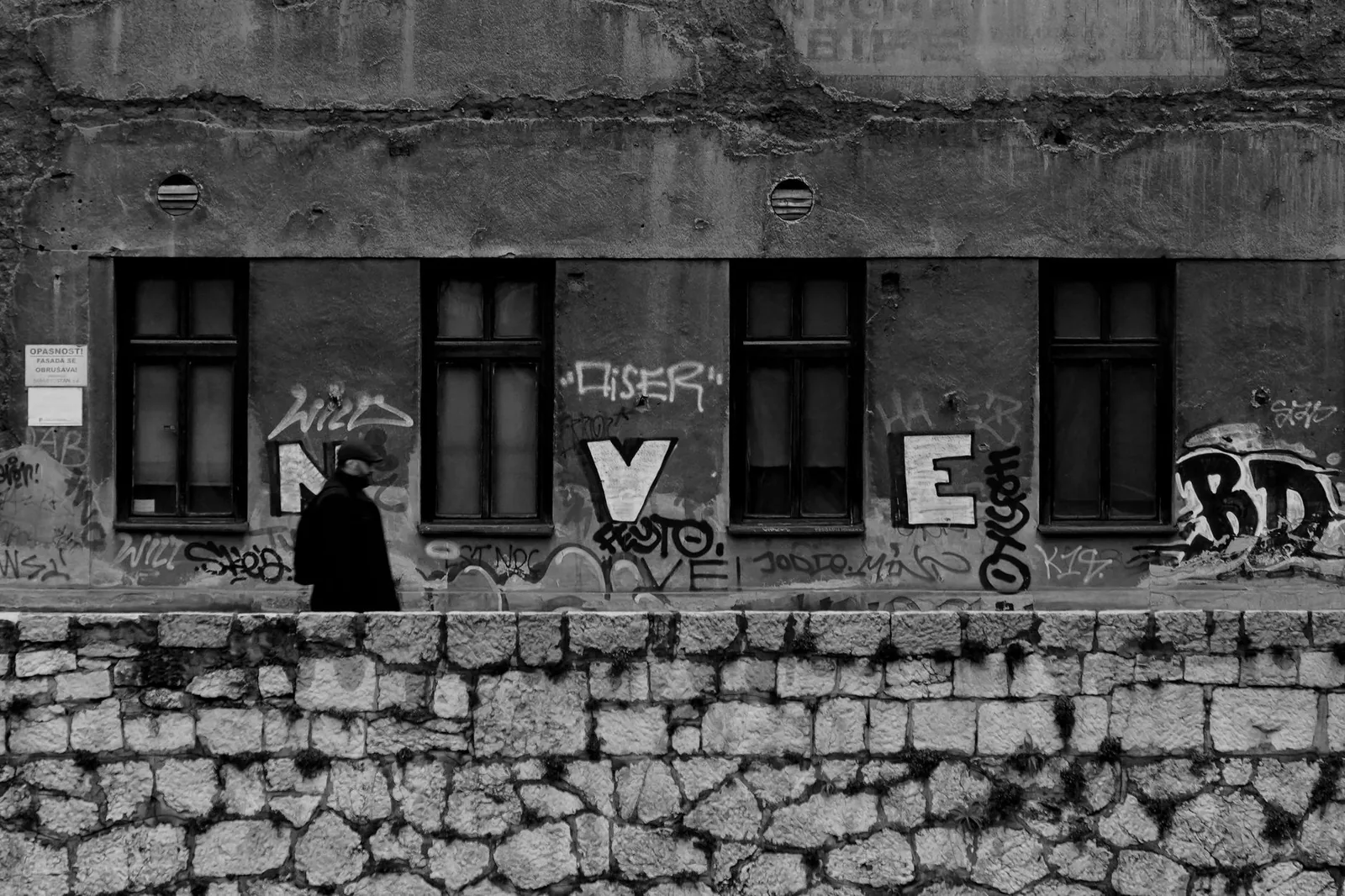
This is the best base for first-time visitors who want historic streets, traditional restaurants, cafés and many major sights close by. You can walk to the Gazi Husrev-beg Mosque, Sebilj Fountain, Latin Bridge and several museums. Expect more pedestrian traffic, uneven streets and a livelier atmosphere in the evenings.
Ferhadija and the Central Pedestrian Zone
Staying around Ferhadija places you between the Ottoman Old Town and the Austro-Hungarian center. The area has shops, cafés and easy walking access to the Meeting of Cultures marker, the Eternal Flame and central religious landmarks. It is a good compromise if you want a central location without being directly in the busiest market lanes.
Marijin Dvor
Marijin Dvor is useful for travelers interested in museums, 20th-century architecture and a slightly more spacious central setting. The National Museum and History Museum are nearby, and the area connects conveniently with the historic center by foot or public transport.
Bistrik and Alifakovac
These hillside neighborhoods are close to Vijećnica, the river and the routes leading toward the fortifications. They can offer quieter lanes and attractive views, but steep streets make them less convenient for heavy luggage or travelers with limited mobility.
Ilidža
Ilidža suits visitors who prefer a greener setting or plan to spend time at Vrelo Bosne, the Tunnel of Salvation or nearby thermal facilities. It is farther from the historic core, so factor in transport time for evening meals and central sightseeing. The district’s Austro-Hungarian villas and Velika Aleja tree-lined avenue add interest beyond the natural attractions.
What to Eat in Sarajevo
Sarajevo is an excellent city for eating casually. You do not need a formal restaurant itinerary to try the essentials, although a traditional meal is worthwhile.
Ćevapi are small portions of grilled minced meat served in flatbread, usually with chopped onion and a dairy accompaniment such as kajmak. Baščaršija is the most obvious area for trying them, with several long-established grill restaurants.
Burek and other pite are filled pastries commonly eaten as a quick meal. Burek traditionally contains meat, while cheese, spinach and potato versions are also widely available. Specialist buregdžinicas are a useful choice when you want something inexpensive and local.
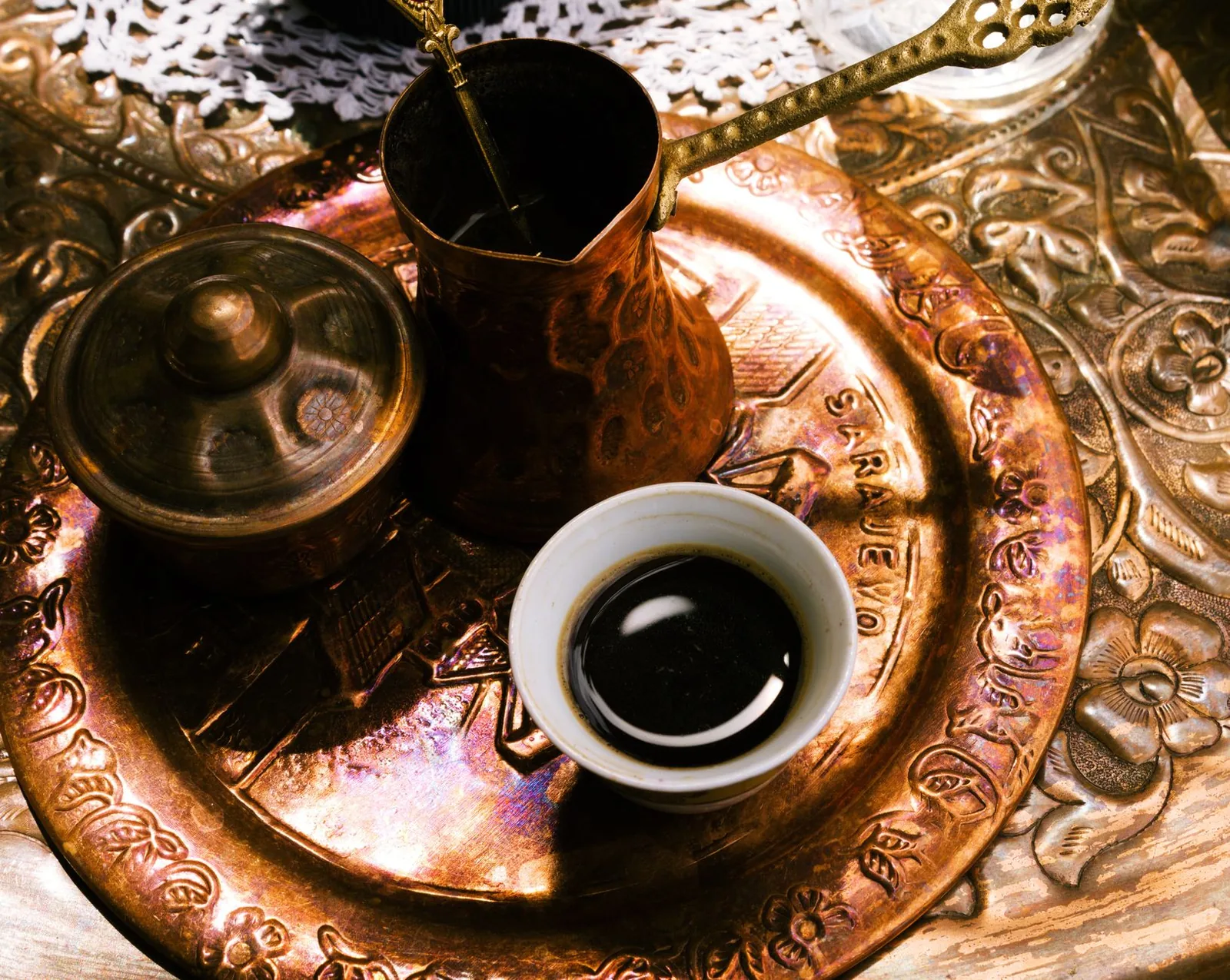
Bosnian coffee is prepared in a džezva and served in a small cup, often with a sweet accompaniment. It is intended to be enjoyed slowly rather than consumed as a takeaway drink.
Baklava and other traditional sweets reflect the city’s Ottoman culinary influence. Look in confectionery shops and cafés around the Old Town.
For a more substantial meal, try an aščinica, a traditional casual eatery serving cooked Bosnian dishes. Menus may include soups, stews, stuffed vegetables and other home-style food, alongside the city’s familiar grilled meats.
Fruit brandies and other regional drinks are part of the wider Balkan food culture. Ask about ingredients and strength before ordering, particularly if you are unfamiliar with rakija.
Best Time to Visit Sarajevo
Late spring and early autumn usually offer a good balance of comfortable walking weather, greenery and manageable conditions. Exact weather varies from year to year, so check the forecast before booking outdoor excursions.
Spring: Spring is attractive for city walks, parks and nearby nature. Heavy rain, flooding and landslides can occur from April to June, so check road and trail conditions before traveling into the mountains or countryside.
Summer: Summer is generally suitable for sightseeing, café terraces and mountain excursions, although daytime heat is possible. Outdoor attractions can be busy, and you should confirm current schedules for museums, transport and cable-car services.
Autumn: Early autumn often brings pleasant walking conditions and good colors in the surrounding hills. Heavy rain and landslides can occur from October to November, so verify conditions for rural roads and hikes.
Winter: Winter gives Sarajevo a different atmosphere and can be useful for nearby skiing and mountain sports. Snow, ice and dense fog may affect roads, public transport and flights, particularly at Sarajevo Airport. Build flexibility into your plans and check conditions shortly before traveling.
How to Get Around Sarajevo
The central area is compact and walking is usually the most efficient way to connect Baščaršija, Ferhadija, Latin Bridge, the riverfront and Marijin Dvor. Wear comfortable shoes: cobblestones, hills and uneven pavements are common around the older neighborhoods.
GRAS operates trams, trolleybuses, buses and minibuses in Sarajevo and the surrounding area. Public transport is useful for Ilidža, museums farther west, the airport area and some suburban destinations. GRAS fares and ticket conditions can change, so check current information before travel rather than relying on an old fare table.
Licensed taxis are practical for the airport, Tunnel of Salvation and some mountain sites. Use clearly marked vehicles and ask for the meter. Ride-sharing services are not generally available, so do not assume that an app-based alternative will be waiting when you arrive. Card acceptance varies, although Sarajevo Taxi has introduced card payment at the airport; carry convertible marks for other journeys.
A car is unnecessary in central Sarajevo and can be inconvenient because of traffic, hills and limited parking. It becomes more useful for rural excursions, but mountain roads, winter weather, landslides and border crossings require current checks.
Arriving at Sarajevo Airport
Sarajevo International Airport, code SJJ, is in the Butmir area, approximately 8 kilometers from the center. The airport lists a Centrotrans bus connection between the airport and Baščaršija or Bentbaša. The published fare and timetable can change, so confirm both shortly before arrival.
Authorized airport taxis are another option, especially if you arrive outside bus operating times, have substantial luggage or are staying in a hillside area or Ilidža. For departures, the airport advises international passengers to arrive approximately 90–120 minutes before departure. In winter, allow extra time because fog and snow can cause delays or cancellations.
Which Sarajevo experience would you most want to build your trip around?
Easy Day Trips from Sarajevo

Vrelo Bosne and Ilidža
This is the easiest nature-focused outing from Sarajevo. Vrelo Bosne protects the springs of the Bosna River and includes streams, ponds, wooded paths and a long avenue of plane trees and chestnuts leading from Ilidža. Combine the springs with a walk through Ilidža’s historic district and allow time for the return journey.
The Tunnel of Salvation and Ilidža
Pairing the tunnel with Vrelo Bosne makes an efficient western Sarajevo excursion. The tunnel provides historical context, while the springs and avenue offer a quieter outdoor contrast. Plan transport in advance because neither site belongs to the central pedestrian zone.
Trebević
Trebević is a nearby mountain escape for forest walking, views and Olympic heritage. Confirm cable-car operation, trail conditions and weather before leaving. The route is best for visitors prepared for uneven terrain rather than those seeking a completely effortless sightseeing trip.
Lukomir Village
Lukomir offers traditional architecture, rural culture and high mountain scenery. Access can be restricted by harsh winter conditions, and between December and April the village may be reached on foot or skis. A local excursion or experienced driver is usually more practical than attempting an improvised visit.
Bijambare Caves
About 40 kilometers northeast of Sarajevo, Bijambare is a protected forest and speleological area with caves, streams, small lakes and walking opportunities. Check road and trail conditions, especially after heavy rain or during winter.
Skakavac Waterfall
Skakavac lies north of Sarajevo and involves forest walking to a high waterfall. Official local information describes access by a walk of roughly three hours, so check current trail conditions and allow enough daylight. This is not a quick photo stop from the city center.
Bjelašnica and Igman
These Olympic mountain areas are suitable for scenery, hiking and winter sports. Conditions vary substantially by season, and snow, road access and lift operation should all be verified before departure.
Mostar
Mostar is a longer regional excursion rather than a short local day trip. Its Old Bridge area, Ottoman architecture and Herzegovinian setting make it a popular addition to a Bosnia and Herzegovina itinerary, but compare transport times carefully. An organized tour may simplify logistics, while independent travelers should check current bus or rail options before committing to a same-day return.
Good to Know Before You Go
- The local currency is the convertible mark, shown as BAM internationally and commonly as KM locally. Carry small notes for cafés, markets, buses and taxis.
- Central Sarajevo tap water is generally considered safe to drink, although conditions can differ in rural areas.
- Bosnia and Herzegovina uses 220V electricity at 50Hz. Most travelers from continental Europe will find the plug system familiar; others should bring a suitable adapter.
- Dress respectfully when entering mosques, churches and synagogues, and check photography rules inside religious buildings.
- Keep valuables secure in crowded markets, trams and tourist areas. Pickpocketing is a particular concern in busy places.
- Stay on marked routes during mountain excursions. Never enter abandoned buildings or unmarked trails because landmines and unexploded ordnance remain a risk in parts of Bosnia and Herzegovina.
- Emergency numbers include police 122, fire 123 and ambulance 124.
- If you stay in a private rental rather than a registered hotel or hostel, check current foreigner-registration requirements. Visitors may need to register within 48 hours.
- Border crossings into Croatia, Serbia or Montenegro can take time. Bosnia and Herzegovina is not part of the Schengen Borders Agreement.
- During Ramadan, religious holidays and major festivals, restaurant schedules, alcohol service and attraction hours may differ.
- Check visa, passport-validity and entry requirements for your nationality before booking.
Frequently Asked Questions
How many days do you need in Sarajevo?
Three full days is a strong first-visit plan: two days for the central city and museums, plus one day for Ilidža, Vrelo Bosne, the Tunnel of Salvation or Trebević. Four or more days allow slower sightseeing and additional excursions.
Is Sarajevo walkable?
Yes. Baščaršija, Ferhadija, Latin Bridge, the riverfront and many central museums can be linked on foot. Hillside attractions involve steep streets, while the airport, Ilidža, Tunnel of Salvation and mountain sites require transport.
What currency is used in Sarajevo?
The currency is the convertible mark, shown as BAM internationally and KM locally. Keep cash available for smaller businesses, public transport and some taxis.
Is Sarajevo safe for tourists?
Normal city precautions are appropriate, especially against pickpocketing and theft in crowded areas. Outside the city, remain on marked routes and respect mine-warning signs because unexploded ordnance remains a risk.
What airport do you fly into for Sarajevo?
Sarajevo International Airport, IATA code SJJ, is the city’s main airport. It is in the Butmir area, approximately 8 kilometers from central Sarajevo.
How do you get from Sarajevo Airport to the city?
The airport lists a Centrotrans bus connecting the airport with Baščaršija and Bentbaša. Authorized airport taxis are another option. Confirm the current timetable, fare and luggage conditions shortly before arrival.
What food should you try in Sarajevo?
Prioritize ćevapi, burek and other pite, Bosnian coffee, baklava, cooked dishes from an aščinica and regional grilled meats.
Is Sarajevo a UNESCO World Heritage Site?
Sarajevo itself is not currently inscribed on the UNESCO World Heritage List. The city is included on Bosnia and Herzegovina’s Tentative List under a proposal focused on its multicultural character.
Final Thoughts
Sarajevo rewards travelers who look beyond a single postcard image. Baščaršija is essential, but the city becomes more interesting when you connect its Ottoman streets with Austro-Hungarian architecture, religious diversity, museums and the difficult history of the 20th century. Add a meal of ćevapi or burek, a slow Bosnian coffee and an excursion to Vrelo Bosne or Trebević, and three days can feel remarkably complete.
The practical key is to keep your central sightseeing walkable while planning transport for the western districts, hills and mountains. Check current opening hours, public-transport schedules, weather and outdoor access before setting out. With that small amount of preparation, Sarajevo makes an unusually rich and manageable European city break.
Find your stay with VibrantGateways.
Choose your travel dates and explore accommodation options for your destination.
Join the conversation
Ask a question, share a travel tip, or help another traveler plan with confidence.
Leave a comment
No account required.