
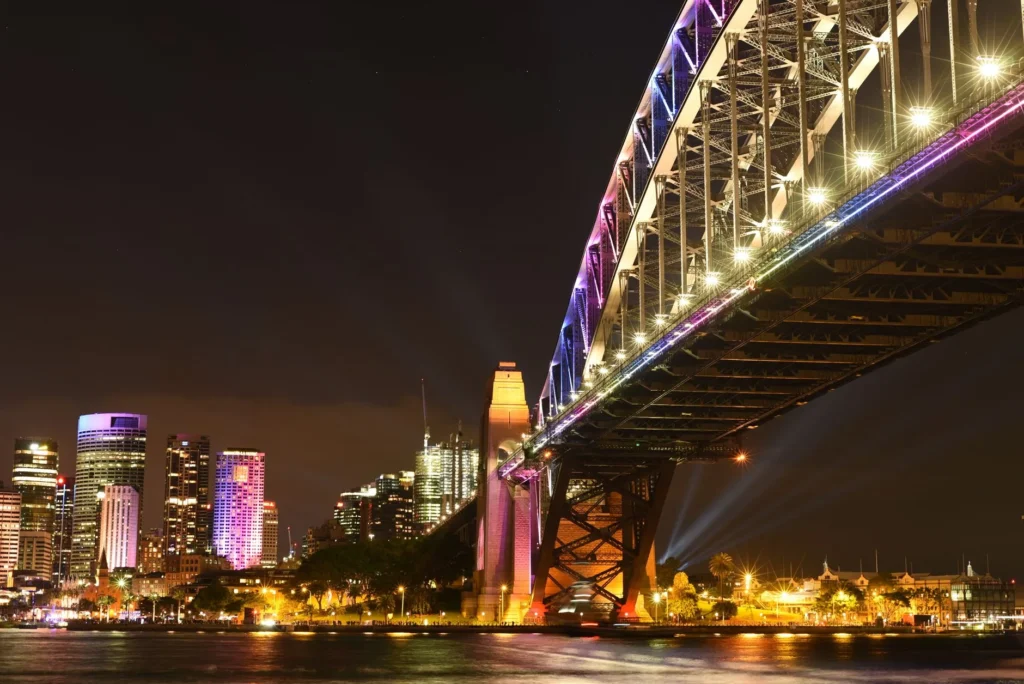
Sydney is one of those cities where the setting does much of the work. The harbour cuts through the urban centre, ferries connect waterfront suburbs, and beaches are within easy reach of museums, galleries, historic neighbourhoods and excellent restaurants. You can spend one day among architectural landmarks and another walking beside the Pacific, then finish with a meal in Chinatown, Newtown or Surry Hills.
A first visit is best planned around contrasts rather than a checklist of attractions. Give the harbour and central districts proper time, reserve a day for Bondi and the eastern beaches, and choose between Manly, Taronga Zoo or a cultural afternoon according to your interests. With four or five full days, Sydney also works well as a base for the Blue Mountains, a national park or the Hunter Valley.
Why Sydney Is Worth Visiting
Sydney is Australia‘s largest international gateway and the capital of New South Wales, but its appeal is not limited to city sightseeing. The defining experience is the relationship between the built environment and the water: the Sydney Opera House and Harbour Bridge frame the harbour, while ferries reveal a constantly changing perspective of the skyline.
The city is particularly rewarding for first-time visitors to Australia because it combines major landmarks with straightforward urban experiences. You can walk from Circular Quay to The Rocks and the Royal Botanic Garden, take a ferry to Manly, or reach Bondi by public transport without hiring a car. The central areas are well connected by trains, metro, buses, ferries and light rail.
Sydney also has enough variety for repeat visits. Architecture and performing arts sit alongside Aboriginal and Australian collections, contemporary galleries, beach culture and a deep multicultural food scene. Chinatown and Haymarket are especially useful for exploring Asian cuisines, while Surry Hills, Darlinghurst, Newtown and Enmore offer cafés, restaurants, bars and live music.
The city makes a strong base for outdoor excursions, too. The Blue Mountains, Royal National Park, Ku-ring-gai Chase National Park, the Central Coast and Hunter Valley all offer a change of pace from the urban centre.
Top Experiences in Sydney
See the Sydney Opera House and Circular Quay
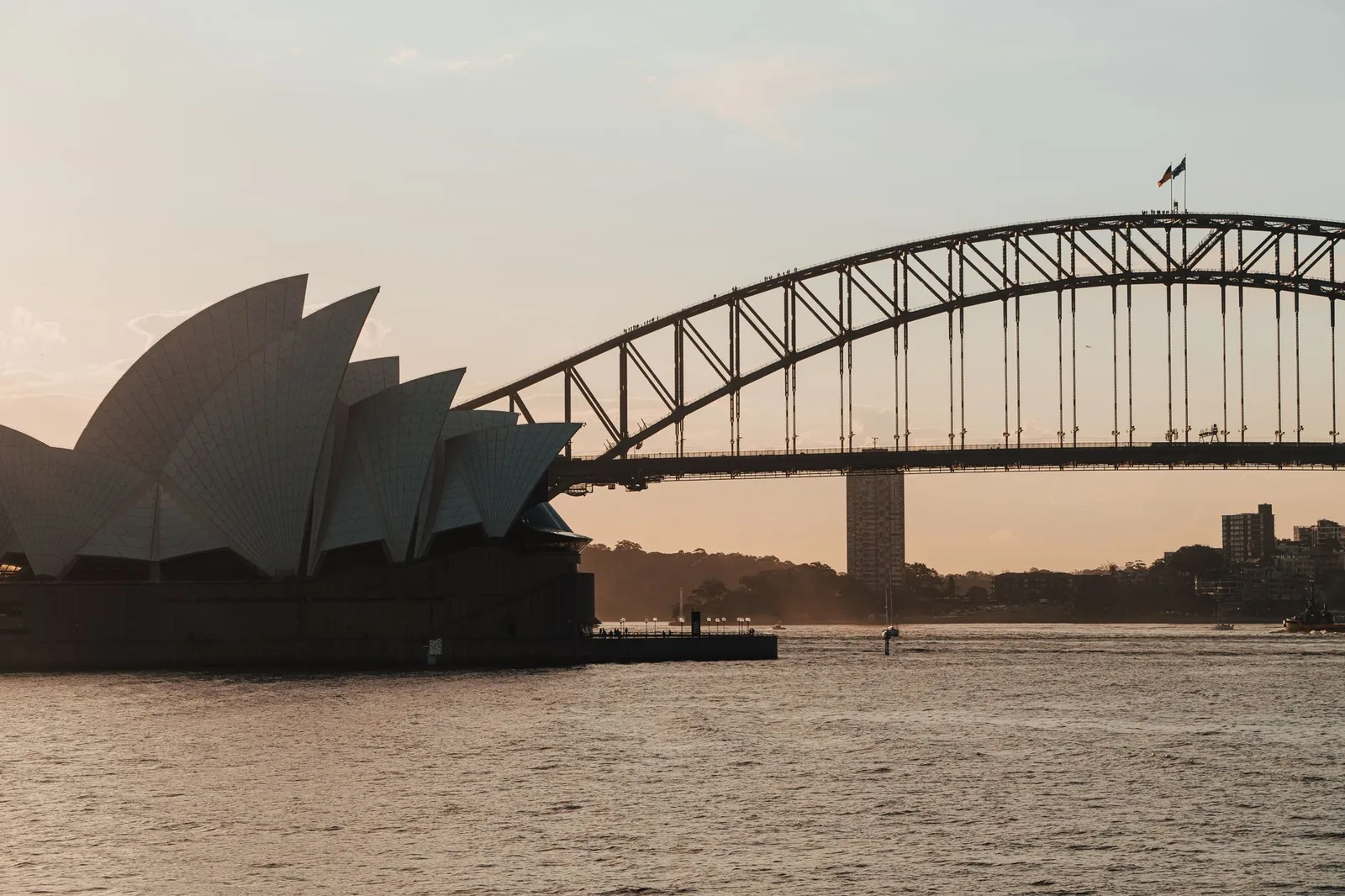
The Sydney Opera House is the city’s essential landmark and a UNESCO World Heritage property. Its distinctive shells are best appreciated from several angles: from the waterfront at Circular Quay, across the harbour, from the Royal Botanic Garden and from a ferry moving away from the city.
A guided tour offers more insight into the building’s design, history and performance spaces, while an evening performance gives the landmark a different atmosphere. Tour and performance schedules, access arrangements and prices vary, so check current details before planning your visit. Tours involve substantial walking and stairs.
Circular Quay is more than a transport hub. It is the natural starting point for a harbour day, with the Opera House, The Rocks, the Harbour Bridge, the Museum of Contemporary Art Australia and ferry wharves close together. Arrive early or stay into the evening to see the waterfront in changing light.
Walk across or climb the Sydney Harbour Bridge
The Harbour Bridge links the central city with the North Shore and provides one of Sydney’s most recognisable viewpoints. Walking across the bridge is a relatively simple way to appreciate the harbour from above, especially when combined with time in The Rocks or a visit to the northern side.
For a more active experience, BridgeClimb offers guided climbs on the bridge’s upper structure. The experience is outdoors and subject to health, fitness and weather requirements. Different departure periods are available, and popular dates can fill quickly. Check current requirements and availability before booking.
Even if you do not climb, allow time to look back towards the Opera House and Circular Quay. The relationship between the bridge, harbour and skyline is one of the defining views in Australia.
Explore The Rocks
The Rocks is Sydney’s historic harbour-side precinct, with old laneways, heritage buildings, restaurants, pubs, markets and museums. Its position beside Circular Quay makes it easy to include in a day focused on the Opera House and Harbour Bridge.
The area is compact but rewards slower exploration. Look beyond the main waterfront routes for narrow streets, old stonework and views beneath the bridge. Market days and local events can change the atmosphere considerably, while temporary road restrictions may affect access during major celebrations or performances.
The Rocks is also a convenient place for a meal or drink at the end of a harbour walk. It is more atmospheric than practical for every traveller, however, so compare it with the CBD, Surry Hills and other areas when choosing accommodation.
Walk through the Royal Botanic Garden
The Royal Botanic Garden occupies a superb harbour-side position beside the Opera House. Its lawns, plant collections and walking routes offer a quieter counterpoint to the city centre, with views towards both major harbour landmarks.
A useful route links Circular Quay, the Opera House, the garden and Mrs Macquarie’s Point. This can be a relaxed morning or afternoon, although the area is larger than it may appear on a map. Wear comfortable shoes and allow time for stops rather than treating it as a quick passage between attractions.
Garden access, tours and event-related closures can change. If you are visiting for a specific programme or guided activity, check current details first.
Spend time at Bondi Beach
Bondi is Sydney’s best-known beach and a natural choice for visitors who want to combine swimming, surf culture, coastal scenery and cafés. It is lively rather than secluded, with a strong local and visitor presence throughout the year.
Swim between the red and yellow flags and follow lifeguard instructions. Surf conditions, rip currents, patrol arrangements and temporary closures can change daily. Public transport is generally preferable to driving because parking is limited and demand is high.
Bondi works well as part of a wider eastern-beaches day. You can combine time on the sand with the Bondi to Coogee Coastal Walk, or visit nearby Tamarama, Bronte, Clovelly and Coogee according to your energy and the weather.
Walk the Bondi to Coogee Coastal Walk
The commonly promoted Bondi-to-Coogee section is about 6 kilometres and follows cliffs, beaches, bays, ocean pools and viewpoints. It is one of Sydney’s most rewarding urban walks, but it is not simply a flat promenade. Expect stairs, exposed sections and frequent pauses for photographs.
Allow several hours rather than relying on the nominal distance. Wear suitable footwear, carry water and use sun protection even when the temperature feels mild. Coastal conditions can change quickly, and sections may close or require detours after storms, erosion or maintenance. Check local notices before setting out.
You do not need to complete the entire route to enjoy it. A shorter out-and-back section can still provide excellent views if your itinerary is tight.
Take a ferry to Manly
The journey to Manly is part of the attraction. Ferries from Circular Quay cross the harbour and provide a memorable view back towards the Opera House, Harbour Bridge and waterfront suburbs. Once in Manly, you can spend time on the beach, explore cafés and shops, or continue along a coastal route.
Manly has a more relaxed beach-suburb feel than the CBD and is a good choice when you want a full day away from central sightseeing without leaving Sydney. Check the current ferry timetable and service type before planning a tight connection, as services and travel times can vary.
Visit Taronga Zoo Sydney
Taronga Zoo combines Australian wildlife, international animals, conservation programmes and panoramic harbour views. It is particularly useful for families, but adults interested in wildlife and landscape will also find plenty to occupy a substantial visit.
The zoo is around 12 minutes from Circular Quay by ferry, with the lower entrance a short walk from the wharf. The site includes steep sections, so visitors with mobility concerns should review current accessibility information and entrance options.
Allow more time than you might expect, especially if you want to see a broad selection of exhibits or attend scheduled presentations. Ferry travel makes the outing feel like a harbour excursion as well as a zoo visit.
Choose a museum or gallery
The Art Gallery of New South Wales is beside the Royal Botanic Garden and presents Australian, Aboriginal and Torres Strait Islander, European, Asian and contemporary collections. It is a strong option when the weather is unsettled or when you want to balance outdoor sightseeing with culture.
The Museum of Contemporary Art Australia occupies a prominent position at Circular Quay, making it easy to combine with The Rocks and the Opera House. Its exhibitions change, so check the current programme and admission arrangements before visiting.
Sydney’s museums and galleries can be more than rainy-day backups. Give yourself at least one cultural block if you are interested in architecture, art, history or Australian identity.
Explore Darling Harbour and Barangaroo
Darling Harbour is a modern waterfront district with restaurants, public spaces, museums and family attractions, including SEA LIFE Sydney Aquarium and WILD LIFE Sydney Zoo. It is walkable from Town Hall and connected by ferry, light rail and other public transport.
Barangaroo adds contemporary architecture, public art, waterfront walks and restaurants. Together, the two areas work well for an evening stroll or a family-focused day, particularly when combined with one of the central attractions. Opening times, exhibits and ticket arrangements vary by date, so confirm current details with each operator.
What would be your ideal day in Sydney?
Weather and the Best Time to Go
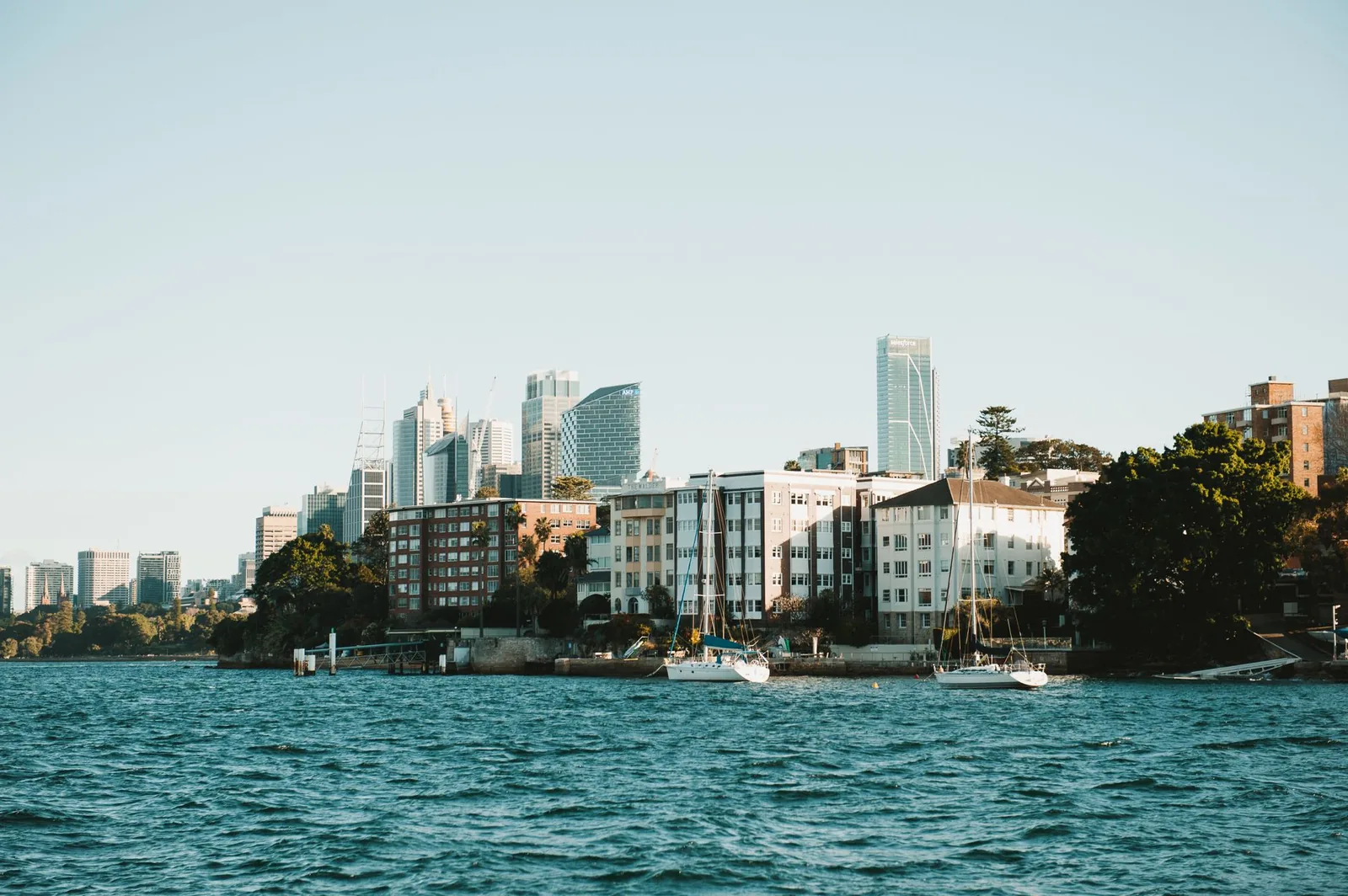
Sydney is a year-round destination. Spring and autumn are generally the most versatile seasons for walking, harbour sightseeing and day trips, with moderate conditions that suit a broad range of activities. Rainfall is spread through the year rather than concentrated in one dry season, so pack for changeable weather in every month.
Spring: September to November
Spring is usually comfortable for gardens, coastal walks and outdoor sightseeing. Whale-watching season generally extends through November, although sightings are never guaranteed and tours depend on weather and sea conditions. Check current departure schedules before booking.
Summer: December to February
Summer brings Sydney’s warmest weather and is popular for beaches, swimming, outdoor dining and events. Mean maximum temperatures reach about 27°C in January, although heatwaves and storms are possible.
The Christmas and New Year period, along with school holidays, can bring higher demand for accommodation and attractions. Book early if travelling at this time, and monitor beach, fire and weather warnings. Summer is not guaranteed to be dry or calm.
Autumn: March to May
Autumn often offers a useful balance between outdoor activities and city sightseeing. It is a good season for combining neighbourhood exploration with the Bondi to Coogee walk or a day trip. Conditions can still vary, so check forecasts before coastal walks and national-park visits.
Winter: June to August
Sydney winters are relatively mild compared with many northern-hemisphere destinations, but days can be cool, windy or rainy. Mean maximum temperatures are around 17°C in July. Pack layers and rain protection, and use museums, galleries, performances and restaurants to build a flexible itinerary.
Local Food and Drink

Sydney’s food scene reflects its population and geography. Chinatown and Haymarket are the most obvious starting points for Cantonese, Malaysian, Thai, Japanese, Vietnamese, Korean and other Asian cuisines, but excellent multicultural dining extends throughout the inner west and southwest of the city.
Modern Australian restaurants make use of local produce, seafood, native ingredients and international techniques. The choice ranges from waterfront dining and special-occasion restaurants to casual neighbourhood venues. Sydney’s coastal setting also supports a strong seafood culture, including seafood restaurants, fish-and-chip shops and the Sydney Fish Market.
Cafés and brunch spots are widespread, particularly in Surry Hills, Darlinghurst, Newtown, Enmore, Paddington and the beach suburbs. Specific venues and opening hours change frequently, so check current information rather than relying on an old recommendation.
For drinks, compare the historic pubs of The Rocks with the bars of Surry Hills, Newtown, Barangaroo, Marrickville and Manly. Breweries, cocktail bars and late-night venues have different licensing and entry rules. Markets and food tours can also be a useful way to sample local produce and global cuisines; confirm market dates and operating hours before travelling.
Places to Visit Beyond Sydney
Blue Mountains
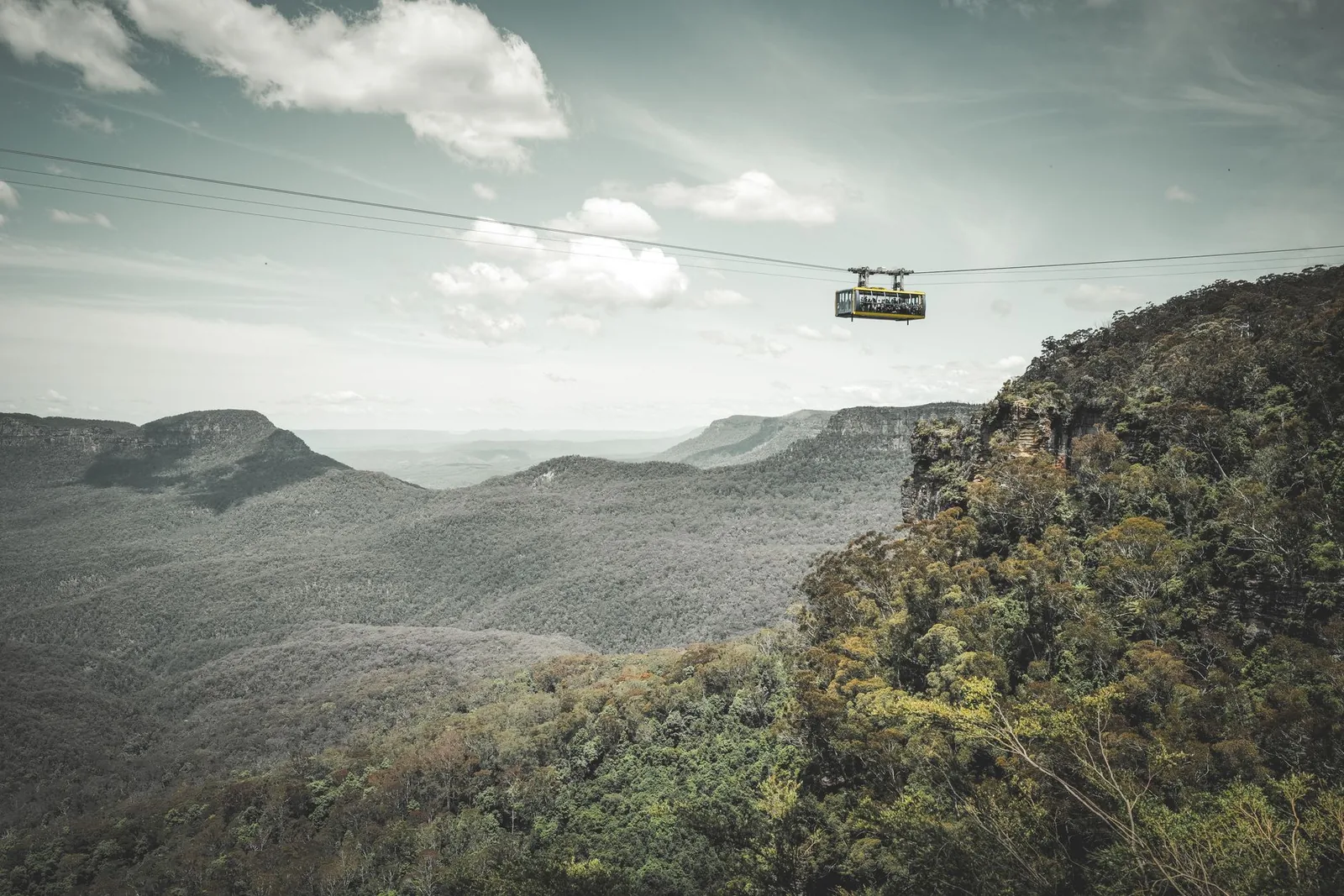
The Blue Mountains are the most established day trip from Sydney, with sandstone cliffs, eucalyptus valleys, bushwalks and viewpoints around Katoomba and the Three Sisters. You can travel by train, organised tour or car.
A full day is the sensible minimum because transport, viewpoints, village stops and walks take time. Check rail services, weather and trail conditions before leaving. A tour can simplify transport for visitors without a car, while independent travellers have more flexibility to choose their walks.
Royal National Park
South of Sydney, Royal National Park offers beaches, rainforest, bushwalking, cycling, picnic areas, coastal scenery and opportunities for whale watching. Some areas are accessible by public transport, but a car is more useful for reaching a wider range of trailheads and beaches.
Weekend and summer traffic can be heavy. Fire danger, storms, swell, erosion and maintenance can affect access, so check current park notices and track conditions before setting out.
Hunter Valley
The Hunter Valley is a major wine and food region north of Sydney, known for cellar doors, tastings and long lunches. An organised tour or designated driver is advisable because tastings involve alcohol and public transport coverage is limited.
Treat this as a full-day excursion rather than a quick regional add-on. Cellar-door schedules, tasting arrangements and tour inclusions vary, so check them before booking.
Ku-ring-gai Chase National Park
North of Sydney, Ku-ring-gai Chase National Park combines waterways, bushland, harbour views, walking tracks and Aboriginal heritage. Some areas are easiest to reach by car or boat. Check current access information, entry conditions and track status before travelling.
It is a useful option for visitors who want a nature-focused day without committing to the longer journey into the Blue Mountains.
Central Coast
The Central Coast offers beaches, coastal walks, waterways and relaxed seaside towns north of Sydney. It can work as a flexible day out, but travel times depend heavily on your departure point, traffic and rail conditions. Use the current transport planner when deciding which towns and beaches are realistic in one day.
Best Areas to Stay in Sydney
Sydney CBD and Circular Quay
This is the most convenient base for a first visit. The Opera House, Harbour Bridge, Royal Botanic Garden, museums, shopping areas and major transport connections are all close by. It is particularly useful if you want to make the most of a short stay or prefer returning to a central base between excursions.
The Rocks
Choose The Rocks for historic architecture, harbour atmosphere and direct access to the bridge and Circular Quay. It is well placed for sightseeing, though the area is more focused on visitors than residential neighbourhood life.
Darling Harbour and Barangaroo
These modern waterfront districts suit families, travellers who enjoy evening walks and visitors who want restaurants and attractions close at hand. They are also practical for combining sightseeing with family-oriented venues such as the aquarium and wildlife zoo.
Surry Hills and Darlinghurst
Surry Hills and Darlinghurst are good choices for cafés, restaurants, bars, boutiques, galleries and nightlife. They feel more neighbourhood-oriented than Circular Quay while remaining close to the central city. Hills and busy streets are part of the experience, so consider the exact location rather than judging only by suburb name.
Chinatown and Haymarket
Haymarket and Chinatown are convenient for multicultural dining, markets and proximity to Central Station. This is a strong base for food-focused visitors and travellers who value transport access over harbour views.
Newtown and Enmore
Newtown and Enmore suit visitors looking for independent restaurants, live music, theatres, street art and an alternative inner-west atmosphere. They are less convenient for early-morning harbour sightseeing than the CBD, but rewarding for travellers who want to experience a different side of Sydney.
Bondi and the eastern beaches
Stay in Bondi or nearby eastern-beaches suburbs if swimming, coastal walks, cafés and surf culture are central to your trip. You will be farther from the main museums and harbour landmarks, so allow more travel time for central sightseeing.
Manly and the Northern Beaches
Manly is a good beach-focused base with ferry access to the city, while the wider Northern Beaches provide a slower pace and access to coastal scenery. Check ferry and bus connections carefully if you plan to return to the CBD frequently.
How to Get Around Sydney
Sydney is practical without a car for most central sightseeing. The network includes metro, suburban trains, buses, ferries and light rail. Use the current Transport for NSW trip planner for routes, disruptions, fares and service changes, particularly during major events.
Most adult visitors can generally tap on and off with an accepted contactless Visa, Mastercard or American Express card or device, or use an Opal card. Use the same physical card or device for the entire journey so trips are recorded correctly. Child and some concession fares require the relevant Opal card. Rules concerning transfers, caps and off-peak discounts can change.
Airport train stations have a separate station access fee in addition to the normal train fare. This fee is not included in ordinary daily or weekly travel caps, so factor it into your arrival budget.
Walking is practical between the CBD, Circular Quay, The Rocks, Barangaroo, Darling Harbour and the Royal Botanic Garden. Sydney is not uniformly flat: expect hills, stairs and uneven historic surfaces, while coastal walks can include exposed sections and steep steps.
Taxis operate from designated ranks, and rideshare services use specified pick-up areas. Airport pick-up arrangements differ by terminal, so follow current airport directions. A car is usually unnecessary for the CBD and harbour attractions and may be inconvenient because of traffic, tolls and parking costs. It becomes more useful for some national parks and regional excursions.
Arriving from Sydney Airport
Sydney Kingsford Smith Airport is the city’s main airport, with the code SYD. It has an International Terminal and Domestic Terminals. The airport is about 8 kilometres from the CBD.
The T8 Airport and South Line serves the International and Domestic terminals, with trains operating daily approximately from 5am to midnight. The stations are beneath the terminals, but the separate airport station access fee applies. Taxis and rideshare services are also available at all terminals, with current pick-up points and fares subject to change.
For a straightforward arrival, check the route to your exact accommodation rather than assuming that the airport train will take you to the door. Some hotels are easier to reach from a nearby station, while others may require a bus, light rail connection or short taxi journey.
Practical Tips for Visiting Sydney
- Australia uses the Australian dollar, drives on the left and uses Australian-style electrical outlets. Confirm plug and voltage compatibility before departure.
- Tap on and off public transport with the same physical card or device. Do not assume that switching between a phone, watch and physical card will link journeys correctly.
- Budget separately for the Sydney Airport train station access fee.
- Swim at patrolled beaches between the red and yellow flags and follow lifeguard advice. Rip currents, surf and weather can change quickly.
- Use sun protection on beaches, harbour walks and national-park trails, including on cool or cloudy days.
- Allow extra time for ferries, bridge viewpoints and coastal walks. Wind, crowding and service changes can affect a tightly timed itinerary.
- Book popular Opera House tours, performances, BridgeClimb experiences and major excursions in advance during weekends, school holidays and major events.
- Check transport alerts on the day of travel, especially for airport journeys, ferries and event periods.
- For national-park walks, carry water, wear suitable footwear and check fire danger, storm warnings, swell, track closures and entry conditions.
- Avoid driving into the CBD or Bondi without checking tolls, traffic and parking first.
- Do not underestimate distances. Sydney has hills, bridges, stairs and widely separated suburbs.
- Australia’s emergency number is 000. Non-emergency police assistance in New South Wales is available on 131 444.
- Visa and entry requirements depend on your passport and travel purpose. Verify current requirements through Australia’s official immigration sources.
- Summer can bring heatwaves, storms and bushfire-related disruption. Check local warnings and closures before outdoor activities.
A common mistake is trying to combine the Opera House, Harbour Bridge, Bondi, Manly and the Blue Mountains in one or two days. A better plan groups nearby sights and leaves room for weather and transport changes. It is also wise to avoid scheduling a national-park walk or coastal route without checking current conditions.
Sydney Travel FAQ
How many days do you need in Sydney?
Allow four to five full days for a balanced first visit. That gives you time for the harbour and CBD, beaches, one major wildlife or cultural attraction and either a day trip or slower neighbourhood exploration. Two or three days is possible if you focus on the main icons and accept a faster pace.
What is the best area to stay in Sydney?
The CBD and Circular Quay are the most convenient for first-time visitors and major landmarks. The Rocks suits historic harbour atmosphere, while Darling Harbour and Barangaroo work well for waterfront dining and families. Surry Hills, Darlinghurst and Newtown are better for cafés, restaurants and nightlife. Bondi and Manly suit beach-focused stays.
Is Sydney easy to explore without a car?
Yes, particularly for central sightseeing, harbour attractions, ferry destinations and beaches connected by public transport. The network includes metro, trains, buses, ferries and light rail. A car is more useful for some national parks and regional day trips, but it can be inconvenient in the CBD.
How do tourists pay for public transport in Sydney?
Most adult visitors can tap on and off with an accepted contactless Visa, Mastercard or American Express card or device, or use an Opal card. Child and some concession fares require an Opal card. Airport train stations charge a separate access fee. Check current fare rules before travelling.
What is Sydney’s main airport?
Sydney Kingsford Smith Airport, code SYD, is the city’s main airport. It has an International Terminal and Domestic Terminals and is connected to the city by train, bus, taxi and rideshare.
Can you visit the Blue Mountains as a day trip from Sydney?
Yes. You can travel by train, car or organised tour, but allow a full day. Viewpoints, villages, walking routes and transport times make the excursion longer than a simple point-to-point journey. Check current rail, weather and trail conditions.
What should you not miss in Sydney?
For a first visit, prioritise the Sydney Opera House and Harbour Bridge area, The Rocks, a harbour ferry, Bondi or another beach, the Royal Botanic Garden, one cultural institution and either Manly or Taronga Zoo.
Final Thoughts
Sydney rewards travellers who leave space in the itinerary. The headline sights are essential, but the city’s character comes from moving between them: walking beside the harbour, taking a ferry across the water, eating through Haymarket, pausing in a beach suburb or finding a coastal viewpoint beyond the centre.
For most first-time visitors, four or five full days offers the best balance. Start with the harbour and central districts, devote a day to Bondi and the eastern beaches, choose Manly or Taronga Zoo for another outing, and reserve the remaining time for a neighbourhood, museum or day trip. Sydney is easy to revisit, but even a well-planned first stay can combine architecture, culture, food, beaches and nature without making the city feel rushed.
Find your stay with VibrantGateways.
Choose your travel dates and explore accommodation options for your destination.
Join the conversation
Ask a question, share a travel tip, or help another traveler plan with confidence.
Leave a comment
No account required.