
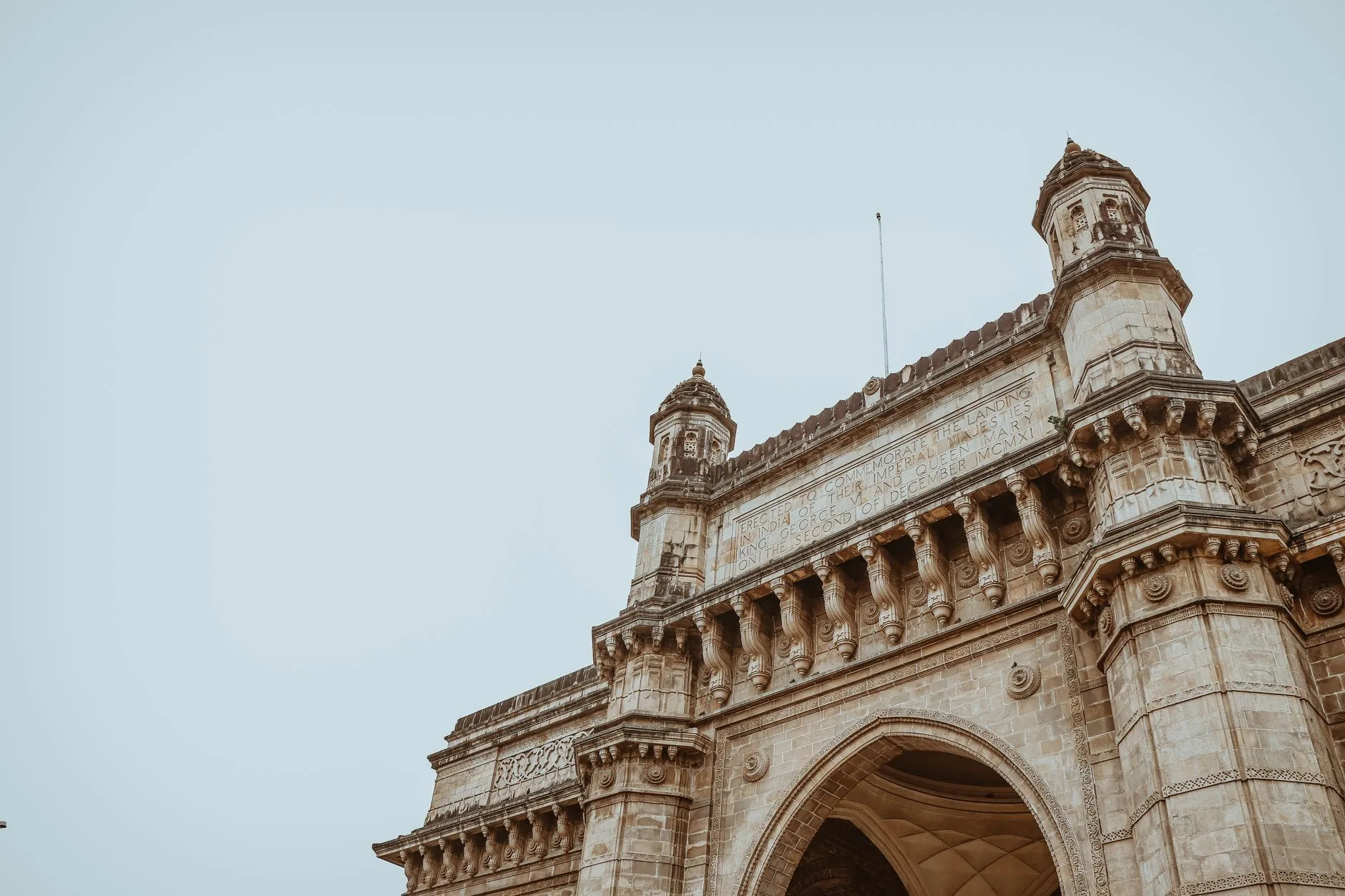
Mumbai Travel Guide
Mumbai is India’s financial capital, a major Arabian Sea port, and one of the country’s most absorbing cities to explore. Its character changes from one district to the next: colonial-era buildings and museums dominate South Mumbai, while Bandra brings cafés, film culture, and a more contemporary pace. Between them are crowded markets, religious landmarks, beaches, railway lines, and neighborhoods shaped by generations of migration.
The city is geographically spread out, so the best Mumbai itineraries are organized by area rather than by a long list of disconnected sights. Allow at least three days for the principal landmarks. Four or five days gives you time for museums, Bandra, Elephanta Island, Sanjay Gandhi National Park, and a more relaxed approach to the city’s food and street life.
Why Visit Mumbai
Mumbai offers an unusually broad introduction to urban India. You can spend one morning looking at Victorian Gothic architecture, take a ferry to ancient rock-cut caves in the afternoon, and finish the day walking beside the Arabian Sea. The city combines historic institutions, major religious sites, dense commercial districts, popular culture, and a serious food scene.
Architecture is one of the main reasons to come. Chhatrapati Shivaji Maharaj Terminus, the Victorian Gothic and Art Deco Ensembles, and Elephanta Caves are all UNESCO World Heritage properties associated with Mumbai. Fort, Kala Ghoda, Oval Maidan, and Marine Drive reward travelers who enjoy exploring on foot, although heat, traffic, and the size of the city make sensible planning essential.
Mumbai is also a strong destination for food-focused travel. Vada pav, pav bhaji, bhel puri, pani puri, sev puri, bombil fry, seafood, Maharashtrian dishes, and old-style Irani café foods all belong on a first visit. The city is equally well suited to museum enthusiasts, urban photographers, Bollywood fans, and travelers who want a major metropolis with nature and hill destinations within reach.
What to See and Do in Mumbai
Planning your activities? Compare tours and activities for Mumbai on BookingTabs.
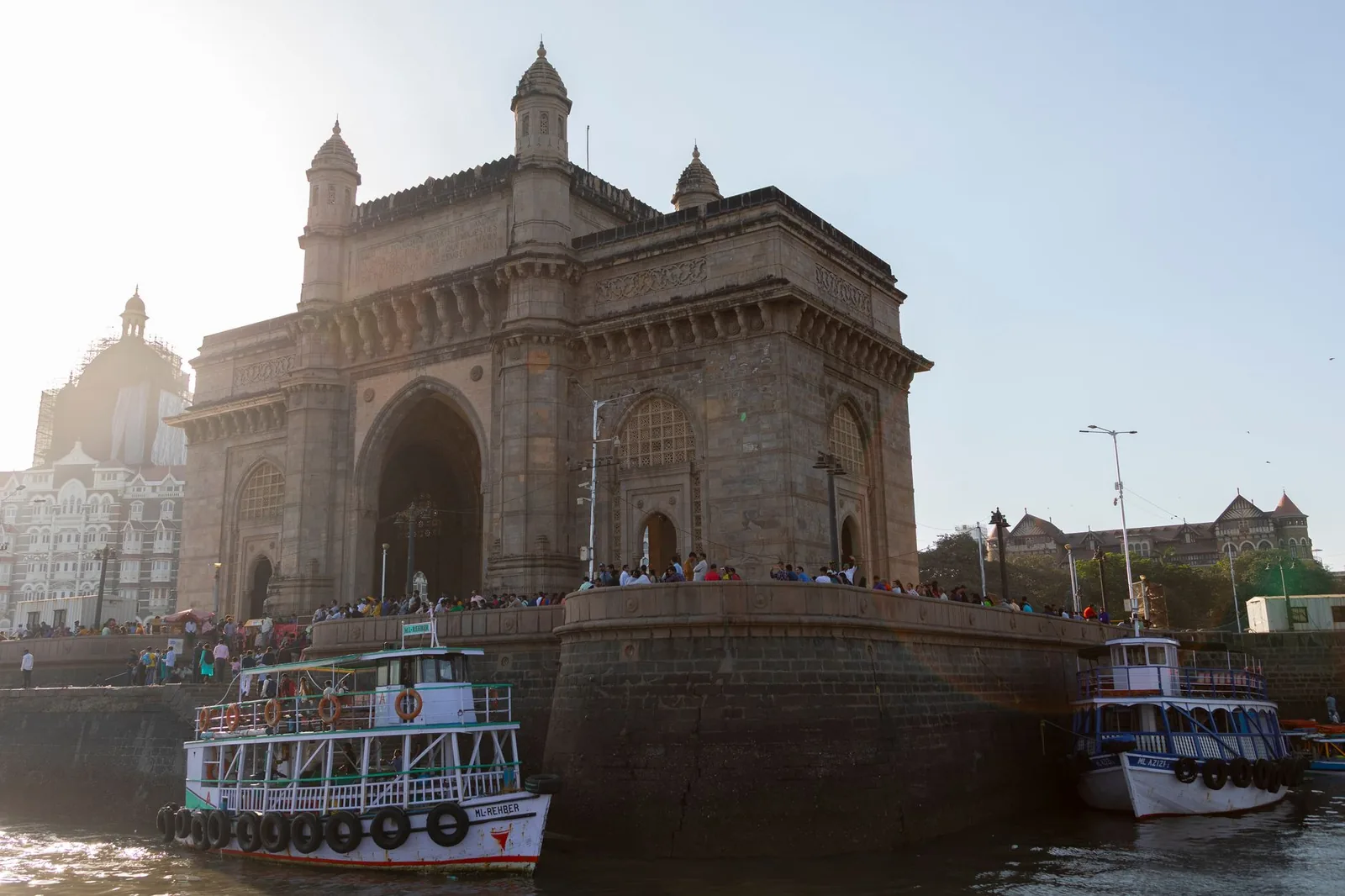
Explore the Gateway of India and Colaba
The Gateway of India is Mumbai’s best-known waterfront monument and a natural starting point for exploring South Mumbai. Built in 1924 to commemorate the 1911 visit of King George V and Queen Mary, it stands beside the harbor near the Taj Mahal Palace and the departure point for ferries to Elephanta Island.
Visit early or later in the day if you want a more manageable experience around the waterfront. From here, continue through Colaba, where you can browse Colaba Causeway, stop at cafés and restaurants, and take in the district’s mix of historic buildings and busy commercial life. The Gateway area is also the place to confirm current ferry arrangements if Elephanta is part of your plans.
See Chhatrapati Shivaji Maharaj Terminus
Chhatrapati Shivaji Maharaj Terminus, usually known as CSMT, is both a functioning railway station and one of Mumbai’s most impressive buildings. Its Victorian Gothic Revival design incorporates Indian architectural traditions, creating a landmark that feels specific to the city rather than imported from Europe.
The station remains a busy transport hub, so treat it as an active public building rather than a quiet monument. Exterior views are straightforward, while access to interior heritage areas may depend on authorized tours or current permissions. Avoid lingering in passenger flows, and check photography and security restrictions locally.
CSMT works well as part of a South Mumbai architecture walk linking Fort, the Victorian Gothic buildings around Oval Maidan, Kala Ghoda, and the Art Deco districts near Marine Drive.
Walk through Fort, Kala Ghoda, and the UNESCO heritage areas
Fort and Kala Ghoda form Mumbai’s principal heritage and museum district. The streets around Oval Maidan reveal the city’s Victorian Gothic public buildings, while the later Art Deco architecture is particularly visible toward Marine Drive and along the city’s southern waterfront.
This is one of the best parts of Mumbai to explore on foot. Plan for a daylight walk, wear comfortable shoes, and allow more time than the map suggests. Traffic, crossings, heat, and frequent stops for photographs make short distances surprisingly slow.
Many buildings are occupied offices, institutions, or private residences. Admire their exteriors unless access is explicitly permitted. A guided heritage walk can be worthwhile for travelers interested in architectural details, urban history, and the transition from colonial-era Gothic design to Mumbai’s distinctive Art Deco style.
Visit the Chhatrapati Shivaji Maharaj Vastu Sangrahalaya
The Chhatrapati Shivaji Maharaj Vastu Sangrahalaya, in Fort, is Mumbai’s leading museum for Indian art, archaeology, history, and decorative traditions. It is a useful counterpoint to the city’s outdoor landmarks and an excellent choice during the hottest part of the day or in unsettled weather.
The museum’s exhibitions and admission arrangements can change, so check the official visitor information before going. Combine it with Kala Ghoda’s galleries and nearby heritage buildings rather than crossing the city to visit it in isolation.
Take an evening walk on Marine Drive
Marine Drive curves along the Arabian Sea and is one of Mumbai’s most recognizable public spaces. The promenade is associated with sunset walks, evening city views, and the famous arc of lights often called the Queen’s Necklace.
Marine Drive is best treated as a promenade, not a swimming beach. The seawall, tides, strong sun, and monsoon conditions all call for caution. Visit around sunset or after dark for the atmosphere, but keep valuables secure in crowded areas and follow local advice near the water.
The promenade also provides a useful way to see Mumbai’s Art Deco waterfront setting. For a fuller architecture itinerary, combine Marine Drive with Oval Maidan, Churchgate, and Fort.
Make time for Elephanta Caves
Elephanta Caves is Mumbai’s most important excursion directly associated with the city. The UNESCO-listed archaeological site lies on Elephanta Island and is known for rock-cut caves, major Shiva sculptures, and the celebrated three-faced Sadashiva relief. The principal caves date mainly from the fifth and sixth centuries AD.
Ferries depart from the Gateway of India area, and the crossing takes roughly an hour in typical conditions. The visit involves uphill steps, so wear shoes with a good grip and carry water. Elephanta is closed on Mondays according to current tourism information. Ferry times, admission arrangements, weather cancellations, and return sailings should all be checked shortly before departure.
Allow most of a day rather than trying to fit the caves into a rushed half-day schedule. The crossing, waiting time, uphill access, and return logistics can take longer than expected, particularly during busy periods or unsettled weather.
Visit Haji Ali Dargah
Haji Ali Dargah is a prominent Indo-Islamic shrine on an islet off the Mumbai coast. Its causeway is accessible only when tides and conditions permit, making the visit dependent on the weather and water level.
Dress modestly and follow local rules on footwear, photography, and behavior. Avoid assuming that the causeway is safe or accessible at every hour, particularly during heavy rain or rough weather. Haji Ali can be combined with the Mahalaxmi and Worli areas, although road traffic may make the journey slow.
Experience Mumbai’s religious landmarks
Siddhivinayak Temple is a major Hindu temple dedicated to Lord Ganesha. The original temple dates to 1801, while the present complex developed through later expansion. It is an active place of worship, not a conventional sightseeing attraction, so visitors should expect security procedures, queues, and restrictions on bags, photography, and other items.
Check current darshan arrangements and visiting rules through official temple channels, especially around religious festivals. As with Haji Ali, respectful clothing and behavior are essential.
See another side of the city in Bandra
Bandra offers a strong contrast with the colonial core of South Mumbai. The western suburb is known for cafés, restaurants, shopping, churches, neighborhood streets, and a lively connection with Mumbai’s film and entertainment industries.
Bandra Bandstand and Bandra Fort provide sea views and a different perspective on the city’s waterfront, including views toward the Bandra-Worli Sea Link. Nearby Mount Mary Church and the surrounding residential streets are also worth exploring. Bandra is easier to combine with other western-suburb attractions than with a full day in Colaba, so plan by corridor.
Visitors interested in Bollywood can look into guided film-related or studio experiences, but schedules, access, filming activity, and photography rules vary and should be confirmed before booking.
Visit Juhu Beach with realistic expectations
Juhu is known for its broad beach, hotels, restaurants, and proximity to Mumbai’s entertainment districts. It is a popular place to experience the city’s evening energy and sample casual food, but beach conditions and cleanliness vary.
Do not assume that swimming is safe. Treat Juhu as a place for atmosphere, food, and people-watching unless current local information specifically confirms suitable conditions.
Spend time at Sanjay Gandhi National Park
Sanjay Gandhi National Park provides a remarkable change of pace within the wider Mumbai metropolitan area. The protected green area includes forest landscapes, biodiversity, trails, and access to the Kanheri Caves.
Because the park is in northern Mumbai, it is far from the South Mumbai heritage district. Plan it as a half-day or longer outing rather than a quick add-on. Current entry zones, cave access, cycling or safari availability, opening arrangements, and weather closures should be checked before travel. The park is currently listed as closed on Mondays by tourism information, but policies can change.
Choose an indoor attraction for hot or wet weather
The Nehru Science Centre in Worli is a practical choice for families and anyone looking for an interactive, educational attraction. It is particularly useful during the hottest hours or when rain makes long outdoor sightseeing uncomfortable.
The centre’s official information currently lists daytime opening hours, while also noting that some facilities are temporarily closed for renovation. Verify the status of individual galleries before visiting, especially if a particular exhibition is central to your plans.
Which Mumbai experience would you most want to build your day around?
Weather and the Best Time to Go
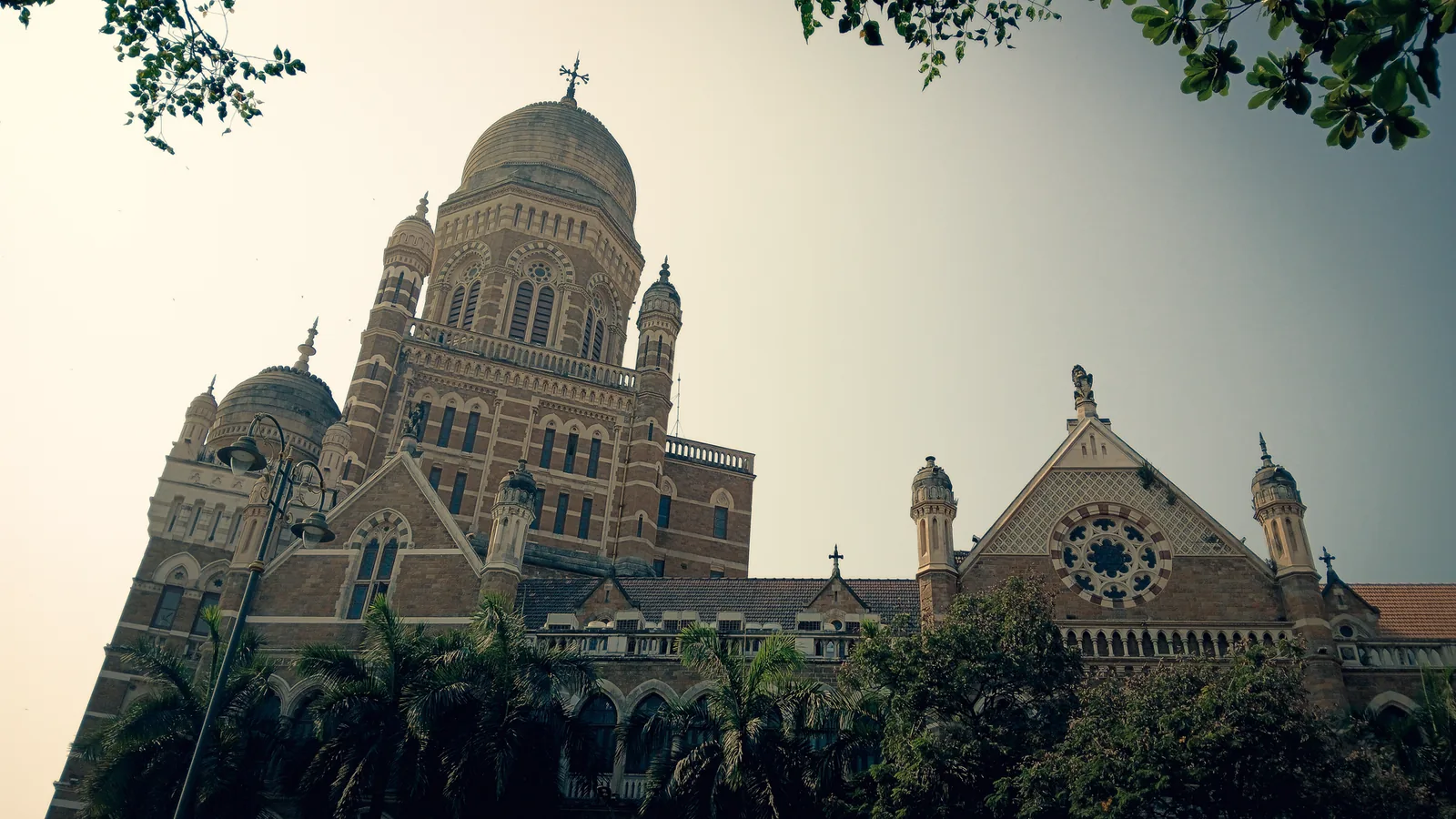
October to February is generally the most comfortable period for sightseeing. Conditions are usually drier, evenings are more pleasant, and outdoor walks, ferry trips, and day excursions are easier to manage. December to February is the strongest overall recommendation for a first visit.
March to May is hot and humid. Start outdoor sightseeing early, use museums and indoor attractions during the afternoon, and plan regular breaks. Sun protection and safe drinking water are especially important.
June to September is Mumbai’s southwest-monsoon season. Heavy rain can cause waterlogging, road delays, transport disruption, slippery paths, and ferry cancellations. The city can look greener and atmospheric in the rain, but itineraries need flexibility. Avoid committing to a coastal or hill excursion without checking the forecast and preparing a backup plan.
October and November are transitional months. Rain generally declines, although October can remain humid and unsettled. November is usually more reliable for sightseeing, but current forecasts still matter for Elephanta and other outdoor plans.
What to Eat and Drink

Start with vada pav, a spiced potato fritter served in a pav bun. It is one of Mumbai’s defining snacks and an easy introduction to the city’s inexpensive street-food culture.
Pav bhaji is another classic: a richly spiced vegetable mash served with buttered, toasted pav. For chaat, try bhel puri, pani puri, and sev puri, which combine crisp bases, chutneys, vegetables, spices, and sev. Hygiene standards vary, so choose busy stalls with high turnover and be cautious with water and raw ingredients.
Bombil fry, made with bombil or Bombay duck, reflects Mumbai’s coastal and Koli food traditions. Seafood restaurants also serve fish, prawns, crab, and regional preparations, although daily availability varies. Ask about allergens and cooking methods when necessary.
Look for Maharashtrian dishes such as misal pav, thalipeeth, sabudana preparations, and regional thalis. Historic-style Irani cafés and bakeries are useful for tea, buns, biscuits, kheema dishes, and other casual foods, particularly in older central and South Mumbai neighborhoods.
Food tours can be useful for first-time visitors who want context, curated vendors, and help navigating unfamiliar dishes. Dietary requirements should be discussed with restaurants or tour operators in advance.
Places to Visit Beyond Mumbai

Elephanta Island
Elephanta is the most important excursion from Mumbai itself. The ferry crossing and UNESCO-listed caves make it a full-day plan for most travelers. Check the Monday closure, ferry times, weather conditions, and return arrangements before leaving.
Matheran
Matheran is a vehicle-free hill station roughly 90 kilometers from Mumbai by road, known for forested viewpoints and a quieter atmosphere. Vehicles must be left at Dasturi Naka, after which onward travel is on foot, by horse, or by hand-pulled rickshaw according to current tourism information. Actual journey times depend on traffic and transport conditions.
Lonavala and Khandala
Lonavala and Khandala are Western Ghats destinations associated with viewpoints, monsoon greenery, forts, caves, and seasonal waterfalls. They are accessible by road and by rail on the Mumbai–Pune route. Monsoon weekends can be crowded, and trails and roads may become slippery.
Alibaug and the Raigad coast
Alibaug offers beaches, seafood, and a coastal change of pace. It lies roughly 95 kilometers from Mumbai by road, although the practical journey time depends heavily on traffic and ferry operations. Check current road and ferry conditions before committing to a day trip.
Karla and Bhaja Caves
The ancient Buddhist rock-cut caves at Karla and Bhaja can be combined with a Lonavala outing. Expect stairs and potentially slippery surfaces during the monsoon. This is a good option for travelers who want heritage and Western Ghats scenery in the same excursion.
Where to Base Yourself in Mumbai

Fort and Kala Ghoda
Choose Fort or Kala Ghoda for museums, galleries, heritage buildings, Oval Maidan, CSMT, and easy access to central South Mumbai. This is a strong base for first-time visitors who want to walk between major landmarks during the day.
Colaba
Colaba is convenient for the Gateway of India, Elephanta ferries, Colaba Causeway, restaurants, and South Mumbai sightseeing. It suits travelers who want to be close to the waterfront and do not mind a lively, tourist-oriented atmosphere.
Marine Drive and Churchgate
Marine Drive and Churchgate work well for travelers prioritizing sea views, evening promenades, Art Deco architecture, and access to Fort and Oval Maidan. The area also offers useful transport connections, although road traffic remains a factor across the city.
Bandra
Bandra is a good choice for cafés, restaurants, shopping, nightlife, neighborhood character, and western-suburb access. It is more contemporary in feel than South Mumbai and convenient for Bandstand, Bandra Fort, Juhu, and film-related activities. It is less practical if your itinerary is dominated by Colaba and the historic core.
Juhu
Juhu suits travelers who prefer a beach-area base, hotels, restaurants, and proximity to entertainment districts. The beach itself should not be treated as a guaranteed swimming destination.
Worli and Mahalaxmi
Worli and Mahalaxmi provide access to Haji Ali, the Nehru Science Centre, waterfront areas, and routes toward Bandra-Worli. They can be useful for a mixed itinerary but are not as convenient as Fort or Colaba for a first-time heritage-focused visit.
Borivali and northern Mumbai
Borivali is practical for Sanjay Gandhi National Park and Kanheri Caves. It is relatively distant from the main South Mumbai attractions, so it makes most sense for travelers prioritizing the park or staying with friends and family in the northern suburbs.
Getting Around Mumbai
Mumbai is large, congested, and relatively linear. Choose transport based on the corridor and time of day rather than relying on one method for the entire trip.
Walking is effective in Fort, Kala Ghoda, Colaba, parts of Marine Drive, and around Oval Maidan. Carry water, use sun protection, and remember that a short map distance may not be a comfortable walk because of traffic, crossings, heat, and crowded pavements.
The suburban railway is Mumbai’s principal mass-transit network, operating across Western, Central, and Harbour corridors. It can be highly efficient, but trains are heavily used and peak periods can be intimidating for first-time visitors. Avoid traveling with large luggage during commuter peaks, keep valuables secure, and check the correct route and platform before boarding.
Mumbai Metro and Monorail services provide additional options, but routes, station access, operating hours, and fares change as the network develops. Consult current official information immediately before travel.
Metered black-and-yellow taxis, app-based cabs, fleet taxis, and airport-authorized services are available. App-based cars are useful for door-to-door travel, although road journeys can be slow. Self-driving is generally inconvenient because of congestion, complex traffic, parking limitations, and long cross-city travel times. A hired car with driver is more practical for day trips or several suburban stops; confirm tolls, waiting time, parking, and inclusions in advance.
Arriving at Mumbai Airport
Chhatrapati Shivaji Maharaj International Airport, code BOM, has Terminal 1 and Terminal 2. Check the terminal shown on your airline booking because assignments can change. The airport provides app-based cabs, metered taxis, car rentals, buses, suburban-rail access via nearby stations, and Metro connections.
A complimentary inter-terminal shuttle operates between T1 and T2. Confirm the current pickup points and allow extra time if changing terminals. On arrival, use a designated app-cab pickup area, an official airport counter, or a reputable prepaid service. Do not accept unsolicited transport offers in the terminal.
Essential Travel Tips
- Organize sightseeing by geographic cluster: South Mumbai, central Mumbai, western suburbs, and northern Mumbai.
- Allow generous buffers for road journeys. Rain, processions, festivals, accidents, and major events can cause significant delays.
- Recheck museum hours, religious-site rules, ferry schedules, and renovation notices before visiting.
- Carry some cash for street food, local transport, cloakrooms, and smaller vendors, while using reputable digital payment options where available.
- Use official airport counters, designated app-cab pickup areas, metered taxis, or prepaid services after arrival.
- Dress respectfully at temples, mosques, dargahs, and other religious sites, and follow footwear and photography rules.
- During the monsoon, bring quick-drying clothing and shoes with good grip.
- Confirm tide and weather conditions before visiting Elephanta, Haji Ali, or other tide-dependent places.
- Avoid peak commuter periods on suburban trains, particularly if carrying luggage.
- Do not assume that Juhu, Marine Drive, or other urban waterfronts are suitable for swimming.
- Check current travel advisories, visa requirements, health information, and weather alerts for your nationality and travel dates.
Mumbai Travel FAQ
How many days do you need in Mumbai?
Three days covers the major South Mumbai landmarks and one carefully chosen excursion. Four or five days is more comfortable and allows time for museums, Bandra, Sanjay Gandhi National Park, Elephanta, and food exploration.
What is the best time to visit Mumbai?
October to February is generally the most comfortable period for sightseeing. June to September brings heavy monsoon rain, while March to May is hotter and humid. October can still be unsettled, so check current forecasts.
Is Mumbai safe for tourists?
Mumbai is a major international tourist destination, but normal big-city precautions apply. Use reputable transport, protect valuables in crowds and on public transport, avoid isolated areas late at night, follow local advice around beaches and flooding, and respect religious-site rules. Check current government travel advice before departure.
Can you visit Elephanta Caves in half a day?
It may be possible with an early ferry and favorable conditions, but a full day is safer. The crossing takes roughly an hour each way, ferry schedules vary, and the caves require uphill walking. The site is currently listed as closed on Mondays.
What is the easiest way to get around Mumbai?
Use walking for compact heritage areas, suburban rail or Metro for suitable corridors, and app-based or metered taxis for door-to-door journeys. Road travel can be slow, so choose transport according to the destination and time of day.
Which airport terminal does my Mumbai flight use?
Mumbai Airport has Terminal 1 and Terminal 2. Airline and route assignments can change, so check the terminal on your booking and reconfirm close to departure. A complimentary inter-terminal shuttle is available, subject to current airport arrangements.
Is Mumbai suitable for families?
Yes. Museums, the Nehru Science Centre, heritage landmarks, boat trips, and selected parks can work well for families. Heat, crowds, traffic, and long distances can be tiring, so plan shorter days with indoor breaks.
What should visitors eat in Mumbai?
Good starting points include vada pav, pav bhaji, bhel puri, pani puri, sev puri, bombil fry, Maharashtrian cuisine, seafood, and foods from Irani cafés. Choose busy street-food vendors with high turnover and take care with water and raw ingredients.
Planning Your Mumbai Trip
Mumbai rewards travelers who accept its scale and plan around it. Spend a day in the historic south, another around the waterfront and museums, and reserve separate time for Bandra, Elephanta, or the northern national park. The city is not a compact collection of sights, but that is part of its appeal: its architecture, food, religious life, transport networks, and coastal neighborhoods create a destination that becomes more interesting the longer you stay.
Inspired? Start planning your trip.
Move from inspiration to planning with BookingTabs — explore hotels, tours and travel options in one place.
Join the conversation
Ask a question, share a travel tip, or help another traveler plan with confidence.
Leave a comment
No account or email required.