
Paro Bhutan Travel Guide
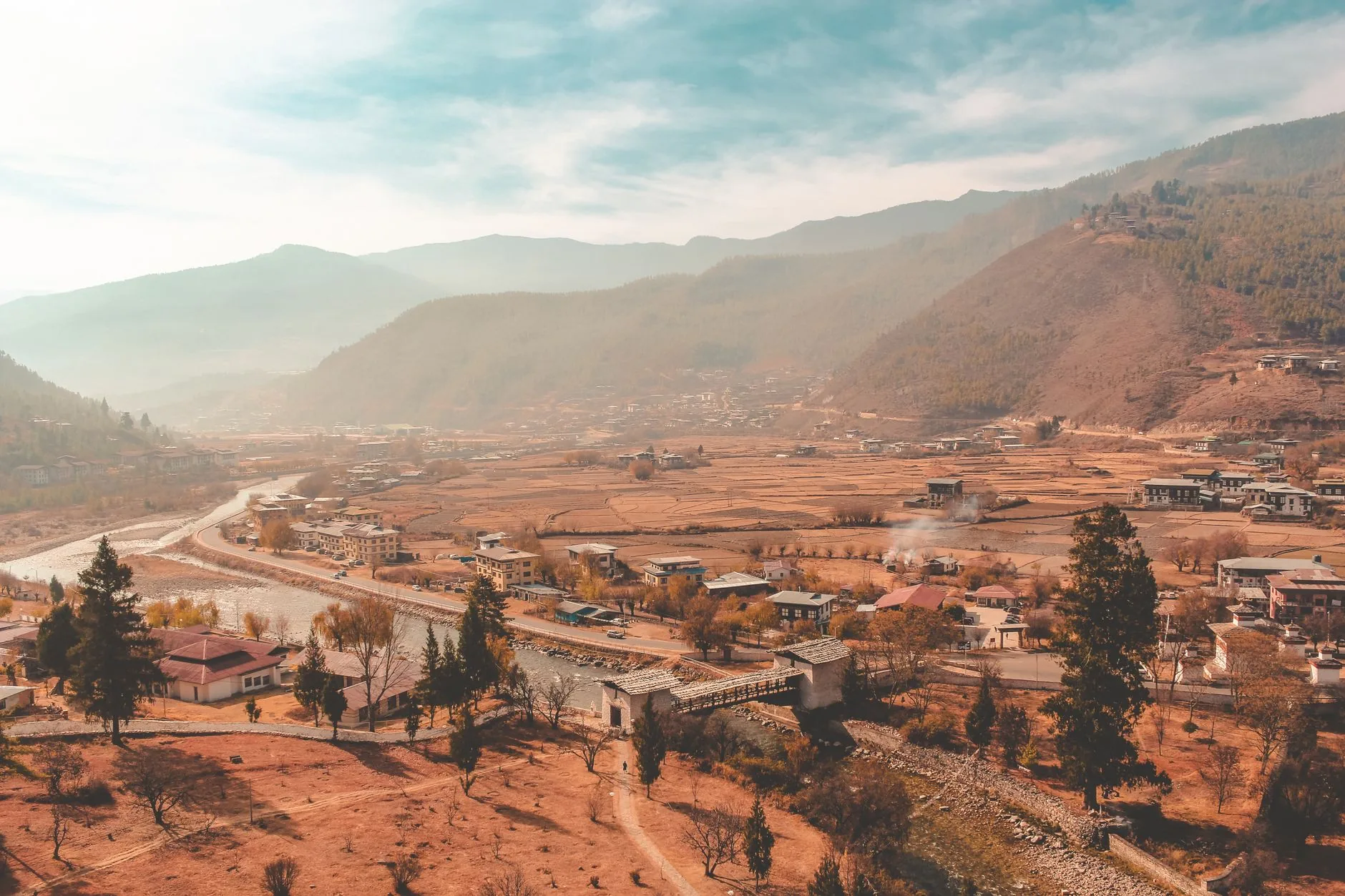
Paro is Bhutan’s most familiar arrival point and one of its best bases for a first visit. The compact town sits in a broad Himalayan valley, close to Paro International Airport and within reach of fortified dzongs, ancient temples, rural villages and forested hiking routes. Beyond the town center, the wider Paro Valley has a distinctly rural character, with rice fields, traditional farmhouses, prayer flags and mountain roads leading towards high passes and remote cultural sites.
The main reason many travelers come is Taktsang Palphug Monastery, better known as Tiger’s Nest. Reaching it requires a demanding uphill hike, but Paro offers much more than one famous viewpoint. Allow at least three nights to experience the principal sights without rushing. Four or five nights gives you time for a high-altitude excursion, a slower valley itinerary, a traditional hot-stone bath or a day trip to Thimphu or Haa Valley.
Why Paro Bhutan Is Worth Visiting
Paro combines several of Bhutan’s defining experiences in a manageable area. Its historic buildings and active Buddhist sites provide a strong introduction to the country’s architecture and religious traditions, while the surrounding valley offers space for walking, cycling and quiet landscape photography.
The town is also a practical starting point. Most international visitors arrive at Paro International Airport, approximately 3.5 km from the center, and many western Bhutan itineraries begin or end here. Thimphu, Haa Valley and Punakha can all be reached by road, although mountain conditions and traffic mean journey times should be treated as estimates rather than fixed schedules.
Paro suits travelers interested in Buddhist culture, architecture, photography, hiking and slower rural travel. Couples and honeymooners can combine sightseeing with a hot-stone bath or a peaceful valley stay, while active travelers can use the town as a base for Tiger’s Nest, Chele La and longer trekking routes.
What to See and Do in Paro Bhutan
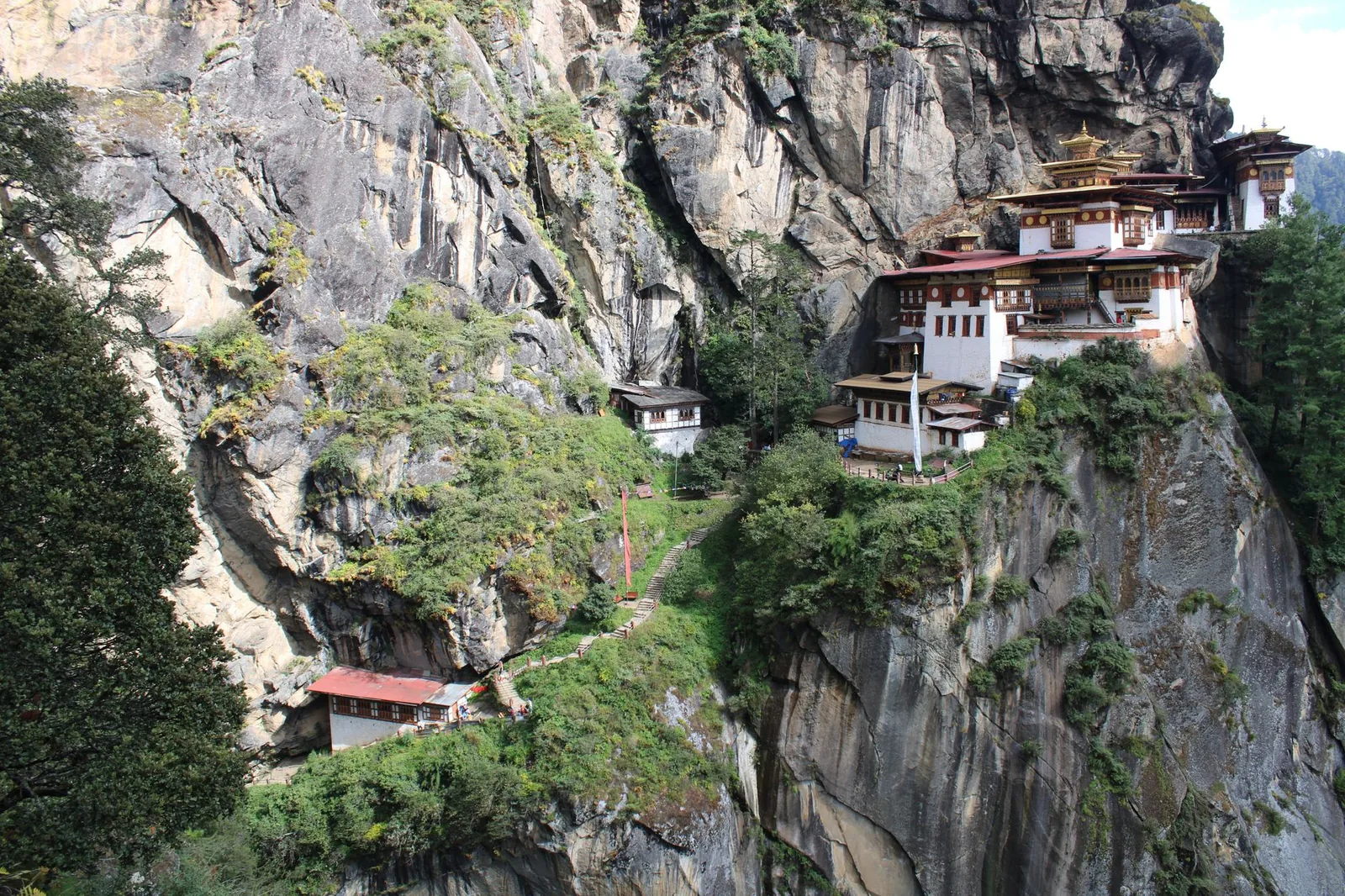
Hike to Taktsang Palphug Monastery, or Tiger’s Nest
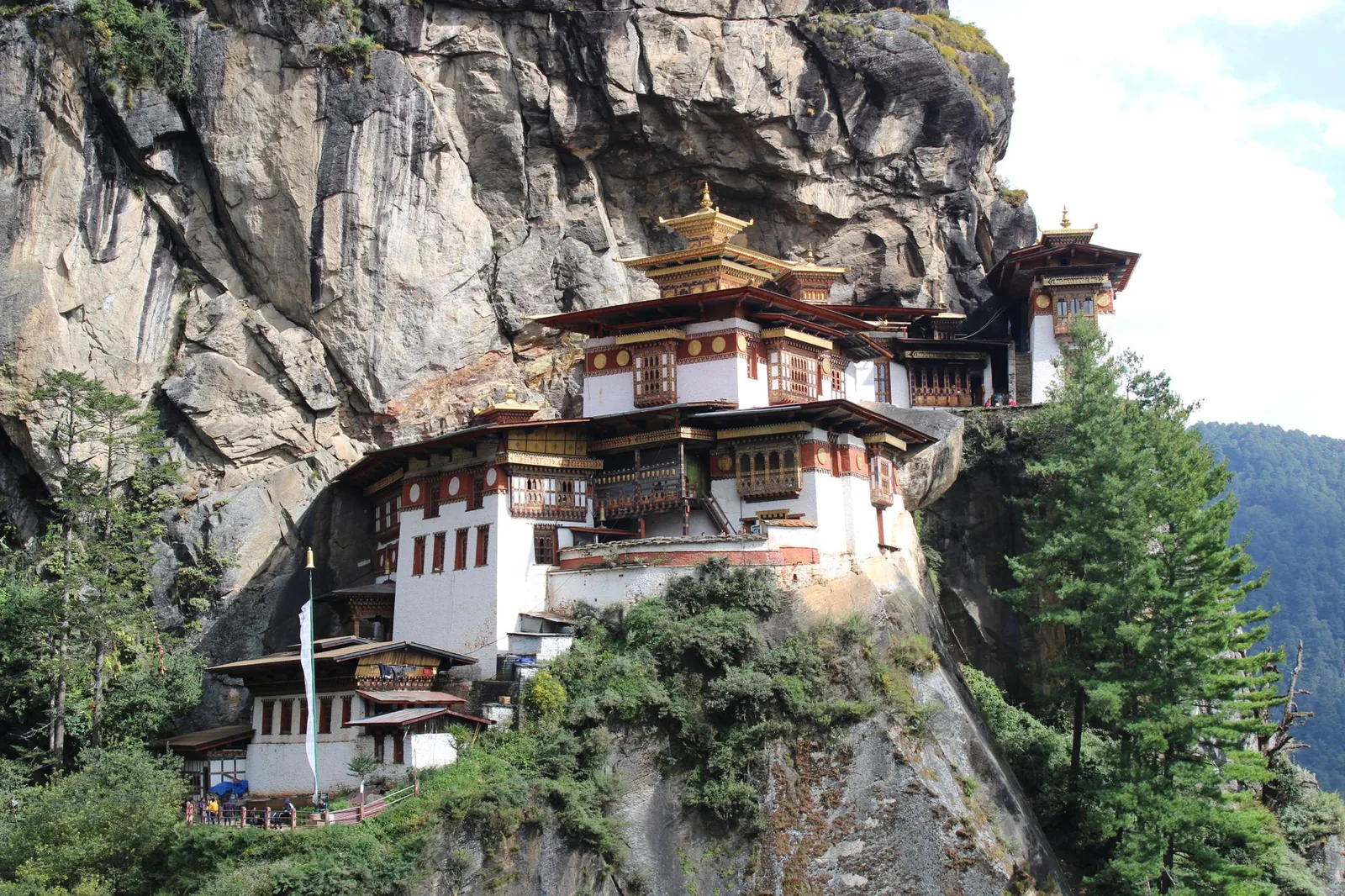
Tiger’s Nest is Bhutan’s signature sight: a monastery complex built on a dramatic cliff above the Paro Valley and associated with Guru Rinpoche. The trail climbs through forested mountain terrain and includes steep, uneven sections, so this is not a quick viewpoint walk.
Plan a substantial part of the day for the experience. Bhutan Tourism describes the hike as taking approximately five to six hours, although the actual duration depends on fitness, weather, breaks, trail conditions and the amount of time spent at the monastery. Start early enough to allow for the ascent, time at the site and the descent without having to hurry.
Wear sturdy footwear and bring warm layers, water and protection from sun or rain. Conditions can change quickly. Pony services, current trail arrangements, photography rules and access to the monastery should be checked locally before setting out. Visitors should also follow instructions at the site and treat the monastery as an active place of worship.
Visit Rinpung Dzong
Rinpung Dzong, also known as Paro Dzong, is one of the valley’s defining landmarks. The fortified monastery and administrative complex overlooks Paro and is known for its massive walls, courtyards, traditional Bhutanese architecture and religious art.
It is an active religious site, not simply a historic monument. Dress modestly, remain quiet and follow local instructions about where visitors may go. Photography permissions and access can vary, particularly during religious activity or restoration work, so check current arrangements before visiting.
The dzong is especially rewarding when combined with a walk through central Paro or the riverside area. Its elevated position also provides attractive views across the town and valley.
Explore Ta Dzong and the National Museum of Bhutan
Above Rinpung Dzong stands Ta Dzong, a former watchtower that houses the National Museum of Bhutan. Its collections cover Bhutanese art, religious objects, textiles, natural history and other aspects of the country’s cultural heritage.
The museum has experienced changes to access and operating arrangements, so verify its current status, opening details, admission arrangements and photography rules before making it the centerpiece of your day. Reaching it involves an uphill walk, but the location adds another perspective over Paro and the surrounding valley.
See Kyichu Lhakhang
Kyichu Lhakhang is one of Paro’s most important religious landmarks. The temple is traditionally associated with the seventh-century establishment of Buddhist temples in the Himalayan region and remains a revered active sacred site.
It lies about 4 km from Paro town and is easy to combine with other valley visits. Dress respectfully, remove shoes where requested, keep noise low and ask before photographing worshippers, monks or interiors. The experience is more contemplative than a conventional museum visit, so allow time to observe the temple’s atmosphere rather than treating it as a quick photo stop.
Stop at Dungtse Lhakhang
Dungtse Lhakhang is a distinctive three-storey temple near Paro associated with Bhutanese religious art and iconography. Its unusual form makes it a worthwhile addition to a cultural itinerary, particularly for travelers interested in the symbolism and visual language of Himalayan Buddhism.
Interior access and photography rules may vary. As with other temples in the valley, approach quietly and follow the guidance of local staff or your guide.
Travel up the valley to Drukgyel Dzong
At the upper end of the Paro Valley, the ruins of Drukgyel Dzong mark a historically significant fortress site surrounded by mountain scenery. The road journey offers a chance to see more of the valley’s villages and rural landscapes, and the site can be combined with a visit to other upper-valley attractions.
Expect uneven paths and check current access arrangements, restoration work and road conditions. The upper valley can feel cooler and more exposed than Paro town, particularly outside the warmer seasons.
Visit Tachog Lhakhang and its traditional iron bridge
South of Paro, Tachog Lhakhang is associated with the bridge-building tradition of Thangtong Gyalpo. The temple complex and traditional iron bridge make this a distinctive cultural stop, combining religious heritage with an unusual piece of historic engineering.
Maintenance, weather or local religious activity may affect access. Confirm whether visitors may cross the bridge and whether the temple interior is open on the day of your visit.
Walk, cycle or photograph the Paro Valley
Some of Paro’s most memorable moments come away from its headline monuments. The valley’s rice fields, farmhouses, streams, villages and monastery-dotted hills are well suited to gentle walks, cycling and photography.
Central Paro is compact and easy to explore on foot, but the wider valley is spread out. Arrange bicycles and routes with a hotel or local operator, and use a guide for rural walks where appropriate. Stay on roads or established paths, respect private land and ask permission before photographing residents or homes.
Drive to Chele La Pass
Chele La is a high mountain pass reached by road from Paro. It offers alpine scenery, high-elevation walks and views towards Himalayan ranges when the weather is clear. The pass can be dramatically different from the valley: cold, windy, foggy or snowy even when Paro town is comfortable.
Check the forecast, road status and altitude conditions before leaving. Build flexibility into the day, since visibility and access can change quickly. Warm clothing and suitable footwear are essential.
Where to Base Yourself in Paro Bhutan
Looking for a place to stay? Compare hotels for Paro Bhutan on BookingTabs.
Central Paro town
The town center is the most convenient choice for travelers who want easy access to shops, cafés, restaurants and everyday local activity. It is also practical for short stays and for travelers who prefer to walk between their accommodation and central sights.
Rinpung Dzong and Ta Dzong hillside
This area suits visitors who want to stay close to Paro’s principal historic landmarks and enjoy elevated valley views. The terrain is hillier than central Paro, so consider access and mobility when choosing accommodation.
Paro Chhu riverside and lower valley
The riverside and lower valley offer a quieter setting, with opportunities for walking, cycling and rural views. This area is well suited to travelers seeking more space and a slower atmosphere, as well as those interested in traditional wellness experiences such as hot-stone bathing.
Bondey and the airport corridor
Bondey and the airport corridor are convenient for airport access and for reaching attractions along the lower and central valley. They can work well for an early departure or a short arrival stay, although they are less centered on the town’s cafés and shops.
Upper Paro Valley
The upper valley is a useful base for Drukgyel Dzong, rural villages, mountain scenery and access towards the Tiger’s Nest trailhead. It is better suited to travelers prioritizing landscape and quiet over walkable town amenities.
Near the Tiger’s Nest trailhead
Staying near the trailhead can make an early start easier, but this is not a conventional urban neighborhood. Confirm transport, dining and other practical arrangements before choosing a rural property, particularly if you are traveling independently.
What to Eat and Drink
Bhutanese food is distinctive, warming and often considerably spicier than many visitors expect. Ask about chili levels when ordering.
- Ema datshi: Bhutan’s celebrated chili-and-cheese dish. It can be intensely hot, so request a milder preparation if needed.
- Momos: Steamed or fried dumplings filled with meat, cheese or vegetables.
- Red rice: A traditional staple served with curries, vegetables and meat dishes.
- Phaksha paa: A pork dish often prepared with chilies and vegetables.
- Jasha maru: A spiced chicken dish commonly served with rice.
- Suja: Savory, rich butter tea rather than a sweet Western-style tea.
- Ara: A traditional alcoholic drink made from grains or other local ingredients. Availability and preparation vary, so drink responsibly.
A traditional hot-stone bath is another worthwhile Paro experience. Heated stones are placed in water, sometimes with local herbs, creating a culturally distinctive wellness ritual after a day of walking or sightseeing. Arrange it through a current, reputable local provider and confirm availability in advance.
Weather and the Best Time to Go
Paro can be visited throughout the year, but each season offers a different balance of weather, scenery and travel conditions.
Spring: March to May
Spring is generally a good period for valley sightseeing, hiking, flowering landscapes and photography. Temperatures can vary considerably between Paro and higher routes, so bring layers if you plan to visit Chele La or start the Tiger’s Nest hike early.
Summer: June to August
Summer brings greener landscapes, fuller rice fields and a lush appearance across the valley. Rain can affect visibility, mountain roads, hiking conditions and flights, however. Travel plans should remain flexible, particularly for high-pass excursions and airport connections.
Autumn: September to November
Autumn is widely considered one of the most favorable periods for sightseeing, hiking and clearer mountain views. It is also a popular travel season, so flights, accommodation and guided arrangements may need to be planned well ahead.
Winter: December to February
Winter is colder, especially at night and on high passes, but it can bring crisp skies, quieter trails and good views when conditions are clear. Pack warm layers, gloves and suitable footwear. Check high-altitude road conditions before planning excursions, as snow or ice may affect access.
Festival dates, including Paro Tshechu, follow the Bhutanese lunar calendar and vary each year. If attending a festival is important to you, confirm the current dates and arrangements through official Bhutanese tourism information before booking.
How to Get Around Paro Bhutan
Paro town is compact, but the main attractions are dispersed across the valley. The most convenient option for most visitors is a pre-arranged vehicle and driver, usually organized through a certified tourism service provider or hotel. Self-drive rental is not available according to Bhutan Tourism, so do not plan an itinerary around hiring a car and driving yourself.
Walking works well around central Paro, the dzong area, nearby shops and some riverside stretches. It is not practical to walk between all major valley attractions because roads can be narrow, distances are considerable and pedestrian infrastructure is limited.
Taxis may be available, but availability, fares and arrangements for full-day trips should be confirmed locally. Hotels can usually advise on transport, but do not rely on finding a taxi at short notice for an early airport departure or a high-pass excursion.
Paro International Airport, code PBH, is approximately 3.5 km from Paro town. Direct international routes and flight schedules vary by airline and season, so check current information with the operating airlines and airport before booking. Airport operations are weather-sensitive, and delays or schedule changes are possible. Leave flexibility around onward connections.
Which Paro experience would you most want to build your trip around?
Places to Visit Beyond Paro Bhutan
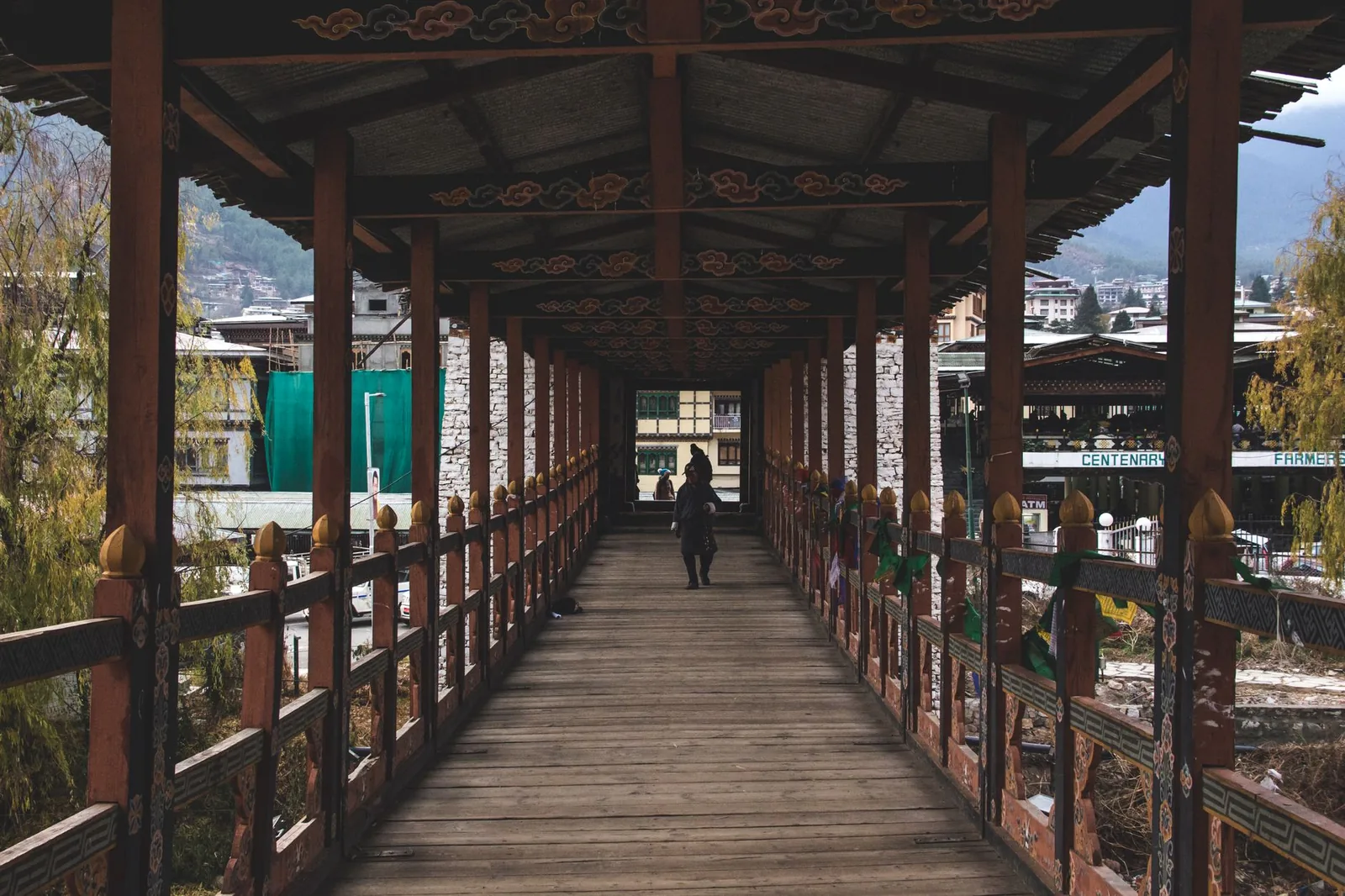
Thimphu
Bhutan’s capital can be reached by road from Paro and offers a contrasting experience of urban Bhutanese life, with museums, markets, religious sites and handicraft experiences. The drive is often described as approximately 80 minutes, but actual travel time varies with road conditions, traffic and weather. A day trip is possible, although travelers with more time may prefer to stay overnight.
Haa Valley via Chele La
The route to Haa Valley combines a high mountain pass with a quieter valley landscape, villages and cultural sites. It is a scenic excursion but depends heavily on weather and road access. Check conditions before departure and allow more time than a simple map distance might suggest.
Punakha
Punakha is known for its dzong, river valleys, Chimi Lhakhang and scenic mountain roads. From Paro, it can be a long day depending on conditions, so an overnight stay is often more comfortable than attempting to return the same evening.
Rural Paro Valley cycling or village excursion
For a gentler outing, arrange a cycling route or guided village excursion through the valley. This provides a closer look at farmhouses, fields, temples and local roads without committing to a long mountain drive. Routes, bicycles and equipment should be arranged locally.
Druk Path approach or a shorter local hike
The complete Druk Path connects Paro and Thimphu over several days, while shorter sections or local hikes can provide highland scenery without the commitment of the full trek. Use an accredited guide for remote or undeveloped routes and check current trail conditions.
Practical Tips for Visiting Paro Bhutan
- Check Bhutan’s current visa or permit rules before booking. Most visitors require a visa, while Indian nationals require a permit and some other nationalities follow separate procedures.
- The Sustainable Development Fee and visa application fee are subject to official policy changes. Current information lists a fee of USD 100 per night for most adult international visitors and a separate one-time visa application fee, but verify the rate and eligibility for your nationality before paying.
- Apply through Bhutan’s official immigration system or use a certified Bhutanese tourism service provider.
- Carry warm layers even outside winter, especially for early starts, high passes and the Tiger’s Nest hike.
- Allow flexibility around flights because Paro operations can be affected by weather and the airport’s mountain setting.
- Dress modestly at monasteries and dzongs. Remove hats and shoes where requested, remain quiet and do not touch religious objects.
- Ask permission before photographing people, monks, ceremonies, homes or private property.
- Do not enter remote or undeveloped areas without appropriate local guidance.
- Carry some Bhutanese ngultrum for smaller businesses and rural areas. Cards are increasingly accepted in urban areas, but coverage and reliability vary.
- Wear sturdy shoes for Tiger’s Nest, Chele La and other uneven or potentially muddy routes.
- Do not assume museums, dzongs and temples have fixed public hours or unrestricted photography. Verify current arrangements locally.
- Distinguish between Paro town and the wider valley when selecting accommodation and planning transfers.
Frequently Asked Questions
Is Paro a city or a town?
Paro is generally described as a town and valley in western Bhutan, although travel content sometimes uses city for convenience. The destination includes a compact urban center and a much larger rural district and valley.
How many days should I spend in Paro?
Three nights is a practical minimum for the main sights and the Tiger’s Nest hike. Four or five nights gives you more flexibility for Chele La, rural cycling, a hot-stone bath and a day trip.
How do I get to Paro?
Most international visitors arrive through Paro International Airport, code PBH. Current direct flight routes vary by airline and season. Bhutan also has official overland entry points from India, although reaching Paro by road involves a longer overland journey.
Do I need a visa to visit Paro?
Paro follows Bhutan’s national entry rules. Most visitors need a visa, Indian nationals need a permit, and Bangladeshis and Maldivians follow separate procedures. Check official Bhutanese immigration information before travel because requirements can change.
How much is Bhutan’s Sustainable Development Fee?
Current official tourism information lists USD 100 per night for adults from countries other than India. Children, Indian nationals and certain short border-town visits may follow different rules. Verify the applicable rate for your nationality and itinerary before paying.
Is the Tiger’s Nest hike difficult?
Yes. It is a demanding uphill hike with substantial elevation gain and uneven terrain. The hike is often described as taking approximately five to six hours, but the duration depends on fitness, weather, breaks, trail conditions and time at the monastery.
Can I rent a car in Paro?
Visitors should not expect to self-drive. Bhutan Tourism recommends a vehicle with driver or transport arranged through a tourism service provider.
What is the best time to visit Paro?
Autumn is widely regarded as one of the most favorable seasons for clear weather and sightseeing, while spring is also attractive. Summer is greener but wetter, and winter is colder but can provide quiet trails and crisp views. Conditions can change quickly in every season.
Planning Your Paro Bhutan Trip
Paro is more than Bhutan’s airport gateway. Give the town and valley enough time and you will find a balanced introduction to the country: major Buddhist landmarks, traditional architecture, rural landscapes, demanding mountain walks and quiet cultural experiences.
Base yourself according to the pace you want. Central Paro is practical and walkable, while the lower and upper valley offer more space and scenery. Plan the Tiger’s Nest hike carefully, keep weather flexibility around flights and mountain excursions, and approach temples and local communities with respect. With three to five nights, Paro can be both the beginning of a Bhutan journey and a rewarding destination in its own right.
Inspired? Start planning your trip.
Move from inspiration to planning with BookingTabs — explore hotels, tours and travel options in one place.
Join the conversation
Ask a question, share a travel tip, or help another traveler plan with confidence.
Leave a comment
No account or email required.