
Yosemite National Park Travel Guide
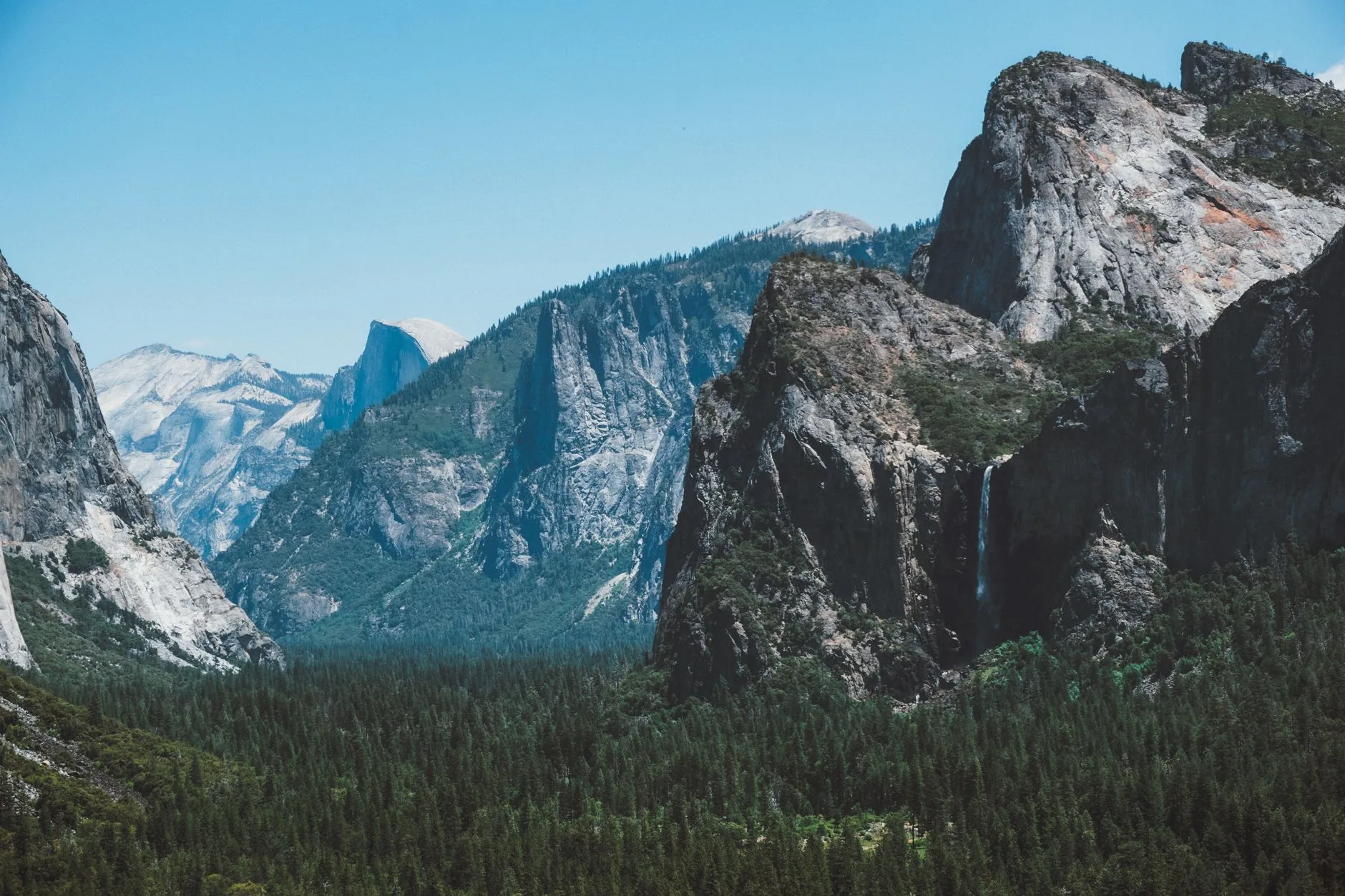
Yosemite National Park is one of the great landscapes of the American West: a vast Sierra Nevada reserve of granite cliffs, waterfalls, giant sequoias, high-country meadows and wilderness. Its most famous sights are concentrated in Yosemite Valley, but the park covers nearly 1,200 square miles, and the distances between districts can be considerable.
That scale is central to planning a successful visit. Yosemite Valley, Mariposa Grove, Glacier Point, Tuolumne Meadows and Hetch Hetchy are not interchangeable stops, and some roads are inaccessible for part of the year. Allow at least two full days for the Valley; three or four days gives you a more realistic chance to explore beyond it without rushing.
The park is open year-round, but road openings, shuttle services, wildfire activity, construction, trail conditions and facilities change quickly. Check the official National Park Service conditions information immediately before departure and again during your stay.
Why Yosemite National Park Is Worth Visiting
Yosemite combines scenery that is easy to appreciate from the roadside with some of California’s finest hiking. In a single trip, you can look across Yosemite Valley from Tunnel View, stand beneath a waterfall, walk through a grove of giant sequoias, drive across the high country and watch the stars away from city lights.
The park is especially rewarding for:
- Hikers, from visitors seeking accessible valley walks to experienced trekkers tackling strenuous rim and wilderness routes.
- Families looking for nature experiences with viewpoints, shuttle access, museums and relatively easy walks.
- Landscape photographers drawn to granite formations, meadows, waterfalls and changing light.
- Climbers interested in landmarks such as El Capitan and Half Dome.
- Wildlife and birdwatching enthusiasts.
- Winter visitors seeking snowshoeing, cross-country skiing and Badger Pass activities when conditions permit.
Waterfalls are often at their most impressive during spring snowmelt, while summer provides the broadest access to roads and high-elevation areas. Autumn may bring quieter conditions, although smoke, snowfall and road closures remain possible. Winter transforms the park with snow but restricts access to several roads and districts.
Weather and the Best Time to Go
There is no single best month for Yosemite. The right season depends on whether you value waterfalls, high-country access, snow scenery, quieter trails or reliable services.
Spring
Spring is often the best season for strong waterfall flow, especially during snowmelt. Lower-elevation roads and trails may be accessible, but Tioga Road, Glacier Point Road and Mariposa Grove Road can remain closed until conditions permit.
Snow, swollen rivers, muddy trails and temporary closures can affect plans. Check road, trail, river and weather conditions rather than relying on typical opening dates.
Summer
Summer generally offers the broadest range of open roads, trails, facilities, lodging, shuttles and tours. It is also the busiest period, with heavy traffic, full parking areas and strong demand for accommodation and camping.
Weekday visits and early arrivals are preferable. In Yosemite Valley, park once and use the shuttle, walk or cycle. High-country roads may be open, but weather can still change quickly at elevation.
Autumn
Autumn can be a useful compromise between access and crowd levels. You may be able to combine Valley sightseeing with high-country visits before seasonal closures, and some areas feel calmer after the summer peak.
Daylight shortens, and snowfall, wildfire smoke, road conditions and shuttle dates vary. Verify all seasonal services for your specific dates rather than assuming they continue through late September or October.
Winter
Yosemite Valley and some lower-elevation routes remain accessible in winter, while snow closes or restricts several high-country roads. Tioga Road and the section of Glacier Point Road east of Badger Pass generally close for the season.
Expect snow and ice, possible chain requirements, reduced services and temporary closures. Badger Pass typically offers winter activities when conditions and facilities permit. Winter travel rewards flexibility and careful preparation.
How to Get Around Yosemite National Park
A car is the most flexible way to reach Wawona, Mariposa Grove, Glacier Point, Hetch Hetchy and Tioga Road. It is less useful once you are in Yosemite Valley, where parking pressure and congestion can make repeated short drives frustrating.
The free Yosemite Valley shuttle serves major stops, including lodging, food services, campgrounds and trailheads. Seasonal services may also connect with Mariposa Grove, Badger Pass and Tuolumne Meadows. A Glacier Point Tour may operate when the road is open.
YARTS buses connect Yosemite with gateway communities including Merced, Fresno, Mammoth Lakes and Sonora, depending on the route and season. Schedules and operating dates must be verified before booking. Public transport is possible, but it does not reach every district, and Hetch Hetchy has no public transportation.
Walking and cycling are practical within the Valley, especially after leaving the car parked. Distances can appear shorter than they are, and shuttle queues may lengthen during busy periods. Regular taxi and rideshare service is limited; do not rely on it for remote trailheads or cross-park transfers.
Yosemite has no commercial airport. Fresno Yosemite International Airport is a practical southern gateway, listed at approximately 1.5 hours by car to Wawona and 2.5 hours to Yosemite Valley. Merced Airport is approximately two hours by car from Yosemite Valley and has year-round YARTS service to the Valley. San Francisco, Oakland, San Jose, Sacramento, Stockton, Reno/Tahoe and Mammoth Yosemite airports may also work depending on your route and the season.
Fuel is available at Wawona, Crane Flat and El Portal, but not in Yosemite Valley. Fuel is no longer available in Tuolumne Meadows. GPS directions can be inaccurate in and around the park, so follow official road signs and maps.
Best Areas to Stay in Yosemite National Park
Looking for a place to stay? Compare hotels for Yosemite National Park on BookingTabs.
Yosemite Valley
Staying in Yosemite Valley puts you closest to the park’s principal landmarks, trailheads, food facilities and visitor services. It is particularly convenient for early starts, sunrise photography and travelers who want to avoid a long drive before hiking.
Inside-park lodging is limited and should be reserved well in advance. Campgrounds and other accommodation options also have high demand, especially from spring through autumn.
Wawona and the South Entrance
Wawona suits visitors arriving via Highway 41, planning to visit Mariposa Grove or interested in historic sites. It is farther from the Valley but well positioned for the southern side of the park.
Fish Camp and Oakhurst, outside the South Entrance, provide additional accommodation, restaurants and supplies along the Highway 41 corridor.
Highway 140 corridor
El Portal, Midpines and Mariposa are useful for visitors approaching through the Arch Rock entrance. Mariposa is a practical gateway town with accommodation, groceries, restaurants and other services, while El Portal is closer to the park.
This corridor can work well for Valley-focused itineraries, particularly when inside-park lodging is unavailable. Build in enough time for the drive and summer traffic.
Highway 120 west corridor
Groveland and nearby communities are useful bases for the Big Oak Flat entrance and access toward Crane Flat. They can suit travelers approaching from the west or combining Yosemite with a wider California road trip.
Tuolumne Meadows and the high country
The Tuolumne Meadows area is appealing for hikers who want to spend more time at elevation, but accommodation, camping and services are seasonal. Access depends on Tioga Road, and facilities may not be available outside the main snow-free period.
Choose your base according to the districts you plan to visit. Staying on one side of the park does not make every other district a quick excursion.
Which Yosemite experience would you most want to build your trip around?
Best Things to Do in Yosemite National Park
Planning your activities? Compare tours and activities for Yosemite National Park on BookingTabs.
Explore Yosemite Valley
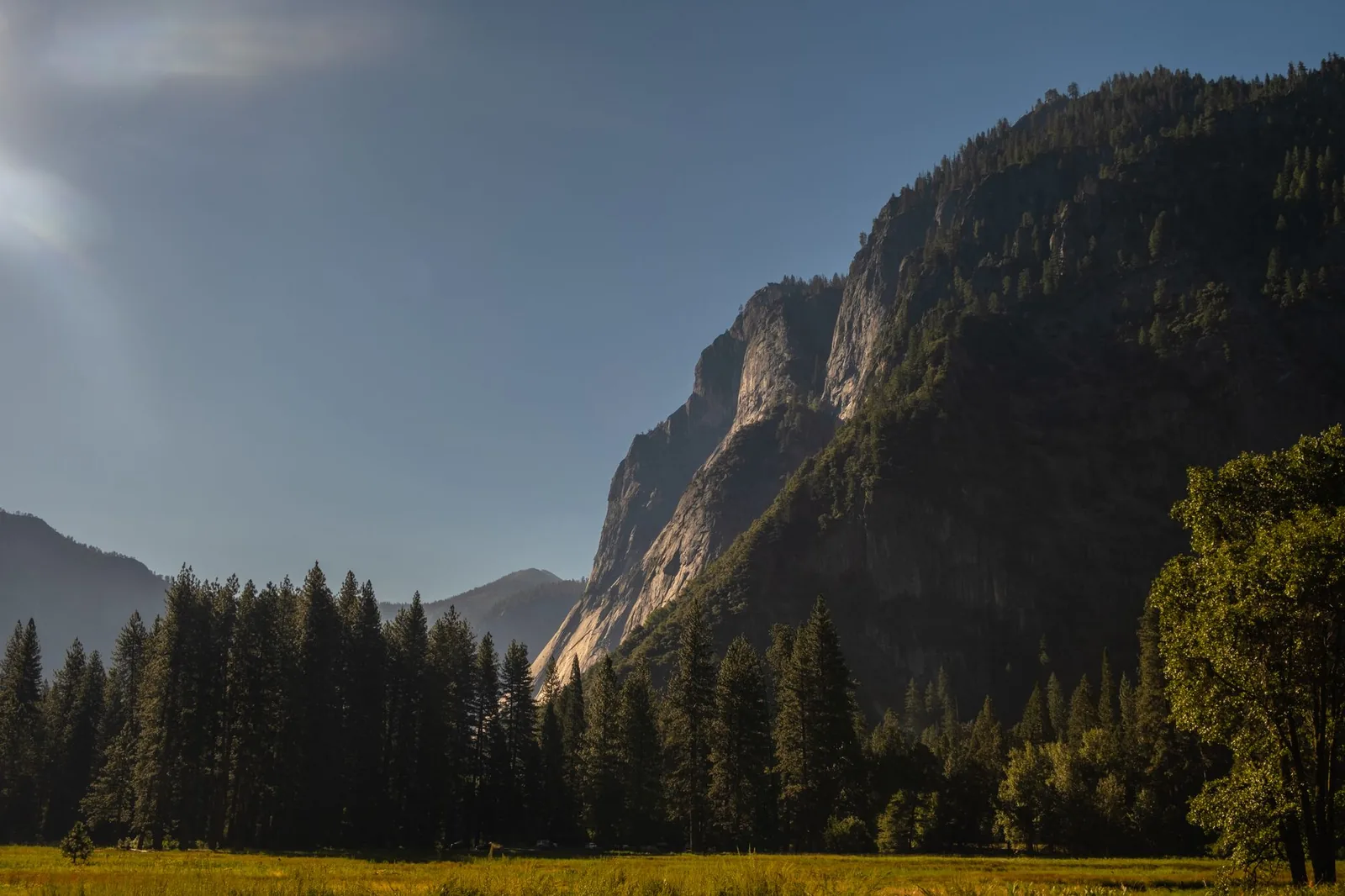
Yosemite Valley is the park’s essential first stop and the place where many visitors encounter its defining scenery: El Capitan, Half Dome, Yosemite Falls, Bridalveil Fall, meadows, river views and sheer granite walls.
The Valley also contains the greatest concentration of visitor services, museums, lodging, food facilities and trailheads. Short walks and accessible routes connect many viewpoints, making it possible to experience a great deal without committing to a long hike.
Traffic and parking can be severe during busy periods. Once you have parked, avoid moving the car repeatedly. Walk, cycle or use the free Valley shuttle to reach major stops, trailheads, lodging and services.
See Tunnel View
Tunnel View is one of Yosemite’s most memorable roadside overlooks. From the viewpoint, Yosemite Valley opens out below you, framed by El Capitan, Bridalveil Fall and Half Dome in the distance.
It is an excellent first or final viewpoint when approaching or leaving via Wawona Road, although parking availability and traffic vary. Arrive early if you want a better chance of finding space during busy periods, and allow extra time for road delays.
Visit Yosemite Falls
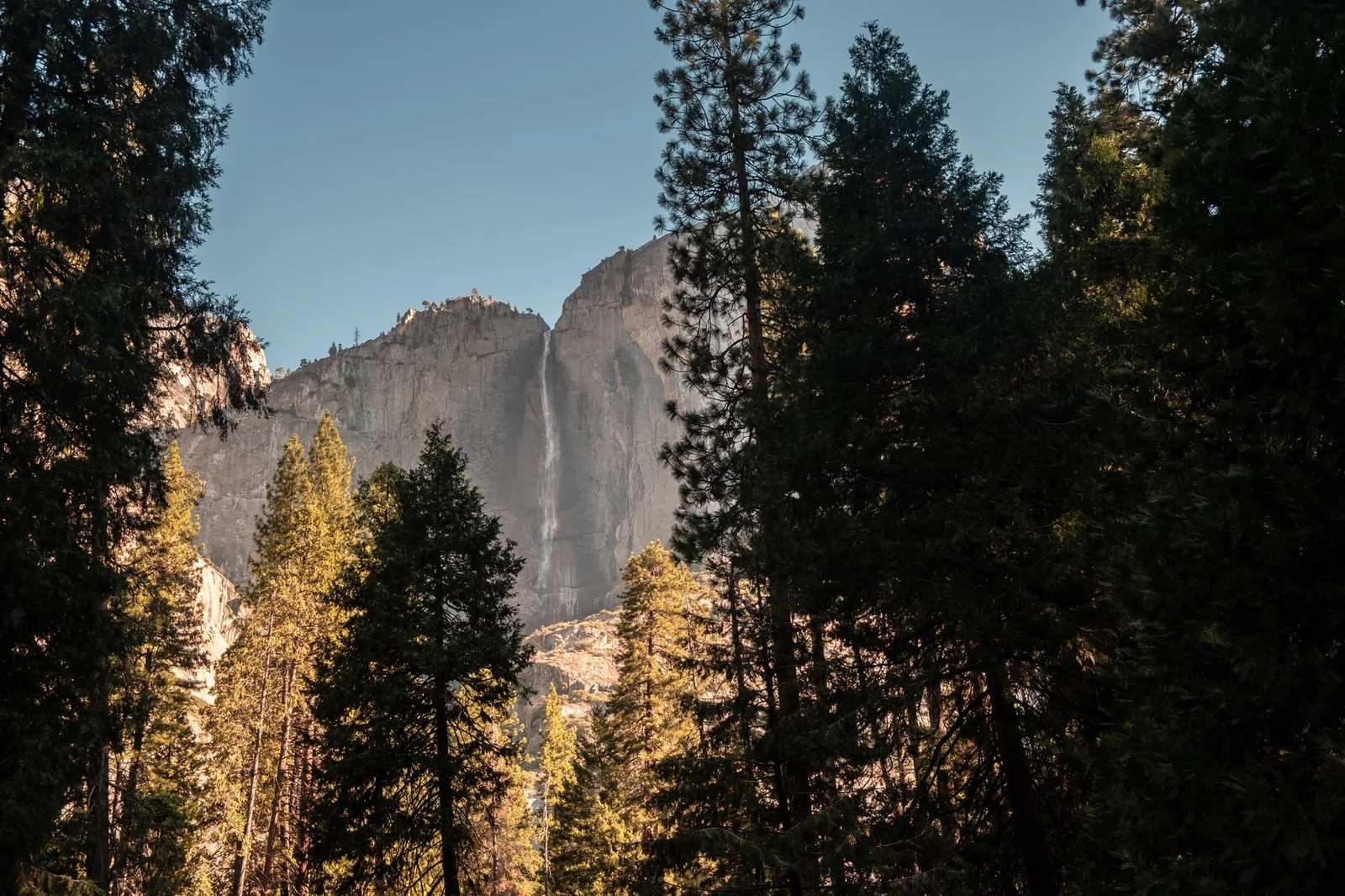
Yosemite Falls is one of the park’s signature landmarks and a major presence in the Valley. The waterfall is often strongest during the spring snowmelt period, when runoff feeds the upper, middle and lower sections. Flow can be much weaker later in the season and in dry years.
You can appreciate the falls from several Valley viewpoints, while more strenuous trails provide different perspectives. Always check current trail conditions, particularly after snow, ice or storms.
Look up at El Capitan
El Capitan is the enormous granite monolith that dominates the northern side of Yosemite Valley. It is a defining landscape feature and one of the world’s best-known rock-climbing landmarks.
Most visitors experience it from Valley roads and viewpoints, where climbers may be visible high on the wall. Climbing itself requires considerable preparation and experience. Routes can also be subject to seasonal closures, including restrictions intended to protect peregrine falcons, so check current climbing notices before making plans.
Plan carefully for Half Dome
Half Dome is visible from many places in Yosemite Valley and is one of the park’s most recognizable formations. Reaching its summit is a strenuous undertaking involving a demanding route and, when the cables are up, the famous cable section.
A permit is required to hike the Half Dome cables when they are in place. Permit procedures, cable dates, trail status, weather and safety conditions must be checked through current National Park Service information. This is not a casual day walk: assess your fitness, water supply, footwear and tolerance for exposure before committing to the route.
Take in Glacier Point
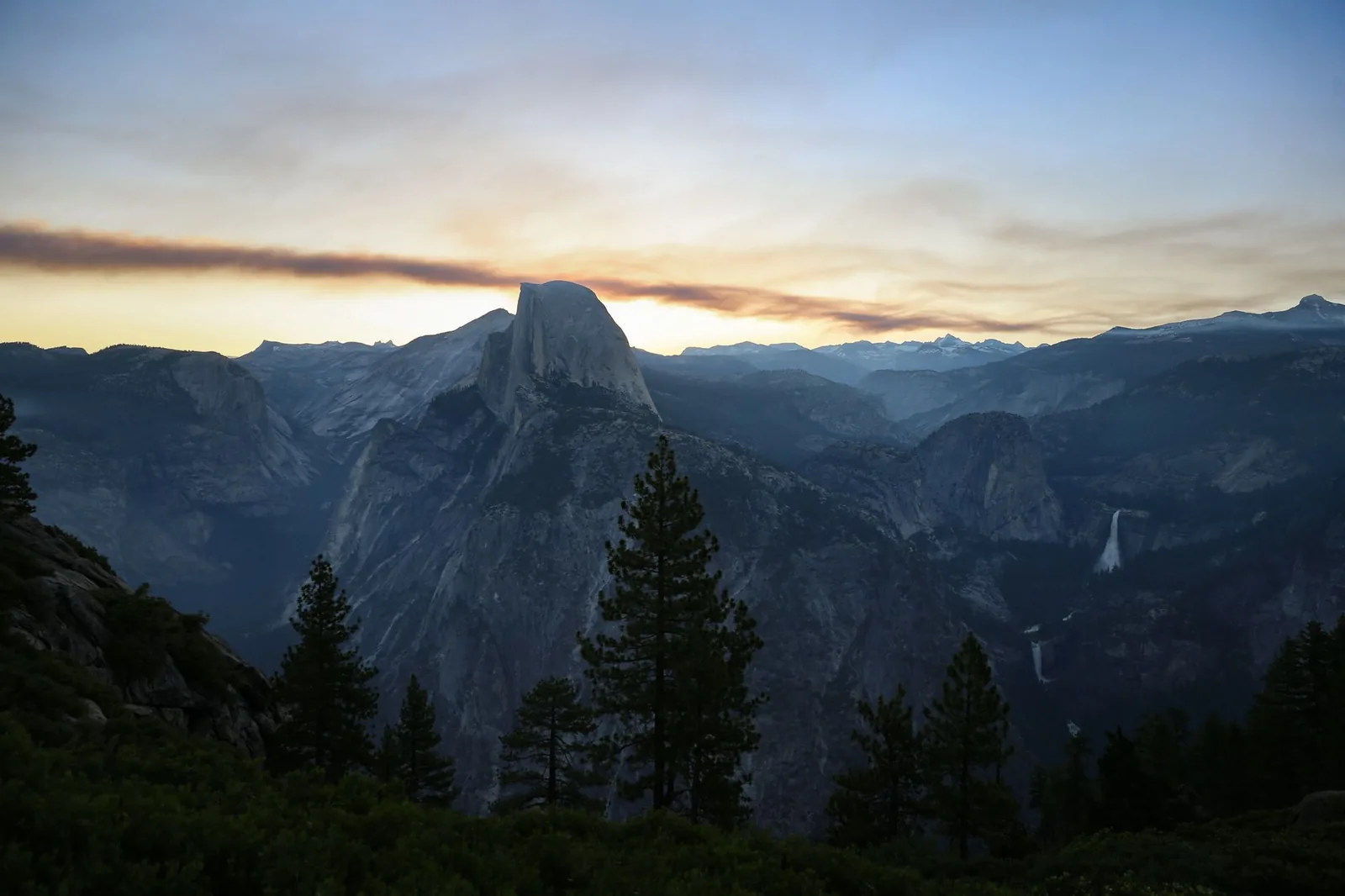
Glacier Point offers broad views across Yosemite Valley and toward Half Dome, Yosemite Falls and the High Sierra. It is one of the most efficient places to gain a high-elevation perspective of the park when the road is open.
Glacier Point Road is generally accessible to cars from approximately late May through October or November, depending on conditions. The road may close earlier or open later in a particular year. A fee-based Glacier Point Tour may operate when the road is open, and reservations are recommended if you plan to use it.
Washburn Point, Sentinel Dome and Taft Point are also reached from the Glacier Point Road corridor when conditions and trail access allow. Do not build an itinerary around these locations until you have checked current road and trail information.
Walk among the giant sequoias at Mariposa Grove
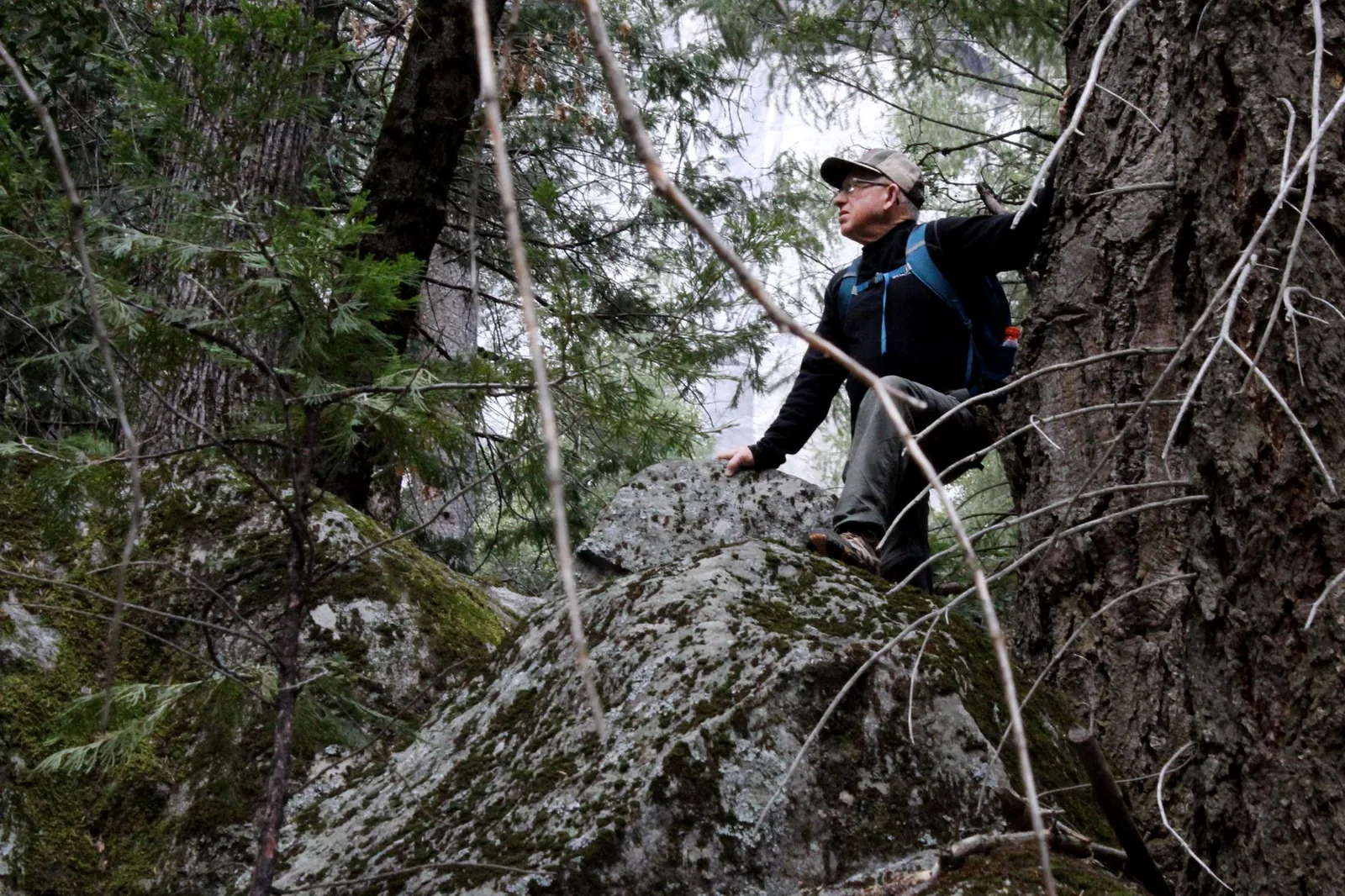
Mariposa Grove is Yosemite’s largest giant sequoia grove, with more than 500 mature giant sequoias. Its trails pass beneath some of the park’s most remarkable trees and provide a change of scale after the open granite scenery of Yosemite Valley.
Most visitors leave their vehicles at the Mariposa Grove Welcome Plaza and use the free seasonal shuttle when it is operating. The road into the grove is generally restricted to vehicles displaying a disability placard when open. Shuttle dates, hours and accessibility conditions vary, so verify them for your travel dates.
Mariposa Grove is in the southern part of the park and works best as part of a southern Yosemite itinerary that also includes Wawona, rather than as a quick detour from the Valley.
Drive Tioga Road to Tuolumne Meadows
Tioga Road crosses Yosemite’s high country, linking the western side of the park with the Eastern Sierra when open. Along the way are granite domes, alpine lakes, meadows and expansive mountain views.
Tuolumne Meadows is the high-country centerpiece: a broad subalpine meadow surrounded by peaks, domes and the Tuolumne River. It is a starting point for numerous hikes, but services, lodging, camping and shuttles are seasonal, and the area can remain snowbound outside the main summer period.
Olmsted Point is another important stop, with views toward Clouds Rest and Half Dome. Do not assume that Tioga Road is open simply because roads in Yosemite Valley are clear. It is generally open only from late May or June through October or November, depending on snow removal and conditions.
Discover Wawona and the Yosemite History Center
Wawona is a historic district near the southern entrance, with access toward Mariposa Grove and a collection of historic buildings and cultural exhibits at the Yosemite History Center. It is a useful addition for travelers entering via Highway 41 or staying in the southern gateway communities.
Wawona is approximately an hour’s drive from Yosemite Valley, subject to traffic and road conditions. Historic buildings, demonstrations and visitor services may operate seasonally.
Visit Hetch Hetchy
Hetch Hetchy is a quieter, less-central district in Yosemite’s northwest, known for its reservoir, granite scenery and trails including the route toward Wapama Falls.
There is no public transportation to Hetch Hetchy. Hetch Hetchy Road is open only during daylight and may close when snow is falling or overnight snow is forecast. Parking can fill during busy periods, so check access conditions before making the drive.
Stargaze and join ranger programs
Away from nearby city lights, Yosemite offers good opportunities for stargazing. Ranger programs, museums and historic sites add context to the park’s geology, ecology and human history. Program schedules and locations change seasonally, so consult current park information after arrival.
Local Food and Drink
Yosemite Valley has cafeterias, grills, grocery facilities, pizza, casual restaurants and full-service dining connected with park lodging. The Ahwahnee Dining Room provides a historic full-service setting, while the Mountain Room Restaurant at Yosemite Valley Lodge offers views toward Yosemite Falls. Curry Village has casual dining options including pizza.
Menus, operating hours, reservations and seasonal availability change, so check current information before depending on a particular venue. Services are dispersed, and some high-country facilities close outside the main season.
Gateway towns such as Mariposa, Oakhurst, Fish Camp, El Portal and Groveland are useful for stocking up on groceries, picnic supplies and takeaway food. Picnic areas are available throughout the park, generally on a first-come, first-served basis.
Bear regulations are essential. Store food, drinks, toiletries, cosmetics, trash and other scented items in approved food lockers, bear-resistant containers, vehicles as permitted or hard-sided lodging. Never leave scented items in tents or tent cabins.
Places to Visit Beyond Yosemite National Park
Yosemite’s surrounding communities are better considered gateway stops or extensions than quick day trips from the Valley. Distances and mountain roads make early starts essential.
Mariposa
Mariposa is a useful Highway 140 gateway with accommodation, restaurants, groceries, museums and access toward the Arch Rock entrance. It can serve as a base for Yosemite day visits, although traffic means you should start early.
Oakhurst and Bass Lake
Oakhurst and Bass Lake lie along the Highway 41 corridor and work well for southern Yosemite access, supplies and restaurants. They can also support a wider foothill itinerary beyond the park.
Groveland
Groveland is a western and northwestern gateway on Highway 120, useful for access toward Big Oak Flat and Crane Flat. It is a practical base for travelers approaching from the west.
Mammoth Lakes and the Eastern Sierra
Mammoth Lakes is a useful add-on when Tioga Road is open, offering access to the eastern side of Yosemite and the wider Eastern Sierra. If Tioga Road is closed, the alternative route around the Sierra can add many hours, so do not plan this as a simple cross-park drive without checking conditions.
Mono Lake
Mono Lake can be added when traveling via Lee Vining and Tioga Road. It is not a sensible casual add-on from Yosemite Valley unless you have accounted for the long mountain drive, seasonal access and return journey.
Sequoia National Park
Sequoia National Park is a possible multi-day extension rather than a local excursion. The drive from Yosemite Valley to the Giant Forest and Lodgepole area is approximately four hours by road, subject to route and conditions. Plan an overnight stop if combining the parks.
Essential Travel Tips
- In 2026, no timed entrance reservation is required to enter Yosemite, but the applicable entrance fee still applies. This policy is specific to 2026 and should be rechecked for future years.
- Lodging, camping, wilderness travel and Half Dome hikes may require separate reservations or permits.
- Check current conditions, road status, webcams, weather, fire information and trail closures immediately before travel and again on the day of arrival.
- Visit on weekdays and arrive early whenever possible, particularly in summer.
- Reserve accommodation and campsites well ahead; do not assume a campsite will be available without a reservation.
- Carry water, food, layers, sun protection and basic hiking supplies. Services are widely spaced.
- Treat rivers, waterfalls and wet rocks as dangerous. Fast currents, cold water and slippery surfaces can be fatal. Never swim above waterfalls or in swift water.
- Keep at least 50 yards from bears outside developed areas and follow current wildlife guidance.
- If driving between western and eastern Yosemite, confirm that Tioga Road is open. A closed crossing can add many hours to the journey.
- Save maps and key information before entering the park. Cellular coverage and internet access are limited in parts of Yosemite.
- Do not try to visit Yosemite Valley, Glacier Point, Mariposa Grove and Tuolumne Meadows in one day without checking distances and seasonal access.
- Check for wildfire smoke, construction delays, bridge work, temporary closures and changing shuttle timetables.
Yosemite National Park Travel FAQ
Do I need an entrance reservation for Yosemite in 2026?
No. A timed entrance reservation is not required in 2026, although visitors still need to pay the applicable entrance fee. Recheck the policy if traveling in a later year.
How many days do I need in Yosemite?
Two full days can cover the principal Yosemite Valley viewpoints and shorter hikes. Three to four days is more practical if you want to add Mariposa Grove, Glacier Point, Wawona or Tuolumne Meadows. Hikers and travelers visiting several districts should allow longer.
What is the best airport for Yosemite?
Fresno Yosemite International Airport is a practical southern gateway, especially for Highway 41, Wawona and Mariposa Grove. Merced Airport is useful for the Highway 140 approach and has YARTS service to Yosemite Valley. There is no airport inside the park.
Can I visit Yosemite without a car?
Yes, but access is more limited. YARTS, connecting bus and rail services, the Valley shuttle and selected seasonal tours can cover some major routes. Hetch Hetchy has no public transportation, and there is no comprehensive taxi or rideshare network inside the park.
When is Tioga Road open?
Tioga Road is generally open approximately from late May or June through October or November, but exact dates depend on snow removal, weather and road conditions. Check current National Park Service updates before planning a cross-park drive.
Do I need a permit to hike Half Dome?
Yes. A permit is required to hike the Half Dome cables when they are up. Check current permit procedures, cable dates, weather and trail conditions before planning the hike.
Where should I stay for a Yosemite visit?
Inside-park lodging is convenient for early starts but limited. El Portal and Mariposa are useful on the Highway 140 corridor; Oakhurst and Fish Camp suit the southern approach; and Groveland works for Highway 120. Choose according to the entrance and districts you plan to visit.
Are Yosemite’s waterfalls visible year-round?
Many remain visible outside spring, but flow varies substantially. Snowmelt usually produces the strongest waterfalls, while late summer and dry years can bring much weaker flow or dry falls.
Planning Your Yosemite National Park Trip
Yosemite is most rewarding when treated as a large mountain region rather than a single scenic stop. Give yourself enough time, choose a base that matches your route and accept that seasonal access will shape the itinerary.
For a first visit, combine two days in Yosemite Valley with either Mariposa Grove and Wawona, Glacier Point, or the high country if roads are open. Arrive early, park once in the Valley, carry supplies, respect bear and water-safety rules, and check current conditions before every major outing. That preparation leaves more time to enjoy the granite walls, waterfalls, meadows and quiet stretches that make Yosemite exceptional.
Inspired? Start planning your trip.
Move from inspiration to planning with BookingTabs — explore hotels, tours and travel options in one place.

Join the conversation
Ask a question, share a travel tip, or help another traveler plan with confidence.
Leave a comment
No account or email required.