
Munich Travel Guide
Munich is one of Germany’s easiest cities to enjoy in a short visit. Its historic center is compact and walkable, while an efficient public transport network connects the central districts with palaces, museums, parks and the airport. Add excellent food, a deeply rooted beer culture and quick access to lakes, mountain towns and castles, and Munich works equally well for a first trip to Germany, a long weekend or a longer Bavarian itinerary.
Three or four full days allow time for the principal sights without rushing. With only two days, concentrate on the Old Town and choose one major museum or palace. If you want to visit Neuschwanstein, Salzburg, the Zugspitze or another destination beyond the city, add at least one extra day.
Why Visit Munich
Munich is Bavaria’s capital and a major cultural, historical and commercial center in southern Germany. The city manages to feel substantial without being difficult to navigate. Marienplatz, the Frauenkirche, the Munich Residence, Viktualienmarkt and several shopping streets can be linked on foot, making the center particularly rewarding for first-time visitors.
The city also offers more than historic architecture. The Deutsches Museum covers science and technology, the Kunstareal brings together major art institutions, and BMW Welt and the BMW Museum appeal to visitors interested in design and engineering. Families have plenty of practical choices, from museums and parks to the landscaped grounds of Nymphenburg and Olympiapark.
Munich’s food culture is another reason to visit. Traditional taverns serve roast pork, pork knuckle, dumplings and Weißwurst, while markets and beer gardens offer more informal ways to eat. The English Garden and the Isar provide a welcome change of pace within the city, and the surrounding Bavarian countryside makes Munich an excellent base for excursions.
Oktoberfest is the city’s most famous event, but it is only one part of Munich’s appeal. The festival usually runs from mid-September into early October and brings exceptionally high demand for accommodation and transport. The 2026 festival is scheduled for September 19 to October 4; check the official dates and visitor rules for the year of your trip.
Best Things to Do in Munich
Planning your activities? Compare tours and activities for Munich on BookingTabs.
Start at Marienplatz and the New Town Hall
Marienplatz is the natural starting point for a Munich itinerary. The square is surrounded by historic buildings and leads directly into the pedestrianized heart of the Old Town. The New Town Hall, or Neues Rathaus, dominates the scene with its elaborate Gothic façade and famous Glockenspiel.
From here, it is easy to continue to the Frauenkirche, Viktualienmarkt, the Residence and the main shopping streets. Tower visits and guided tours of the New Town Hall are available, but schedules and ticket arrangements can change, so check current details before visiting.
For a first orientation, arrive early or return in the evening, when the square is generally calmer than during the busiest daytime periods. The surrounding streets are also a useful place to begin a walking route through central Munich.
See the Frauenkirche
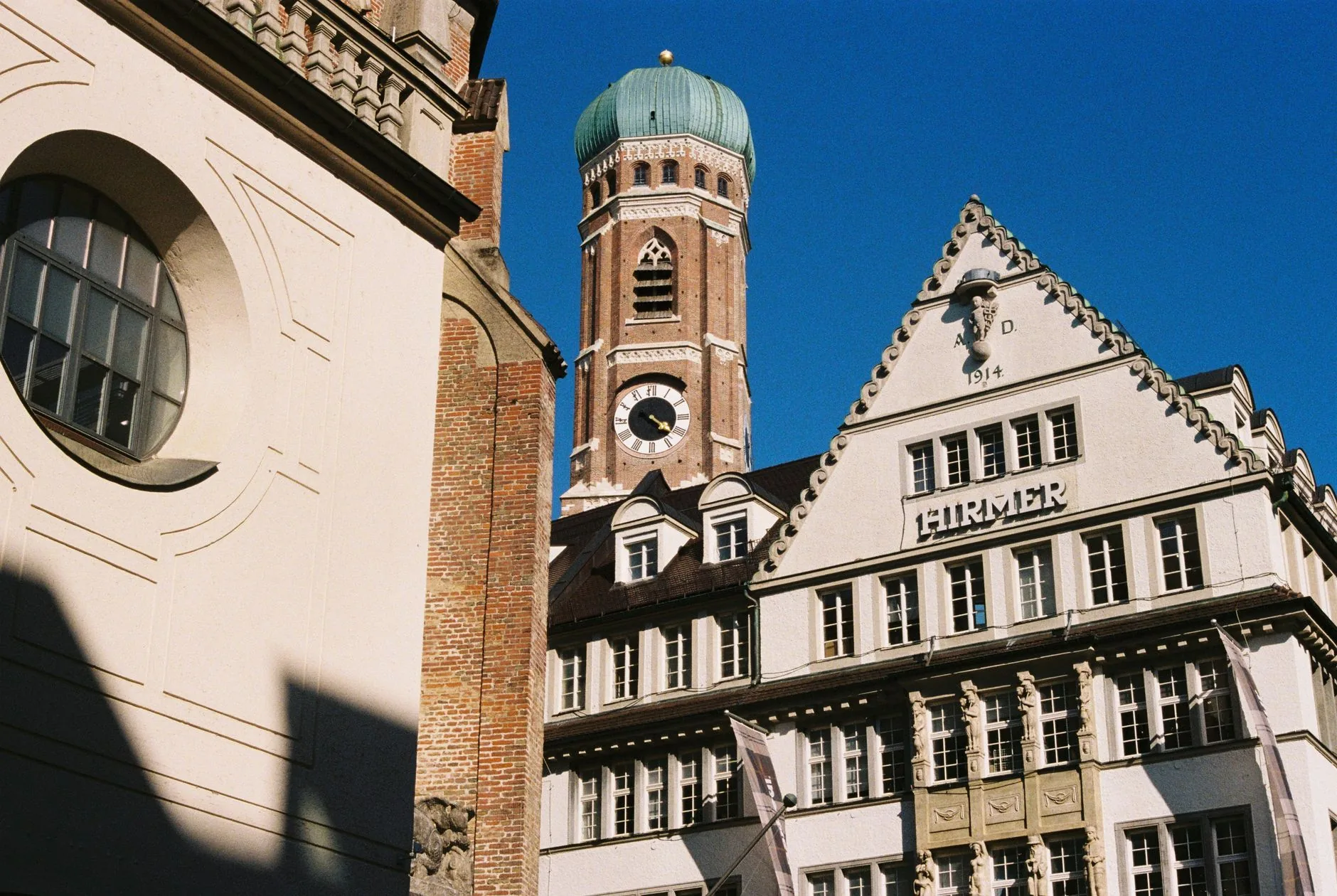
The twin towers of the Frauenkirche are among Munich’s most recognizable landmarks. This large Gothic cathedral occupies a central position in the Old Town and remains an active place of worship, so visitors should be mindful of services and religious use.
The south tower viewing platform is known for its city panorama. Access arrangements and opening times can vary, so verify current information before planning a visit specifically for the view. Even without going up the tower, the cathedral is an important stop on any central walking route.
Explore the Munich Residence
The Munich Residence was the seat of Bavaria’s dukes, electors and kings. Today, the complex contains the Residence Museum, Treasury and Cuvilliés Theatre, offering an extensive look at royal interiors, ceremonial rooms and Bavarian history.
This is one of the city’s most rewarding attractions for architecture and history enthusiasts. The scale of the interiors means it deserves more than a hurried visit. Allow enough time to appreciate the succession of courtyards, galleries and decorated rooms rather than treating it as a brief photo stop.
The museum and Treasury generally operate on seasonal schedules, and individual areas can occasionally close for restoration or events. Check current opening times, prices and combination-ticket options before going.
Browse Viktualienmarkt
Viktualienmarkt is Munich’s central open-air food market and a practical place to sample Bavarian specialties without committing to a long restaurant meal. Its stalls sell regional produce, bread, cheese, prepared foods, snacks and international ingredients. There is also a beer garden at the center of the market.
It is particularly useful around lunchtime, when you can combine a market visit with the nearby Old Town sights. Opening patterns vary between individual traders, and some businesses may close on Mondays, so do not assume every stall follows the same schedule.
Try a pretzel, Obatzda or another local snack, then return later in the trip if you want to explore more of the market. Its central location makes it easy to fit into several different itineraries.
Walk through the English Garden
The English Garden is one of Munich’s defining green spaces. It stretches from the edge of the Old Town toward the northern districts and includes broad lawns, wooded paths, waterways, beer gardens, Kleinhesseloher See and the Monopteros viewpoint.
The Eisbach wave, close to the southern end of the park, attracts visitors watching experienced surfers ride the standing wave. It is not a normal swimming area: the current is hazardous, and visitors should follow local signs and safety rules.
The park works well in any season, but summer is ideal for combining a walk with outdoor dining. Schwabing lies close to the northern part of the English Garden, while the Old Town is within easy reach of the southern end.
Visit Nymphenburg Palace
Nymphenburg Palace was a summer residence of the Wittelsbach family and is one of Munich’s major royal attractions. The complex includes the palace, landscaped grounds, the Marstallmuseum, porcelain collections and several park pavilions.
The palace interiors provide a different experience from the urban grandeur of the Munich Residence. Here, the extensive grounds are part of the appeal. In warmer months, you can combine the museum visit with a long walk through the formal park and surrounding landscape.
The park pavilions operate seasonally and close during winter, while the main palace and museums follow their own seasonal schedules. Check current details before setting out, particularly if you are visiting outside spring and summer.
Choose a museum district
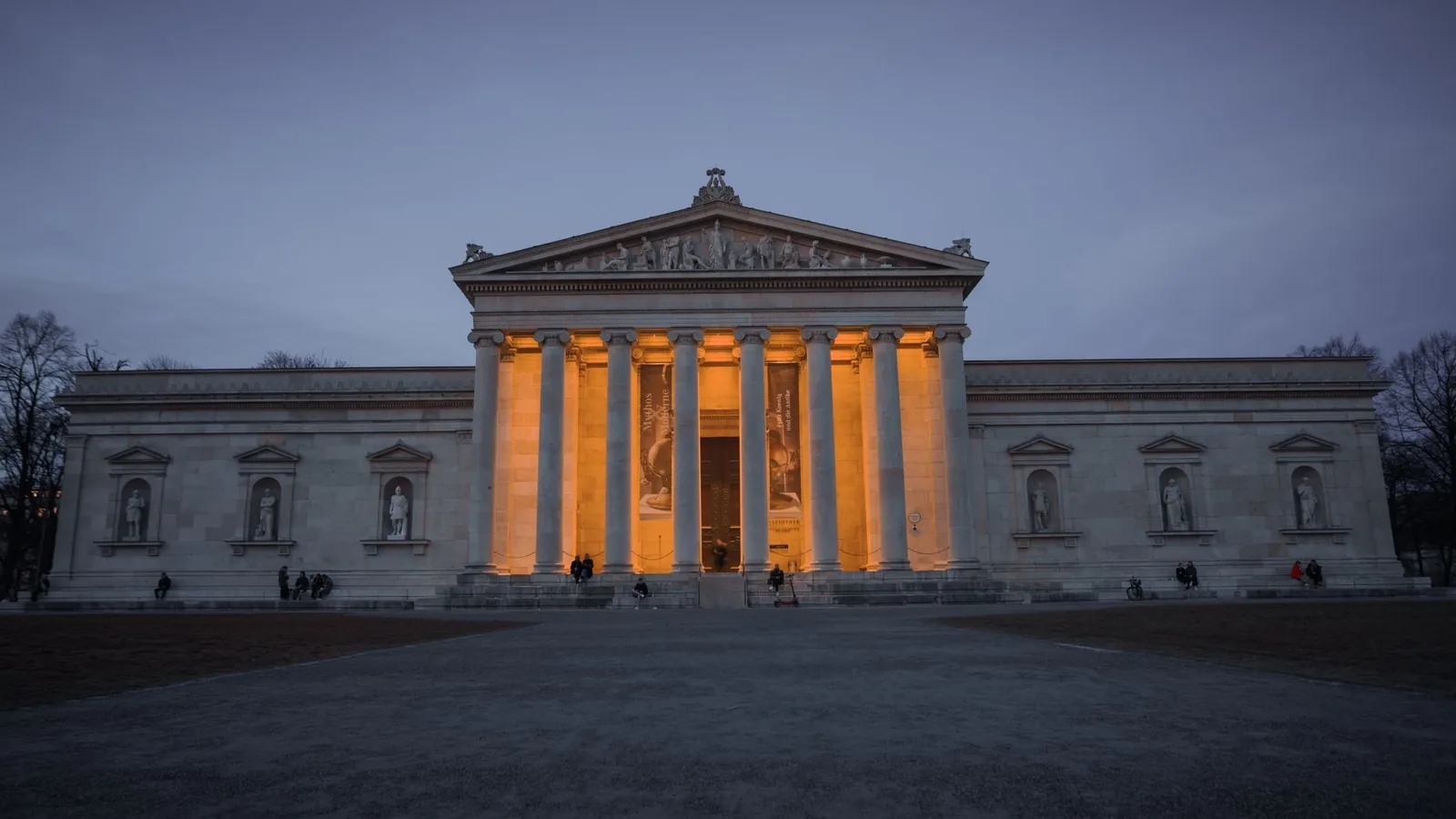
Munich has enough museums to support an entire trip. The Kunstareal in Maxvorstadt is the city’s principal art district, with major collections, galleries, universities and monumental spaces around Königsplatz. Rather than trying to see everything in one day, choose one or two institutions that match your interests and plan around their individual closing days.
The Deutsches Museum on Museum Island is a strong choice for science, technology, engineering, transport and industrial history. It suits adults as well as families and is particularly useful on a rainy day. The museum has multiple branches, so confirm the location and exhibitions you want before purchasing admission.
Automotive enthusiasts should head to BMW Welt and the adjacent BMW Museum. BMW Welt presents current vehicles and design, while the museum focuses on the company’s history and technical development. BMW Welt admission is free, while the BMW Museum requires a ticket. Olympiapark is nearby and can be combined with the visit.
Spend time in Olympiapark
Olympiapark was created for the 1972 Olympic Games and remains one of Munich’s most distinctive urban areas. Its landscaped grounds, sweeping roof architecture and event venues create a different atmosphere from the Old Town.
The park is worth visiting even when no major event is taking place. Concerts, sporting fixtures, tower access and other attractions operate on separate schedules, so check the current calendar if you want to attend a specific event or enter a particular venue.
Football fans may also want to check the current schedule for matches and visits connected with FC Bayern. Availability and access arrangements change according to the event calendar.
Experience a traditional beer hall
The Hofbräuhaus is Munich’s best-known beer hall and one of the city’s most recognizable expressions of Bavarian beer culture. It is a lively commercial venue rather than a museum, so expect crowds and check current dining or event arrangements.
For a broader experience, visit a traditional tavern or beer garden outside the main tourist center. Munich’s beer culture includes Helles lager, Weissbier and seasonal variations, and the city is associated with six major breweries. In a beer garden, a Maß means a one-litre beer; it is not a small serving.
Where to Stay in Munich
Altstadt
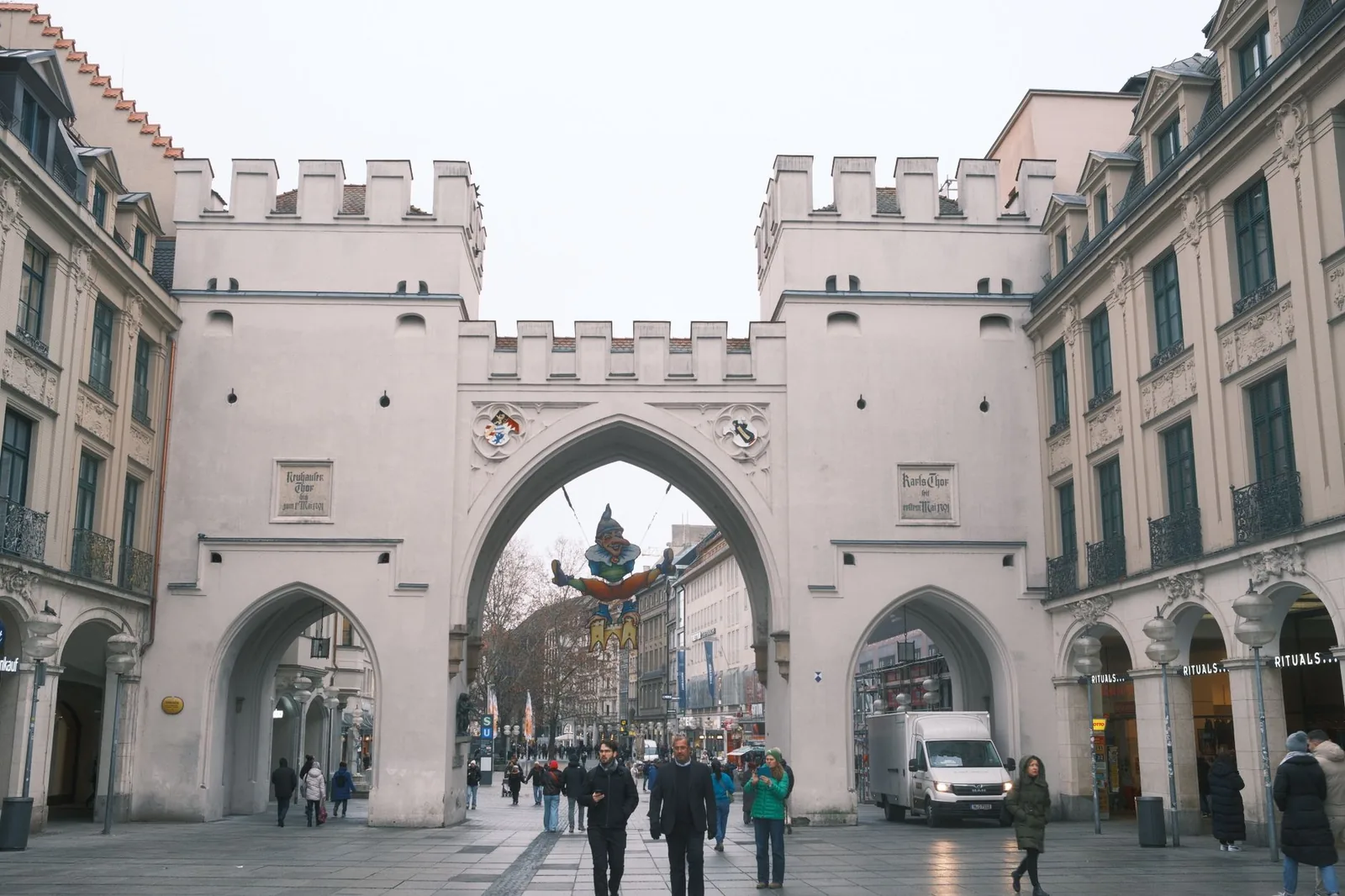
The Old Town is the most convenient base for a first visit. Marienplatz, the Frauenkirche, Viktualienmarkt, the Residence, Hofbräuhaus, churches and central shopping streets are all close by. Staying here makes it easy to return to your room during the day, though it can be busy and more expensive than districts farther out.
Maxvorstadt and Kunstareal
Maxvorstadt is a strong choice for museum-focused travelers and visitors who enjoy cafés, galleries and a more local, student-oriented atmosphere. The Kunstareal museums and Königsplatz are nearby, while the Old Town is accessible on foot or by public transport.
Schwabing
Schwabing has a long association with artists and writers and is known for cafés, Jugendstil architecture, Leopoldstraße and its proximity to the English Garden. It suits visitors who want restaurants and neighborhood life while remaining within easy reach of central attractions.
Glockenbachviertel and Gärtnerplatz
This lively central area is known for independent shops, restaurants, bars, nightlife and a prominent queer cultural scene. Its location near the Isar makes it appealing for visitors who want evening activity and easy access to riverside walks.
Haidhausen and Au
Haidhausen and Au have a more residential, village-like feel, with historic buildings, cafés, small shops, Wiener Platz and beer gardens. They offer a good balance between neighborhood atmosphere and access to the center.
Westend
Westend lies close to Theresienwiese, the site of Oktoberfest, and has a multicultural restaurant scene. It can be useful during the festival or for travelers who want to stay outside the most tourist-heavy part of the center. Check transport connections and event-period availability carefully.
What to Eat in Munich
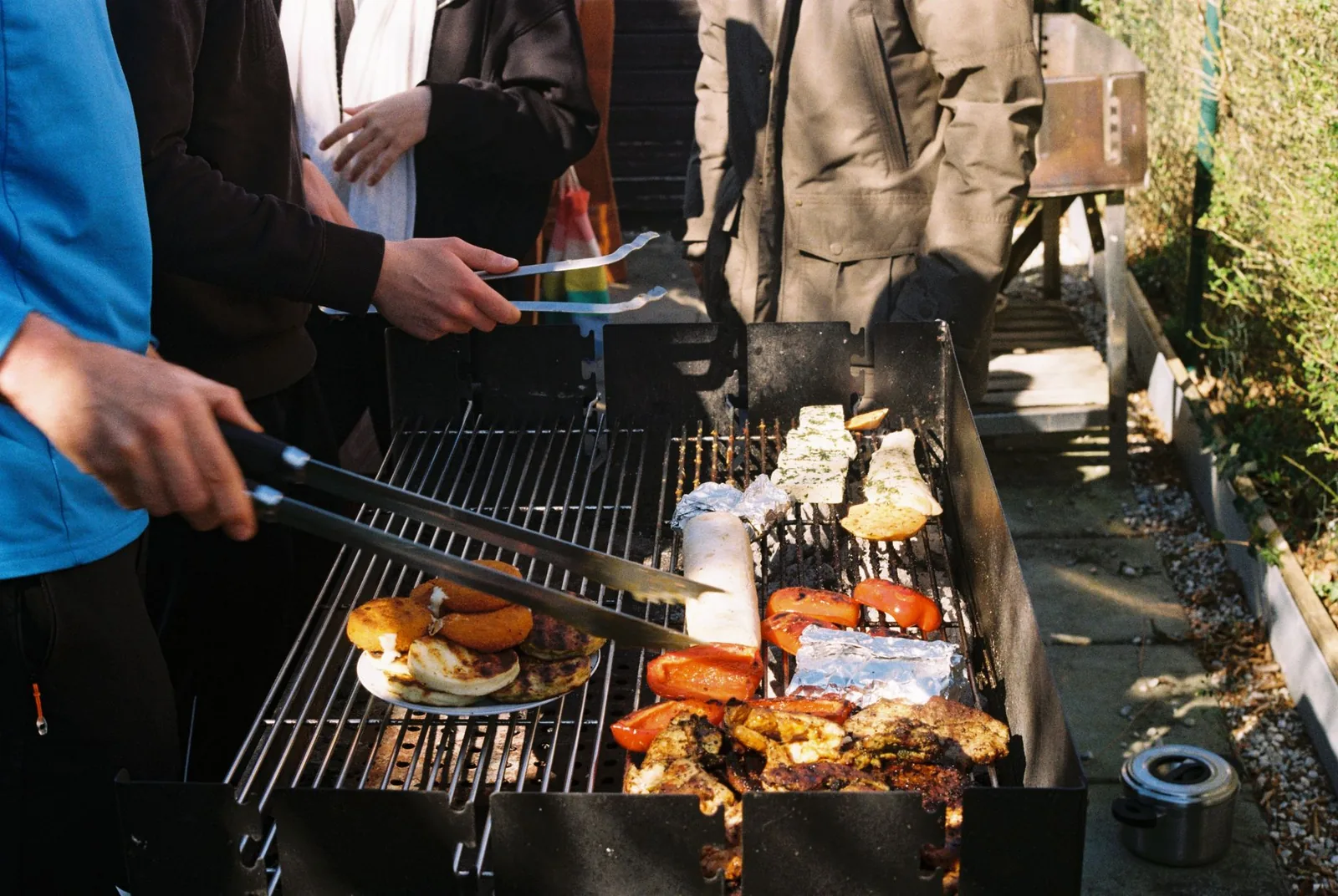
Munich’s traditional food is filling, straightforward and well suited to informal dining. Start with Weißwurst, a white sausage commonly served with sweet mustard, a pretzel and wheat beer. Its traditional late-breakfast association is still widely recognized, although visitors do not need to treat the timing as an inflexible rule.
Other classic dishes include Schweinebraten, roast pork served with gravy and dumplings, and Schweinshaxe, a crisp pork knuckle often paired with cabbage or potato-based sides. Obatzda, a seasoned Bavarian cheese spread, is ideal with bread or pretzels in a beer garden or traditional inn.
For a quick meal, explore Viktualienmarkt, a bakery or a market stall. Brotzeit, the Bavarian tradition of an informal bread-and-snack meal, is an easy way to eat without a long restaurant booking.
Order Helles lager if you want the classic Munich beer style, or choose Weissbier for a wheat beer. Beer gardens vary in how they handle self-service, outside food and table service, so check local arrangements rather than assuming every venue works the same way.
Weather and the Best Time to Go
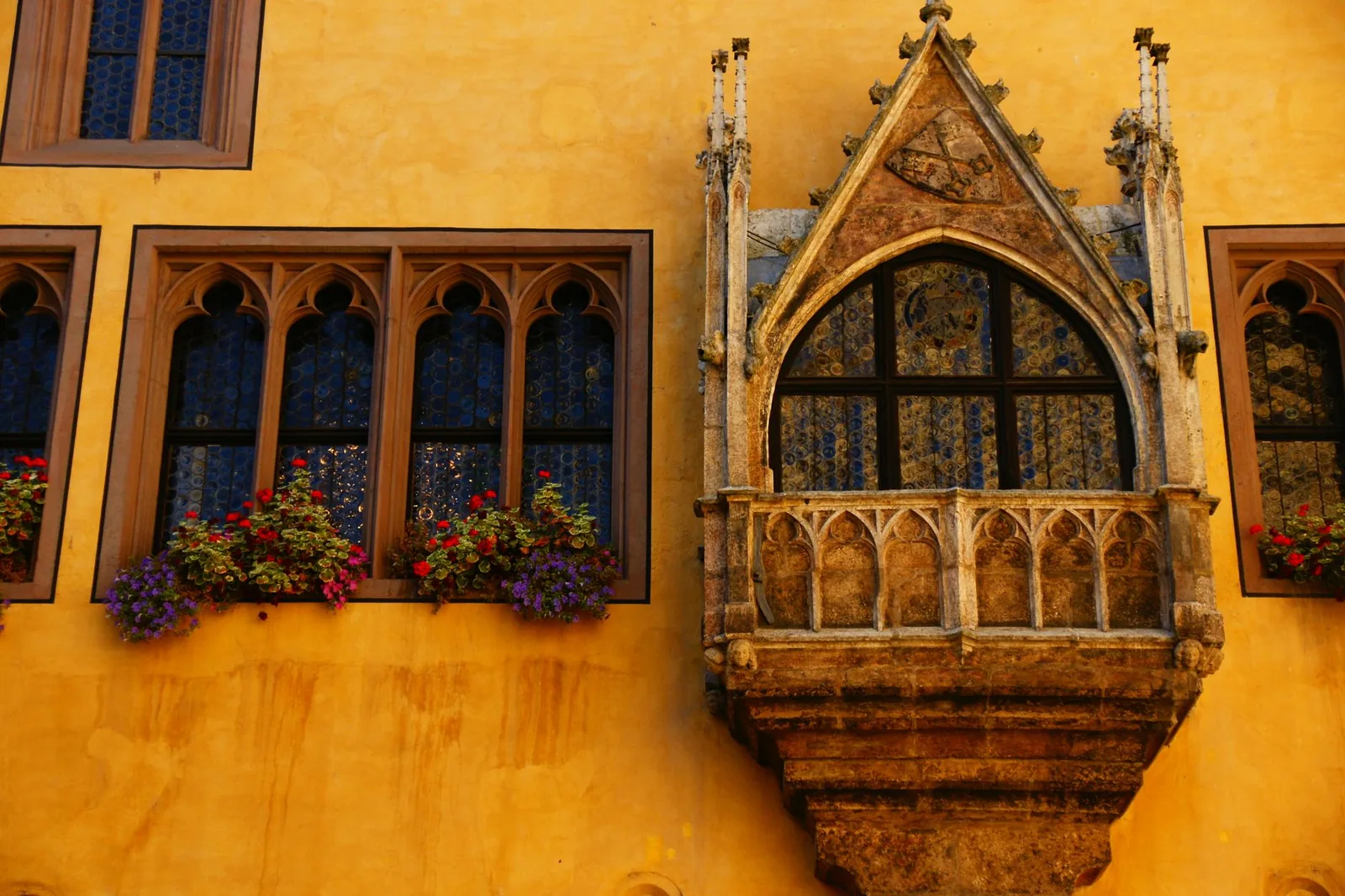
Late spring through early autumn usually offers the best combination of long daylight, pleasant conditions and access to parks, beer gardens and nearby Alpine destinations. Summer is popular and can be busy, particularly at weekends and during major events.
Spring
Spring is a good time for museums, historic sights and parks. Outdoor dining and beer-garden season gradually become more attractive as the weather improves. Some Nymphenburg park facilities and fountains operate seasonally, so check the current schedule if they are central to your plans.
Summer
Summer brings the longest days and is well suited to the English Garden, the Isar, outdoor meals and mountain excursions. It is also a high-demand season, and popular accommodation can fill quickly around weekends, concerts and sporting events.
Autumn
Early autumn offers comfortable conditions for sightseeing and museum visits. Oktoberfest generally takes place from mid-September into early October. During the festival, accommodation prices and visitor numbers rise sharply, particularly around weekends and October 3. Book well ahead and expect heavier demand on public transport.
Winter
Winter suits travelers who prefer museums, palaces, churches, shopping and festive city breaks. Christmas markets add seasonal atmosphere, although exact dates vary. Some palace facilities, including Nymphenburg’s park pavilions, close in winter, and several attractions use reduced seasonal hours.
Transport in Munich
Munich is easy to visit without a car. Walk between the main Old Town sights, then use the MVV network for longer journeys. MVV combines S-Bahn trains, U-Bahn services, trams, buses and regional transport. The fare system is zone-based, with central Munich designated Zone M.
Use the MVV app or journey planner shortly before traveling. Engineering work, disruptions and temporary timetable changes can affect services, particularly on the S-Bahn network. A day ticket or group ticket may be useful depending on your itinerary, but airport travel requires wider zone coverage than journeys within central Munich.
Munich Airport, also known as Franz Josef Strauss Airport, is northeast of the city. S1 and S8 S-Bahn services connect it with central Munich. They run alternately, providing a combined service roughly every ten minutes under normal conditions, and the journey takes approximately 35 minutes. S8 uses the eastern route through stations including Marienplatz, while S1 follows the western route.
Check current airport fares and ticket conditions before travel, as prices and products can change. Allow extra time for the airport journey when planning an early flight or a connection. Taxis can be useful for late arrivals, heavy luggage or accommodation away from direct rail routes, but a car is generally unnecessary for central sightseeing.
Which Munich experience would you most want to build your trip around?
Easy Day Trips from Munich
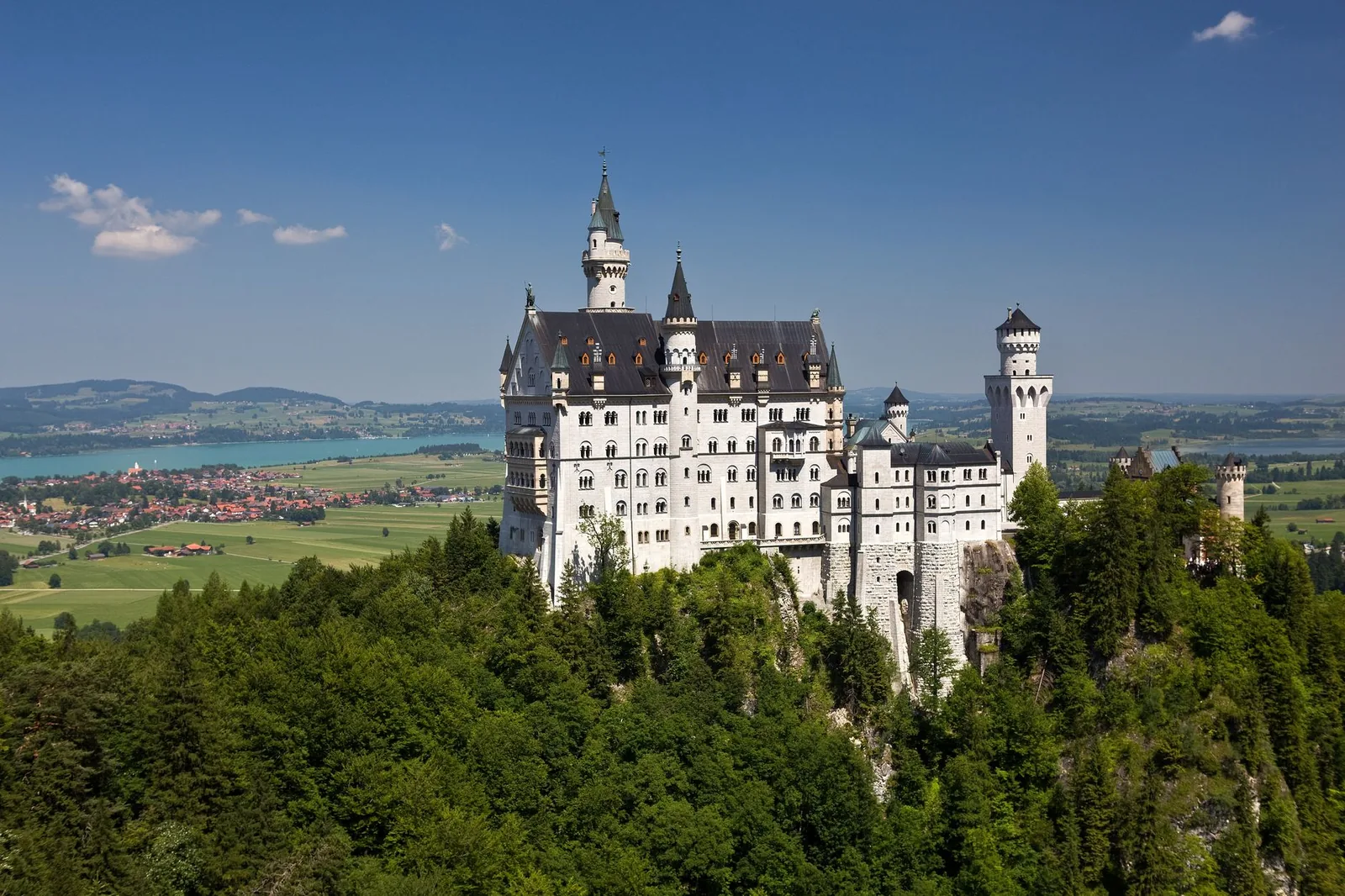
Neuschwanstein Castle and Hohenschwangau
Neuschwanstein is Bavaria’s most famous castle excursion and a demanding but worthwhile full-day trip. The journey involves rail and bus connections or an organized tour, followed by the local transfer from Hohenschwangau toward the castle. The Marienbrücke viewpoint is a major draw, although access can depend on weather and local conditions.
Castle tickets can sell out, so plan the interior visit in advance. Do not underestimate the time needed for transport, the ascent and the return journey.
Salzburg
Salzburg makes an appealing international day trip, with a Baroque Old Town, Mozart-related sites, Mirabell Gardens and Hohensalzburg Fortress. The train journey is approximately 1.5 hours under the usual timetable, but check current schedules, fares and travel conditions before departure.
It is possible to see the principal sights in a day, although an overnight stay gives the city a more relaxed pace.
Dachau Concentration Camp Memorial Site
The Dachau Concentration Camp Memorial Site is an important place of remembrance and historical education at the location of the former concentration camp. It should be approached with respect and not treated as conventional sightseeing.
Public transport access involves traveling to Dachau and continuing by local bus. Check current opening times, guided-tour availability and transport details before visiting.
Garmisch-Partenkirchen and the Zugspitze
Garmisch-Partenkirchen offers an Alpine town experience, while the Zugspitze provides mountain scenery and access to Germany’s highest peak. Depending on conditions and timing, the excursion can also include Eibsee or Partnachklamm.
Mountain railways, cable cars, gorges and hiking routes are weather- and season-dependent. Check operating conditions before setting out and bring layers even during summer.
Starnberger See
Starnberger See is one of the easier lake escapes from Munich. The area is suitable for waterfront walks, swimming in season, boat trips and a slower day away from the city. Starnberg is reachable by S-Bahn in approximately 30 minutes under normal timetable conditions.
Schleissheim Palace
Schleissheim Palace, north of Munich, is a useful alternative to a longer castle excursion. The palace complex and formal gardens offer royal architecture without the demanding travel time associated with Neuschwanstein. Verify current opening arrangements and transport connections before visiting.
Practical Tips for Visiting Munich
- Use the MVV app shortly before each journey because construction works and service changes can affect routes.
- Compare single, day and group tickets based on your planned journeys. Airport trips require broader coverage than central Munich travel.
- Reserve popular museum admissions, Neuschwanstein visits, football matches, concerts and Oktoberfest experiences early.
- Allow about 35 minutes for the S-Bahn journey between Munich Airport and central Munich, plus time for your onward transfer.
- Treat Oktoberfest as a high-demand period. Entry to the festival grounds is free, but food, beer, rides, accommodation and reserved tables cost extra.
- Check attraction websites for weekly closing days, seasonal hours, temporary closures and current ticket prices.
- Avoid using a car for central Munich. Walking and public transport are normally more practical.
- Treat the Eisbach wave as a viewing point rather than a swimming area; the current is hazardous.
- Plan Alpine excursions around the weather and confirm cable-car, railway, gorge and hiking conditions.
- Approach Dachau Concentration Camp Memorial Site as a place of remembrance and education.
Frequently Asked Questions
How many days do you need in Munich?
Three to four full days suit most first-time visitors. That allows time for the Old Town, a palace, one or two museums, the English Garden and a relaxed meal or neighborhood visit. Add another day for a major excursion such as Neuschwanstein, Salzburg or the Zugspitze.
Is Munich walkable?
Yes, especially the Old Town. Marienplatz, Frauenkirche, Viktualienmarkt, the Residence, Hofbräuhaus and nearby shopping streets can be combined on foot. Use public transport for Nymphenburg, Olympiapark, BMW attractions and outlying districts.
How do you get from Munich Airport to the city center?
Take the S1 or S8 S-Bahn. They run alternately and together provide a frequent service toward the city. The journey to central Munich takes approximately 35 minutes. S8 serves the eastern route through Marienplatz, while S1 uses the western route.
When is Oktoberfest in Munich?
Dates vary by year. The 2026 Oktoberfest is scheduled for September 19 through October 4 at Theresienwiese. The festival grounds are free to enter, but tents, food, beer, rides and accommodation involve separate costs. Check the official information for the relevant year.
What food should you try in Munich?
Try Weißwurst with sweet mustard and a pretzel, Schweinebraten, Schweinshaxe, dumplings, Obatzda, Bavarian pretzels and local Helles or Weissbier. Viktualienmarkt is a convenient place to sample several styles of food in one visit.
Can you visit Neuschwanstein from Munich in one day?
Yes, but it is a long day. The journey takes roughly two hours by car or around two hours by train to Füssen, followed by a bus connection and additional time for the local ascent and castle visit. Advance planning is strongly recommended.
Is Munich suitable for a winter city break?
Yes. Winter works well for museums, palaces, churches, shopping, food halls and Christmas-season events. Some seasonal palace facilities, including Nymphenburg’s park pavilions, close during winter, so verify schedules before visiting.
Final Thoughts
Munich is a particularly versatile European city break. The Old Town delivers the essential historic sights, while Maxvorstadt, Schwabing, the English Garden and the Isar reveal a broader, more lived-in city. Royal palaces, excellent museums, Bavarian food and beer gardens give the city enough substance for several days, and the Alps, lakes, castles and Salzburg are close enough to extend the trip beyond the urban center.
Plan around your priorities rather than trying to see every museum and palace. With a walkable core, reliable public transport and a strong choice of day trips, Munich is easy to shape around a long weekend, a family holiday, a cultural itinerary or a first exploration of Bavaria.
Inspired? Start planning your trip.
Move from inspiration to planning with BookingTabs — explore hotels, tours and travel options in one place.

Join the conversation
Ask a question, share a travel tip, or help another traveler plan with confidence.
Leave a comment
No account or email required.