
Melbourne Travel Guide
Melbourne, also known as Narrm, is a city best experienced through its neighborhoods rather than one defining landmark. The compact central grid is filled with galleries, museums, historic arcades, street art, cafes and restaurants, while areas such as Fitzroy, Carlton, Richmond and St Kilda each offer a different side of the city. Add major sporting venues, large public gardens, a strong multicultural food scene and easy access to Victoria’s wine regions, coast and forests, and Melbourne becomes a particularly rewarding base for an Australian trip.
Three full days is a useful minimum for the central city, a few inner neighborhoods and one or two major attractions. Four or five days gives you more time for St Kilda, additional museums and a regional excursion. If you want to combine Melbourne with several day trips, a week works better.
Why Melbourne Is Worth Visiting
Melbourne suits travelers who enjoy cities with an active cultural life and plenty of room for independent exploration. Its major attractions are worthwhile, but much of the pleasure comes from moving between them: coffee in a laneway, a gallery visit, a walk beside the Yarra River, dinner in Carlton or Richmond, and an evening show or sporting event.
The city is particularly strong for:
- Museums, galleries, design and live performance
- Coffee, bakeries, restaurants, bars and multicultural dining
- Victorian-era architecture, arcades, laneways and street art
- Major sporting venues and events
- Gardens, riverside walks and accessible urban green spaces
- Neighborhood exploration beyond the central business district
- Day trips to vineyards, wildlife areas, beaches, forests and heritage towns
Melbourne is also relatively straightforward without a car. The CBD is compact and walkable, and trams, trains and buses connect the central city with most visitor-friendly inner suburbs. A rental car is more useful for some regional excursions than for sightseeing in the city itself.
What to See and Do in Melbourne
Planning your activities? Compare tours and activities for Melbourne on BookingTabs.
Explore Federation Square and the Yarra River
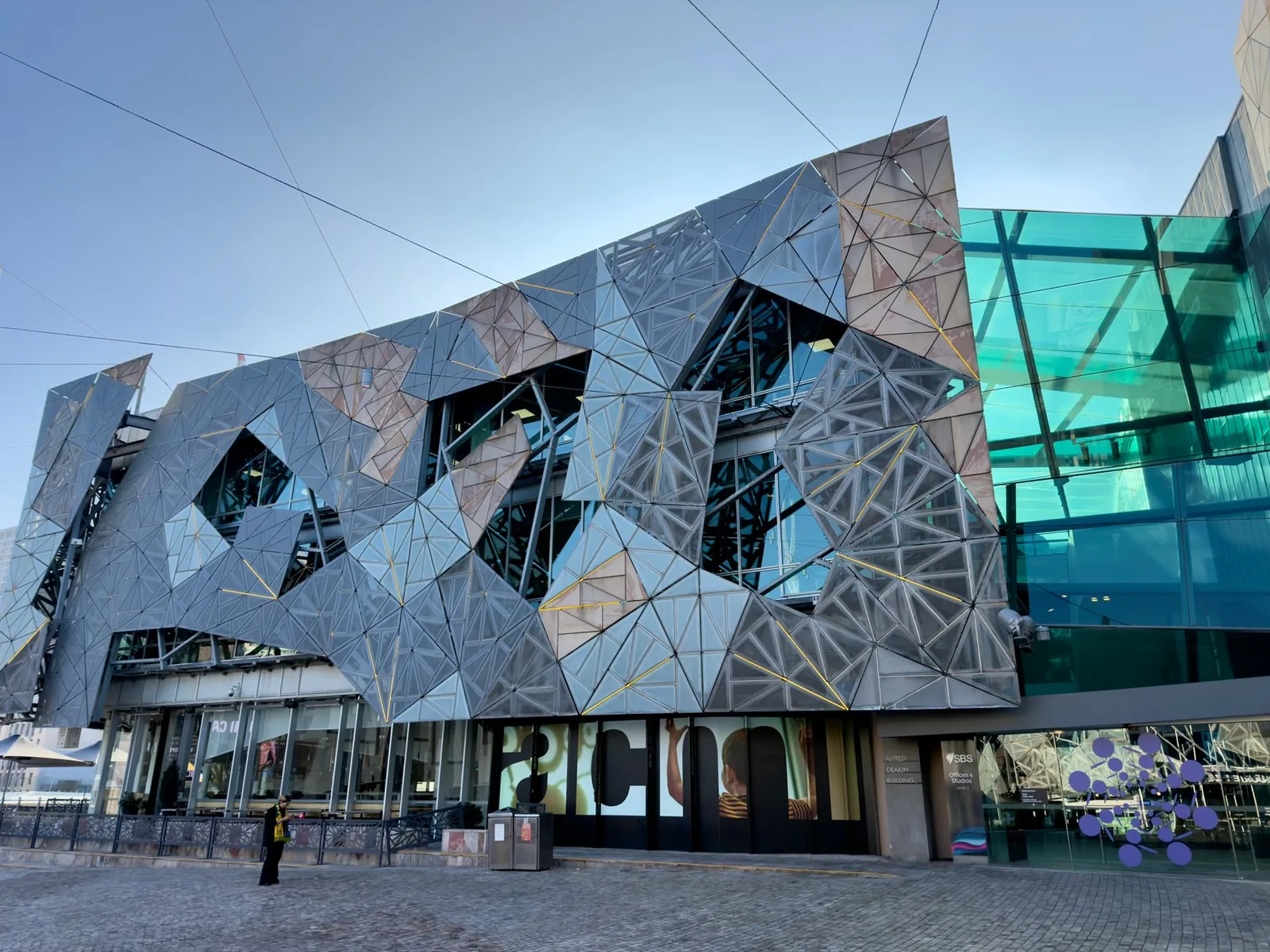
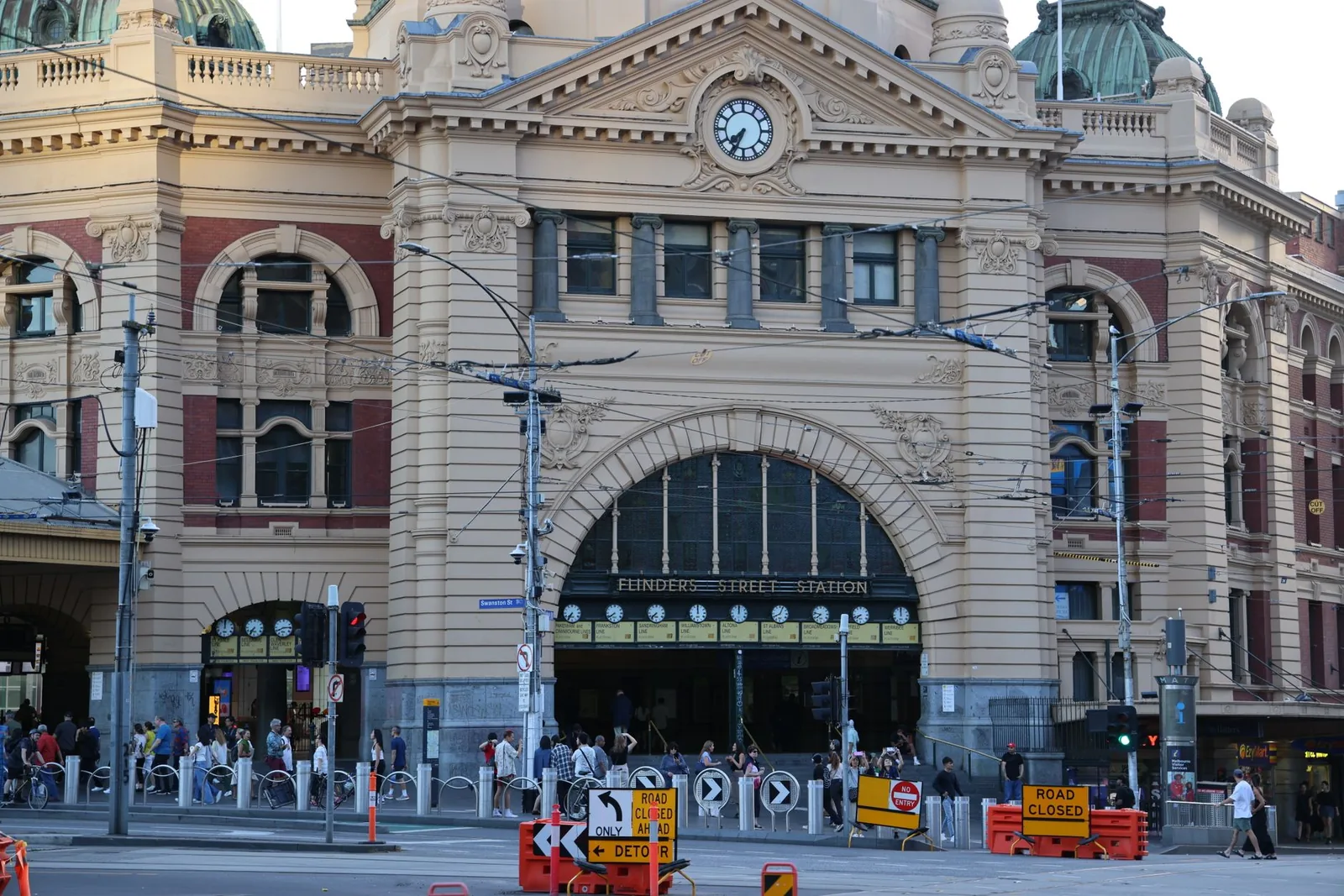
Federation Square is one of the most useful starting points for a first visit. It sits beside the Yarra River and opposite Flinders Street Station, placing several important attractions within easy reach. The complex is home to ACMI, The Ian Potter Centre: NGV Australia and the Koorie Heritage Trust, as well as restaurants and public events.
From here, walk along the Yarra promenade, cross toward Southbank or head into the central laneways. Federation Square’s event program and venue access can vary, so check current listings if you are planning around a particular exhibition or performance.
Visit the National Gallery of Victoria
The National Gallery of Victoria is one of Melbourne’s essential cultural stops. Its two main venues are separate: NGV International is on St Kilda Road, while The Ian Potter Centre: NGV Australia is at Federation Square. Together they cover international art, Australian art and First Nations collections.
General collection entry is free, while special exhibitions may require tickets. The gallery works well in all weather and can easily fill half a day, particularly if a major temporary exhibition is running. Check current opening times, exhibition dates and any venue closures before you go.
Walk through the laneways and arcades
Melbourne’s central laneways are not a single attraction with a fixed route. They are a changing collection of small streets lined with cafes, restaurants, bars, boutiques and street art. The best approach is to explore on foot without trying to see every famous lane in one outing.
Historic arcades add a different character. The Block Arcade and Royal Arcade are known for Victorian-era architectural details and are easy to combine with central shopping and sightseeing. Street art changes regularly, and some areas contain private businesses or restricted spaces, so treat the lanes as working parts of the city rather than an open-air museum.
A guided laneway, architecture, food or street-art walk can be useful if you want more context. Independent exploration is also rewarding, especially during daylight and early evening.
Spend time in the Royal Botanic Gardens
The Royal Botanic Gardens Victoria, Melbourne Gardens, provides a substantial green escape close to the city center. Its paths, lawns, lakes and plant collections make it suitable for a short stroll or several hours of slower exploration. The gardens can be combined with Kings Domain and the Shrine of Remembrance.
The Shrine is a prominent memorial with historical interpretation and elevated city views. Check current access arrangements, especially around ceremonies and commemorative events. Carry water and sun protection during warmer weather, and bring a light layer in cooler or changeable conditions.
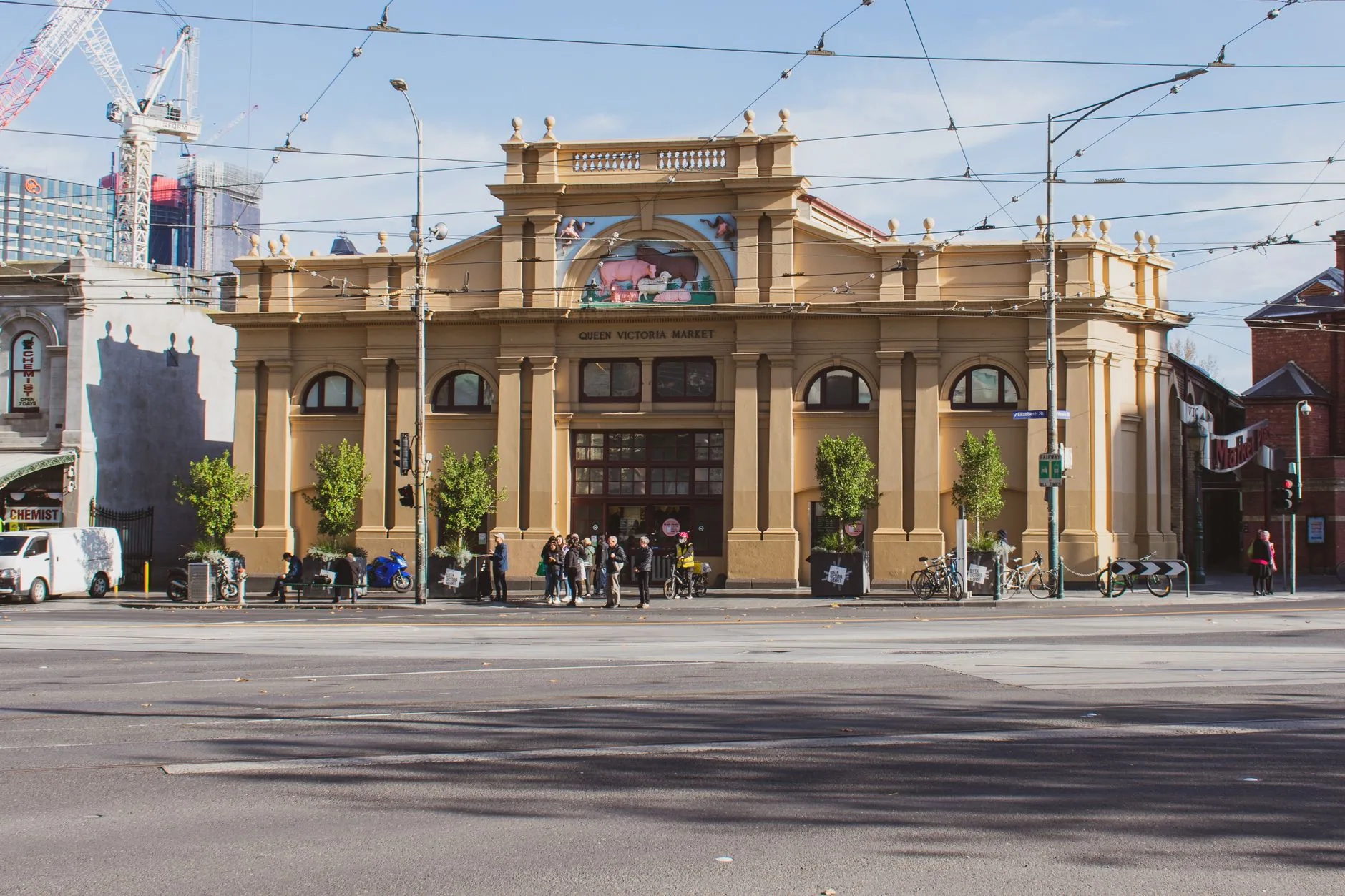
Browse Queen Victoria Market
Queen Victoria Market is a historic central market selling fresh produce, specialty foods, prepared meals, baked goods, souvenirs and general market goods. It is a practical stop if you want to combine sightseeing with an informal meal or food browsing.
Trading days and hours can change for public holidays, redevelopment works and seasonal events. Monday is not a regular trading day according to the usual market schedule, so check the current calendar before making a special trip. Seasonal night markets may operate separately from the normal daytime program.
Visit Melbourne Museum and Carlton Gardens
Melbourne Museum covers natural history, science, local history and First Peoples’ heritage. Exhibits include local history displays, rainforest environments and information about Koori heritage, with temporary exhibitions adding variety throughout the year.
Set beside the museum, Carlton Gardens and the Royal Exhibition Building provide a pleasant setting for a walk before or after your visit. Allow at least half a day for the museum and surrounding area. Carlton is also one of the city’s best neighborhoods for an Italian meal, particularly around Lygon Street.
Discover ACMI at Federation Square
The Australian Centre for the Moving Image explores film, television, videogames and digital culture through interactive displays and exhibitions. It is a strong choice for families, design-focused travelers and anyone looking for an indoor attraction with a modern approach.
Many displays and exhibitions are free, although some experiences may be ticketed. Check the current program, screening schedule and exhibition requirements before visiting, particularly during school holidays.
Experience Melbourne’s sporting culture
The Melbourne Cricket Ground, or MCG, is a major landmark in the Melbourne Sports Precinct. If your visit coincides with a match, attending an event offers one of the clearest ways to understand the city’s sporting identity. When no suitable fixture is scheduled, an MCG tour and the Australian Sports Museum provide access beyond the match-day experience.
Tour routes, museum access and event-day restrictions vary. Reserve popular tour times in advance and confirm arrangements directly if your visit falls during a major sporting event.
See St Kilda and the bay
St Kilda is Melbourne’s best-known seaside neighborhood. It combines a beach, foreshore walks, restaurants, cafes, live music venues, Luna Park and the historic St Kilda Pier. It makes a useful contrast to the central city and is especially appealing when the weather is warm.
The pier area is also associated with little penguins. Wildlife viewing is subject to local rules, weather and conservation requirements. Do not use flash, approach animals or obstruct viewing areas, and check current pier access information before visiting.
Explore the State Library Victoria
The State Library Victoria is a free cultural and architectural attraction in the northern part of the CBD. The La Trobe Reading Room is its best-known interior, while historical collections and rotating exhibitions provide reasons to stay longer.
Some reading rooms have visitor behavior requirements and photography restrictions. Confirm building and exhibition access hours before you go, as the library is also an active research and public institution.
What would you most like to experience on a first day in Melbourne?
When to Visit Melbourne
Melbourne has a variable climate, and conditions can change quickly. Summer runs from December to February, autumn from March to May, winter from June to August and spring from September to November. January and February are generally the warmest months, June and July the coldest, and October is typically the wettest.
Summer: December to February
Summer brings the longest daylight hours and usually the warmest conditions. It is a good season for beaches, gardens, outdoor events, riverside walks and regional day trips. Heatwaves and sudden changes remain possible, so check forecasts and event arrangements. Sun protection, water and a light layer are useful even on city sightseeing days.
Autumn: March to May
Autumn is often comfortable for walking and urban sightseeing, with cooler conditions developing later in the season. It is also a good time to visit regional areas, including the Macedon Ranges, where autumn foliage can be a notable feature.
Winter: June to August
Winter is Melbourne’s coolest period, but it is well suited to museums, galleries, cafes, theaters, sporting events and atmospheric pub dining. Outdoor plans are still possible with warm, weather-resistant clothing. Winter can be a good choice for travelers who prefer cultural attractions to beach weather.
Spring: September to November
Spring is a strong season for gardens and outdoor walks, although conditions are changeable and October is typically the wettest month. Pack layers and a compact rain jacket. Check event calendars and temporary exhibition dates for the year of travel.
What to Eat and Drink

Melbourne’s cafe culture is central to the city’s identity. Independent cafes, specialty coffee shops, brunch venues and bakeries are found throughout the CBD and inner neighborhoods. Opening hours change frequently, so verify individual venues locally rather than relying on old listings.
The city’s multicultural dining scene is equally important. Italian, Greek, Chinese, Vietnamese, Turkish, Middle Eastern, Indian, Korean and many other food traditions are represented across areas including Carlton, Fitzroy, Brunswick, Richmond, Footscray and the CBD.
Carlton is a natural choice for Italian food and culture, especially around Lygon Street. Queen Victoria Market is useful for prepared food, baked goods, produce and specialty ingredients. The central laneways and inner suburbs also contain cocktail bars, pubs, breweries, wine bars and live-music venues.
Melbourne is strong on bakeries and desserts, from European-style pastries and Italian gelato to contemporary patisserie. Popular venues may have queues or booking requirements, particularly at weekends. For a more structured introduction, a food or market tour can add context to the city’s ingredients and communities.
Best Day Trips from Melbourne
Yarra Valley and Healesville
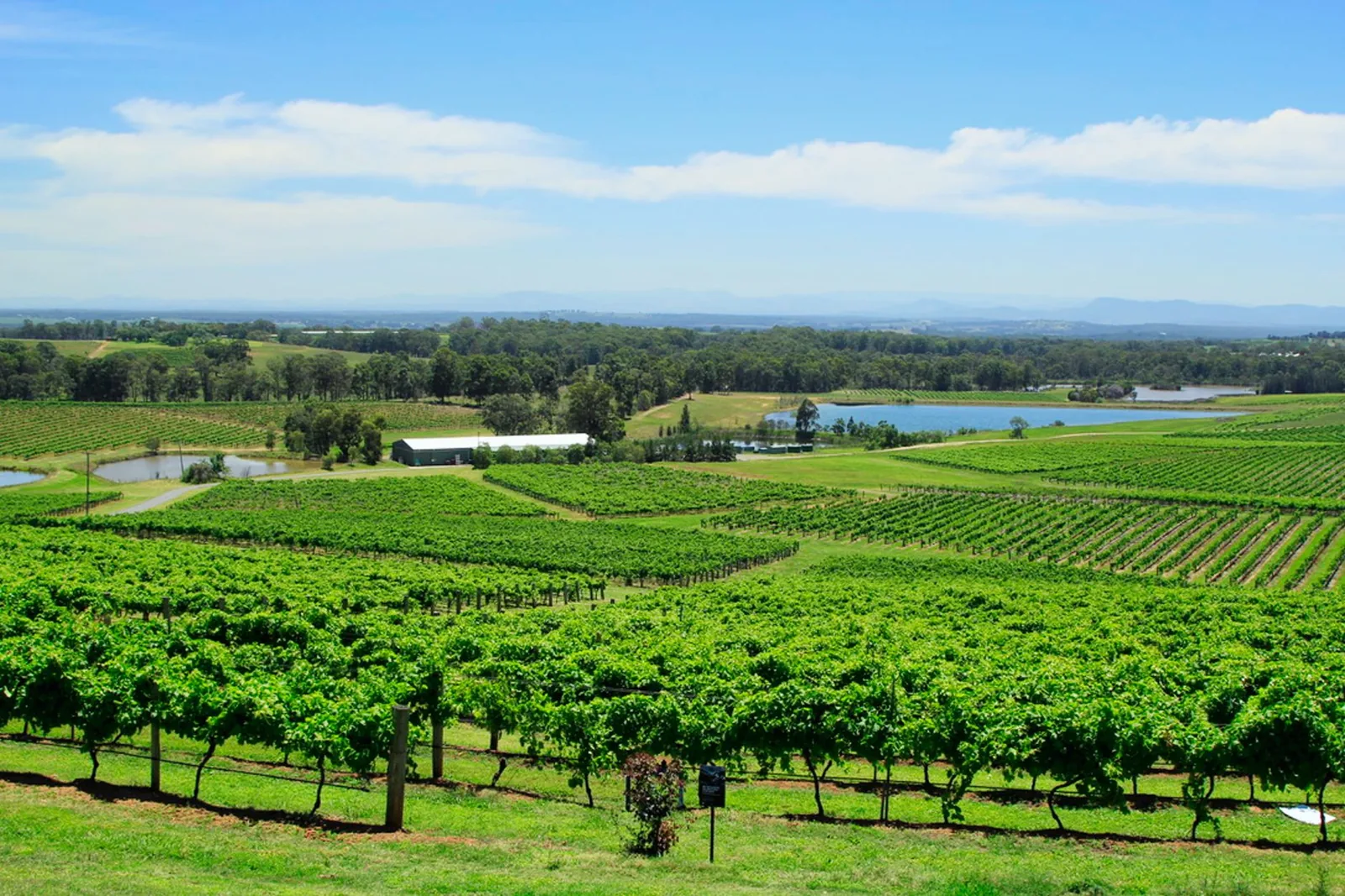
The Yarra Valley is a popular choice for wineries, regional food, forest landscapes and wildlife experiences. A car or organized tour is generally the most practical option, and travel time depends heavily on traffic and the exact destination. A guided tour is useful if you want to visit several wineries without driving.
Dandenong Ranges
The Dandenong Ranges offer fern gullies, gardens, forest walks and the possibility of seeing wildlife such as lyrebirds. The area is approximately an hour from Melbourne by car, depending on your starting point and traffic. Some visitors combine the region with a ride on the heritage Puffing Billy Railway; check current schedules and booking requirements.
Mornington Peninsula
The Mornington Peninsula combines beaches, coastal walks, national parks, wineries, spas and towns such as Sorrento. It is often described as roughly 90 minutes from Melbourne by car, but actual journey times vary. Coastal conditions can include rips, undertows and large swells. Swim only at patrolled beaches and between the flags.
Phillip Island
Phillip Island is best known for the Penguin Parade, alongside other wildlife and coastal attractions. Evening viewing requires advance planning, and sessions, transport options and seasonal availability should be checked with the official wildlife park before travel. Do not use flash or disturb animals.
Ballarat and Sovereign Hill
Ballarat is a strong heritage-focused excursion, with gold-rush history, historic streets and Sovereign Hill’s recreated 1850s experience. It works well for families and travelers interested in regional history. Check attraction opening dates and transport connections when planning a car-free visit.
Bendigo
Bendigo combines gold-rush architecture, galleries, gardens and cultural attractions. It is a longer regional outing than the closest Melbourne escapes, so check V/Line schedules and allow time for return connections if you are not driving.
Macedon Ranges and Daylesford
This region is suited to scenic drives, gardens, forest walks, mineral springs and regional food. The Macedon Ranges can be particularly attractive in autumn, while Daylesford offers a different focus around wellness and country-town dining. Seasonal conditions and park access should be checked before departure.
Serendip Sanctuary and the You Yangs
For a closer nature option west of Melbourne, Serendip Sanctuary and the You Yangs offer wetlands, native wildlife and open landscapes. Serendip is known for kangaroos, wallabies, emus and birdlife. Check current park conditions, access and weather before setting out.
Where to Base Yourself in Melbourne
Looking for a place to stay? Compare hotels for Melbourne on BookingTabs.
Melbourne CBD and laneways
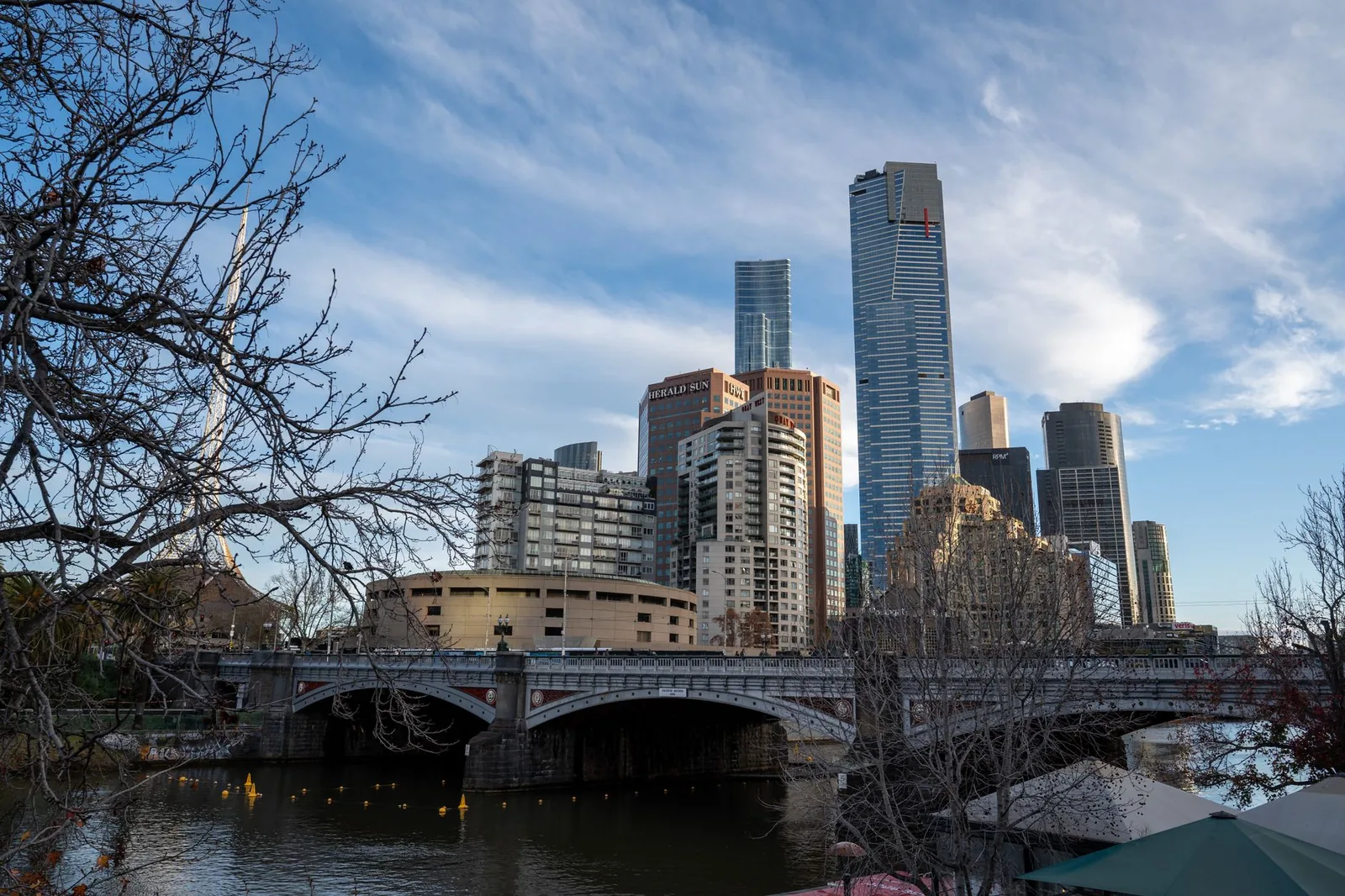
The CBD is the most convenient base for first-time visitors. It places you near Federation Square, Flinders Street Station, Queen Victoria Market, the major arcades, museums, galleries, shops and many restaurants. It is also the easiest area for walking and making use of the Free Tram Zone.
Choose the CBD if you want efficient sightseeing and easy access to public transport. The trade-off is a more commercial atmosphere, particularly outside the busiest central areas.
Southbank and the Yarra River
Southbank suits travelers who like riverside promenades, cultural venues, restaurants and access to the Arts Precinct. It is close to the CBD but feels distinct from the central grid. It can be particularly convenient for visitors attending performances or spending time around the National Gallery of Victoria.
Fitzroy and Collingwood
Fitzroy and Collingwood are good choices for independent shops, vintage clothing, galleries, restaurants, bars, live music and a neighborhood atmosphere. Gertrude Street, Smith Street, Brunswick Street and Johnston Street provide useful areas to explore, though the character varies from block to block.
These neighborhoods suit travelers who value nightlife and dining over being immediately beside the city’s main landmarks.
Carlton
Carlton combines leafy streets, Italian food and culture, Lygon Street, Carlton Gardens, Melbourne Museum and the Royal Exhibition Building. It works well for travelers who want a quieter inner-city base while remaining close to the CBD and cultural attractions.
Richmond
Richmond offers diverse dining, shopping, live music and convenient access to the MCG and Sports Precinct. It is a practical option for sports fans and visitors who want to explore the inner east as well as the city center.
South Yarra and Prahran
South Yarra and Prahran are known for fashion, shopping, cafes, restaurants and bars. Prahran Market is an additional draw, while the neighborhoods also provide access toward the Botanic Gardens and Melbourne’s inner south.
St Kilda
St Kilda is the best choice for travelers who want a bayside setting, beach walks, nightlife and a more relaxed neighborhood feel. It is farther from the main central attractions than the CBD, so allow extra transport time for museum-heavy itineraries.
Brunswick and Northcote
Brunswick and Northcote have a more local, creative atmosphere, with multicultural food, independent shops, pubs, breweries, music venues and casual dining. They are suitable for repeat visitors or travelers who prefer a residential neighborhood to a conventional city-center base.
Getting Around Melbourne
Walking is the most effective way to explore the CBD, laneways, Federation Square, Southbank and the Arts Precinct. Inner neighborhoods are farther apart than the central grid suggests, so use public transport when moving between areas such as Fitzroy, Carlton, Richmond and St Kilda.
Melbourne’s metropolitan trains, trams and buses form an integrated public transport network. The Free Tram Zone covers much of the central city, and the City Circle Tram is also free. If your entire tram journey remains within the Free Tram Zone, you generally do not need a myki. Journeys outside the zone normally require a myki or eligible mobile myki, with fares depending on the zones traveled.
Do not assume every tram journey is free. Check the zone boundaries, current ticket rules and service information before boarding. Fares, mobile-ticketing eligibility, disruptions and route arrangements can change.
Taxis and rideshare services are available across the city. A car is usually unnecessary in central Melbourne and can be inconvenient because of traffic, paid parking, tram routes and limited spaces. For regional excursions, compare the cost and flexibility of a rental car with an organized tour or regional public transport.
Arriving from Melbourne Airport
Melbourne Airport, also known as Tullamarine Airport, is the city’s main airport. SkyBus operates a service connecting the airport with Southern Cross Station in the city. Taxis, rideshare pickup, car rental and regional bus connections are also available.
Airport service hours, fares, terminal pickup points and rideshare procedures can change. Verify the current details before departure, and allow extra time for traffic and airport procedures. Use designated taxi ranks rather than accepting unsolicited offers outside the terminals.
Essential Travel Tips
- Pack layers and a compact rain jacket because Melbourne weather can change quickly.
- Confirm Free Tram Zone boundaries before assuming a journey is free.
- Check attraction websites for current opening hours, closures, exhibition dates and ticket rules.
- Book major exhibitions, MCG tours, popular shows and wildlife experiences ahead during busy periods.
- Allow extra time for airport transfers, especially during peak traffic.
- Check public transport disruptions during major sporting events, concerts, construction and public holidays.
- Carry water and sun protection for outdoor sightseeing.
- Check surf, weather and park conditions before coastal or forest day trips.
- Respect First Nations cultural sites, Indigenous collections and wildlife-protection rules.
- Avoid driving into the CBD without checking parking, tram rules and road restrictions.
- Do not plan the CBD, St Kilda, Phillip Island and the Dandenong Ranges in a single short visit.
- Remember that free general entry does not mean every museum or gallery exhibition is free.
Common Questions About Melbourne
How many days do you need in Melbourne?
Three full days is a practical minimum for the CBD, major cultural attractions, one or two inner neighborhoods and either St Kilda or an additional museum. Four to five days allows a slower pace and one regional day trip.
Is Melbourne easy to get around without a car?
Yes. Walking, trams, trains and buses cover most visitor areas, particularly the CBD and inner suburbs. A car is more useful for some regional day trips than for central Melbourne.
Is public transport free in Melbourne?
Tram travel is free within the designated Free Tram Zone, and the City Circle Tram is also free. Travel outside the Free Tram Zone generally requires a myki or eligible mobile myki. Confirm current boundaries and ticket rules before traveling.
What is the best area to stay in Melbourne?
The CBD is convenient for first-time visitors and major attractions. Southbank suits riverside access and cultural venues, while Fitzroy, Collingwood, Carlton, Richmond and St Kilda offer stronger neighborhood character. Your best choice depends on nightlife, event location, budget and tolerance for transport time.
What is the easiest way to get from Melbourne Airport to the city?
SkyBus connects Melbourne Airport with Southern Cross Station. Taxis, rideshare services, car rental and regional buses are also available. Verify current service hours, pickup points and fares because airport transport arrangements can change.
When is the best time to visit Melbourne?
There is no single best month for every traveler. Summer favors outdoor events and beaches, autumn is often comfortable for walking, winter suits museums and cultural events, and spring is good for gardens but can be wet and changeable. Check the forecast and event calendar for your dates.
What are the best day trips from Melbourne?
Popular choices include the Yarra Valley, Dandenong Ranges, Mornington Peninsula, Phillip Island, Ballarat, Bendigo and the Macedon Ranges. Transport options, travel times and seasonal schedules vary by destination.
Planning Your Melbourne Trip
Melbourne rewards curiosity more than checklist sightseeing. Begin with the central city, then make time for at least one neighborhood such as Carlton, Fitzroy, Richmond or St Kilda. Mix galleries and museums with markets, cafes, gardens and an evening meal, and leave enough flexibility for the city’s changeable weather.
For a first visit, three days can provide a satisfying introduction. Four or five days makes the experience more relaxed, while a longer stay opens the door to Victoria’s vineyards, wildlife, coast and heritage towns. Plan major bookings in advance, verify transport information close to departure and let the city’s neighborhoods shape the trip.
Inspired? Start planning your trip.
Move from inspiration to planning with BookingTabs — explore hotels, tours and travel options in one place.
Join the conversation
Ask a question, share a travel tip, or help another traveler plan with confidence.
Leave a comment
No account or email required.