
Liverpool Travel Guide
Liverpool is one of England’s most rewarding city-break destinations. Its compact centre brings together a historic waterfront, major museums, grand civic buildings, live-music venues, restaurants and distinctive neighbourhoods, while the wider Liverpool City Region adds beaches, dunes, parks and historic villages within easy reach.
The city is best known as the birthplace of The Beatles, but its appeal goes far beyond music. Liverpool’s maritime history, football culture, galleries, architecture, food scene and lively events calendar give it a strong identity of its own. Two full days are enough for the principal highlights; three days allow a more relaxed itinerary, and a fourth day opens up coastal and regional excursions.
Why Visit Liverpool
Liverpool works particularly well for a first UK city break because many of its major sights are close together. The Waterfront, Royal Albert Dock, Cavern Quarter, Liverpool ONE and St George’s Quarter can largely be explored on foot, with public transport available for attractions further out.
The Beatles remain a major reason to visit. You can trace the band’s story at The Beatles Story, hear live music at the Cavern Club and take an organised tour to suburban landmarks such as Penny Lane, Strawberry Field and the childhood homes associated with John Lennon and Paul McCartney.
The city also has an unusually dense collection of museums and galleries. The Museum of Liverpool explores the city’s people, culture, history and global connections, while World Museum and Walker Art Gallery sit close together near Lime Street. Several major museum venues offer free general admission, although special exhibitions and private attractions may require tickets.
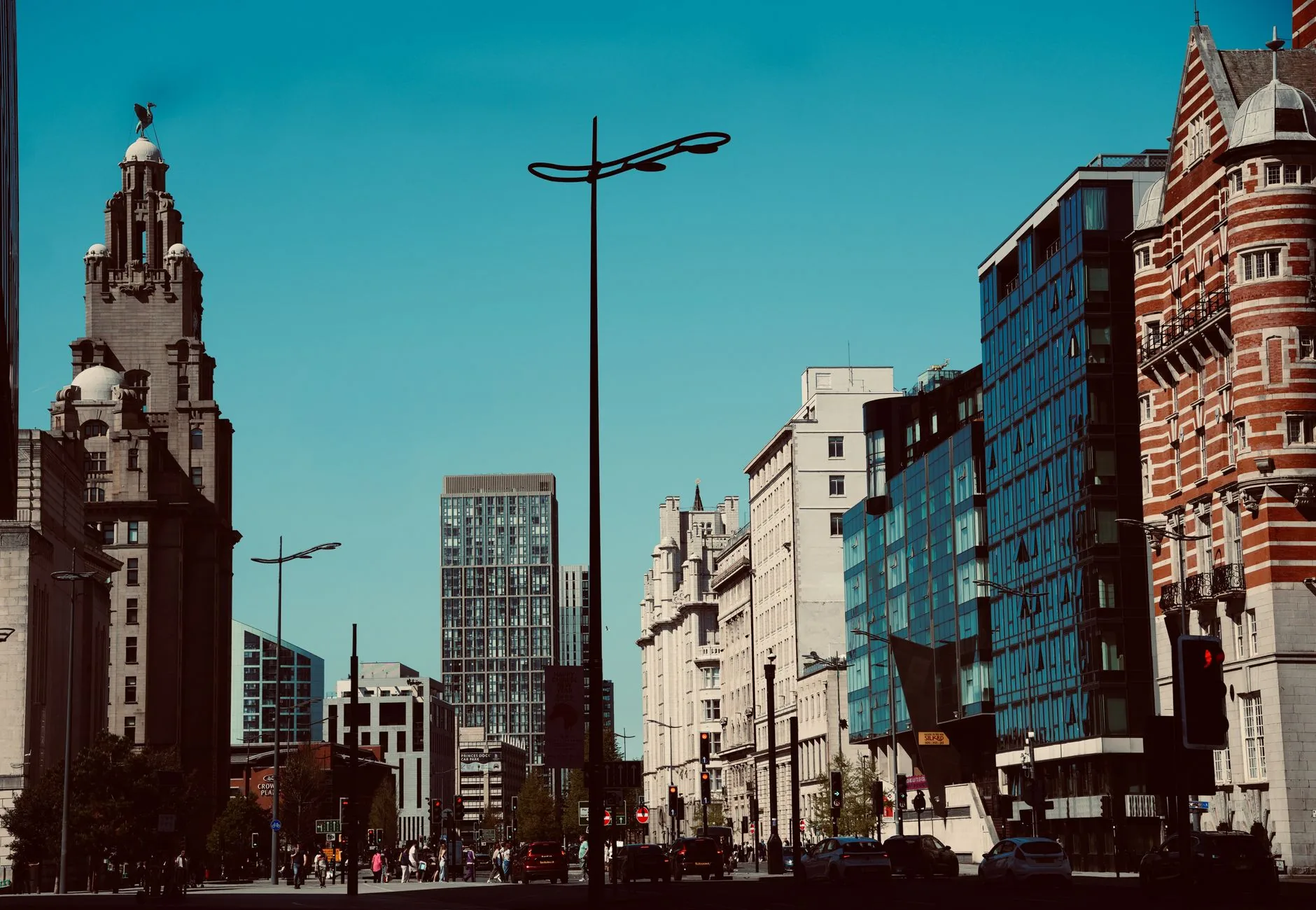
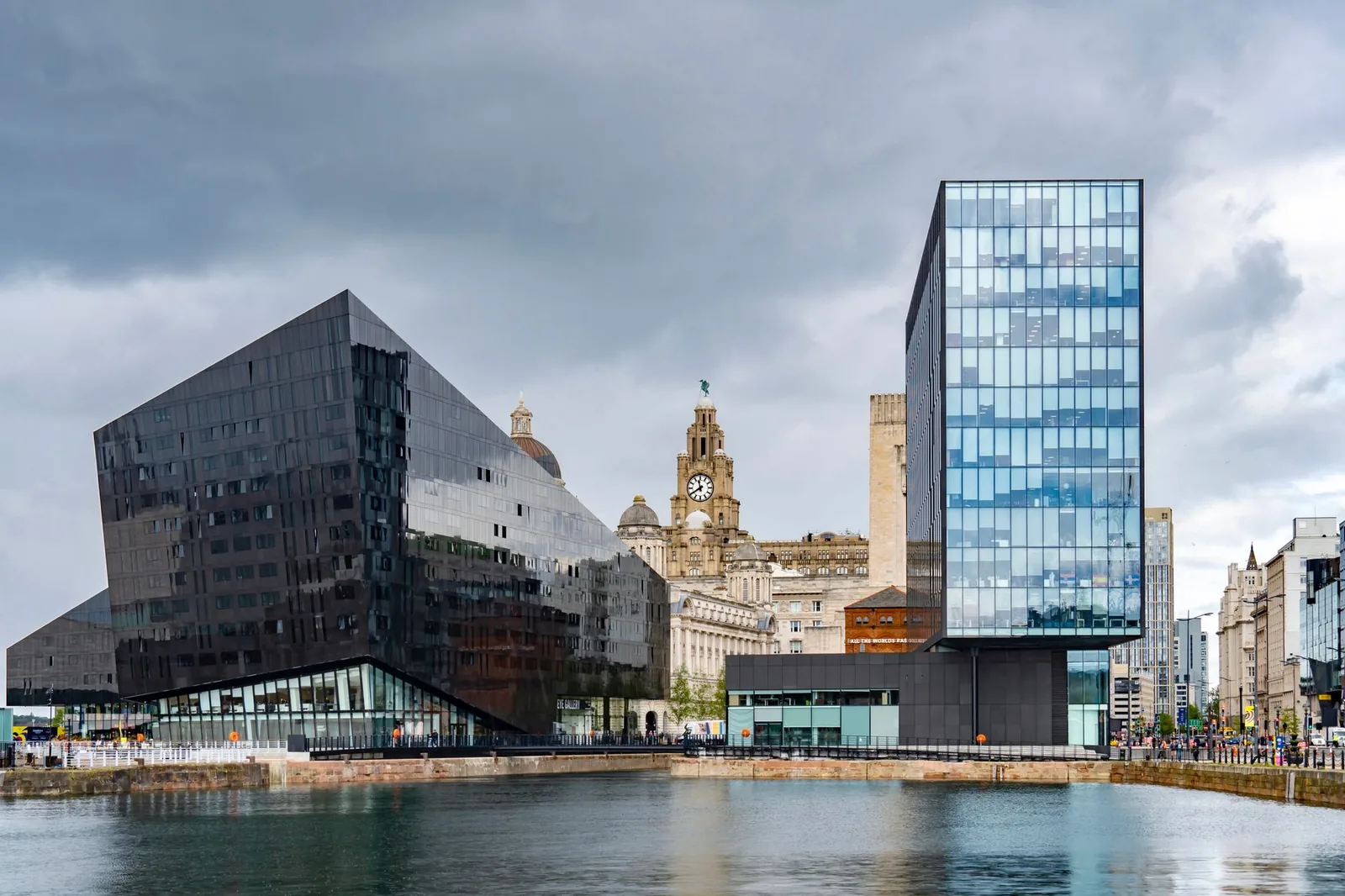
Liverpool’s waterfront is another defining feature. The Royal Albert Dock combines historic dock buildings with cultural venues, restaurants, shops and river views. Nearby, the Three Graces at Pier Head create one of the city’s most recognisable architectural scenes, with the River Mersey beyond.
Add live music, theatre, comedy, football, independent restaurants, traditional pubs and a choice of nearby coastal escapes, and Liverpool becomes more than a Beatles pilgrimage. It is a versatile destination for culture-focused travellers, families, football supporters, food lovers and visitors who want a city break with access to the outdoors.
What to See and Do in Liverpool
Planning your activities? Compare tours and activities for Liverpool on BookingTabs.
Explore the Royal Albert Dock and Waterfront
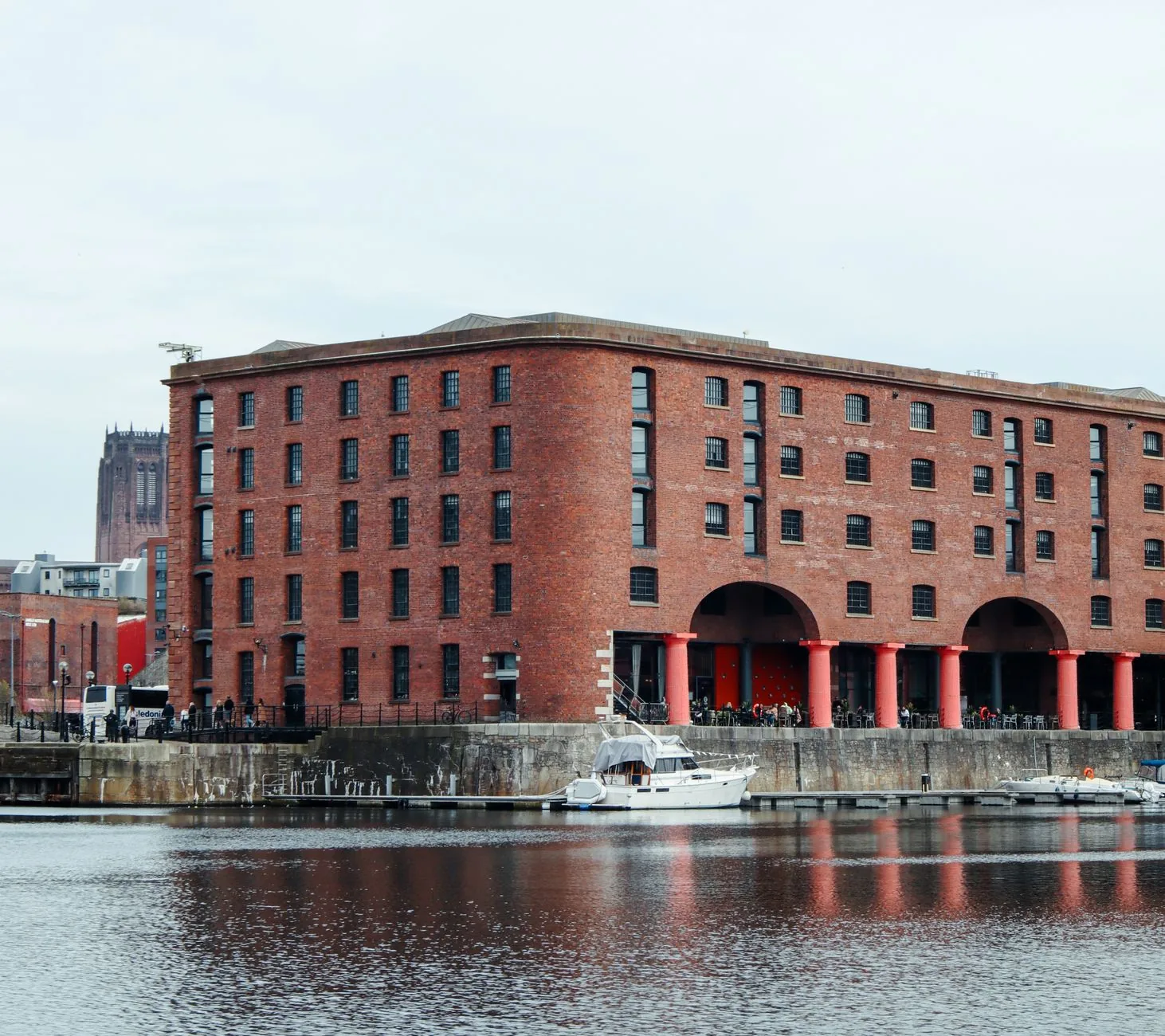
Start at the Royal Albert Dock, Liverpool’s landmark waterfront complex. The historic buildings now house museums, galleries, restaurants, shops and visitor attractions, making this one of the easiest places to build a half-day itinerary.
The dock is next to Pier Head, where you can see the Three Graces and enjoy views across the Mersey. The waterfront is particularly atmospheric in changing weather, and a walk along the river helps put Liverpool’s maritime identity into context.
Individual venues have separate opening times and ticket arrangements. The Maritime Museum and International Slavery Museum are currently closed for redevelopment and are scheduled to reopen in 2028, but this timetable should be checked before travel. Tate Liverpool’s location and operating arrangements may also change while waterfront redevelopment continues, so confirm the current visitor information before planning around it.
Follow Liverpool’s Beatles Story
The Beatles Story at Royal Albert Dock is an immersive museum covering the band’s Liverpool origins, rise to fame and international career. It is the most straightforward introduction to the Beatles’ local story and fits naturally into a waterfront sightseeing day.
For a broader Beatles itinerary, combine the museum with the Cavern Club and a city or suburban Beatles tour. Penny Lane, Strawberry Field and the childhood homes are outside the central sightseeing area, so do not assume they can all be reached on foot. An organised tour is often the simplest option for visitors without a car, while National Trust tours of Mendips and 20 Forthlin Road require advance planning.
Hear Live Music at the Cavern Club
The Cavern Club on Mathew Street is closely associated with The Beatles and remains an important stop in Liverpool’s music landscape. The surrounding Cavern Quarter is filled with music venues, pubs and Beatles-themed attractions, making it worth visiting in the evening as well as during the day.
Live performances and admission arrangements vary according to the schedule. Check current listings, door times, age conditions and ticket requirements before setting out. Even visitors who are not dedicated Beatles fans will find the area useful for experiencing Liverpool’s enduring live-music culture.
The British Music Experience, in the Cunard Building, offers a wider view of British popular music through costumes, instruments, memorabilia and multimedia displays. It is a good complement to The Beatles Story if your interests extend beyond one band.
Visit the Museum of Liverpool
The Museum of Liverpool examines the city’s history, people, culture, maritime identity and international connections. Its position beside the waterfront makes it easy to combine with the Royal Albert Dock, Pier Head and a Mersey walk.
Allow several hours if you enjoy detailed museum visits. Check the current exhibition programme, opening arrangements and accessibility information before travelling, particularly if you are visiting during a busy event period.
Discover World Museum and Walker Art Gallery
St George’s Quarter, around Lime Street, is Liverpool’s main civic and cultural district. World Museum covers natural history, archaeology, ancient civilisations, world cultures and space-related displays. Its range makes it particularly useful for families and mixed-interest groups.
Nearby Walker Art Gallery presents historic and decorative art alongside changing exhibitions. The two venues can be paired with St George’s Hall, Central Library and the Empire Theatre, creating one of the city’s most efficient sightseeing clusters.
Admire St George’s Hall
Opposite Lime Street station, St George’s Hall is one of Liverpool’s most impressive neoclassical landmarks. Its grand interiors, civic history and events programme make it more than a quick exterior photograph.
Access can change around ceremonies, exhibitions and other events. Check whether the building is open for general visitors or tours on the day you plan to go. The surrounding quarter is also a practical arrival point if you are travelling by mainline rail.
Compare Liverpool’s Two Cathedrals
Liverpool Cathedral dominates the Georgian Quarter and is notable for its immense scale, art, heritage and optional tower or viewing experiences. Its position on Hope Street makes it easy to combine with restaurants and an architectural walk through the surrounding terraces.
The Metropolitan Cathedral of Christ the King provides a striking contrast. Its circular design and dramatic interior represent a very different period and architectural approach. Visiting both is one of the best ways to understand Liverpool’s visual character.
Check worship schedules, visitor access, tower availability and admission arrangements before arrival. Services can affect the parts of either cathedral open to visitors.
Take in the View from Royal Liver Building 360
Royal Liver Building 360 is a guided experience inside one of the Three Graces at Pier Head. It combines architectural interpretation, local history and elevated views over the city and river.
This is a ticketed experience and may involve stairs, height restrictions or weather-related changes. Confirm tour times, accessibility information and booking conditions in advance. It is particularly worthwhile for visitors interested in Liverpool’s commercial and maritime architecture.
Tour Anfield
Anfield Stadium Tour and Museum is a natural choice for Liverpool FC supporters. The experience offers behind-the-scenes access, club history and memorabilia, but the stadium lies outside the compact central sightseeing zone.
Tours are ticketed and schedules can be affected by fixtures, stadium operations and major events. Check availability before building your itinerary, and allow time for the journey from the centre. Matchday travel arrangements and access can differ significantly from ordinary visitor days.
Explore the City’s Neighbourhoods
Liverpool’s character changes noticeably from one central quarter to the next. The Waterfront and Royal Albert Dock suit museums, river views and landmark architecture. The Cavern Quarter is the focus for Beatles heritage and nightlife, while St George’s Quarter is the best area for museums, galleries and civic buildings.
Ropewalks has restaurants, bars, independent venues and evening activity. The Baltic Triangle is more creative, with street art, studios, markets, entertainment venues and casual food and drink. Chinatown is a historic central district with Chinese restaurants, cultural associations and a prominent arch.
The Georgian Quarter is ideal for architecture, cathedral visits and Hope Street dining. For a change of pace, head south to Lark Lane and Sefton Park, where independent cafés, restaurants and bars surround green space and the Victorian Palm House.
Liverpool ONE provides a central open-air shopping, dining and leisure complex and is convenient for visitors who want retail and restaurants close to city-centre accommodation.
Which Liverpool experience would you most want to build your trip around?
Weather and the Best Time to Go
Liverpool is a year-round city-break destination. Late spring through early autumn is generally the most comfortable period for waterfront walks, parks and coastal excursions. Autumn and winter work well for museums, galleries, football, theatre, live music, food and indoor attractions.
Spring
Spring brings longer daylight and improving conditions for neighbourhood walks, parks and coastal day trips. Check Easter opening arrangements, school-holiday demand and event dates before booking.
Summer
Summer is usually the strongest season for beaches, waterfront walks, parks, festivals and outdoor activities. Major ticketed attractions, football tours and popular Beatles experiences can be busy, so booking ahead is sensible. Event calendars may also affect transport and accommodation availability.
Autumn
Autumn suits cultural visits, live music, football and seasonal events. October and November can include major light and arts programming, although dates change annually. Check the current events calendar rather than relying on a previous year’s schedule.
Winter
Winter is well suited to museums, galleries, shopping, historic interiors, nightlife, theatre and Christmas activities. Expect shorter daylight and possible weather-related changes to outdoor plans. Christmas and New Year opening hours should be checked individually because they vary between venues.
Liverpool’s weather is changeable in every season. Waterproof layers and comfortable footwear are useful, especially if your plans include cobbles, waterfront paths, parks or the coast.
Local Food and Drink

Scouse is Liverpool’s signature local dish: a hearty stew with recipes that vary between meat and vegetable versions. Look for it on traditional or local menus if you want to try something closely associated with the city.
Liverpool also has a broad independent restaurant scene. Hope Street is useful for dining between the two cathedrals, while Ropewalks, the Waterfront, Baltic Triangle and the wider city centre offer restaurants, cafés, bars and evening venues.
Baltic Market is a casual street-food venue with rotating vendors. Duke Street Market is another city-centre food hall with multiple food and drink options. Vendor lists, opening days, service hours and booking arrangements can change, so verify details before visiting.
Chinatown is a natural choice for Chinese dining and is easy to combine with a city-centre walk. Traditional pubs and modern beer and cocktail venues provide plenty of choice for evenings, with live music particularly prominent around the Cavern Quarter and other central districts.
Best Day Trips from Liverpool

Formby
Formby combines dunes, pinewoods, beach access and red-squirrel habitat. It is one of the best nearby escapes for travellers who want nature rather than another town centre. Merseyrail services and two nearby stations make train travel practical, although the stations serve different access points.
Parking is limited and can fill quickly on sunny or busy days. Check current National Trust guidance, parking information, conservation notices and tide conditions before travelling. Recent conservation work has changed some access and parking arrangements.
Southport
Southport is a traditional seaside town with a promenade, beach, Marine Lake, amusements, shops and cultural venues. It also provides access to the wider Sefton Coast. It is commonly described as roughly 40 minutes from Liverpool by train, but verify current rail schedules before relying on the journey time.
Port Sunlight
Port Sunlight is a preserved model village on the Wirral, built for workers at the Lever Brothers soap factory. Its architecture, gardens, museum, guided walks and Lady Lever Art Gallery make it a rewarding excursion for visitors interested in design, social history and heritage.
It is often described as approximately a 20-minute train journey from Liverpool city centre, but current services and attraction hours should be checked before departure.
Crosby Beach
Crosby Beach is known for Antony Gormley’s Another Place sculptures, which extend along the shoreline. The beach also offers views towards the port and coastline. Check tide conditions and local access information, and avoid treating the sculptures as a conventional beach attraction that can be visited at any stage of the tide.
The Wirral Coast
West Kirby, New Brighton, Hilbre Islands, Wirral Country Park and the Wirral Way offer coastal scenery, estuary views and walking opportunities. Hilbre Islands require particular care: tide times and access conditions are essential planning information, and conditions can change during the day.
Chester
Chester offers a different urban experience, with Roman and medieval heritage, historic walls, architecture and shopping. Check current rail timetables and attraction opening information before planning the excursion.
Knowsley Safari
Knowsley Safari is a family-oriented attraction in the wider Liverpool City Region, with drive-through safari experiences and animal exhibits. Check current opening dates, vehicle rules, ticket prices and seasonal schedules before travelling.
Where to Base Yourself in Liverpool
Waterfront and Pier Head
Stay here for landmark architecture, river views, ferry departures and immediate access to the Royal Albert Dock. It is a convenient choice for first-time visitors prioritising museums and the waterfront, although evening dining is spread across several nearby districts.
Royal Albert Dock
This area is best for travellers who want cultural attractions, restaurants, historic dock buildings and a highly central base. It is particularly convenient for The Beatles Story and the Museum of Liverpool.
Cavern Quarter
The Cavern Quarter suits visitors who want nightlife, live music and Beatles heritage close at hand. It can be lively later in the evening, so consider the atmosphere carefully if you prefer a quieter night.
St George’s Quarter and Lime Street
This is a practical base for rail arrivals and museum-focused itineraries. World Museum, Walker Art Gallery, St George’s Hall, Central Library and the Empire Theatre are all nearby, and the area is well placed for reaching other central districts on foot.
Ropewalks
Ropewalks is a good choice for restaurants, bars and independent venues. It sits close to Liverpool ONE, Chinatown and the city centre, making it convenient for travellers who want a broad choice of evening dining.
Georgian Quarter
Choose the Georgian Quarter for cathedral visits, historic architecture and Hope Street restaurants. It is central but has a more residential and architectural feel than the main shopping and nightlife districts.
Baltic Triangle
The Baltic Triangle works well for visitors drawn to street art, creative venues, markets, independent food and nightlife. It is walkable from the central areas, though the experience is more neighbourhood-focused than landmark-focused.
Lark Lane and Sefton Park
This south Liverpool base offers cafés, restaurants, bars and access to Sefton Park. It is a better fit for repeat visitors or travellers who prefer a local atmosphere and green space over being directly beside the main waterfront sights.
Transport in Liverpool
Liverpool’s central sightseeing area is compact and walkable. The Waterfront, Royal Albert Dock, Cavern Quarter, Liverpool ONE, Ropewalks, St George’s Quarter and Georgian Quarter can be combined into walking itineraries, although hills, cobbles, crossings and longer distances between districts should be allowed for.
Merseyrail provides city-centre and regional rail connections, including Liverpool Central, James Street, Lime Street and South Parkway. Local buses serve the airport, suburbs and attractions outside the centre. Merseytravel publishes current timetables, route maps, station information, fares and travel updates. Its Tap & Go system is subject to current terms, supported payment methods and coverage, so check the latest rules before relying on it.
Use a taxi for late-night journeys, luggage, groups and attractions away from convenient rail routes. Choose licensed taxi ranks or reputable booking services and confirm the destination address, especially for venues outside the centre.
A car is generally unnecessary for central sightseeing and can add parking costs and congestion. It becomes more useful for some regional day trips, although coastal locations can have limited parking.
Arriving at Liverpool John Lennon Airport
Liverpool John Lennon Airport, code LPL, is the closest main airport. Merseytravel lists the 500 bus between the airport and Liverpool ONE bus station, while services 80A and 86A connect the airport with Liverpool South Parkway rail station.
Check live timetables, fares, disruptions and late-night availability before travelling. Manchester Airport can offer a wider choice of flights, but requires a further onward journey to Liverpool. Mainline rail passengers generally arrive at Liverpool Lime Street, while Liverpool Central and James Street are useful for many city-centre Merseyrail destinations.
Practical Tips for Visiting Liverpool
- Book timed or capacity-controlled attractions ahead, especially The Beatles Story, Royal Liver Building 360, stadium tours, popular Beatles tours and major events.
- Plan the Waterfront, Royal Albert Dock and St George’s Quarter as walkable clusters rather than separate journeys.
- Do not assume every Beatles location is central. Penny Lane, Strawberry Field and the childhood homes require transport or an organised tour.
- Check official attraction pages shortly before travel because hours, exhibitions, access arrangements and closures can change.
- Verify the current status of the Maritime Museum, International Slavery Museum and Tate Liverpool before including them in your itinerary.
- Allow extra time around football fixtures, concerts, festivals and major city events.
- Check tide conditions for Formby, Crosby and the Wirral coast.
- Consider the train for Formby because car parks can fill quickly, particularly in good weather.
- Check whether museum exhibitions are free, donation-based or separately ticketed.
- Verify airport bus, late-night public transport and regional rail services before relying on them.
- Use licensed taxis or reputable booking services.
- Avoid scheduling too many museums and ticketed attractions in one day; queues, distance and opening times all take time into account.
Frequently Asked Questions
How many days do you need in Liverpool?
Two full days cover many central highlights, including the waterfront, museums, Beatles attractions and historic quarters. Three days is more comfortable and allows time for a football, music or cathedral experience. Add another day for Formby, Southport, Port Sunlight, Crosby or the Wirral.
Is Liverpool easy to explore without a car?
Yes, for the main city centre. The Waterfront, Royal Albert Dock, Cavern Quarter, Liverpool ONE, St George’s Quarter and Georgian Quarter can largely be explored on foot. Use Merseyrail, buses, taxis or an organised tour for suburban and regional attractions.
What is Liverpool best known for?
Liverpool is especially known for The Beatles and popular music, maritime history, waterfront architecture, museums and galleries, football, live entertainment and its distinctive cultural identity.
What is the main airport for Liverpool?
Liverpool John Lennon Airport is the city’s principal airport, with the code LPL. The 500 bus connects it with Liverpool ONE, while routes 80A and 86A connect the airport with Liverpool South Parkway. Verify current schedules before travelling.
Can you visit The Beatles’ childhood homes from central Liverpool?
Yes, but they are outside the central sightseeing area. National Trust tours of Mendips and 20 Forthlin Road, or organised Beatles tours, are practical options. Advance booking and transport planning are recommended.
Are Liverpool’s museums free?
Several major National Museums Liverpool venues have free general admission, but special exhibitions, private attractions and some experiences are ticketed. Check each venue before relying on free entry.
Is Formby a good day trip from Liverpool?
Yes, particularly for beaches, dunes, pinewoods and wildlife. It requires planning because parking is limited, sunny days can be busy and conservation-related access arrangements may apply. Check current guidance and consider travelling by train.
Final Thoughts
Liverpool is easy to enjoy in layers. First-time visitors can concentrate on the waterfront, The Beatles, museums and the central historic quarters. A longer stay adds football, cathedrals, neighbourhood restaurants, live music and the city’s creative districts.
Its wider setting is just as useful. Formby, Crosby, Southport, Port Sunlight and the Wirral coast make it possible to combine a lively English city break with beaches, dunes, heritage and open landscapes. Plan central days around walkable clusters, verify changing attraction and transport details, and leave enough space for Liverpool’s music, food and evening culture to shape the trip.
Inspired? Start planning your trip.
Move from inspiration to planning with BookingTabs — explore hotels, tours and travel options in one place.



Join the conversation
Ask a question, share a travel tip, or help another traveler plan with confidence.
Leave a comment
No account or email required.