
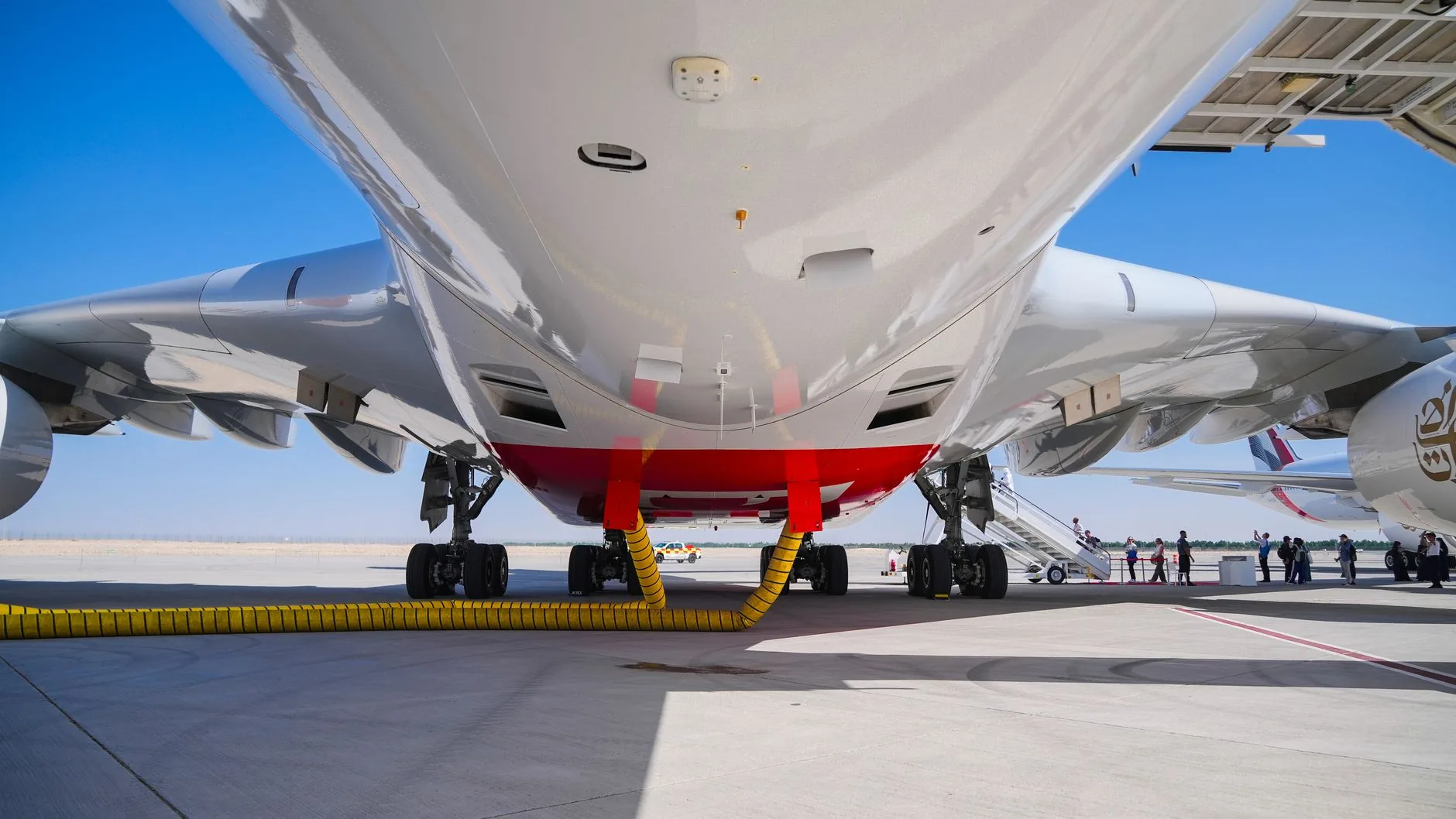
Dubai and Abu Dhabi Airports Operating Amid Flight Delays and Cancellations
Flight operations at Dubai International Airport and Abu Dhabi’s Zayed International Airport are being affected by delays and cancellations on September 3, with some disruption continuing into September 4. Both airports remain open and operational, but travelers may face changes to individual services and should verify their flight status before setting out.
What Happened
Reports on September 3 recorded delayed arrivals and departures at Abu Dhabi’s Zayed International Airport. Affected services included flights operated by Etihad, Air Arabia Abu Dhabi and IndiGo. Delays affecting Etihad services were also reported on September 4 through the airline’s own flight-status tracker.
At Dubai International Airport, reports recorded delayed arrivals, cancelled flights and delayed departures. Flydubai and Kenya Airways services were among those affected, while several SpiceJet departures were also reported as delayed.
Independent reporting indicated that nearly 20 flights across UAE airports were delayed or cancelled on September 3, including services to and from Dubai and Abu Dhabi. The disruption was not limited to one airline or one airport, although the status of individual flights varied.
The cause of the reported changes is not uniform across the available information. Regional security tensions were cited as a broader factor, while some specific delays were linked to technical or operational reasons. The evidence does not support treating one explanation as applying to every affected service.
The situation remains fluid. The reported disruption began at least on September 2 and was still affecting some services on September 4, while airport-wide operations continued.
What This Means for Travelers
The main practical point is that Dubai International and Zayed International Airport have not been reported as fully closed. Travelers can still use the airports, and flights are operating. However, normal airport operations do not mean that every listed service will depart or arrive on schedule.
Passengers may encounter a delayed departure, a cancelled flight or a schedule change even when the airport itself remains open. The impact can also differ between airlines and routes. A flight status shown earlier in the day may not provide a reliable basis for travel later, particularly while disruption continues into September 4.
Passengers connecting through Dubai or Abu Dhabi should pay close attention to both sectors of their journey. A delay on an inbound flight can affect a later connection, while a cancellation can require the airline to provide updated routing or rebooking information. Travelers should not assume that a connection will be protected simply because the airport is operating normally.
Those meeting arriving passengers may also wish to confirm the latest arrival information before going to the airport. Flight times and terminal expectations can change when services are delayed or cancelled.
What Travelers Should Do Now
Check the operating airline’s official flight-status page or app before leaving for the airport. The status of the specific flight is more useful than a general statement that airport operations are continuing. Recheck it close to departure, since conditions may change.
If the flight is delayed or cancelled, contact the airline directly for instructions on rebooking, revised departure times and any connection arrangements. Travelers should use the contact details and service channels provided by their airline rather than relying on information about another carrier’s operations.
Allow additional time for an affected journey and avoid making tight onward arrangements until the flight status is clear. If traveling to the airport, confirm the latest information before beginning the trip, especially when the service has already shown a delay or operational change.
Passengers with connecting itineraries should review the full booking, not only the first flight. If a delay threatens a connection, contact the airline as soon as possible and ask what action is required. Keep booking details and identification readily available in case the carrier changes the itinerary.
Travelers who are not yet at the airport should not rely solely on a previous confirmation or an unchanged booking screen. Direct confirmation from the airline is the most appropriate next step while individual services remain subject to change.
What Is Confirmed
Dubai International Airport and Abu Dhabi’s Zayed International Airport remained open and operational during the reported disruption.
On September 3, delays and cancellations affected individual services at both airports, including flights operated by Etihad, Air Arabia Abu Dhabi, IndiGo, Flydubai, Kenya Airways and SpiceJet. Independent reporting recorded nearly 20 delayed or cancelled flights across UAE airports.
Etihad’s official flight-status information confirmed that some Abu Dhabi services were still delayed or cancelled on September 4. Travelers were advised to check their individual flight status directly with the airline before traveling.
Sources
Primary sources
Independent reporting
- UAE travel update: Nearly 20 flights delayed or cancelled this week
- US-Iran war: What UAE residents need to know today (Sept. 3, 2026)
- Dubai and Abu Dhabi Trips Face Fresh Flight Disruption
Inspired? Start planning your trip.
Move from inspiration to planning with BookingTabs — explore hotels, tours and travel options in one place.




Join the conversation
Ask a question, share a travel tip, or help another traveler plan with confidence.
Leave a comment
No account or email required.