Mirror Lakes and Mountain Shores: Exploring Germany’s Most Stunning Lakes
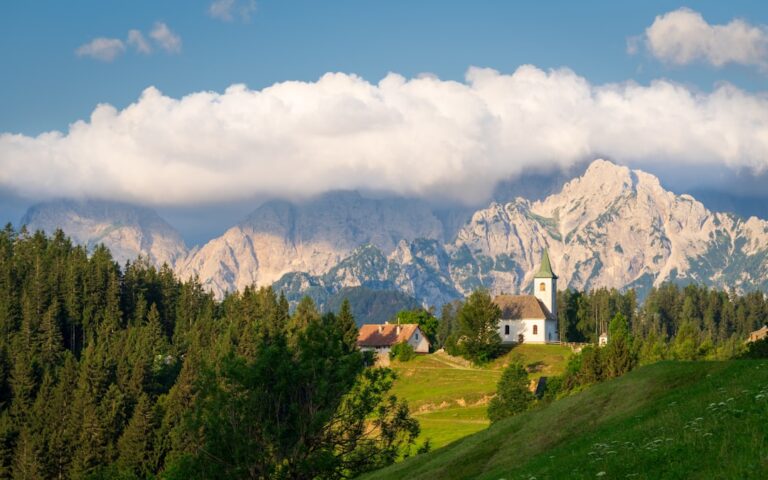
Germany’s lakes are as varied as its landscapes: glassy alpine basins reflecting jagged peaks, peat-dark moors framed by birch, and broad lowland waters lined by historic towns. From the Bavarian Alps to the Baltic coast, these lakes offer more than postcard views — they’re living places where locals swim, sail, hike, and gather. This article takes you to a selection of Germany’s most beautiful lakes, emphasizing clear alpine waters, iconic shorelines, and the experiences that make each destination distinctive. You’ll find practical advice on when to visit, how to get around, and how to enjoy local food, markets, and outdoor pursuits without missing the region’s subtle cultural notes. Whether you’re planning a reflective weekend or a longer itinerary, these lake destinations reward slow travel and careful observation.
Must-See Attractions
Germany’s lake country centers on a handful of places where geography, history, and access converge.
-
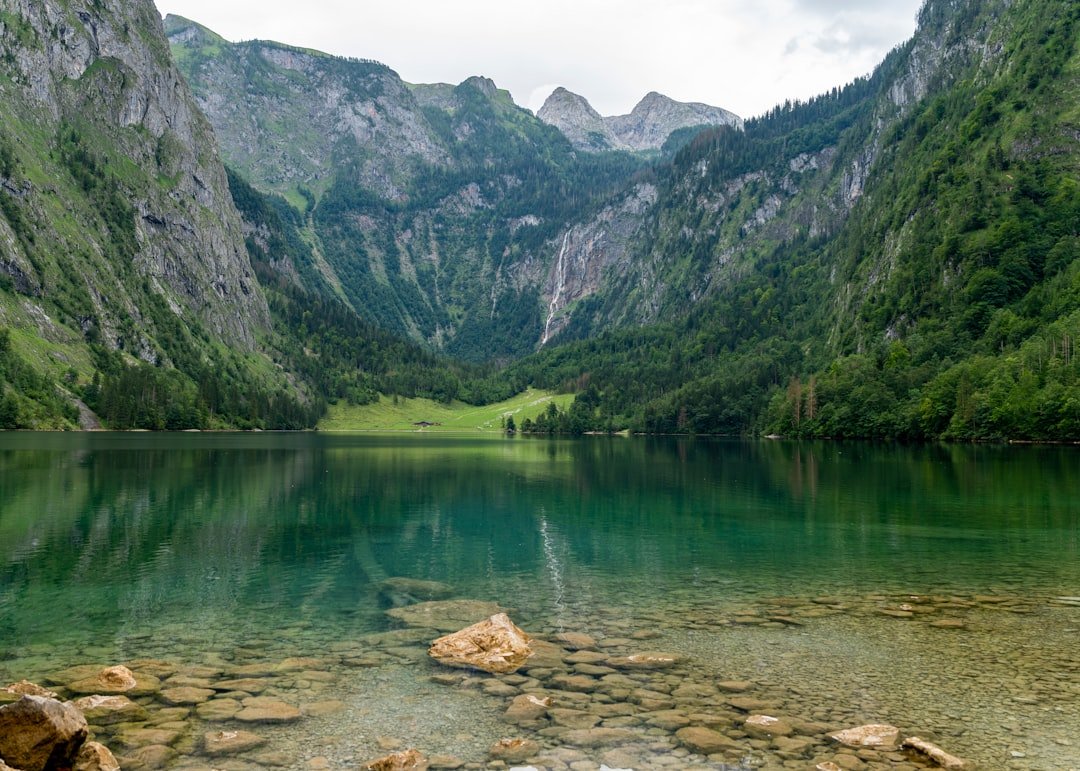
Königssee (Bavaria) — Nestled beneath the Watzmann massif in Berchtesgaden National Park, Königssee is famed for emerald water and steep limestone walls. The traditional electric boats that cross the lake preserve the silence; St. Bartholomä’s onion-domed church is the classic photo subject, and the echo from the chapel trampling point remains a memorable acoustic trick.
-
Chiemsee — Called the “Bavarian Sea,” Chiemsee is the largest lake in Bavaria and hosts Herrenchiemsee, King Ludwig II’s palace modeled on Versailles. On Fraueninsel, a small island with an old Benedictine convent, visitors can stroll narrow lanes and sample local fish dishes.
-
Eibsee — At the base of the Zugspitze, Germany’s highest peak, Eibsee’s clarity and blue-green hues make it one of the most photogenic alpine lakes. Boardwalks and short hikes around the shore provide panoramic views of the islands and the mountain above.
-
Lake Constance (Bodensee) — Where Germany meets Austria and Switzerland, Lake Constance is multicultural with vibrant lakeside towns like Lindau and Konstanz. Boat services connect islands and peninsulas, and the lake offers cycling routes with gentle terrain and long water vistas.
-
Wannsee and Tegeler See (Berlin) — Within reach of the capital, Wannsee’s beaches and Tegeler See’s wooded shores supply summer respite. Historic villas and lidos combine urban leisure with accessible nature.
-
Müritz — The centerpiece of Mecklenburg Lake District and Müritz National Park, Müritz is the largest lake wholly within Germany. Reed-fringed bays, flat-water paddling, and birdwatching define this quieter, northern lake landscape.
Best Time to Visit
Timing affects water clarity, activity options, and crowd levels. Here’s a seasonal breakdown to help plan your trip.
-
Late Spring (May–June) — Blossoms, warming water, and fewer crowds make late spring ideal for lake walks, cycling, and early boating. Alpine snowmelt raises water levels but usually preserves clarity in alpine basins.
-
Summer (July–August) — Warmest and busiest. Lakeside beaches, lidos, and ferry networks run at full speed. Expect higher prices and crowded popular lakes like Chiemsee and Königssee, but excellent conditions for swimming and sailing.
-
Early Autumn (September–October) — Crisp air, calmer waters, and changing foliage are perfect for photography and hiking. Wine harvests around the Bodensee add tasting opportunities. Many festivals continue into September.
-
Winter (November–March) — Alpine lakes offer stark, reflective beauty and quieter shores; some ferry services reduce frequency. Ice can form on northern lakes in cold spells, but swimming and boating are largely off-season except for winter sports near alpine basins.
For mild weather and fewer tourists choose late spring or early autumn; for full lakeside activity and warm water choose summer.
Essential Travel Tips
Practical advice makes lake travel smoother and safer.
-
Transportation — Germany’s rail network connects many lakes: regional trains serve Lindau, Konstanz, and Füssen (for the alpine lakes). From rail stations ferries and buses reach islands and remote shores. Consider a rental car for flexible access to smaller lakes and mountain roads, but be mindful of narrow alpine routes and seasonal parking limits.
-
Money — Credit cards are accepted in most tourist centers, but cash (Euros) remains useful for market stalls, lidos, and small ferries. ATMs are common in towns but sparse on small islands.
-
Safety — Alpine lakes can be deceptively cold; limit swims to designated beaches and heed lifeguard flags. Sudden weather changes in mountain regions can affect visibility and water conditions—check local forecasts before boat trips.
-
Packing — Bring layered clothing for variable mountain-to-lake microclimates, waterproof outerwear for sudden rain, sturdy walking shoes for shore trails, and reef-friendly sunscreen. If you plan to cycle the Bodensee or long lakeshore routes, include padded shorts and repair tools.
-
Local Etiquette — Respect nature reserves and marked swimming areas; many shorelines have protected reedbeds or nesting areas. When visiting island churches and convents dress modestly. In small towns, learn basic German greetings—Einfach “Guten Tag” or “Danke” goes far.
Frequently Asked Questions
Which German lake has the clearest water?
Eibsee and Königssee are often cited for exceptional clarity due to alpine sources and limited runoff; water clarity varies seasonally with snowmelt and weather.
Can I swim in these lakes year-round?
Swimming is seasonal—mainly late spring through early autumn. Alpine lakes remain cold even in summer; use supervised lidos if you want safer, monitored swimming.
Are boats and ferries frequent on major lakes?
Yes, major lakes like Chiemsee, Bodensee, and Königssee have regular ferry or boat services during the warmer months. Schedules may reduce in shoulder seasons, so check timetables in advance.
Which lake is best for a family-friendly visit?
Chiemsee and parts of Lake Constance are especially family-friendly, offering shallow beaches, water playgrounds, and easy excursions to islands and historic sites.
Are the lake regions accessible without a car?
Many are. Germany’s regional trains and buses reach Konstanz, Lindau, Garmisch-Partenkirchen (for Königssee connections), and Müritz towns. For remote or multiple small lakes, a car provides greater flexibility.
Conclusion
Germany’s lakes present a tapestry of experiences: crystalline alpine basins reflecting mountain silhouettes, broad lowland waters threaded with cycling routes, and tranquil reed-fringed northern lakes for birdwatching. Choosing which lake to visit depends on the mood you want—adventure and alpine panoramas, cultural island-hopping, or slow recreation and nature observation. Practical planning around timing, transport, and local customs will enhance your visit, while savoring regional food and small-town markets reveals the human rhythms that make each lake memorable. Take time to linger at a shoreline, listen for the echo across the water, and let the lakes’ seasonal moods shape your itinerary.