Coastal Portugal by Road: A Guide to the Country’s Most Charming Seaside Villages
Portugal’s coastline is a stitched tapestry of limestone cliffs, golden beaches and tile‑clad villages where fishing boats still come ashore by hand. A seaside road trip lets you move at the pace these places deserve: lingering over fresh seafood in a harbor-side tasca, watching surfers carve Atlantic rollers, and walking narrow lanes that open onto rooftop panoramas. This guide traces a flexible route through Portugal’s most charming coastal settlements — from the elegant promenades of Cascais and the surf culture of Ericeira to the dramatic cliffs of the Algarve — while offering practical advice to plan your journey, local experiences not to miss, and essential logistics. Whether you have a week or two, these villages are the kind of places that reward slow travel and curiosity.
Must-See Attractions
Along Portugal’s coast you’ll find a mix of natural landmarks and village highlights worth building your days around:
- Cascais: The old marina and long promenade past Praia da Ribeira, plus the dramatic Boca do Inferno cliffs just west of town.
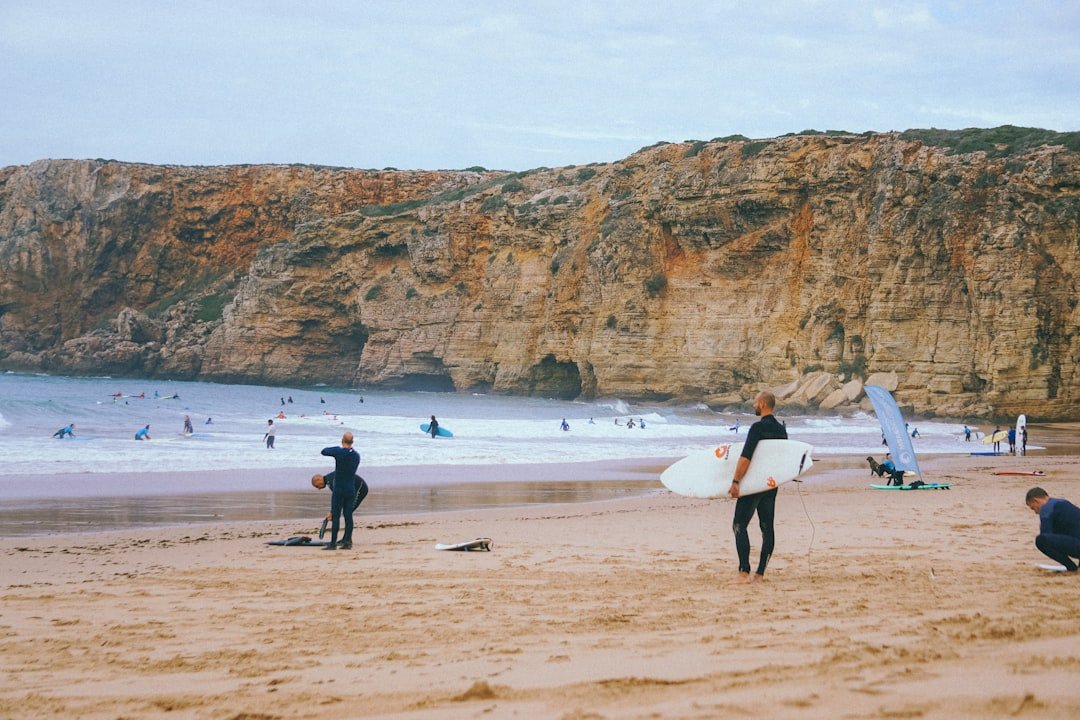
- Ericeira: Portugal’s only World Surfing Reserve — watch surfers at Ribeira d’Ilhas or stroll whitewashed alleys to viewpoints over the Atlantic.
- Peniche and the Berlengas: Peniche’s fortress and surf breaks are iconic; take a boat to Berlenga Island for birdlife and crystalline waters (seasonal services).
- Nazaré: Known globally for its giant winter waves at Praia do Norte; the funicular up to Sitio offers panoramic views of the massive bay.
- Óbidos Lagoon and Costa de Prata: Although Óbidos itself is inland, the nearby lagoon and coastal strip (São Martinho do Porto, Foz do Arelho) offer sheltered beaches and scenic vistas.
- Aveiro: The canals and moliceiro boats give this city a village feel; colorful tilework and salt pans around the Ria de Aveiro are picturesque.
- Vila Nova de Milfontes: Set at a river mouth in the Costa Vicentina Natural Park, with sweeping beaches and cliff-top walks.
- Burgau and Salema: Small Algarve fishing villages where narrow streets lead to sheltered coves and relaxed seafood restaurants.
- Lagos and Ponta da Piedade: The town’s historical center and the spectacular sea stacks and grottoes at Ponta da Piedade are unmissable.
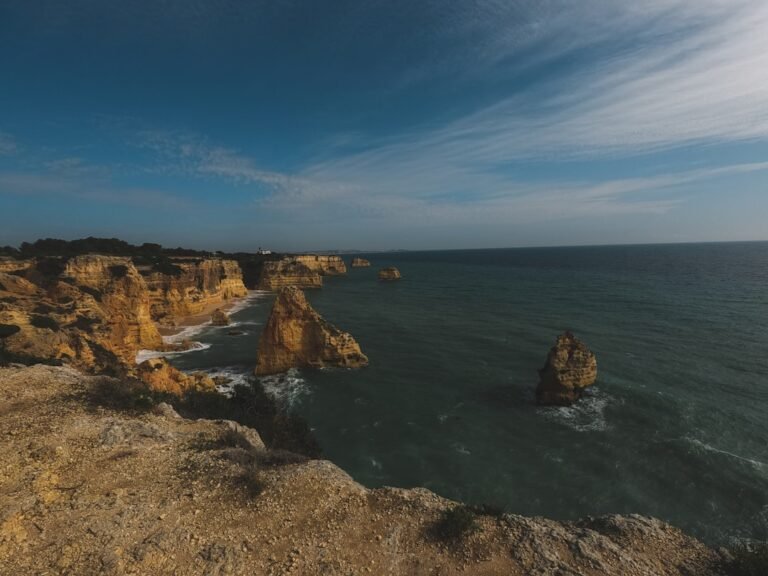
- Praia da Marinha and Benagil: Classic Algarve cliffs and coves; boat trips and coastal walks showcase the region’s geology.
- Comporta: Known for long white beaches, rice fields and a low-key luxury vibe; a good stop for understated shoreline relaxation.
Best Time to Visit
Choosing when to drive the coast depends on your priorities: weather, crowds, and activities.
- Late spring (May–June): Excellent balance of warm weather, blooming landscapes and moderate crowds. Sea temperatures start to rise and most boat services operate.
- Summer (July–August): Warmest sea temperatures and longest days but expect crowds in popular spots like Cascais, Lagos and Benagil. Book accommodation well in advance.
- Early autumn (September–October): Often the best window: warm water, fewer tourists and still-most boat tours. September is ideal for combining beach time and coastal hikes.
- Winter (November–March): Quietest months with dramatic skies and stronger surf—perfect for storm watching in Nazaré and off-season rates, but many small businesses reduce hours.
- Climate notes: Northern and central coasts are cooler and windier than the Algarve. The south (Algarve and Comporta) is milder year-round.
Essential Travel Tips
Practical advice to keep your road trip smooth and enjoyable:
- Transportation: Rent a car for flexibility; many villages are linked by scenic coastal roads (A roads and N roads). In summer, parking in popular villages can be limited—arrive early or use public lots. Trains serve Cascais, Aveiro and parts of the central coast, but they won’t reach smaller villages.
- Money: Portugal uses the euro. Small vendors in villages may accept only cash, especially for market stalls and small tascas, so carry some notes and coins.
- Safety: Coastal Portugal is generally safe. Watch for strong rips and currents on exposed beaches — heed red flags and local warnings. Keep valuables out of sight in parked cars.
- Packing: Bring layered clothing: Atlantic breezes can be cool even in summer evenings. Comfortable walking shoes for cobbled streets, reef‑compatible water shoes for rocky shorelines, and a light windbreaker for cliff-top walks.
- Local etiquette: Greet shopkeepers and restaurant staff with a polite “bom dia” or “boa tarde.” Tipping is appreciated but modest: round up or leave 5–10% for good service. Learn a few Portuguese phrases — locals value the effort.
- Connectivity: Mobile coverage is good in towns but patchy in remote stretches of the Costa Vicentina and some headlands. Download maps or offline resources if you plan long hikes.
- Environmental care: Respect protected areas: stick to marked trails in natural parks, avoid disturbing nesting birds on cliffs, and take your rubbish with you, especially in less-serviced beaches.
Frequently Asked Questions
How long should a coastal road trip in Portugal be to see the main villages?
For a relaxed pace covering Cascais to the Algarve highlights, plan 10–14 days. A week can cover a shorter stretch—e.g., Lisbon to the Alentejo or Lisbon to Lagos—while two weeks allow side trips and slower mornings in each village.
Are Portugal’s coastal villages family‑friendly?
Yes. Many beaches have gentle slopes and family amenities, especially in the Algarve and sheltered bays near Cascais and São Martinho do Porto. Check beach conditions for currents and supervise children on exposed surf beaches.
Can I surf if I’m a beginner?
Absolutely. Ericeira and Peniche offer surf schools and gentle beach breaks for beginners; Nazaré is for advanced surfers due to giant winter waves. Choose a reputable school and follow instructors’ safety guidance.
Is it easy to find vegetarian or vegan food in these villages?
Traditional coastal cuisine is seafood-heavy, but most towns now have vegetarian options, especially in tourist areas. Larger towns like Cascais, Lagos and Aveiro have dedicated vegetarian cafés; in smaller villages, ask for vegetable or grain-based dishes.
How can I visit the Berlengas or Benagil caves?
Boat services to Berlenga Island operate seasonally from Peniche; check schedules and book in advance for weekends. Benagil cave tours run from multiple Algarve launch points—opt for supervised boat or kayak trips offered by licensed operators for safety and the best access.
Conclusion
A road trip along Portugal’s coast reveals a country at its most immediate: the Atlantic is never far from view, and village life revolves around the sea’s rhythms. From the sophisticated promenades of Cascais and the world‑class surf culture of Ericeira to the quiet coves of the Algarve and the wild stretches of the Costa Vicentina, each stop offers distinct landscapes, flavors and rhythms. Travel slowly, taste locally, and prioritize early mornings or late afternoons to savor views without the crowds. With practical planning and an eye for the small details—a market stall, a cliff-top path, a family-run restaurant—you’ll come away with memories that go beyond photographs: the smell of salt on the air, the sound of fishermen sorting nets, and the kind of calm only coastal Portugal can provide.