Alpine Lakes & Charming Towns: Austria’s Best Lakeside Journeys
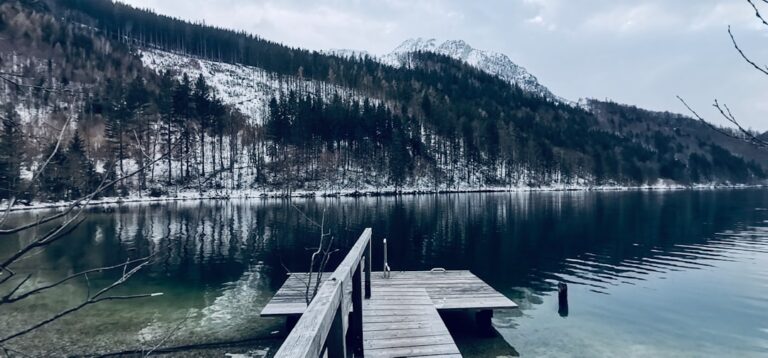
Austria’s alpine lakes are the country’s shimmering heart—mirror-like waters framed by jagged peaks, pastel villages, and centuries of salt-mining and lakefront life. From the fairy-tale setting of Hallstatt on Hallstätter See to the turquoise expanse of Achensee and the warm, summer buzz of Wörthersee, each lake offers a different flavor of alpine living. Whether you want to hike to a ridge viewpoint, take a vintage cog railway, paddle in crystalline waters, or linger over regional specialties in a centuries-old market square, Austria’s lakeside towns combine easy accessibility with striking scenery. This guide leads you through the most scenic lakes and villages, highlights authentic local experiences, and gives practical advice so you can plan a balanced, unforgettable journey along Austria’s lakeshores.
Must-See Attractions
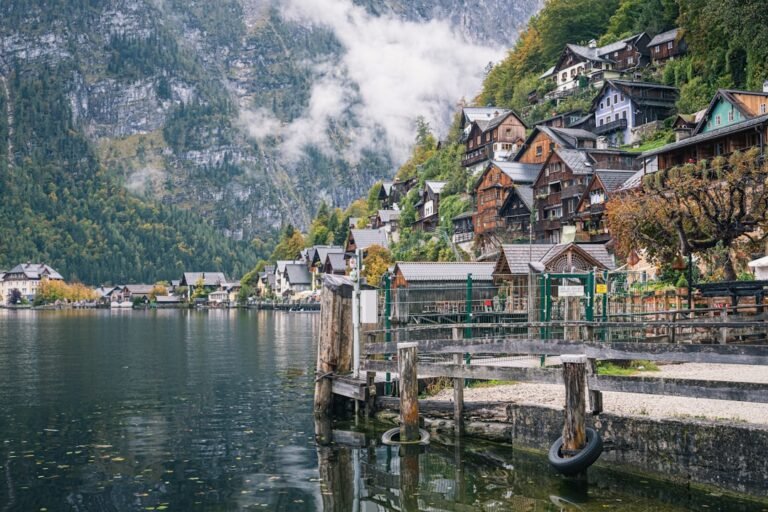
Start with Hallstatt and Hallstätter See: the lakeside village is UNESCO-listed for its cultural landscape and salt-mining heritage. Walk the narrow streets of Hallstatt, visit the 16th-century market square and view the town from the Skywalk platform above the lake. Nearby, the Dachstein massif offers the Giant Ice Cave and the “Five Fingers” viewing platform that extend the experience beyond the shoreline.
At Wolfgangsee, ride the SchafbergBahn cog railway from St. Wolfgang to Schafberg summit for sweeping views of several lakes. In St. Wolfgang itself, the pilgrimage church with its late-Gothic altarpiece anchors a lively lakeside promenade.
Zell am See and Lake Zell (Zeller See) are a classic alpine pairing: a compact town with promenades and an all-season ski resort visible across the water. In summer the lake is ideal for swimming and sailing; in winter the surrounding slopes invite skiing and winter hiking.
Achensee in Tyrol — Austria’s largest alpine lake — is famed for its aquamarine water and long promenade in Pertisau. The lake offers strong winds for sailing and a network of hikes and cycle routes along its shores.
Wörthersee in Carinthia contrasts the high-alpine lakes with a milder, almost Mediterranean feel: Velden and Pörtschach are popular for summer leisure, lakeside cafés, and watersports. Gmunden on Traunsee is known for its ceramic tradition and the Lichtenstein-style Traunstein backdrop; the lakeside town’s Esplanade and castle create a cultured setting.
Other noteworthy lakes include Mondsee with its Baroque Basilica, Fuschlsee near Salzburg’s historic roots, and Attersee in the Salzkammergut—favored by sailors and modernist artists. Each lake has a distinctive shoreline town or village that serves as a gateway to local landscapes and traditions.
Best Time to Visit
Seasons matter: late spring through early autumn (May–September) is the most popular time for lakeside travel. Late May and June bring wildflowers, mild temperatures and fewer crowds; July and August are warmest and busiest, ideal for swimming and full festival calendars. Early September often provides warm water and quieter streets.
For autumn color and hiking without peak-season crowds, late September–October is excellent; expect cooler mornings and crisp air. Winter (December–March) shifts activity toward snow sports—lakeside towns take on a serene, sometimes festive atmosphere with Advent markets and snow-covered promenades, though many boat services cease in deep winter.
Weather: Alpine weather can change quickly—sunny mornings may become afternoon showers, especially in summer. High-elevation viewpoints remain cooler than lake level, so pack layers. If you want predictable warm-water swimming, plan July–August.
Essential Travel Tips
Transportation: Austria’s rail and bus networks connect most lakeside towns. Hallstatt is accessible by train to Hallstatt station (across the lake) with a short ferry transfer; SchafbergBahn and local boat services are seasonal. Renting a car gives flexibility for visiting multiple lakes in a day but expect narrow roads and limited parking in historic centers. Cycling is practical on flatter lakes like Mondsee and along dedicated routes in the Salzkammergut.
Money: Austria uses the euro. Smaller towns may have limited hours for banks and ATMs; many establishments accept cards but keep some cash for markets, small cafés, and boat fares.
Safety: Lakes are generally safe for swimming; check local signage for water temperatures and designated bathing areas. If renting boats or SUPs, follow local regulations and weather advisories. Mountain hiking requires proper footwear and awareness of changing conditions; always carry water, layers and a basic map or navigation app.
Packing: Bring layered clothing, waterproof shell, sturdy walking shoes, swimwear, and sun protection. For autumn or higher-altitude trips, include a warm mid-layer and hat. If you plan to dine in finer restaurants, smart-casual attire is common.
Local etiquette: Austrians value punctuality and courteous behavior. Greet shopkeepers and servers with a polite “Grüß Gott” or “Servus” in many regions. Respect quiet hours in residential areas, especially in smaller villages. Tipping of 5–10% is customary in restaurants if service is not included.
Frequently Asked Questions
Are the alpine lakes swimmable?
Yes—many are swimmable in summer, but water temperatures can remain cool even in July and August. Designated bathing areas and monitored beaches are available at popular lakes such as Zell am See, Achensee and Wörthersee.
How do I travel between the lakes?
By train and bus for key routes in the Salzkammergut and between major towns; car rental offers the most flexibility. Seasonal boat services also link lakeshore towns and make for scenic transfers.
Is Hallstatt worth a visit despite crowds?
Yes. Hallstatt’s UNESCO status, salt-mining history and lakeside setting are unique. To avoid peak crowds, visit early morning or late afternoon, or consider nearby Obertraun and the Dachstein attractions for quieter alternatives.
Can I visit multiple lakes in a single trip?
Absolutely. Many travelers base themselves in a central town (such as Bad Ischl, Gmunden, or Salzburg) and take day trips to lakes in the Salzkammergut. Driving allows easier multiple-lake itineraries within one region.
What outdoor activities are best at alpine lakes?
Swimming, sailing, paddling, hiking, cycling and lakeside photography are popular in summer. In winter, nearby ski areas offer skiing and snowshoeing while lakeside towns provide winter markets and relaxed sightseeing.
Conclusion
Austria’s alpine lakes and their towns offer a variety of experiences—quiet reflection on mirror-like waters, high-energy summer sports, historic sites rooted in salt and craft, and mountain panoramas that reward modest effort. Whether you follow a single-lake itinerary around Hallstatt and Dachstein, combine the bright shores of Wörthersee with the alpine drama of Zell am See, or linger at Achensee for wind-filled sailing, a lakeside journey in Austria is shaped by seasonal rhythms and local traditions. With straightforward transport links, welcoming guesthouses and a wealth of walking routes, these lakes make accessible and memorable anchors for any trip to the Austrian Alps.