Alberta Revealed: Exploring the Rockies, Turquoise Lakes and National Parks
Alberta’s stretch of the Canadian Rockies offers a concentrated palette of jagged peaks, turquoise waters and protected wilderness that remains unrivaled in North America. From the classic postcard vistas at Lake Louise and Moraine Lake to the sweeping glaciers along the Icefields Parkway, the province packs a lifetime of mountain experiences into a manageable road trip. Beyond scenery, Alberta’s national parks host wildlife, alpine meadows, Indigenous histories and outdoor recreation for every season. Whether you want to watch a sunrise over a glassy lake, drive one of the world’s most scenic highways, or hike above treeline for hummingbird views, Alberta delivers. This guide focuses on the top places to see, authentic local experiences, practical travel advice and answers to common visitor questions to help you make the most of a trip to the Rockies.
Must-See Attractions
Banff National Park: Canada’s first national park is a compact concentration of must-see mountain sights. Banff townsite serves as a gateway to nearby attractions like Bow Falls and the Banff Gondola, which climbs Sulphur Mountain for panoramic views of valley peaks and town below.
Lake Louise and Moraine Lake: These two lakes define the classic Rocky Mountain image. Lake Louise’s emerald water framed by Victoria Glacier is accessible year-round by road and walkways; Moraine Lake, in the Valley of the Ten Peaks, is famous for its striking blue color and the Rockpile viewpoint that looks down the long glacial valley.
Icefields Parkway: The drive between Lake Louise and Jasper is one of the world’s premier scenic highways. Highlights include Peyto Lake, the Columbia Icefield and roadside stops with short interpretive trails. Glacier Skywalk at the parkway’s edge offers a vertiginous viewpoint over the Sunwapta Valley.
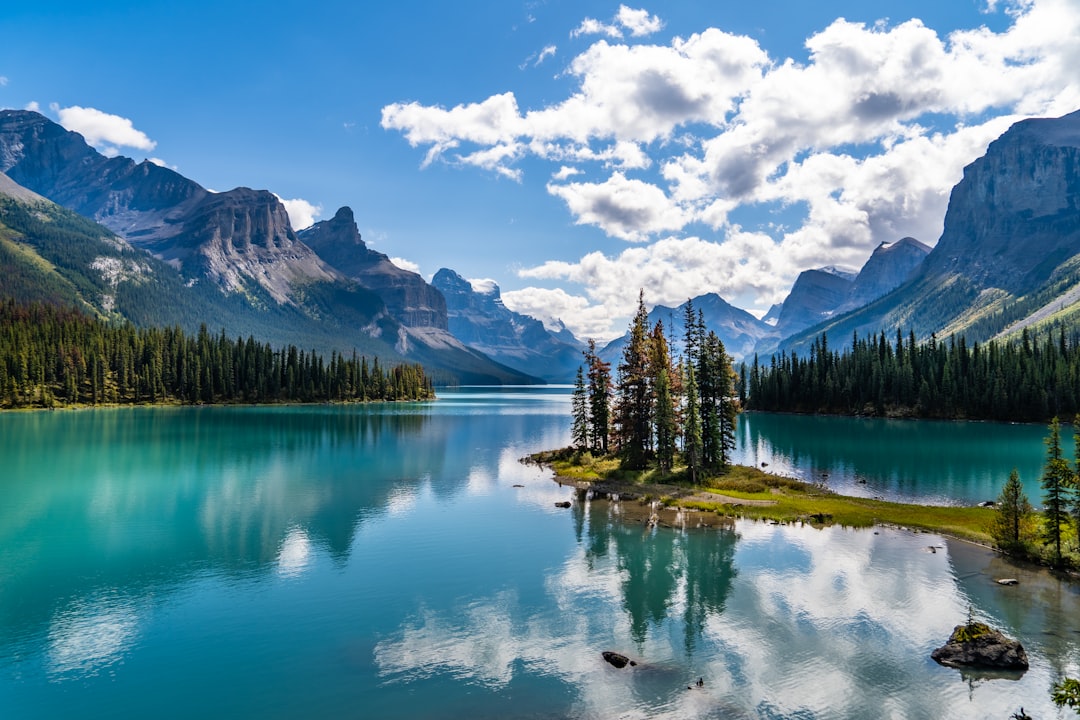
Jasper National Park: Larger and quieter than Banff, Jasper offers wide-open mountain vistas, Maligne Lake and Spirit Island—one of the most photographed lake scenes in Canada—as well as vast backcountry, abundant wildlife and dark-sky preserves for stargazing.
Waterton Lakes National Park: At Alberta’s southwest corner, Waterton combines prairie and mountain ecosystems with quieter hiking and Waterton Lake boat cruises. The townsite has a relaxed, small-town feel and is a gateway to scenic trails and viewpoints.
Kananaskis Country and Peter Lougheed Provincial Park: A short drive from Calgary, this system of parks and campgrounds is ideal for day hikes, mountain biking and quieter lodge stays without the crowds around Banff and Lake Louise.
Local Experiences
Culinary and Markets: Alberta’s mountain towns emphasize hearty, locally sourced cuisine. In Banff and Canmore, find bistros serving Alberta beef, elk and trout, alongside bakeries and coffee shops catering to outdoor travelers. Seasonal farmers’ markets in Canmore and Jasper showcase local preserves, breads and artisanal goods—perfect for picnic supplies.
Viewpoints and Neighborhoods: Explore the historic streets of Banff Avenue for shops and galleries, then take short drives to Tunnel Mountain and the Bow River pathways for quieter outlooks. In Jasper, Patricia and Pyramid Lakes provide peaceful sunset vantage points away from crowds.
Festivals and Events: Summer brings outdoor concerts, mountain film festivals and local celebrations in Banff and Jasper. In winter, Jasper’s Dark Sky Festival celebrates astrophotography and night-sky education, while Banff hosts the SnowDays and winter arts programming.
Outdoor Activities: Hike accessible trails such as Johnston Canyon (catwalks and waterfalls), Plain of Six Glaciers near Lake Louise, and Sulphur Mountain boardwalks. For paddlers, rent a canoe at Lake Louise or Maligne Lake. Winter offers world-class skiing at Sunshine Village, Lake Louise Ski Resort and Marmot Basin, plus snowshoeing and ice-walking through frozen waterfalls.
Wildlife Viewing: Early morning and dusk are best for spotting elk, bighorn sheep, mule deer and bears. Use guided wildlife tours for safe observation and local interpretation. Respect distance rules and never feed wildlife.
Best Time to Visit
Seasons in Alberta’s Rockies each have distinct advantages. Summer (late June to early September) provides the warmest weather, full road access, busier trailheads and the clearest lake colors thanks to glacial melt. Expect the highest crowds in July and August around Lake Louise and Moraine Lake.
Late spring and early fall (May–June and September–early October) are shoulder seasons with fewer visitors, crisp mornings and changing light—ideal for hiking and photography. Some higher-elevation trails may still have snow in late spring; check conditions before setting out.
Winter (November–March) offers serenity, lower prices and excellent skiing and snowshoeing, though some roads and facilities operate on reduced hours. January and February are coldest and sunniest; pack for subfreezing temperatures.
For stargazing and northern lights in the region around Jasper, autumn and winter nights are longest and clearest, but bring warm layers and plan for early sunsets.
Essential Travel Tips
Transportation: Renting a car is the most flexible way to explore Alberta’s national parks; winter driving requires snow tires and winter driving experience. There are seasonal shuttle services to popular sites like Moraine Lake and Lake Louise—use them to avoid parking congestion.
Permits and Passes: Park entry requires a national park pass for Banff, Jasper and Waterton. Purchase passes online or at park gates. Certain activities—backcountry camping, guided climbs—require separate permits or reservations; check Parks Canada resources.
Money and Services: Credit cards are widely accepted; ATMs exist in Banff, Canmore and Jasper but can be limited in smaller towns. Carry some cash for farmers’ markets or small vendors. Cell service is intermittent in backcountry areas, so download maps and emergency contacts before heading out.
Safety and Wildlife: Respect wildlife distances—stay at least 100 meters from bears and 30 meters from other large animals. Carry bear spray where recommended and know how to use it. Check weather and avalanche forecasts in winter and register intentions when venturing into remote areas.
Packing Essentials: Layered clothing for variable mountain weather, waterproof outerwear, sturdy hiking boots, sun protection and a reusable water bottle with a filter for backcountry water. In winter, add insulated layers, crampons or microspikes for icy trails and a headlamp for short daylight hours.
Local Etiquette: Support local businesses and Indigenous-run enterprises. Follow Leave No Trace principles, stay on marked trails and respect closures for wildlife protection and habitat restoration.
Frequently Asked Questions
Do I need a national park pass to visit Banff or Jasper?
Yes. Banff, Jasper and Waterton are national parks and require a Parks Canada pass for vehicle entry. Day, seasonal and annual passes are available online and at park gates.
How long should I spend to see the main highlights?
A focused itinerary of 4–7 days lets you experience Banff, Lake Louise, a stretch of the Icefields Parkway and Jasper. Add days for hiking, backcountry trips or a leisurely stay in Waterton or Kananaskis.
Are the famous turquoise lakes accessible year-round?
Lake Louise and some viewpoints are reachable year-round, but seasonal services and roads like the Moraine Lake road are often closed in winter. Winter colors differ—ice and snow create dramatic scenes—but summer best showcases the vibrant turquoise hues.
What wildlife precautions should I take?
Maintain safe distances, avoid hiking alone in bear country, make noise on trails, carry bear spray where recommended and store food properly using bear-proof lockers at campsites and some trailheads.
Is public transport available between major sites?
Yes, there are shuttle services and regional buses linking Calgary, Banff and Lake Louise, and seasonal shuttles to key attractions. However, a car offers greater flexibility for stopping at viewpoints along the Icefields Parkway and accessing smaller trailheads.
Conclusion
Alberta’s Rocky Mountains condense many mountain experiences into one easily explored region: glacier-carved valleys, glassy turquoise lakes, sweeping highways and abundant wildlife. Whether you’re chasing sunrise reflections at a lake, driving the Icefields Parkway, or discovering quieter trails in Jasper and Kananaskis, planning around seasons and park rules will enhance your visit. Embrace local cuisine, respect wildlife and allow extra time for unexpected viewpoints—often the best moments in the Rockies arrive between planned stops. With practical preparation and a sense of curiosity, Alberta rewards visitors with scenery and experiences that linger long after you leave the mountains behind.