
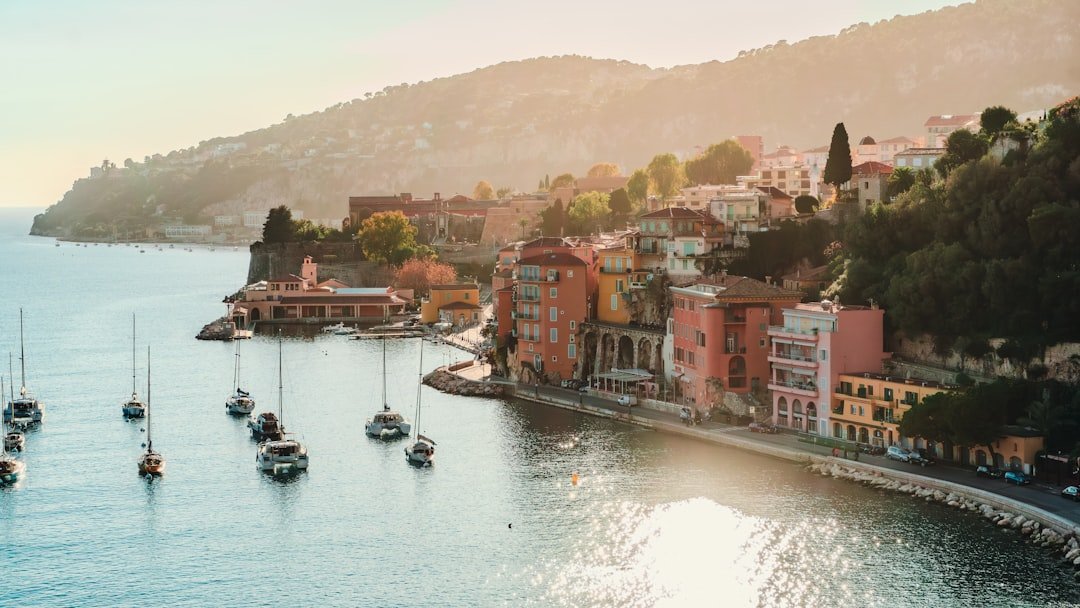
Coastal Gems of Southern France: Charming Towns from Nice to Collioure
Southern France’s coastline stretches from the glamour of the French Riviera to the windswept beaches of the Atlantic and the pastel harbors of the Languedoc. This coastline is a patchwork of elegant promenades, fishing ports, cliffside villages and sheltered bays, each offering a distinct atmosphere. Whether you crave Provençal markets, world-class art museums, rugged calanques or a lively surf scene, the region’s towns deliver memorable moments in compact, walkable settings. This guide highlights the most beautiful coastal towns in Southern France—places where architecture, sea views and local life combine to create lasting impressions—and gives practical advice on what to see, where to eat, and when to visit to make the most of your seaside itinerary.
Must-See Attractions
Southern France’s coastal towns are rich with iconic sights—here are the highlights you should not miss.
- Nice — Promenade des Anglais and Vieux Nice: Stroll the palm-lined Promenade des Anglais along the Baie des Anges, then lose yourself in Vieux Nice’s narrow streets, baroque churches and lively Cours Saleya market.
- Cannes — Le Suquet and Palais des Festivals: Explore Le Suquet, the old quarter overlooking the harbor, and walk the Croisette past luxury hotels to the Palais des Festivals, where the famous film festival takes place.
- Antibes — Port Vauban and Picasso Museum: Visit Port Vauban, one of the Mediterranean’s largest marinas, and the Picasso Museum housed in the Château Grimaldi, displaying works tied to the town’s artistic past.
- Saint-Tropez — La Ponche and the Citadel: Wander La Ponche, the historic fishing quarter, then climb to the citadel for panoramic views of the gulf and the pastel-hued harbor below.
- Cassis — Calanques and the Old Port: Use Cassis as a gateway to the Calanques National Park; the sheltered old port is lined with cafés and offers boat trips into the dramatic limestone fjords.
- Collioure — Château Royal and Church of Notre-Dame-des-Anges: Discover the picture-perfect harbor, the seaside Château Royal and the church with its striped bell tower that inspired Fauvist painters like Matisse and Derain.
- Biarritz — Rocher de la Vierge and surf beaches: On the Atlantic coast, Biarritz’s Rocher de la Vierge and the Grande Plage capture the town’s elegant seaside charm and its reputation as a top European surf destination.
- Èze — Jardin Botanique and medieval village: Perched above the sea, Èze offers cliffside botanical gardens and narrow medieval alleys with spectacular views of the Côte d’Azur.
Local Experiences
To feel the culture beneath the postcard views, prioritize sensory, local activities in each town.
- Markets and food: Visit Nice’s Cours Saleya market for flowers, socca and Provençal produce. In Antibes, the Marché Provençal on Place Nationale sells olives, cheeses and charcuterie. Try fresh seafood and local wines in Cassis; in Collioure sample anchovies and Catalan specialties.
- Seafront promenades and viewpoints: Walk Cannes’ La Croisette at sunset, climb Saint-Tropez’s citadel for harbor panoramas, and hike up to Èze’s Jardin Exotique for cliff-edge vistas of the Mediterranean.
- Harbor life and boating: Take a boat from Cassis to the Calanques or rent a small craft in Antibes to explore quiet coves. In Nice and Cannes, short coastal cruises offer a different perspective on the coast.
- Art and culture: Plan time for the Picasso Museum in Antibes and the Musée Matisse in Nice. Collioure’s artistic legacy can be appreciated through galleries and a stroll past motifs that influenced early 20th-century painters.
- Festivals and nightlife: Time visits for local festivals—Cannes Film Festival in May draws international crowds; summer fêtes in coastal towns often feature music, fireworks and open-air dining. Biarritz hosts international surf competitions and lively beachfront cafés.
- Outdoor activities: Hike the coastal paths around the calanques for dramatic scenery, join a guided snorkel or sea-kayak trip in clear Mediterranean waters, or learn to surf on Biarritz’s consistent Atlantic breaks.
Best Time to Visit
The best time depends on what you want: warm beach days or quieter sightseeing.
- Spring (April–June): One of the best windows—wildflowers, moderate temperatures (60s–70s°F / 15–25°C), and fewer crowds than peak summer. Many coastal towns host cultural events in late spring.
- Summer (July–August): Peak beach season with hot weather and lively nightlife. Expect large crowds, higher prices and busy ports—book accommodations and boat trips well in advance.
- Autumn (September–October): Warm seas linger into September, and early October often offers pleasant weather with thinning crowds and harvest-season food markets—ideal for wine and gastronomy-focused visits.
- Winter (November–March): Cooler, quieter months; many coastal towns remain open with lower rates. The Riviera retains mild winters, while Atlantic towns like Biarritz are windier but great for off-season surfing and local life without the tourist bustle.
Essential Travel Tips
Practical advice to make travel along Southern France’s coast smoother and more enjoyable.
- Getting around: Trains link major towns—Nice, Cannes, Antibes and Antibes to Saint-Raphaël—while regional TER services and Intercités connect along the coast. For smaller villages (Èze, Cassis), local buses or rented cars offer flexibility; parking can be limited in high season.
- Money and payments: Euros are used throughout; credit cards are widely accepted, but carry cash for markets, small cafés and village shops.
- Safety and health: Coastal towns are generally very safe; take usual precautions in crowded tourist areas for pickpocketing. Sun protection is essential—high SPF sunscreen, a hat and sunglasses—and stay hydrated on summer walks.
- Packing: Bring layered clothing: light fabrics for daytime heat, a windproof jacket for coastal breezes and smarter attire for evening dining in cosmopolitan spots. Comfortable walking shoes are essential for cobbled streets and cliff paths.
- Local etiquette: Greet shopkeepers with a polite bonjour/bonsoir. In smaller towns, slow down and respect mealtime rhythms—many businesses close midday for a break. Tipping is appreciated but modest; rounding up or leaving 5–10% for table service is common.
- Reservations and timing: For popular restaurants, museum tickets, and port excursions in summer, reserve ahead. Early mornings are best for visiting busy promenades and markets before crowds arrive.
Frequently Asked Questions
Which southern French coastal town is best for beaches?
For classic Mediterranean beaches choose Nice, Cannes or the sandy stretches near Saint-Tropez (Pampelonne). Cassis has prettier, smaller coves ideal for swimming but fewer long sandy beaches.
Can I visit several towns in one trip?
Yes. The Côte d’Azur towns (Nice, Antibes, Cannes, Saint-Tropez via short drive or ferry from Saint-Raphaël) are close by and easily combined by train, car or boat. For Collioure and Biarritz, plan longer transfers or separate legs to cover the Languedoc and Basque coasts.
Are these towns family-friendly?
Many are. Nice and Antibes offer broad promenades, calm beaches and family-oriented museums. Biarritz suits families who enjoy surfing and beach activities; Cassis and the Calanques are excellent for older kids who can hike or take boat trips.
Is public transport reliable along the coast?
Regional trains and buses are generally reliable between major towns, but schedules can be reduced on Sundays or public holidays. During summer, seasonal services and ferry connections increase—but expect higher demand.
Do I need to speak French to enjoy these towns?
No, but basic French phrases (bonjour, merci, s’il vous plaît) are appreciated and open doors to friendlier interactions. In tourist centers, English is commonly spoken, especially in restaurants, hotels and attractions.
Conclusion
Southern France’s coastline offers a compact yet varied palette of experiences—from the elegant promenades of Nice and Cannes to the rugged beauty of the Calanques and the artistic charm of Collioure. Each town brings its own rhythm: bustling markets and cultural institutions, quiet harbors and dramatic viewpoints, surfable Atlantic beaches and sheltered Mediterranean coves. Travel with an eye for local markets, coastal walks and seasonal festivals to move beyond postcards and discover what makes each place distinctive. With thoughtful planning—especially in high season—you can craft an itinerary that balances iconic sights with authentic, leisurely moments by the sea.
Inspired? Start planning your trip.
Move from inspiration to planning with BookingTabs — explore hotels, tours and travel options in one place.


Join the conversation
Ask a question, share a travel tip, or help another traveler plan with confidence.
Leave a comment
No account or email required.