
Exploring Morocco: Imperial Cities, Sahara Dunes and Authentic Culture
Morocco is a compact country of striking contrasts: medieval medinas rub shoulders with French-colonial boulevards, wind-scoured dunes rise from ochre plains, and snow-capped peaks tower above sunbaked villages. In a single journey you can wander the labyrinthine souks of Marrakech and Fes, stand under the vast arc of the Hassan II Mosque in Casablanca, then ride a camel into the silent expanse of the Sahara at Merzouga. The country’s layered history—Berber, Arab, Andalusian and European—feeds a rich cultural scene visible in crafts, cuisine and daily ritual. This guide focuses on the essential places and experiences that reveal Morocco’s character: the four imperial cities, desert gateways, coastal and mountain escapes, plus practical tips to travel confidently and respectfully.
Must-See Attractions
Start in Marrakech: the medina’s heart is Jemaa el-Fna, a changing theatre of storytellers, food stalls and musicians that comes alive at dusk. Nearby the Koutoubia Mosque’s minaret is a city landmark, while the Saadian Tombs and the Bahia Palace showcase ornate woodworking, zellij tilework and riad gardens.
Fes is Morocco’s spiritual and scholarly center. Fes el-Bali, a UNESCO World Heritage medina, contains the medieval Al-Qarawiyyin University and mosque, and a maze of narrow alleys where tanneries and traditional craft workshops continue centuries-old trades. Don’t miss the Bou Inania Madrasa and the Nejjarine Fountain and Museum.
Rabat, the capital, offers calmer, wide avenues and significant monuments: the Kasbah of the Udayas overlooking the Atlantic, the Mausoleum of Mohammed V, and the Hassan Tower. Casablanca’s modern scale is centered on the monumental Hassan II Mosque, one of the world’s largest mosques with a dramatic oceanfront setting.
Meknes, a quieter imperial city, provides access to the nearby Roman ruins of Volubilis—impressive mosaics set among olive groves—and the royal stables and gates of Sultan Moulay Ismail’s legacy. For coastal charm, Essaouira’s fortifications, wind-swept beaches and creative arts scene offer a relaxing contrast to inland bustle. Chefchaouen, in the Rif Mountains, is famed for its blue-washed streets and relaxed atmosphere.
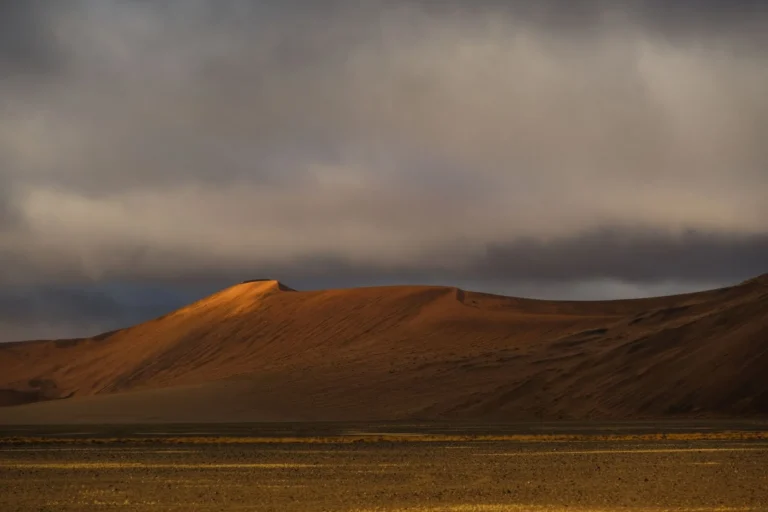
Finally, no trip to Morocco is complete without the Sahara. Merzouga (Erg Chebbi) and the dunes near Erfoud are primary gateways for camel treks and overnight bivouacs under clear desert skies; Zagora is an alternative for shorter desert excursions. For dramatic mountain scenery, the High Atlas—home to Mount Toubkal and the Toubkal National Park—and the Todra and Dades gorges present exceptional hiking and dramatic road journeys.
Local Experiences
Food: Moroccan cuisine is communal and fragrant. Try tagine (slow-cooked stews), couscous, pastilla (a savory-sweet pie), and harira soup. Street food at Jemaa el-Fna includes grilled sardines, skewered meats and pastries. Mint tea—green tea sweetened with fresh mint—is Morocco’s ubiquitous welcome; accept offers graciously.
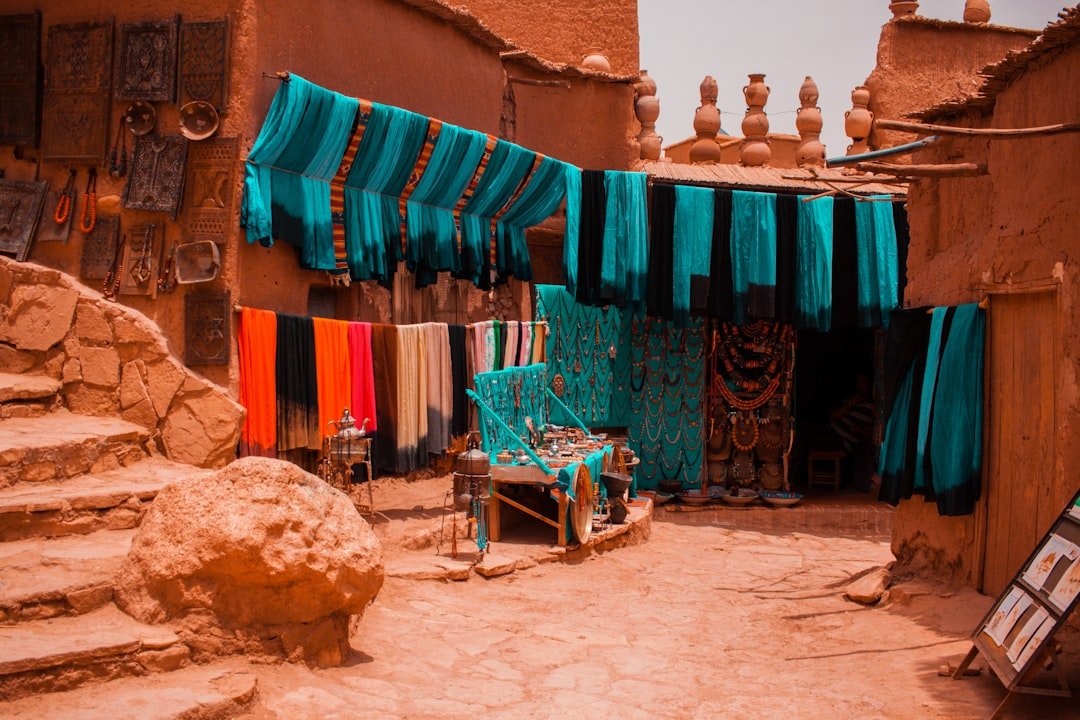
Markets: Souks are living marketplaces for spices, leather, ceramics, metalwork and textiles. In Marrakech the souk near the medina divides into specialized quarters—dyers, leatherworkers, jewelry—while Fes is renowned for traditional artisans around the Tanneries and the Chouara leather workshops. Bargaining is expected; do so politely and with a smile.
Viewpoints & Neighborhoods: Climb the minaret of the Koutoubia (from the outside viewpoint) or head to rooftop cafés in Fes and Marrakech for panoramic medina views. Stroll Rabat’s Oudayas quarter for ocean views and Andalusian-era gardens. In Chefchaouen, walk uphill for broad views of the blue town against the Rif backdrop.
Festivals & Culture: Timing a visit with local festivals can enrich your trip. The Gnaoua World Music Festival in Essaouira (usually June) highlights spiritual Gnawa music. Marrakech hosts the Marrakech International Film Festival and seasonal arts events. Ramadan transforms daily life—expect altered opening hours and special evening meals.
Outdoor Activities: The Atlas Mountains offer day hikes and multi-day treks; guided routes to Imlil and Toubkal base villages are widely organized. In the south, camel treks and 4×4 excursions into the Erg Chebbi dunes provide sunrise and sunset vistas. Atlantic surf towns like Taghazout and Imsouane are popular with surfers; coastal winds around Essaouira are ideal for wind- and kite-surfing.
Best Time to Visit
Seasons: Morocco’s climate varies sharply by region. Coastal and northern areas have mild Mediterranean weather; the interior and south are continental and desert-like, with hot summers and cold winters at altitude.
Weather & Crowds: Spring (March–May) and autumn (September–November) are the most comfortable months nationwide: temperatures are warm without extreme heat, flowers bloom in spring, and mountain trails are accessible. Summer (June–August) brings high temperatures in inland cities and the Sahara; coastal cities are cooler but can be crowded with European holidaymakers. Winter (December–February) is low season in many areas—mild along the coast, chilly and snowy in the High Atlas; desert nights can be very cold.
Best Months: April–June and September–October balance pleasant weather and moderate crowds. If you plan a desert trip, late autumn through early spring offers cool nights for sleeping under the stars, while the shoulder seasons avoid the midsummer heat for trekking and city exploration.
Essential Travel Tips
Transportation: Trains connect major cities like Casablanca, Rabat, Meknes, Fes and Marrakech with reliable services; ONCF operates the network. Intercity buses and private grand taxis serve smaller towns. Renting a car gives flexibility for mountain and desert routes, but driving in cities requires care—narrow medina lanes are unsuitable for cars. For Sahara access, book organized tours or 4×4 transfers from gateway towns (Merzouga, Erfoud, Zagora).
Money: Morocco uses the Moroccan dirham (MAD). Cash is essential in souks and rural areas; ATMs are common in cities. Credit cards are widely accepted at hotels and larger restaurants but have limited use in smaller businesses. Notify your bank before travel to avoid card blocks.
Safety: Morocco is generally safe for travelers. Use normal precautions: watch belongings in crowded souks, agree prices beforehand, and avoid isolated areas at night. Be cautious when accepting offers from unofficial guides. Women travelers should expect some attention; dressing modestly in conservative areas reduces unwanted attention.
Packing: Layered clothing is best—lightweight garments for daytime, a warm layer for evenings in the desert or mountains. Comfortable walking shoes are essential for uneven medina streets. Bring sunscreen, a hat, reusable water bottle, and a basic first-aid kit. If visiting religious sites, carry a scarf or shawl for modest covering.
Local Etiquette: Greet with a handshake in formal settings; men and women may avoid handshakes across genders unless initiated. Remove shoes when entering homes or some religious spaces. Always ask permission before photographing people, especially in rural areas. Tipping is customary: small amounts for guides, drivers and service staff are appreciated.
Frequently Asked Questions
Do I need a visa to visit Morocco?
Visa requirements depend on your nationality. Many Western countries enjoy visa-free stays of up to 90 days, but check the Moroccan government or your embassy for current rules well before travel.
Is it safe to drink tap water?
Tap water in major cities is generally treated and considered safe, but travelers often prefer bottled water—especially in rural areas or when unsure about plumbing. Use bottled water for brushing teeth if you have a sensitive stomach.
What currency should I carry and are credit cards accepted?
Carry Moroccan dirhams (MAD) for markets, taxis and small purchases. ATMs are common in urban centers; credit cards are accepted in hotels, larger restaurants and some shops but are less useful in souks and small towns.
How can I respect local customs during Ramadan?
During Ramadan, avoid eating, drinking or smoking in public during daylight hours in conservative areas as a sign of respect. Many restaurants remain open in tourist zones, and evenings after sunset are livelier with special meals and events.
What’s the best way to visit the Sahara safely?
Book reputable operators for camel treks and overnight camps. Expect basic facilities in desert camps; check reviews and clarify inclusions like transfers, meals, and sleeping arrangements. For health and safety, bring warm clothing for nights and sun protection for daytime.
Conclusion
Morocco’s appeal lies in its contrasts: bustling imperial medinas and serene desert horizons, mountain treks and Atlantic surf, centuries-old craftsmanship and contemporary cultural life. Travel here rewards curiosity—wander alleys to find artisans at work, taste cuisine shaped by diverse influences, and take time to watch a desert sunrise. With seasonal planning, respectful behavior and basic practical preparation, travelers can experience Morocco’s layers safely and memorably. Whether you aim to explore the imperial cities, sleep beneath Sahara stars, or hike the Atlas, Morocco offers deep, sensory travel that lingers long after you leave.
Inspired? Start planning your trip.
Move from inspiration to planning with BookingTabs — explore hotels, tours and travel options in one place.
Join the conversation
Ask a question, share a travel tip, or help another traveler plan with confidence.
Leave a comment
No account or email required.