
South Africa Uncovered: Wildlife Safaris, Coastal Drives and Cultural Depths
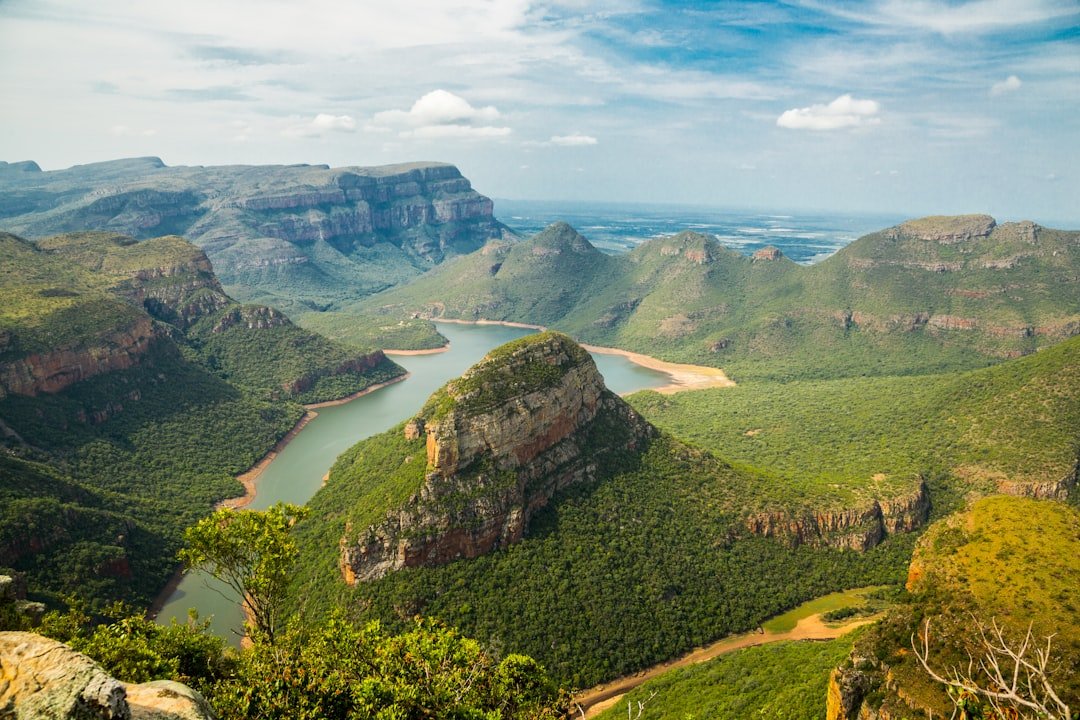
South Africa is a travel canvas of dramatic contrasts: savannahs teeming with megafauna, wind-bent coastlines with sweeping ocean views, and cities where diverse cultures converge. From the thunder of a lion’s roar in a private reserve to the quiet of a coastal trail along the Garden Route, the country rewards curiosity and a willingness to explore beyond the postcards. Practical infrastructure makes it an accessible destination for independent travelers and families, while guided safaris and community-led cultural tours provide deeper, responsible engagement. This guide focuses on where to go, what to experience, and how to plan a trip that balances wildlife viewing, scenic drives, and meaningful cultural encounters across South Africa’s nine provinces.
Must-See Attractions
South Africa’s signature attractions combine natural spectacle with well-developed visitor experiences.
-
Kruger National Park – One of Africa’s premier wildlife reserves, Kruger spans nearly two million hectares and offers classic Big Five encounters. Opt for private reserves adjacent to Kruger for early- and late-hour game drives and more intimate lodgings.
-
Table Mountain and Cape Town – The flat-topped silhouette of Table Mountain defines Cape Town. Hike or ride the cableway for panoramic city and Atlantic views, then explore the V&A Waterfront and the colorful houses of Bo-Kaap.
-
Garden Route – A coastal drive that stitches together forests, lagoons and beaches between Mossel Bay and Storms River. Highlights include Knysna’s waterfront and Plettenberg Bay’s beaches, with numerous opportunities for hiking, kayaking and whale watching.
-
Robben Island – A UNESCO World Heritage site off Cape Town where Nelson Mandela was imprisoned. Guided tours led by former inmates provide direct, powerful insight into South Africa’s apartheid history.
-
iSimangaliso Wetland Park – Located in KwaZulu‑Natal, this multi-ecosystem park includes estuaries, dune forests and coral reefs—excellent for birding, hippo- and crocodile-watching and snorkeling.
-
Drakensberg Mountains – For dramatic escarpments, ancient rock art and hiking, the Drakensberg offers both strenuous multi-day routes and accessible day hikes with spectacular vistas.
Local Experiences
To move beyond the highlights, seek encounters that reveal everyday South African life and flavor.
-
Food and dining – Sample braai (barbecue) culture, Cape Malay curries in Bo-Kaap, and hearty bobotie in family-run eateries. Cities like Johannesburg and Cape Town showcase modern, multicultural cuisine—book a township food tour for authentic local restaurants and stories.
-
Markets – Explore bustling markets such as the Neighbourgoods Market in Johannesburg and Cape Town’s Oranjezicht City Farm Market for artisanal foods, crafts and a lively local scene.
-
Viewpoints and coastal walks – Walk the Sea Point Promenade in Cape Town at sunset or hike sections of the Otter Trail along the Garden Route for cliff-top ocean views. Chapman’s Peak Drive is a scenic, photogenic route between Hout Bay and Noordhoek.
-
Neighborhoods – In Cape Town, wander the cultural tapestry of Bo-Kaap and Woodstock; in Johannesburg, visit Maboneng Precinct for galleries, street art and creative eateries.
-
Festivals – Time visits for events like the Cape Town International Jazz Festival or the National Arts Festival in Grahamstown (Makhanda) to experience South Africa’s vibrant performing arts.
-
Outdoor activities – Beyond safaris, try cage diving with great white sharks in Gansbaai, sandboarding in the Atlantis Dunes, or hot-air ballooning over the Magaliesberg for sunrise vistas.
Best Time to Visit
Because South Africa spans varied climates, the best time depends on your priorities: wildlife, beaches or festivals.
-
Wildlife viewing – Winter (May–September) is prime for game viewing in savannah reserves. Vegetation is thinner, animals concentrate around water sources, and daytime temperatures are mild, though nights can be cold.
-
Coastlines and beaches – Summer (November–March) offers warm beach weather along the Eastern and Southern coasts. The Western Cape has a Mediterranean climate; its best beach weather is late summer (February–March) after the strong summer winds subside.
-
Birding and wetlands – Spring (September–November) brings migrant birds and blooming landscapes—excellent for birdwatchers and photographers.
-
Crowds – Peak tourist season runs December–January; expect higher prices and busier attractions. Shoulder seasons (September–November, February–April) balance pleasant weather and fewer crowds.
Essential Travel Tips
Practical considerations will make your trip smoother and safer.
-
Transportation – Renting a car is the most flexible way to explore the Garden Route and national parks; roads are generally good. In major cities, use licensed taxis or app-based ride services. Domestic flights connect long distances quickly.
-
Money – The currency is the South African rand (ZAR). Credit cards are widely accepted, but carry cash for markets and remote areas. ATMs are common in cities; inform your bank of travel dates to avoid freezes.
-
Safety – Exercise the same urban precautions you would in any large city: avoid displaying valuables, be cautious at night, and seek local advice about neighborhoods to avoid. On safari, always follow guide instructions—approaching wildlife on foot is dangerous and prohibited in reserves.
-
Packing – Layered clothing suits changing climates; include lightweight breathable fabrics for daytime and warmer layers for cool evenings. For safaris, neutral-colored clothing, sun protection, a wide-brim hat, binoculars and a reusable water bottle are essential.
-
Health – Check routine vaccinations. Malaria is present in parts of northern KwaZulu‑Natal and Limpopo; consult a travel clinic about prophylaxis if you plan to visit those areas.
-
Local etiquette – South Africa is multicultural—greet people courteously and respect local customs. Ask before photographing people, especially in townships or rural communities. Tipping (10–15% in restaurants, small amounts for guides and drivers) is customary.
Frequently Asked Questions
Do I need a visa to visit South Africa?
Visa requirements vary by nationality. Many countries have visa-free entry for short tourist stays, but others must apply in advance. Check the South African Department of Home Affairs website or your local embassy for up-to-date rules and required documents.
Is South Africa safe for solo travelers?
Solo travelers can have rewarding, safe trips by taking sensible precautions: avoid walking alone at night in unfamiliar urban areas, use reputable transport, keep copies of important documents, and let someone know your itinerary. Guided tours add an extra layer of safety when visiting remote or wildlife areas.
What currency is best to bring?
Bring some South African rand for immediate expenses. Major credit cards are accepted in cities and tourist venues. You can withdraw cash from ATMs, but inform your bank about travel and be aware of withdrawal fees.
Can I combine safari and beach in one trip?
Yes. South Africa’s size and transport options make it feasible to combine a safari (e.g., Kruger or private reserves) with coastal destinations like the Garden Route, Durban or Cape Town within a single itinerary, especially if you use domestic flights to bridge longer distances.
What wildlife will I see besides the Big Five?
South Africa hosts diverse fauna: hippos and crocodiles in rivers, large herds of antelope, cheetahs, wild dogs in some reserves, rich birdlife including flamingos and raptors, and marine life such as whales, dolphins and seals along the coasts—season and location influence sightings.
Conclusion
South Africa rewards travelers who balance iconic wildlife encounters with cultural curiosity and time outdoors. Whether you’re tracking elephants at dawn, sampling Cape Malay flavors in a bustling market, or driving a windswept coastal pass, the country’s variety is its greatest strength. Thoughtful planning—choosing the right season, packing appropriately and respecting local norms—will deepen your experience. With its accessible infrastructure and wide range of experiences, South Africa can be tailored to adventurous safaris, relaxed beach holidays, or culturally immersive city breaks, making it a compelling destination for many types of travelers.
Inspired? Start planning your trip.
Move from inspiration to planning with BookingTabs — explore hotels, tours and travel options in one place.
Join the conversation
Ask a question, share a travel tip, or help another traveler plan with confidence.
Leave a comment
No account or email required.