
Nova Scotia Coastal Guide: Villages, Seafood & Atlantic Views
Nova Scotia unfolds as a province defined by water: jagged granite shores, tidal bays that reveal vast sandflats, and a thread of fishing villages where lobster traps line wharves like punctuation. This guide focuses on the coastal heart of the province—from the lighthouse at Peggy’s Cove to the cliffs and kitchens of Cape Breton. Expect salty air, rich Acadian and Mi’kmaq heritage, and some of Canada’s freshest seafood. Whether you’re aiming to drive the scenic Cabot Trail, taste scallops in Digby, wander through painted streets in Lunenburg, or time your visit to dramatic tides in the Bay of Fundy, practical planning and a sense of curiosity will reward you. Read on for essential attractions, authentic experiences, seasonal advice, and travel tips to make the most of Nova Scotia’s Atlantic edge.
Must-See Attractions
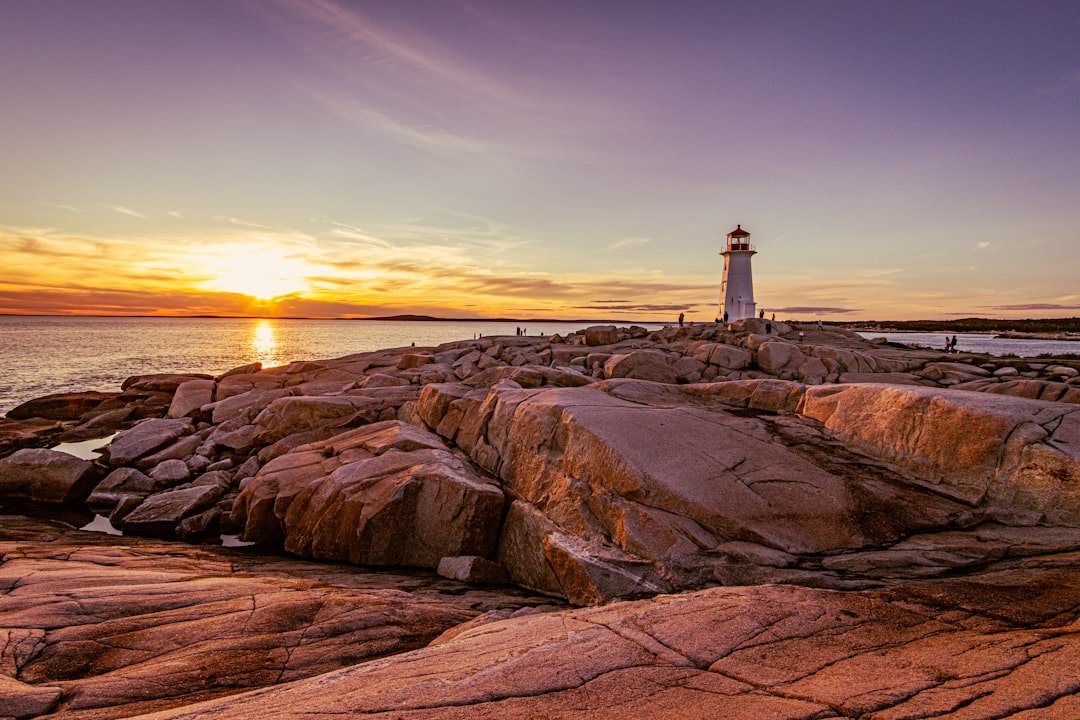
Peggy’s Cove: The iconic granite outcrop with its red-and-white lighthouse is classic Nova Scotia. It’s most compelling at sunrise or in clear light when waves crash against exposed rock—watch your step and respect no-access zones.
Halifax Waterfront and Citadel Hill: The waterfront boardwalk hosts shops, the Maritime Museum of the Atlantic, and seasonal events. Citadel Hill offers living-history demonstrations and sweeping views of the harbor from the star-shaped fortress.
Cabot Trail and Cape Breton Highlands National Park: This coastal drive is famed for ocean vistas, highland plateaus, and hiking trails such as the Skyline Trail where whales are sometimes visible offshore.
Lunenburg and Old Town: A UNESCO World Heritage Site, Lunenburg’s painted row houses and preserved shipbuilding history are best explored on foot; visit the Fisheries Museum of the Atlantic for context.
Bay of Fundy (Annapolis Basin & Fundy shores): Known for the highest tides on Earth. Head to Burntcoat Head for dramatic tidal changes, or Grand-Pré for its poignant Acadian history and scenic dykelands.
Fortress of Louisbourg National Historic Site: A reconstructed 18th-century French fortress on Cape Breton Island where interpreters recreate daily life in colonial New France.
Kejimkujik National Park and Peninsula: Inland and coastal sections offer Mi’kmaq heritage sites, dark-sky viewing, river canoeing, and coastal beaches popular for birdwatching and quiet walks.
Digby and Scallop Country: Digby is synonymous with sea scallops—try them fresh at local wharves or seafood restaurants during boating season.
Local Experiences
Seafood and maritime dining: Nova Scotia’s menu centers on lobster, scallops, mussels, and Atlantic salmon. Look for small family-run fish markets and supper houses where you can pick scallops straight from the cooler. Try a waterfront lobster boil or a plate of Digby scallops pan-seared with butter and parsley.
Farmers’ markets and local producers: Halifax Seaport Farmers’ Market and smaller markets in towns like Wolfville and Mahone Bay showcase local cheese, baked goods, preserves, and seafood. Sampling preserves and wild blueberry products in the Annapolis Valley is a must.
Harbor walks and viewpoints: Walkable harbors in Lunenburg, Mahone Bay, and Chester offer classic coastal architecture and vantage points for harbor activity. For panoramic views, visit Cape Split and Cape Breton lookouts along the Cabot Trail.
Neighbourhoods and small towns: Stroll Halifax’s North End for cafés, murals, and craft breweries. In Mahone Bay and Lunenburg, explore independent galleries, boatbuilding shops, and antique stores. Shelburne and Lockeport provide quieter, historic harbor scenes.
Festivals and cultural events: Time your visit for regional highlights—Halifax Jazz Festival, Lunenburg Folk Harbour Festival, and Celtic Colours International Festival on Cape Breton draw music lovers. Acadian Day celebrations in Clare and Argyle celebrate francophone culture, food, and traditions.
Outdoor activities: Kayaking in tidal estuaries, whale-watching tours from Digby or Cape Breton, coastal hikes, and cycling sections of the Cabot Trail are prime choices. For winter travelers, coastal drives and cozy seafood feasts replace summer sea activities.
Best Time to Visit
Seasons and weather: Nova Scotia has four distinct seasons. Summers (June–August) are warm and the busiest period, with average daytime highs in the 60s–70s°F (15–25°C). Spring (April–May) is cool and can be windy; many businesses reopen in May. Autumn (September–October) brings crisp air, fall foliage, and seafood seasons. Winters (December–March) are cold with snow—coastal areas are moderated by the Atlantic but can still be blustery.
Crowds and timing: Peak tourist months are July and August, especially along the Cabot Trail and in Halifax. For fewer crowds and excellent seafood—particularly scallop and lobster seasons—consider visiting in September and October. Shoulder months (late May and June) offer milder crowds and longer daylight without peak prices.
Best months: June–September for warm-weather coastal activities; September–October for fall color, cooler temperatures, and vibrant seafood harvests; May for reopening of seasonal attractions with fewer visitors.
Essential Travel Tips
Transportation: Renting a car is the most flexible way to explore coastal Nova Scotia—public transit is limited between towns. Allow extra time for scenic drives; GPS is helpful but carry a paper map in areas with spotty reception. Ferry options connect Nova Scotia to Cape Breton (Canso) and to Prince Edward Island via the Confederation Bridge from New Brunswick.
Money and costs: Small towns may have limited ATM access—carry some cash for markets and small purchases, though most businesses accept cards. Tipping in restaurants typically ranges from 15–20%.
Safety and sea precautions: Respect tides and posted warnings—areas like Peggy’s Cove and the Bay of Fundy have strong currents and slippery rocks. Dress in layers against wind and fog near the coast. If you plan boating or kayaking, follow local safety briefings and wear lifejackets.
Packing: Pack waterproof outer layers, sturdy footwear for rocky shorelines and trails, and a warm sweater even in summer evenings. Bring binoculars for birding and whale watching, and insect repellent for warmer months.
Local etiquette and culture: Nova Scotians are generally friendly and conversational—polite greetings and patience in small towns go a long way. Learn a few words about Mi’kmaq and Acadian history before visiting cultural sites to show respect. When sampling seafood at small operations, ask about sustainable sourcing and seasonal recommendations.
Frequently Asked Questions
When is the best time to see whales in Nova Scotia?
Whale-watching season typically runs from late spring through early fall, with peak months June to September. Tours depart from places like Digby, Houlton, and Cape Breton where deep channels bring whales closer to shore.
Are tides in the Bay of Fundy dangerous?
The Bay of Fundy has the highest tidal ranges in the world and strong currents. It’s safe if you follow marked trails and local guidance—never walk onto exposed mudflats without a guided tour, and observe tide charts when planning shore visits.
Can I drive the Cabot Trail in one day?
You can drive the loop in one long day (about 3–5 hours driving time without stops), but it’s best enjoyed over at least two days to hike, take lookouts, and attend cultural sites along the way.
Is Nova Scotia expensive to travel in?
Costs are moderate compared with bigger Canadian cities. Accommodation and dining prices rise during July and August. You can save by staying in inns or guesthouses, eating at markets and seafood shacks, and traveling in shoulder seasons.
Do I need reservations for lobster dinners or tours?
During summer and festival weekends, book popular lobster suppers, whale-watching excursions, and guided tours in advance. In shoulder seasons, same-day bookings are more feasible but reservations still recommended for weekends.
Conclusion
Nova Scotia’s coastline combines dramatic Atlantic landscapes with warm, salt-scented hospitality. From UNESCO-listed Lunenburg and rocky Peggy’s Cove to the rugged beauty of Cape Breton and the tidal spectacle of the Bay of Fundy, the province rewards slow travel: take time to sample regional seafood, walk harbourfronts, and listen to local stories. Practical planning—respecting tides, booking key experiences in peak season, and having a car for coastal access—will make your visit smoother. Whether you’re chasing lighthouses, culinary moments, or long coastal hikes, Nova Scotia presents a complete Atlantic experience that balances nature, history, and community.
Inspired? Start planning your trip.
Move from inspiration to planning with BookingTabs — explore hotels, tours and travel options in one place.



Join the conversation
Ask a question, share a travel tip, or help another traveler plan with confidence.
Leave a comment
No account or email required.