
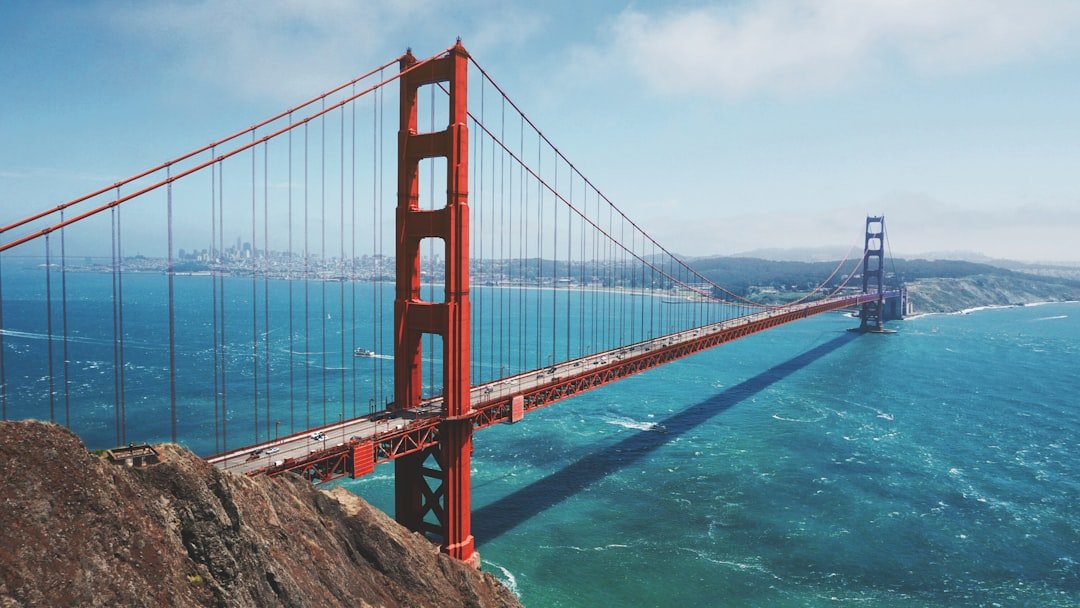
Coastal Gems of California: Scenic Towns, Beaches & Drives Along the Central Coast
The Central Coast of California stretches like a curved ribbon of highway, sea cliffs and small-town charm between Monterey Bay and the edges of Ventura County. Here, dramatic ocean vistas punctuate forests of windswept pines, historic missions anchor Spanish-era towns, and legendary stretches of Highway 1 carve into the coastline. Whether you’re seeking the fog-dusted beauty of Big Sur, whale watching from Morro Bay, seaside art galleries in Carmel-by-the-Sea, or a leisurely tasting tour in Paso Robles, the region offers varied landscapes and sincere local culture without the bustle of major cities. This article maps the must-see sights, authentic experiences, seasonal considerations and practical tips to help you plan a memorable trip along California’s Central Coast.
Must-See Attractions
The Central Coast packs a lot into a relatively short drive. Begin with Big Sur, where Highway 1 unfurls past sheer cliffs and iconic viewpoints. Stop at Bixby Creek Bridge for one of the most photographed spans along the Pacific, and visit Julia Pfeiffer Burns State Park to see McWay Falls—an 80-foot cascade dropping onto a sandy cove.
Monterey and Carmel-by-the-Sea are indispensable. In Monterey, Cannery Row and the Monterey Bay Aquarium bring marine life close to shore, while the 17-Mile Drive through Pebble Beach offers manicured coastal scenery and famous golf overlooks. Carmel’s fairy-tale cottages, art galleries and pristine white-sand beach invite a slower pace.
Heading south, San Simeon and Cambria offer contrasting coastal pleasures: Hearst Castle’s opulent terraces and art collections overlook rolling hills, while Cambria’s Moonstone Beach provides tidepool exploration and a quieter seaside village atmosphere. Further along, Morro Bay is anchored by its volcanic Morro Rock—a great base for kayaking and birding—and Pismo Beach boasts long boardwalks, dune buggy access at the Oceano Dunes, and classic pier surfing culture.
Inland, Paso Robles and San Luis Obispo deserve stops for their distinct Central Coast flavor. Paso Robles’ wineries focus on Rhône and Zinfandel varietals, while downtown San Luis Obispo mixes a lively farmer’s market scene with Spanish mission history and quirky attractions like Bubblegum Alley.
Local Experiences
Food: The Central Coast draws from abundant seafood and agricultural richness. Sample fresh abalone or Dungeness crab in Monterey and Morro Bay, order cioppino in small coastal restaurants, and try farm-to-table cafés in San Luis Obispo. Shellfish shacks and fish markets along the coast let you taste the sea simply prepared.
Markets: The Thursday night farmers’ market in downtown San Luis Obispo is a standout, offering local produce, artisanal foods and live music. Cambria and Paso Robles host weekend markets where you can meet vintners and producers directly.
Viewpoints and Beaches: Drive the Pacific Coast Highway at slower speeds to take advantage of pullouts and vista points. Pfeiffer Beach in Big Sur is famed for its purple sand and photogenic Keyhole Rock at sunset; Moonstone Beach in Cambria offers easy boardwalk access and tidepooling. For sunset photography, Morro Rock and the cliffs at Ragged Point provide dramatic silhouettes against the Pacific.
Neighborhoods and Towns: Wander Carmel’s art-laden streets and small-scale boutiques, stroll the historic district of Monterey, and explore the mission and downtown plaza of San Luis Obispo for a sense of local life. Pismo Beach’s downtown maintains a classic coastal boardwalk vibe, with surf shops and casual seafood spots.
Festivals and Events: Time your visit to include local festivals—SLO’s Farmers’ Market and Sunset Silo Fest, Paso Robles harvest events and wine weekends, and the Pismo Beach Clam Festival (usually spring) are regionally popular. Whale-watching season (December through April for gray whales) brings guided boat tours from Monterey and Morro Bay.
Outdoor Activities: Beyond scenic drives, the region offers world-class hiking in Garrapata State Park and Andrew Molera in Big Sur, tidepooling at low tide along rocky shores, cycling along flat coastal stretches and more challenging hill climbs near Carmel Valley. Kayaking in Morro Bay and paddleboarding in calmer coves provide up-close wildlife viewing.
Best Time to Visit
The Central Coast is a year-round destination, but weather, crowds and activities vary by season. Spring (March–May) delivers wildflowers, moderate temperatures and fewer tourists—ideal for hiking and wine-tasting. Summer (June–August) brings warmer inland days but frequent coastal fog and increased crowds, especially around popular spots like Carmel, Monterey and Big Sur; book lodging well in advance.
Fall (September–November) is arguably the best window: warmer, clearer skies, smaller crowds after Labor Day, and harvest-season energy in Paso Robles. This is prime time for winery visits and outdoor dining. Winter (December–February) is cooler and rainier but offers dramatic storm-watching along the shore and excellent whale-watching opportunities; some remote roads or trails can be muddy or closed after heavy storms.
Key months by interest: whale watching (December–April), wildflowers (March–May), best weather for coastal clarity (September–October), winery events (late summer–fall). If your itinerary centers on Big Sur scenic driving, avoid holiday weekends and plan for possible single-lane delays from road maintenance.
Essential Travel Tips
- Transportation: Renting a car is the most flexible way to explore the Central Coast. Highway 1 offers spectacular views but is narrow and winding in places—drive carefully, allow extra time, and check Caltrans for road closures, especially in Big Sur where landslides or maintenance can interrupt the route.
- Parking: Parking in popular towns and state parks fills early. Arrive early at trailheads and viewpoints, or use public lots in Monterey and Carmel. Many downtowns have timed parking—carry change or use local parking apps.
- Money: Credit cards are broadly accepted; however, small markets, food stands and some parking meters may be cash-only. Tip service workers 15–20% for good service, and be mindful that wine-tasting rooms often charge tasting fees that can be waived with purchases.
- Safety: Ocean currents are strong—obey signage and avoid swimming at beaches with red flags or strong surf advisories. When hiking, bring water, layers and a map or a fully charged phone. Drive cautiously at dawn and dusk to avoid deer on rural roads.
- Packing: Pack layers—coastal mornings are cool and foggy, while inland afternoons can be warm. Bring a windbreaker, sturdy walking shoes for trails and tidepooling, sun protection, and binoculars for whale and bird watching.
- Local Etiquette: Respect private property and shoreline regulations; many coastal bluffs are fragile. Leave no trace at beaches and trails. When visiting wine regions, make reservations for tastings during peak weekends and be prepared to designate a driver.
Frequently Asked Questions
How long should I spend on a Central Coast road trip?
Three to seven days works well: three days covers highlights between Monterey and San Luis Obispo; five to seven days lets you add Big Sur, Paso Robles wine country and the southern beaches near Pismo and Morro Bay without rushing.
Is Highway 1 open all the way through Big Sur?
Highway 1 is often open, but landslides and maintenance can cause temporary closures. Check current conditions with Caltrans or local visitor centers before you depart and have an alternate route plan.
Where is the best place for whale watching on the Central Coast?
Monterey Bay and Morro Bay are prime departure points for guided whale-watching tours. Monterey offers deep-water habitats for blue and humpback whales; gray whale migrations are visible from shore and sea from December through April.
Are the beaches suitable for swimming?
Some beaches—like parts of Carmel Beach—are swimmable on calm days, but many Central Coast shores have cold water, strong rip currents and rocky bottoms. Always heed posted warnings and ask locals about conditions before entering the water.
Can I combine wineries with coastal drives?
Yes. Paso Robles and the Santa Ynez Valley lie a short drive inland from the coast and are popular side trips. Plan tastings with designated drivers or book a guided wine tour to enjoy tastings responsibly.
Conclusion
The Central Coast of California rewards travelers who slow down and let the scenery unfold—curving highways, windswept bluffs, quiet coves and small towns with distinct personalities. From Big Sur’s dramatic cliffs to Monterey’s marine life, Cambria’s tidepools and Paso Robles’ sun-drenched vineyards, the region combines coastal spectacle with approachable local culture. With a bit of planning—checking road status, booking popular spots ahead and packing for changing coastal weather—you can build a trip that mixes iconic viewpoints with the quieter pleasures of farmers’ markets, seaside walks and off-the-beaten-path discoveries.
Inspired? Start planning your trip.
Move from inspiration to planning with BookingTabs — explore hotels, tours and travel options in one place.
Join the conversation
Ask a question, share a travel tip, or help another traveler plan with confidence.
Leave a comment
No account or email required.