
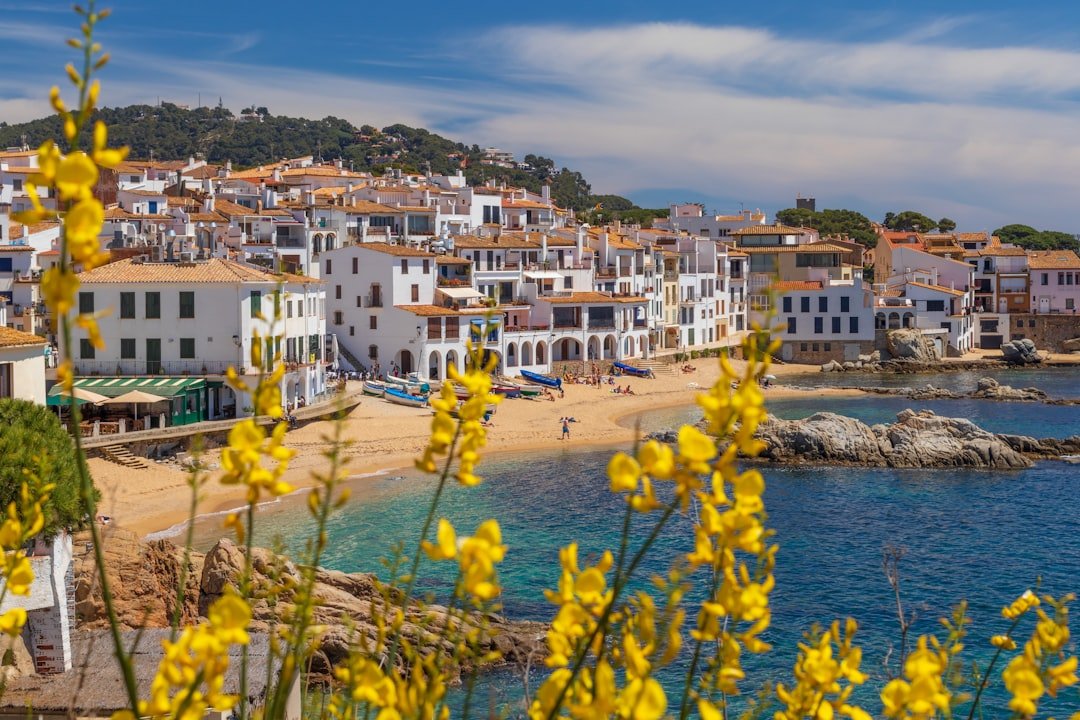
Seaside Spain: A Guide to the Country’s Most Charming Coastal Villages
Spain’s coastline is a tapestry of dramatic cliffs, whitewashed alleys and fishing harbors where time moves at a softer pace. Beyond the well-known beach resorts are a string of seaside villages that preserve regional character, local gastronomy and scenic viewpoints. From the windswept coves of Catalonia to the rugged cliffs of Asturias and the sun-drenched bluffs of Andalusia, each village tells a different chapter of maritime Spain. This guide highlights several of the country’s most beautiful coastal settlements, what to see and taste, and practical advice to make the most of your visit, whether you’re planning a slow-paced road trip or a series of day excursions from larger cities.
Must-See Attractions
These villages concentrate the coastal Spain experience in compact, walkable areas—historic quarters, natural landmarks and a few signature museums or sites that anchor each place.
- Cadaqués (Costa Brava): Stroll the whitewashed streets and visit the nearby Salvador Dalí House-Museum in Portlligat, where the surrealist artist lived and worked. Walk the coastal paths of Cap de Creus Natural Park for windswept views and secluded coves.
- Tossa de Mar (Costa Brava): Explore Vila Vella, the medieval walled old town perched above a small sandy bay. The castle towers and narrow lanes offer panoramic views and a tangible sense of coastal history.
- Nerja (Costa del Sol): View the Balcón de Europa, a dramatic promenade on a headland, then visit the nearby Cueva de Nerja, a complex cave system with prehistoric paintings and enormous chambers.
- Cudillero (Asturias): Admire the amphitheater of colorful houses clinging to the hillside above a sheltered fishing harbor. The harborfront and cliffside viewpoints are among northern Spain’s most photogenic scenes.
- Comillas (Cantabria): See Gaudí’s El Capricho, a unique Modernist villa, and the neo-Gothic Sobrellano Palace. The town’s architecture is an elegant counterpoint to the Cantabrian coastline’s natural drama.
- Getaria (Basque Country): Visit the Cristóbal Balenciaga Museum dedicated to the local fashion designer, then walk to the rocky cape for views and the timeless fishing port where grilled fish is a local specialty.
- Altea (Alicante): Wander the cobbled streets of the whitewashed old town crowned by the blue-domed church of Nuestra Señora del Consuelo, and enjoy the seaside promenade lined with palm trees and cafés.
Best Time to Visit
Choosing when to visit Spain’s seaside villages depends on your priorities: weather, crowds and specific activities.
- Late spring (May–June): Arguably the best window. Days are warm, wildflowers bloom along coastal paths, and the main summer crowds have not yet arrived.
- July–August: Warmest and busiest. Ideal if you want full beach days, sea-swimming and vibrant nightlife, but expect higher prices and crowded promenades in popular spots like Nerja and Tossa de Mar.
- September–October: A favorite for many travelers—sea temperatures remain pleasant, summer crowds thin out, and festivals continue in some towns. Weather is still reliably good along the Mediterranean.
- Winter months (November–March): Quieter and cooler, especially in the north. This is the time to experience village life without tourists; some seasonal businesses may be closed, but coastal scenery and regional cuisine remain appealing.
- Regional notes: Northern villages (Asturias, Cantabria, Basque Country) have more variable weather and receive more rain, so pick late spring to early autumn for the best hiking conditions. Mediterranean coasts are drier and sunnier for longer stretches.
Essential Travel Tips
Practical advice helps you move smoothly between villages and make the most of local customs.
- Transportation: Rent a car for the greatest flexibility—many villages are linked by scenic coastal roads where public transport is limited. Trains and regional buses serve major hubs; local buses connect smaller towns but can be infrequent, especially off-season.
- Money and Payments: Credit cards are widely accepted in restaurants and shops, but carry cash for small vendors, market stalls and remote areas. ATMs are common in larger towns but scarce in tiny villages.
- Safety: Coastal villages are generally safe; standard precautions apply—watch your belongings in busy tourist areas and avoid swimming alone in unfamiliar coves. Northern cliffs can be steep and slippery; use marked paths.
- Packing: Pack layered clothing—mornings and evenings can be cool even in summer on the north coast. Comfortable walking shoes are essential for cobbled streets and coastal trails. Bring sunscreen, a reusable water bottle, and a light waterproof jacket if visiting the Cantabrian or Atlantic coasts.
- Local Etiquette: Respect quiet hours in small villages—many places observe siesta-like lulls. Learn a few Spanish phrases; locals appreciate basic greetings. When visiting churches or religious festivals, dress modestly and behave respectfully.
- Reservations: During high season, reserve restaurants and boat trips in advance. If you plan to visit museums like the Dalí House in Portlligat or the Balenciaga Museum in Getaria, book timed tickets where available.
Frequently Asked Questions
Which seaside village is best for art and architecture?
Comillas stands out for Modernist architecture, including Gaudí’s El Capricho, while Cadaqués is inseparable from Salvador Dalí and his Portlligat house-museum.
Are these villages family-friendly?
Yes. Many have gentle beaches, promenades and calm waters suitable for families. Check individual beaches for facilities and lifeguards during summer months.
Can I visit several villages in one trip?
Absolutely. Coastal drives along the Costa Brava, the Cantabrian coast or Asturias link multiple villages within day-trip distance. Plan realistic driving times—coastal roads can be slower but very scenic.
What local food should I try in these villages?
Try grilled local fish, seafood stews (zarzuela), sardines and regional specialties: cider-accompanied seafood in Asturias, rice dishes on the Mediterranean coast, and txakoli with fish in the Basque Country.
Is English widely spoken?
In tourist-oriented villages many people in hospitality speak some English, but proficiency varies. Using basic Spanish phrases and courtesy goes a long way, especially in less touristed northern towns.
Conclusion
Spain’s seaside villages offer a quieter, more intimate way to experience the country’s coastline—each with its own rhythms, flavors and scenic highlights. Whether you’re tracing the rocky headlands of the Costa Brava, inhaling Atlantic air in Asturias, or sampling grilled fish in a Basque fishing port, these settlements reward slow travel. Plan seasonal timing according to weather and crowds, allow time to wander without a strict itinerary, and savor regional dishes and viewpoints that define each place. Small harbors and old-town alleys reveal a coastal Spain that remains wonderfully human-scaled and unforgettable.
Inspired? Start planning your trip.
Move from inspiration to planning with BookingTabs — explore hotels, tours and travel options in one place.





Join the conversation
Ask a question, share a travel tip, or help another traveler plan with confidence.
Leave a comment
No account or email required.