Coastal Charm: A Road-Trip Through Portugal’s Most Enchanting Seaside Villages
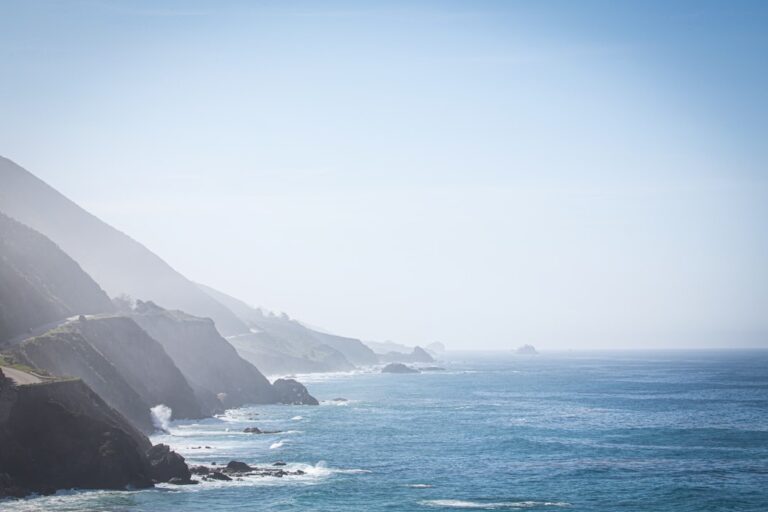
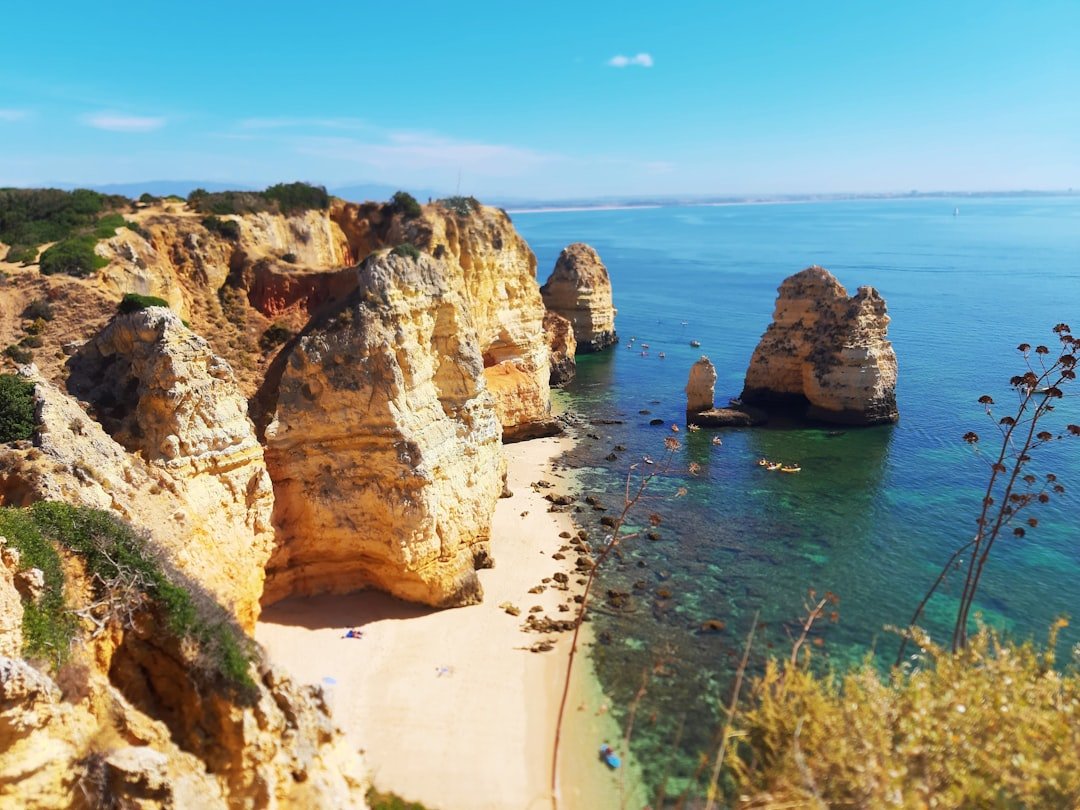
Portugal’s coastline folds together limestone cliffs, wide sandy beaches and centuries-old harbors into a string of villages that feel both timeless and immediately welcoming. This road-trip guide threads a coastal route linking some of the country’s most charming seaside settlements—places where locals still buy fish daily at market stalls, where surf culture shapes daily life, and where viewpoints reveal dramatic Atlantic light. Whether you have a long weekend or two weeks, the villages named here are compact, walkable and well suited to a slow, sensory itinerary built around food stalls, lookout points and short hikes. Expect a mix of surf towns, fishing harbors and tranquil river-mouth villages, each with distinct rhythms and practical options for drivers and independent travelers.
Must-See Attractions
Along Portugal’s coast, certain sights act as anchors for a seaside road trip. In Cascais, stroll the marina and visit the clifftop Boca do Inferno to watch waves surge into a wind-carved gorge. West of Lisbon, Ericeira is a compact fishing village and an official World Surfing Reserve—check out the cliff-top footpaths and beaches like Ribeira d’Ilhas. Peniche is the gateway to the Berlenga Islands; boat trips and the São João Baptista fortress on the main island offer seabird colonies and clear water for snorkeling.
Further north, Nazaré is famous for its seasonal giant waves at Praia do Norte; even if you don’t surf, the viewpoint at Sitio provides a dramatic panorama of the coast and town. On the Alentejo and Algarve coasts, Sagres and Cape St. Vincent offer stark cliffs and centuries of maritime history around the fortress and lighthouse. Tavira, on the eastern Algarve, pairs an old town with access to Ilha de Tavira’s long beaches across the Ria Formosa. In the Costa Vicentina Natural Park, villages like Odeceixe and Zambujeira do Mar sit next to preserved coastline with trails that reward hikers with shuttering sea views.
Best Time to Visit
Seasons: Late spring (May–June) and early autumn (September–October) are the sweet spots for a coastal road trip. Days are warm, water has had time to heat up, and the main summer crowds have not yet peaked or have begun to thin.
Weather: Summer (July–August) brings reliably warm weather and the busiest tourist season—expect crowded beaches, higher prices and festival activity. Winter months are quieter and windier, which suits surfers and those seeking lower prices, but some small businesses in remote villages reduce hours or close.
Crowds and best months: For a balance of good weather and manageable crowds, plan for May, June or September. If surfing massive Nazaré waves is the goal, late autumn and winter produce the biggest swells, but conditions can be dangerous and are best observed from a distance unless you’re an experienced big-wave professional.
Essential Travel Tips
Transportation: Renting a car is the most flexible way to link villages along the coast; roads are generally good and signposted. Drive with care on narrow coastal stretches and be ready for one-lane lanes in small towns. Train service connects Lisbon with Cascais, Sintra and parts of the western coast; regional buses reach smaller villages but may require careful planning.
Money and costs: Credit cards are widely accepted in tourist centers, but small cafés, market stalls and rural shops often prefer cash. ATMs are common in larger towns; carry some euros for day-to-day purchases in villages.
Safety: Portuguese coastal villages are safe for solo travelers and families. Swim where lifeguards are on duty and heed local flags about conditions—undertows can be strong on Atlantic beaches. Keep belongings secure on busy beaches.
Packing: Pack layers—the coast can be breezy even in summer. Bring reef shoes for rocky beaches, a light waterproof jacket for sudden showers, and sun protection for long days outdoors. If you plan to surf, reserve lessons in advance during busy months.
Local etiquette: Portuguese people are warm and polite; learning a few phrases (obrigado/obrigada, por favor, bom dia) goes a long way. Respect fishing operations and private property along the coast, and follow local rules for protected natural areas such as the Costa Vicentina and Ria Formosa reserves.
Frequently Asked Questions
How many days do I need for a coastal road trip in Portugal?
A focused route linking key villages can be done in 5–7 days for a taste of the diversity; a more relaxed two-week itinerary allows time for surfing lessons, island trips (Berlengas, Tavira Island) and several hikes.
Is it safe to swim on Portugal’s Atlantic beaches?
Yes, many beaches are safe, especially where lifeguards patrol in summer. Always check flag warnings and local advice—some beaches have strong currents or sudden drop-offs.
Can I visit these villages without a car?
You can reach several villages by train and bus—Cascais and parts of the Algarve have good public transport—but a car gives access to smaller, remote spots and flexible timing for viewpoints and beaches.
Are these coastal villages family-friendly?
Most are family-friendly with calm beaches, promenades and relaxed dining. Some fishing towns have rocky shores better suited to older children; check beach profiles and facilities when planning with young kids.
Where should I go for the best surf and beginner lessons?
Ericeira and Peniche are top choices for a range of surf breaks and numerous surf schools that cater to beginners and intermediates. Many schools provide equipment and transport to appropriate beaches based on conditions.
Conclusion
A coastal road trip through Portugal’s seaside villages blends dramatic Atlantic scenery with small-town rhythms: early-morning fish markets, cliff-top sunsets, and surf-scrubbed streets framed by whitewashed houses. From the surf culture of Ericeira and Peniche to the raw cliffs of the Costa Vicentina, each stop offers distinct foodways, outdoor experiences and viewpoints that reward exploration on a relaxed timetable. Whether you’re chasing waves, seeking quiet beaches or sampling regional seafood, this route encourages slow travel: arrive, linger, and let the coast set the pace.