
Coastal Gems of Croatia: Seaside Towns That Define Adriatic Culture
Croatia’s coastline threads more than 1,700 islands and a string of towns where stone streets, fortified walls and sunlit harbors shape everyday life. Beyond postcard panoramas, the Adriatic coast is a living cultural landscape: Byzantine and Venetian layers meet modern café life, centuries-old fishing traditions sit alongside boutique wineries, and seaside festivals animate narrow lanes each summer. This article guides you along the Dalmatian and Istrian coasts, highlighting towns worth stepping off the ferry for — from major centers with UNESCO sites to lesser-known harbors with intimate konobas and diving opportunities. Practical details and local experiences are paired with a concise list of must-see sights so you can plan an itinerary that balances iconic landmarks with authentic seaside routines.
Must-See Attractions
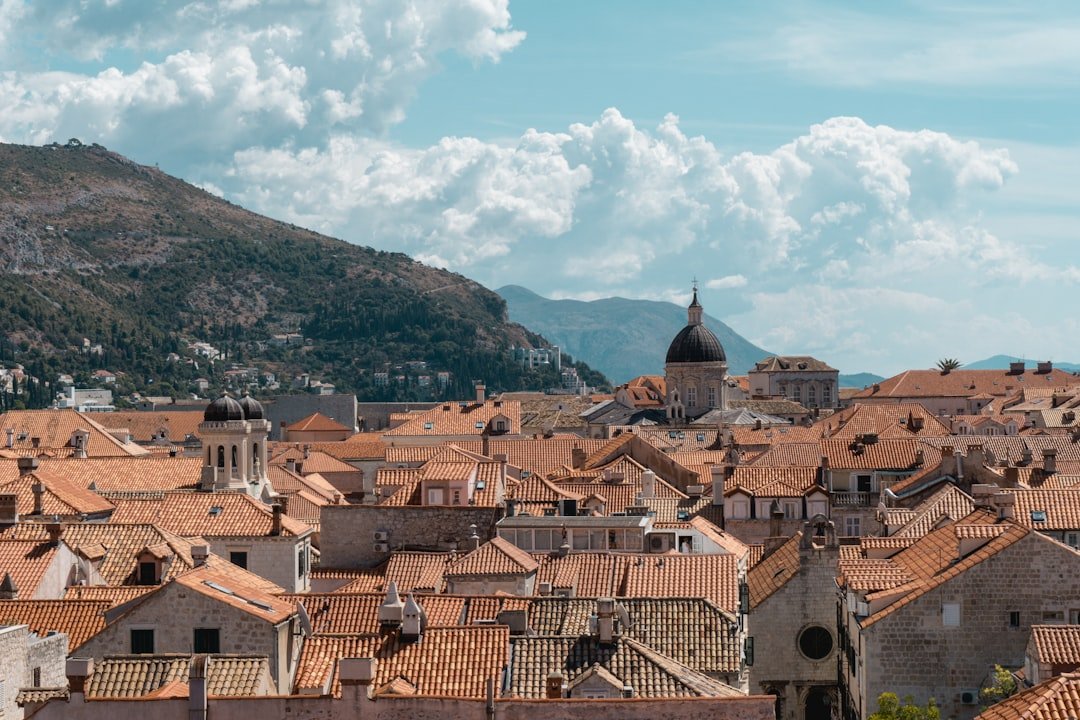
Dubrovnik: Walk the full length of the medieval city walls for unbeatable views of the Adriatic and red-tiled roofs. Inside the Old Town, see the Stradun (main street), Rector’s Palace and Sponza Palace. Nearby, Lokrum Island offers quiet bays and botanical gardens.
Split: Diocletian’s Palace is the living heart of the city — explore cellars, Peristyle and the Cathedral of Saint Domnius, then relax along the Riva waterfront.
Zadar: Experience the modern Sea Organ and the Greeting to the Sun installations on the waterfront; visit the Roman forum and St. Donatus Church for early medieval architecture.
Šibenik: The Cathedral of St. James, a UNESCO site carved entirely from stone, is the highlight. Šibenik is also a gateway to Krka National Park with its waterfalls and riverside trails.
Rovinj: The pastel-hued Old Town clings to a peninsula crowned by the Church of St. Euphemia; cobbled alleys and artists’ studios make it irresistibly photogenic.
Pula: The Roman Arena (amphitheater) is one of Europe’s best-preserved and still hosts concerts and events. Nearby archaeological sites reflect Istria’s Roman past.
Hvar Town: A vibrant harbor framed by Venetian walls, Hvar’s 16th-century cathedral and the bustling main square are starting points for the Pakleni Islands and lavender fields inland.
Korčula: The island’s medieval core is often called a ‘mini-Dubrovnik’ — visit the purported Marco Polo house and stroll the narrow, chessboard-like streets.
Trogir: A compact UNESCO-listed town between Split and the airport, Trogir’s Kamerlengo Fortress, Cathedral of St. Lawrence and beautifully preserved Romanesque-Gothic streets are easily explored on foot.
Omiš: Where the Cetina River meets the sea, Omiš offers a dramatic canyon backdrop, historic Fortica fortress and adventurous activities like ziplining and rafting nearby.
Best Time to Visit
Spring (April–June): One of the best times to visit. Temperatures warm (60s–70s°F / 15–25°C), wildflowers and lavender bloom on islands like Hvar, and crowds are lighter than midsummer. Ferry schedules are robust and many attractions are fully open.
Summer (July–August): Peak season with hot weather (mid-70s–80s°F / 25–30°C and higher), crowded beaches and busy ferry routes. This is festival season and ideal for long beach days, but expect higher prices and packed Old Towns.
Autumn (September–October): Early autumn often offers warm sea temperatures and thinner crowds, making September especially pleasant for swimming and sightseeing. October sees cooler weather and some tourism services begin to scale back.
Winter (November–March): Mild winters on the coast mean off-season travel is possible if you prefer quiet towns and lower prices. Some island services, smaller restaurants and hotels close for the season, and ferry frequency is reduced.
Essential Travel Tips
Transportation: Ferries and catamarans (operators like Jadrolinija and private lines) connect mainland ports and islands; book high-season crossings in advance. Buses link coastal towns reliably. Renting a car gives flexibility for Istrian roads and remote coves but expect limited parking in old towns and steep, narrow streets.
Money and payments: Croatia uses the euro (EUR). Credit cards are widely accepted in tourist areas, but carry cash for markets, small konobas and island kiosks. ATMs are common, but withdraw cash before heading to smaller islands.
Safety and health: The Dalmatian and Istrian coasts are generally very safe. Take usual precautions against pickpocketing in crowded historic centers. The Adriatic’s waters are clear and safe for swimming; use reef shoes where seabeds are rocky. Stay hydrated and use sun protection.
Packing: Comfortable walking shoes for cobbles and hill climbs, a lightweight jacket for cooler evenings, swimwear and reef shoes for rocky beaches. If you plan boat trips, bring a small dry bag for valuables and a good sunhat.
Local etiquette: A few Croatian phrases go a long way — ‘hvala’ (thank you), ‘dobar dan’ (good day). Respect church rules: modest dress when visiting cathedrals. Tipping of around 10% is customary in restaurants if service is not included.
Connectivity and services: Wi‑Fi is common in hotels and cafés. Pharmacies (ljekarna) operate in larger towns; note opening hours and look for 24-hour signs for urgent needs. Electrical outlets are standard European 230V with type C or F plugs.
Frequently Asked Questions
1. Which Croatian seaside town is best for a first-time visitor?
Split is an excellent introduction: its mix of Diocletian’s Palace, lively Riva promenade, beaches and transport links to islands makes it practical and atmospheric for newcomers.
2. How do I travel between islands and coastal towns?
Use a combination of mainstream ferry operators (Jadrolinija) and faster catamarans. During summer, private boat transfers and day trips are plentiful. Check schedules in advance and arrive early for peak departures.
3. Are beaches sandy or rocky?
The Adriatic coast has a mix: Istria and some small coves have sandy or pebble beaches, while many Dalmatian beaches are rocky or pebbled. Bring reef shoes for comfort and protection.
4. Is it easy to eat local traditional food as a vegetarian?
Yes—markets, vegetable dishes (like blitva, pašticada sides, and grilled vegetables), and many restaurants offer vegetarian options. Ask for recommendations at konobas for seasonal vegetable plates and cheese selections.
5. Do I need to know Croatian to get around?
English is widely spoken in tourist areas, especially by younger locals and hospitality staff. Learning a few Croatian words is appreciated and helpful in more remote villages.
Conclusion
Croatia’s seaside towns offer a concentrated lesson in Mediterranean culture: layered history, maritime traditions and a cuisine shaped by sea and sun. Whether you linger under Dubrovnik’s ramparts, roam the living rooms of Diocletian’s Palace, listen to Zadar’s sea organ or sip wine in a quiet Istrian square, each town reveals a different pace and palette of the Adriatic. Plan time for both the headline sights and the small, everyday experiences — markets, konobas, island hops and short coastal hikes — and you’ll leave with a sense of why Croatia’s coast remains one of Europe’s most magnetic and accessible maritime regions.
Inspired? Start planning your trip.
Move from inspiration to planning with BookingTabs — explore hotels, tours and travel options in one place.

Join the conversation
Ask a question, share a travel tip, or help another traveler plan with confidence.
Leave a comment
No account or email required.