
Chile from Atacama to Patagonia: The Definitive Travel Handbook
Stretching from the driest desert on Earth to wind-scoured southern ice fields, Chile is a country of dramatic contrasts. This handbook guides travelers through the essential regions—northern Atacama, central valleys and coast, the lake-sprinkled south, and the rugged Chilean Patagonia—while offering practical advice for getting around, what to see and eat, and when to visit. Whether you’re an active trekker aiming for granite towers, a stargazer heading to high-altitude observatories, or a culture-seeker curious about Rapa Nui and Chilote traditions, Chile rewards slow exploration. Read on for curated highlights, authentic local experiences, seasonal considerations, and pragmatic tips to make the most of a trip that can range from a long weekend in Santiago to a month-long southbound odyssey.
Must-See Attractions
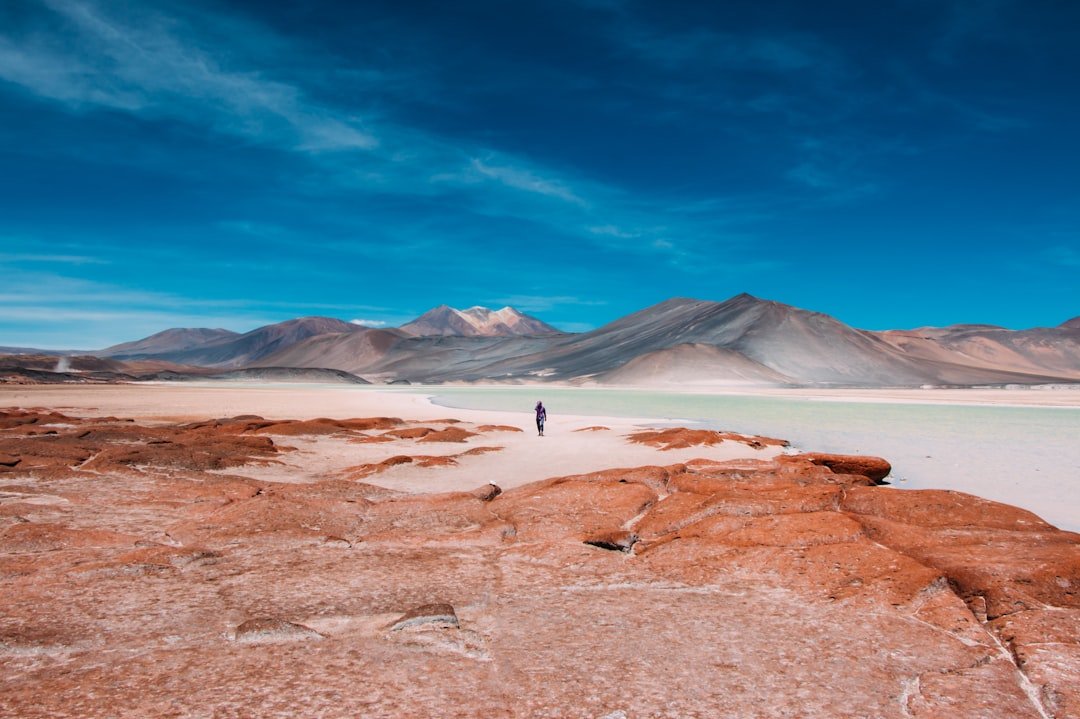
Chile’s top sights stretch the length of the country and require different travel rhythms. In the north, San Pedro de Atacama is the gateway to Valle de la Luna—otherworldly salt flats, colored rock formations, and twilight skies ideal for sunset viewing. Nearby El Tatio geyser fields reward early risers with steaming fumaroles at sunrise, and the high-altitude salt flats, such as Salar de Atacama and Laguna Chaxa, host flamingos and stark panoramas.
Central Chile centers on Santiago and the coast. In the capital, Cerro San Cristóbal and Cerro Santa Lucía offer city views; nearby vineyards in the Maipo and Casablanca valleys provide accessible day trips for wine tastings. Valparaíso’s colorful hills, street art, and funiculars make for a photogenic, bohemian coastal stop.
Further south, the Lake District (around Puerto Varas and Pucón) blends snow-capped volcanoes, clear lakes, and Mapuche cultural influences—ideal for hiking, kayaking, and thermal springs. Chiloé Island is notable for its stilted wooden churches (some UNESCO-listed), unique architecture, and seafood-forward cuisine.
Patagonia is Chile’s crown jewel. Puerto Natales is the staging point for Torres del Paine National Park, famed for its granite towers, turquoise lakes, and glaciers like Grey Glacier. The Carretera Austral, a scenic highway through verdant fjords and temperate rainforests, connects small towns, offering remote trekking and glacier access. At the extreme south, Punta Arenas and the Magallanes region provide whale watching, penguin colonies on Magdalena Island, and access to wild, windswept landscapes.
Finally, Rapa Nui (Easter Island) sits in the Pacific and showcases massive moai statues, ancient ceremonial sites, and a distinct Polynesian culture—an essential addition if your itinerary includes Chile’s overseas territories.
Best Time to Visit
Chile’s long north–south axis means the best time depends on your regions of interest. Summer (December–February) brings warm, long days across most of the country and is peak season for Patagonia and the Lake District—expect higher prices and more crowds in Torres del Paine and coastal resorts. Winter (June–August) suits Atacama for stable skies and observatory visits, and central Chile for skiing in the Andes near Santiago; southern roads can be windy and wetter.
Shoulder seasons (September–November and March–May) are often ideal: spring flowers in the Lake District and milder weather in Patagonia with fewer visitors. Autumn offers crisp air, dramatic foliage in southern forests, and good trekking conditions before heavy rains begin.
For Rapa Nui, year-round travel is possible, but January–March is warmer and busier due to festivals and holidays. If stargazing in Atacama is a priority, plan around new-moon nights and avoid the rare cloudy periods—March to May and September to November are good compromises between weather and crowd levels.
Essential Travel Tips
Transportation: Domestic flights cover large distances quickly—Santiago is the main hub with frequent services to Calama (for Atacama), Puerto Montt (for the Lake District), Punta Arenas (for Patagonia), and Easter Island. Buses are comfortable and reliable for regional travel; long-distance night buses help save time and accommodation costs. Renting a car is the best way to explore the Lake District and Carretera Austral but expect long distances and variable road surfaces—4x4s may be necessary for remote stretches.
Money: Chile uses the peso (CLP). Credit cards are widely accepted in cities, but carry cash for markets, small towns, and park fees. ATMs are abundant in larger towns; notify your bank before travel and carry a backup card.
Safety: Chile is generally safe for travelers. Exercise standard precautions against petty theft in crowds and tourist areas. In Patagonia, weather can change rapidly—always check forecasts, inform accommodation or park offices about your plans, and consider hiring guides for glacier travel and difficult routes.
Packing: Layering is essential. Bring sun protection (high-altitude sun in the north is intense), a reliable windproof jacket for Patagonia, waterproofs for the south, and sturdy hiking shoes. If you plan high-altitude excursions around San Pedro de Atacama, pack altitude-appropriate gear and consider medication for altitude sickness.
Local etiquette: Chileans are polite and reserved at first. Greet with a handshake; kiss-on-the-cheek is common in social contexts. Spanish is the national language; learning basic phrases earns goodwill. Tipping is customary in restaurants (around 10% if service is not included). Respect local customs, especially in indigenous communities—ask permission before photographing people in rural or ceremonial contexts.
Frequently Asked Questions
Do I need a visa to travel to Chile?
Visa requirements vary by nationality. Many visitors from North America, the EU, Australia, and parts of Latin America may enter visa-free for short tourist stays, but you should check Chile’s consulate website for current entry rules and any reciprocity fees.
How many days should I allow to travel from Atacama to Patagonia?
To experience both regions meaningfully, allocate at least two to three weeks. A feasible itinerary might spend 3–4 days in Atacama, several days in central Chile or a wine valley, and 6–10 days in Patagonia. Shorter trips are possible by flying between major hubs but will feel rushed.
Is it safe to hike in Torres del Paine without a guide?
Many trekkers complete the W circuit independently, but weather can be unpredictable. Book refugios or campsites in advance, monitor park conditions, and carry adequate gear. For glacier treks or technical routes, hire certified guides for safety and navigation.
What vaccinations or health precautions are recommended?
No special vaccinations are universally required for Chile, but routine vaccinations should be up to date. Check recommendations for hepatitis A/B and consult a travel medicine clinic for personalized advice. In remote areas, bring insect repellent; water in cities is potable but carry purification tablets for backcountry trips.
Can I combine a visit to Easter Island with mainland Chile on one trip?
Yes. LAN/TAM (now LATAM) operates regular flights between Santiago and Easter Island. Flights are long and infrequent, so plan several days on the island. Book flights early and consider allowing buffer time in case of schedule changes.
Conclusion
Chile rewards curiosity: its northern deserts offer celestial clarity and lunar landscapes; central valleys and coastal cities blend culture, food, and wine; the south showcases volcanic lakes and island traditions; and Patagonia delivers some of the planet’s most dramatic hiking and glacial scenery. Successful travel here balances logistical planning—domestic flights, seasonal timing, and park reservations—with openness to local rhythms, regional foods, and small-town hospitality. Whether you prioritize backcountry trekking, cultural immersion, or relaxed coastal explorations, mapping your trip by region and season will help turn an ambitious north-to-south journey into a coherent, memorable adventure.
Inspired? Start planning your trip.
Move from inspiration to planning with BookingTabs — explore hotels, tours and travel options in one place.
Join the conversation
Ask a question, share a travel tip, or help another traveler plan with confidence.
Leave a comment
No account or email required.