
Argentina Revealed: From Buenos Aires Streets to Patagonian Ice and Scenic Treasures
Argentina stretches from bustling urban neighborhoods to windswept glaciers and subtropical waterfalls. This itinerary-style overview threads together the rhythm of Buenos Aires with the dramatic landscapes of Patagonia and other scenic gems that define the country. Expect tango salons, parrillas (steakhouses), and leafy plazas in the capital; remote treks, blue ice and whale-watching along the southern coast; and rainforest and mountain panoramas elsewhere. Practical insights—when to visit, how to get around, and what authentic experiences to prioritize—are woven through the narrative so you can plan a trip that balances iconic sights with genuine local encounters. Whether you have a week or a month, Argentina rewards travelers who embrace both its urban charisma and its vast, untamed outdoors.
Must-See Attractions
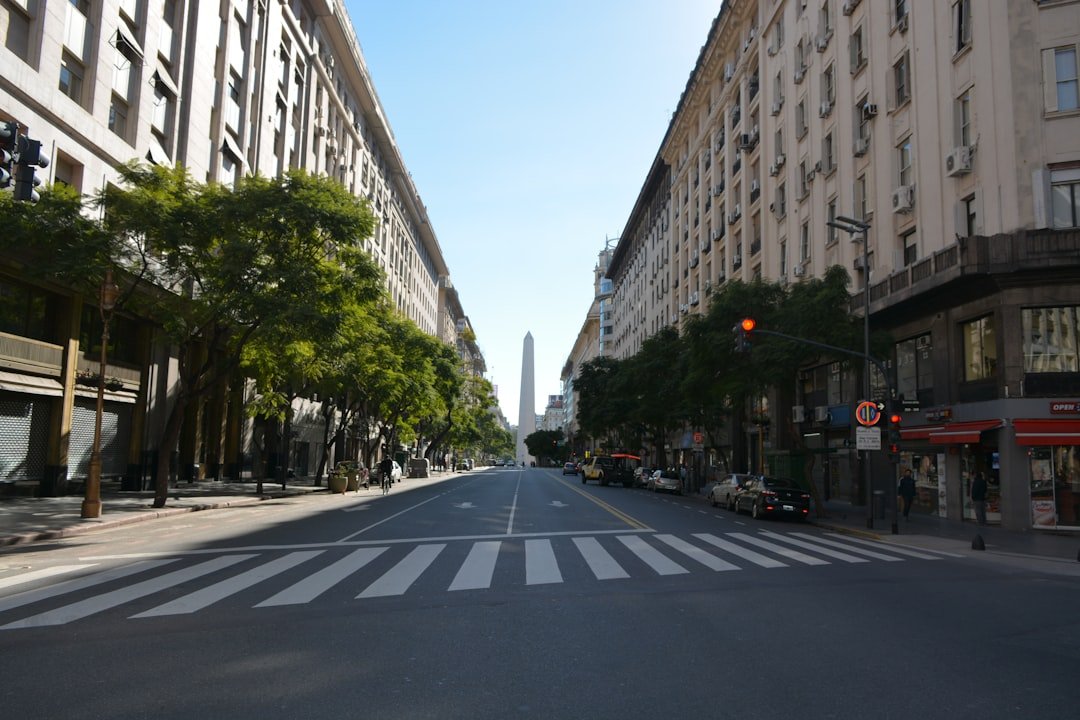
Start in Buenos Aires, a city of distinct barrios where architecture and culture shift block by block. Visit Plaza de Mayo and the presidential Casa Rosada to feel the pulse of national history. Walk through San Telmo’s cobbled streets for antiques and weekend tango performances; La Boca’s Caminito offers colorful facades and street art tied to the city’s immigrant past. Palermo is the contemporary hub for cafés, boutiques and nightlife, while Recoleta Cemetery provides a fascinating window into Argentine history and mausoleum art. Don’t miss Teatro Colón—one of the world’s great opera houses—where guided tours reveal its lavish interiors.
Head south for Patagonia’s headline acts. In El Calafate, the Perito Moreno Glacier presents one of the few advancing glaciers on the planet; boardwalks give dramatic viewpoints and boat trips bring you close to thunderous calving ice. Further south, Ushuaia, the world’s southernmost city, is the gateway to Tierra del Fuego and offers boat excursions, maritime museums and access to Antarctic-bound vessels. On the Atlantic coast, Península Valdés is a marine-wildlife stronghold—seasonal whale watching, orcas, elephant seals and abundant birdlife make it essential for wildlife enthusiasts.
Beyond the south, Iguazú Falls on the Brazil-Argentina border is a natural cathedral of spray and thunder. Walk the Argentine side’s network of paths to reach the Devil’s Throat overlook for an immersive waterfall experience. In the Lake District, towns like San Carlos de Bariloche deliver alpine lakes, lenga forests and chocolate shops, ideal for scenic drives and hiking. For wine culture, Mendoza’s sprawling vineyards under the Andes foothills pair tastings with dramatic mountain views.
Best Time to Visit
Argentina’s vast latitude means varied climates. Summer (December–February) is peak season in most destinations: Buenos Aires hums with outdoor life, and the Lake District and parts of Patagonia are accessible for hiking and boating. Expect higher prices and crowds, especially at popular Patagonian treks and Iguazú.
Shoulder seasons—spring (September–November) and autumn (March–May)—often provide the best balance: milder weather, thinning crowds and good wildlife sightings. Spring brings wildflowers and is ideal for Patagonia’s trails reopening after winter; autumn offers crisp air and colorful foliage around the lakes and vineyards.
Winter (June–August) is low season in many southern locations. Buenos Aires remains pleasant for urban exploration, while parts of northern Argentina like Iguazú are warm and less crowded. However, some mountain passes and high-altitude roads in Patagonia can be snowbound, and services in remote towns may be limited. For whale watching in Península Valdés, plan trips between June and December when southern right whales congregate.
Essential Travel Tips
Transportation: Domestic flights connect long distances—Buenos Aires to El Calafate, Ushuaia, Iguazú and Mendoza are common routes. Long-distance buses are comfortable and economical for overnight travel; choose reputable companies with reclining seats and onboard amenities. Within cities, taxis and ride-hailing apps like Cabify and Uber operate in Buenos Aires; use official taxis and agreed fares in other cities.
Money: Argentina uses the peso (ARS). Cash remains important—many smaller establishments and markets accept only cash. Credit cards are widely accepted in urban areas but check for dynamic currency conversion. ATMs are prevalent in cities; carry small bills for tips and local purchases.
Safety: Exercise standard urban caution—watch your belongings in crowded areas and on public transport. Keep photocopies of travel documents and register flights or excursions with operators. In remote regions, notify someone of your plans and check weather and trail conditions before hiking.
Packing: Layering is essential—Patagonia’s weather changes rapidly, so bring windproof, waterproof outerwear, sturdy hiking boots and warm layers. For Iguazú, bring breathable clothing, insect repellent and a light rain jacket for spray from the falls. In Buenos Aires, smart-casual clothing suits restaurants and theatres, and comfortable shoes are useful for walking cobbled streets.
Local etiquette: Argentines value direct conversation and warm greetings—handshakes or a single cheek kiss are common in social settings. Learn a few Spanish phrases; basic courtesy in Spanish is appreciated outside tourist hubs. Tipping is customary in restaurants (around 10%) and for guides; tip drivers and porters modestly for good service.
Frequently Asked Questions
Do I need a visa to travel to Argentina?
Visa requirements depend on your nationality. Citizens from many countries can enter visa-free for short tourist stays, but check your government’s travel advice and Argentina’s immigration website for current rules and permitted lengths of stay.
How many days should I spend in Argentina to cover Buenos Aires and Patagonia?
To experience both comfortably, plan at least 10–14 days: 3–4 days in Buenos Aires, 3–5 days in southern Patagonia (El Calafate and El Chaltén or Ushuaia depending on interests), and additional days for travel time and a side destination like Iguazú or Mendoza.
Is it safe to drink tap water in Argentina?
In Buenos Aires and most urban centers, tap water is generally safe to drink. In remote or rural areas, bottled water is advisable. When in doubt, ask locals or your accommodation for guidance.
What currency should I carry and are cards widely accepted?
Carry Argentine pesos for everyday purchases. Credit and debit cards are accepted in most hotels, restaurants and shops in cities, but cash is preferred at markets, small eateries and rural services. ATMs are plentiful in towns and cities.
Can I see glaciers and the jungle on the same trip?
Yes—Argentina’s geography allows contrasting experiences on one trip, but distances are large. Fly between regions (for example, Buenos Aires to El Calafate or Iguazú) to maximize time. Plan logistics carefully to allow for domestic flights and transfers.
Conclusion
Argentina rewards travelers with dramatic contrasts: cosmopolitan Buenos Aires’ cultural pulse sits beside Patagonia’s elemental landscapes and a string of scenic highlights from Iguazú to Mendoza. Prioritize the experiences that matter most—food and neighborhood life in the capital, glacier viewpoints and hikes in the south, and a couple of scenic detours to taste regional distinctiveness. Travel times between regions shape itineraries more than distances on a map, so factor domestic flights and seasonal conditions into plans. With thoughtful timing and a mix of guided tours and independent exploration, Argentina offers a deeply rewarding trip for both first-time visitors and repeat travelers seeking new angles on a famously generous country.
Inspired? Start planning your trip.
Move from inspiration to planning with BookingTabs — explore hotels, tours and travel options in one place.
Join the conversation
Ask a question, share a travel tip, or help another traveler plan with confidence.
Leave a comment
No account or email required.