
Vietnam Revealed: Cities of History, Spectacular Landscapes and Unforgettable Flavors
Vietnam is a country of striking contrasts: dense, pulsating cities that keep one foot in centuries-old tradition and the other in brisk modernity; limestone karsts and terraced rice fields that feel carved from myth; and a food culture that takes simple ingredients and creates unforgettable flavor. From the lantern-lit streets of Hoi An to the drumbeat energy of Hanoi’s Old Quarter, and from the emerald waters of Ha Long Bay to the highland mists of Sapa, Vietnam rewards travelers who move beyond guidebook checklists. This guide stitches together history, landscapes and culinary life into a practical narrative that helps you decide what to see, where to eat, and how to travel smartly across this narrow, long country. Read on for must-see attractions, authentic local experiences, the best times to visit and essential travel tips to make the most of your trip.
Must-See Attractions
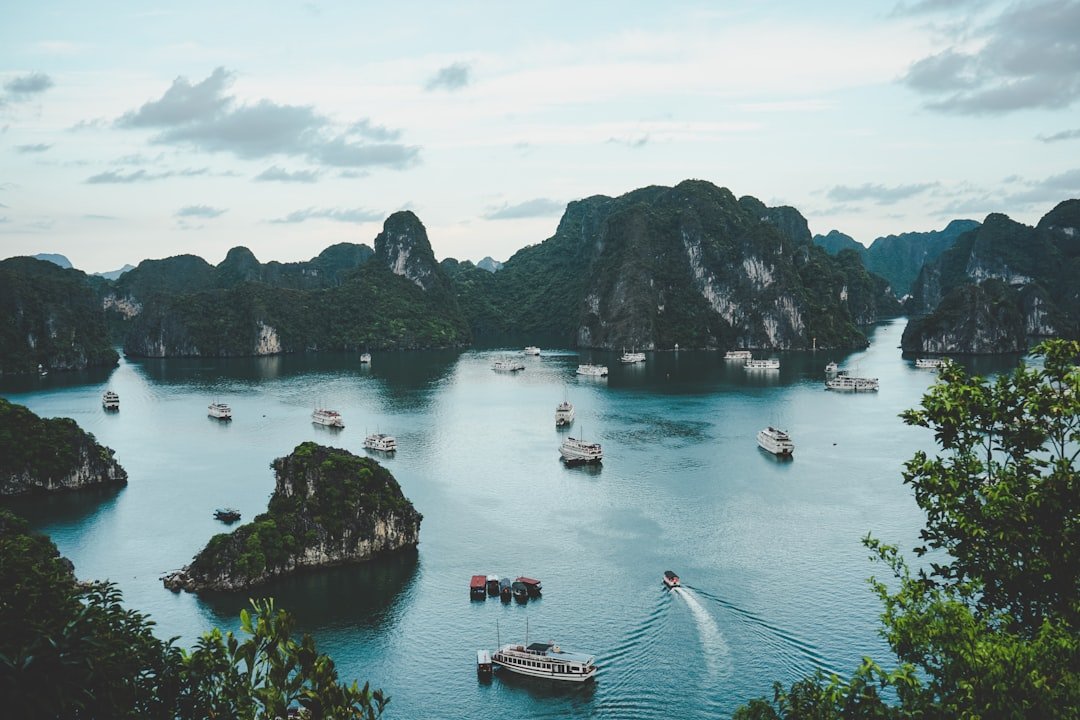
Vietnam’s highlights are diverse and closely tied to its history and geography. In the north, Hanoi’s Old Quarter offers a compact, living museum of colonial architecture, French villas and narrow streets threaded with scooter traffic and street vendors. A short drive northeast brings you to the UNESCO-listed Ha Long Bay, where emerald waters and towering limestone islands invite boat cruises and kayaking.
Further inland, Ninh Binh’s karst landscapes—often called the ‘Halong Bay on land’—are best explored by sampan through Trang An or Tam Coc. For cooler highland scenery, Sapa’s terraced rice fields and trekking villages reveal ethnic minority cultures and spectacular views.
Central Vietnam contains two treasures: Hue, the imperial capital with its Citadel and royal tombs, and Hoi An, a remarkably preserved port town whose lantern-lit streets, assembly halls and tailor shops create a uniquely photogenic atmosphere. Nearby, the Hai Van Pass and Da Nang’s beaches are popular for scenic drives and seaside relaxation.
In the south, Ho Chi Minh City (Saigon) packs frenetic energy, markets like Ben Thanh, and historical sites including the Reunification Palace and the nearby Cu Chi Tunnels. The Mekong Delta completes the southern experience—an intricate web of rivers, floating markets and orchard islands that showcase rural life and riverborne commerce.
Best Time to Visit
Vietnam’s length creates varied climates, so timing depends on your destinations. Generally, the most comfortable overall travel windows are spring (February–April) and autumn (September–November), when temperatures are moderate and rainfall is lower across much of the country.
- Northern Vietnam (Hanoi, Ha Long, Sapa): Best in spring (March–May) and autumn (September–November). Winters (December–February) can be cool and misty—good for Ha Long in low-season light but chilly in Sapa.
- Central Vietnam (Hue, Hoi An, Da Nang): Most pleasant February–August. Central Vietnam faces a rainy season and risk of typhoons from October–December, which can bring heavy rains and disruption.
- Southern Vietnam (Ho Chi Minh City, Mekong Delta): Tropical climate with a dry season from December–April and a wet season May–November. Travel is easiest in the dry months; the wet season still offers warm temperatures and lush landscapes.
Crowds peak during Tet and major school holidays—book transport and accommodation early if traveling then. For photography and outdoor activities, early morning light and clear autumn skies often give the best results.
Essential Travel Tips
Practical knowledge makes travel smoother in Vietnam. Here are essentials to keep in mind:
- Transportation: Domestic flights connect major cities quickly; trains are scenic but slower along the coast; buses are economical for shorter distances. Motorbikes are ubiquitous—rent only if you are experienced and comfortable with local traffic. For day trips, use reputable tour operators or arranged taxis.
- Money: The Vietnamese đồng (VND) is cash-dominant for small purchases. ATMs are widespread in cities; bring some cash for markets and rural areas. Major cards are accepted in hotels and larger restaurants. Check exchange rates and notify your bank before travel.
- Safety: Vietnam is generally safe for travelers; petty theft is the main concern—use hotel safes and keep valuables secure. Wear helmets on motorbikes, obey traffic norms, and avoid unlit or isolated areas at night.
- Packing: Pack light layers to adapt to changing climates—a waterproof jacket for sudden tropical showers, comfortable walking shoes for uneven streets and temples, and modest clothing for religious sites. Bring sunscreen, insect repellent, and a basic first-aid kit.
- Local Etiquette: Dress modestly at pagodas and remove shoes where required. Use both hands when giving or receiving items to show respect. Bargaining is normal in markets but be polite. Learning a few Vietnamese phrases—xin chao (hello), cam on (thank you)—is appreciated.
Frequently Asked Questions
Do I need a visa to travel to Vietnam?
Visa requirements depend on your nationality. Many countries require a visa in advance or can obtain an e-visa online. Check Vietnam’s official immigration website or your embassy for current rules, fees and entry conditions before booking.
What foods should I try first as a newcomer?
Start with pho (noodle soup), banh mi (Vietnamese sandwich), bun cha (grilled pork with noodles in Hanoi), and regional specialties like cao lau in Hoi An. Street food is generally safe at busy stalls with high turnover; choose vendors with a local following.
How much time do I need to see the highlights?
A two-week itinerary lets you cover a north–central–south loop (Hanoi/Ha Long, Hoi An/Hue, Ho Chi Minh City/Mekong) at a comfortable pace. For more in-depth exploration—trekking in the north, multi-day boat trips in Ha Long or extended Mekong journeys—plan for three weeks or more.
Is it safe to ride a motorbike in Vietnam?
Traffic can be chaotic; experienced riders who understand local conditions can rent bikes safely, but accidents are common. Wear a helmet, have appropriate insurance, and avoid riding at night or on unfamiliar, steep mountain roads unless you are confident.
What vaccinations or health precautions are recommended?
Routine vaccinations should be current (MMR, tetanus). Hepatitis A and typhoid vaccinations are often recommended for travelers; check with a travel clinic for personalized advice. Drink bottled or filtered water, and be cautious with street food if you have a sensitive stomach.
Conclusion
Vietnam invites travelers seeking history, natural drama and exceptional cuisine to explore at their own pace. Historic cities such as Hanoi, Hue and Hoi An reveal layered stories of imperial courts, colonial influence and trading legacies. Dramatic landscapes—from Ha Long Bay’s karsts to the rice terraces of Sapa and the labyrinthine waterways of the Mekong—offer memorable outdoor experiences. Above all, Vietnam’s food culture acts as an accessible entry point into daily life: street stalls, markets and family-run eateries turn simple ingredients into lasting memories. With seasonal planning and basic local knowledge, a trip to Vietnam becomes a balance of vibrant urban discoveries and quiet moments in nature—an itinerary that stays with you long after you leave.
Inspired? Start planning your trip.
Move from inspiration to planning with BookingTabs — explore hotels, tours and travel options in one place.
Join the conversation
Ask a question, share a travel tip, or help another traveler plan with confidence.
Leave a comment
No account or email required.