
Bali Essentials: Temples, Rice Terraces, Beaches & Genuine Local Life
Bali is one of Indonesia’s most evocative islands: volcanic peaks, emerald rice terraces, shoreline temples and surf breaks that draw travelers year-round. Beyond postcards and photo ops, Bali rewards those who seek local rhythms — early-morning offerings at temples, night markets serving fragrant street food, and village walks past subak irrigation terraces shaped over centuries. This guide focuses on the island’s essential sights and the authentic experiences that bring its culture into focus. Whether you’re planning a weeklong circuit from Ubud to the Bukit Peninsula or longer stay to learn Balinese crafts and cuisine, you’ll find practical tips, timing advice and reliable recommendations to make the most of Bali’s temples, terraces, beaches and everyday life.
Must-See Attractions
Bali’s landscape and culture are inseparable: temples and terraces are scenic focal points and cultural centers. Start in central Bali with Ubud, the island’s creative heart, where galleries, the Royal Palace and the Campuhan Ridge Walk offer an immediate sense of place. North and east, the volcanic setting of Mount Batur and the Kintamani rim provide sunrise trekking and sweeping caldera views.
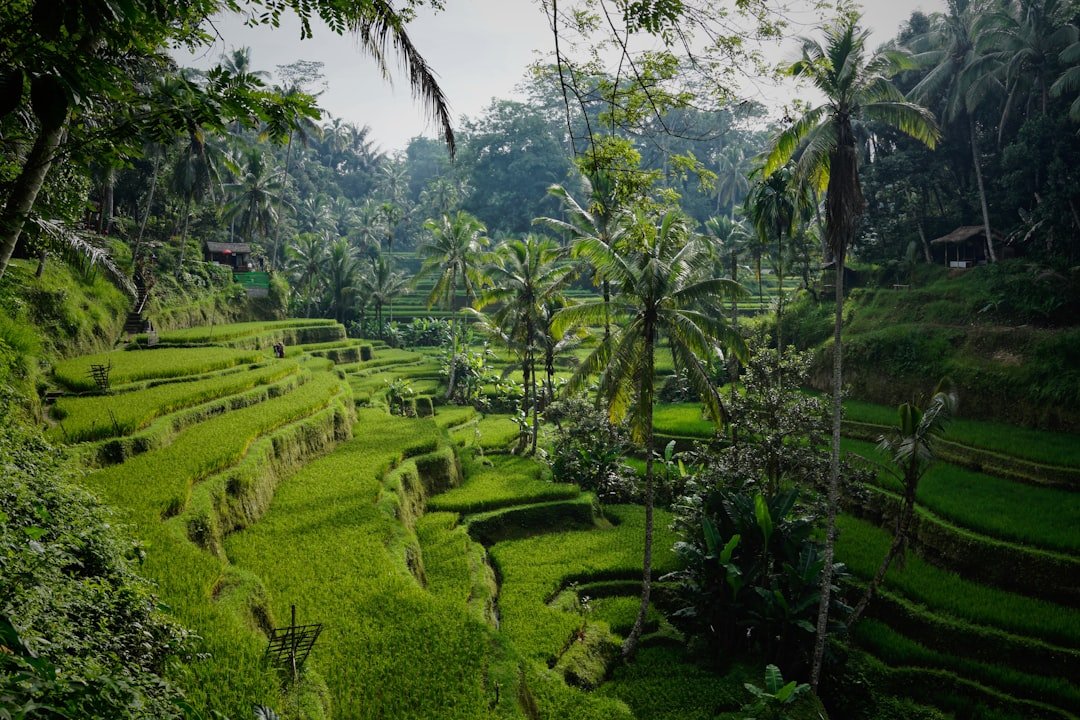
Rice terraces: Tegallalang near Ubud is popular for its stepped landscapes and accessible walks; for a quieter, UNESCO-recognized experience head west to the Jatiluwih terraces, part of Bali’s traditional subak irrigation system.
Sea and temples: The cliff-top Uluwatu Temple and the sea-temple Tanah Lot are two of Bali’s most photographed sites, each best timed for sunset to avoid midday crowds. Ulun Danu Beratan, set on Lake Beratan near Bedugul, offers a cool highland contrast to the coast. For a spiritual and historic perspective, Besakih Temple on Mount Agung is Bali’s largest and holiest complex (respect local restrictions when active volcanically).
Islands and beaches: Nusa Penida, a short fast-boat ride from Sanur, delivers dramatic coastal scenery and snorkeling; Seminyak and Canggu supply nightlife, cafés and beach clubs; Sanur retains a calmer, family-friendly shoreline. For quieter northern beaches, Lovina offers black-sand shores and early-morning dolphin excursions.
Best Time to Visit
Bali has a tropical climate with two main seasons: the dry season (April to September) and the rainy season (October to March). The dry months offer the most pleasant weather for beach time, trekking and outdoor activities — June through August are peak months with the highest visitor numbers.
Shoulder seasons (April–May and September) are ideal for fewer crowds, lower prices and generally good weather. The rainy season sees heavy but often short-lived storms, higher humidity and occasional local flooding; travel is still possible, and surf conditions can be excellent for experienced surfers. If you want to experience cultural events, plan around major Balinese festivals like Galungan (dates vary by the 210-day Pawukon calendar) and Nyepi (in March), but be ready for changes to transport and business hours during these times.
Essential Travel Tips
- Transportation: Renting a motorbike is the most flexible way to explore, especially around Ubud, Canggu and coastal areas; only rent if you are experienced and carry an international driving permit. Blue Bird taxis are reliable in southern Bali; ride-hailing apps like Grab operate across the island for convenience. Allow extra time for traffic, especially around Denpasar and Kuta.
- Money: The currency is the Indonesian rupiah (IDR). ATMs are widely available in towns and tourist centers; carry cash for remote areas and smaller purchases. Credit cards are accepted in many hotels and restaurants but not everywhere.
- Safety: Bali is generally safe, but common-sense precautions apply. Watch for heavy traffic and narrow roads, especially after dark. Be aware of rip currents on some beaches and check local advice before swimming. Keep valuables secure and use hotel safes when possible.
- Packing: Include reef shoes, a lightweight rain jacket for sudden showers, sunscreen and a reusable water bottle. Bring a sarong or scarf for temple visits — many temples require shoulders and legs to be covered, and sarongs are often available to borrow or rent at temple entrances.
- Local etiquette: Respect offerings and shrines — don’t step over or touch them. When visiting temples, follow dress codes and guidance from temple staff. Learn simple greetings like ‘terima kasih’ (thank you) to show respect.
- Health: Tap water is not safe to drink; use bottled or purified water. For trekking or remote excursions, book with a licensed operator and check their safety standards.
Frequently Asked Questions
Do I need a visa to travel to Bali?
Visa requirements depend on your nationality. Many travelers qualify for visa-free entry or a visa on arrival for short stays; check Indonesian embassy guidance well before travel to confirm current rules and allowed durations.
Is Bali suitable for first-time visitors to Southeast Asia?
Yes. Bali has well-established tourist infrastructure, English is widely spoken in tourist areas, and there are options to suit varied budgets. Expect a mix of bustling tourist zones and quieter cultural areas.
How can I respect Balinese culture on my trip?
Learn basic etiquette: dress modestly at temples, avoid disrupting ceremonies, ask permission before photographing people closely, and accept local customs around offerings and public behavior. A respectful attitude goes a long way.
Are credit cards widely accepted in Bali?
Cards are accepted in hotels, many restaurants and larger shops, but carry cash for markets, small warungs and rural services. Inform your bank before travel to prevent blocked transactions.
What are the top safety concerns for Bali visitors?
Primary concerns are road safety, strong ocean currents at some beaches and petty theft in busy areas. Use a helmet on scooters, heed local swim warnings, secure belongings and book activities with reputable operators.
Conclusion
Bali delivers a layered travel experience: iconic temples and rice terraces form the visual backbone, while markets, food and daily rituals reveal the island’s living culture. Balance time between popular sights—Ubud, Tanah Lot, Uluwatu—and quieter discoveries like Jatiluwih terraces or a village ceremony. Practical planning around seasons, transport choices and cultural etiquette will enhance your experience. With care and curiosity, Bali rewards visitors with memorable landscapes, warm hospitality and a sense of timelessness that lingers long after you leave the shore.
Inspired? Start planning your trip.
Move from inspiration to planning with BookingTabs — explore hotels, tours and travel options in one place.



Join the conversation
Ask a question, share a travel tip, or help another traveler plan with confidence.
Leave a comment
No account or email required.