
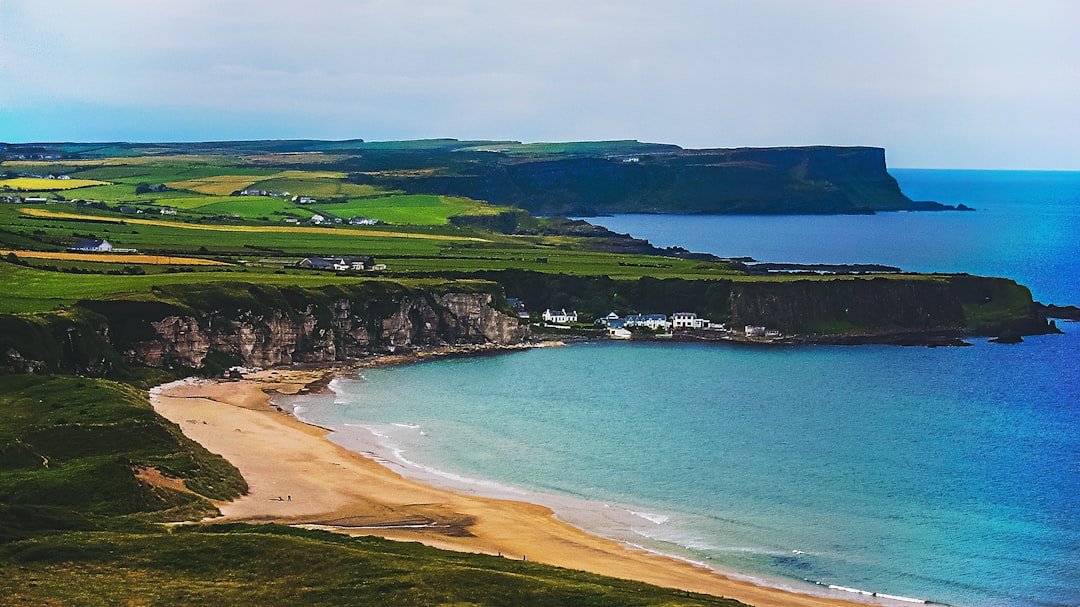
Coastal Ireland’s Most Charming Villages: Where Sea, Stone and Stories Meet
Ireland’s coastline stitches together dramatic cliffs, sandy coves and harbors where colorful fishing boats bob beside age-old pubs. Beyond the cities, a string of coastal villages captures the country’s maritime spirit: places where seagulls wheel over low-slung houses, where traditional music and fresh seafood are part of everyday life, and where narrow lanes open onto Atlantic panoramas. This guide visits several of the country’s most evocative coastal villages—from the culinary quay of Kinsale to the windswept charm of Roundstone—highlighting what to see, the local experiences that bring each place to life, and practical advice for planning a trip along Ireland’s shores.
Must-See Attractions
Each village in Ireland offers distinctive sights rooted in landscape and history. Below are standout attractions you can reliably find and enjoy.
-
Kinsale (County Cork) – A colorful harbor town known for narrow streets, pastel houses and a cluster of historic forts, notably Charles Fort, which provides sweeping views over the harbor and countryside.
-
Doolin (County Clare) – A tiny village on the edge of the Burren that serves as a gateway for ferries to the Aran Islands and as a launch point for boats viewing the Cliffs of Moher from the sea. The limestone landscape of the Burren is close by.
-
Portmagee (County Kerry) – A working fishing village with views toward Skellig Michael and a launching point for licensed boat trips to the Skellig islands (subject to weather and licensing).
-
Roundstone (County Galway) – A Connemara harbor village with a photogenic pier, traditional craft shops and immediate access to rugged, boggy landscapes and sea vistas typical of the west coast.
-
Ballycotton (County Cork) – Known for the Ballycotton Cliff Walk and its good vantage points for seabird-watching and dramatic coastal panoramas.
-
Kilmore Quay (County Wexford) – A charming fishing village from which boats visit the Saltee Islands, an important seabird reserve.
-
Howth (County Dublin) – A working fishing port within easy reach of Dublin, famous for the Howth Cliff Walk, a busy harbor with fresh seafood restaurants, and panoramic views over Dublin Bay.
-
Ardmore (County Waterford) – A small village with an early Christian round tower and a well-defined coastal loop walk that reveals sea-carved cliffs and sandy coves.
-
Cobh (County Cork) – A deep-water port with a layered maritime history; its waterfront and the Cobh Heritage Centre interpret the town’s role as a major emigration point and the Titanic’s last port of call.
Local Experiences
Villages along Ireland’s coast come alive through food, music and outdoor pursuits. Seek out these authentic experiences when you visit.
-
Seafood and coastal dining – Kinsale’s restaurants have long drawn food lovers; in smaller villages like Howth, Portmagee and Ardmore, local seafood—oysters, crab, fresh fish—features on menus at family-run eateries and harbor-side cafés.
-
Traditional music sessions – Doolin and Roundstone have reputations for lively pub sessions where local musicians gather. Music most often happens in evenings in intimate settings; ask locals for the best pubs that night.
-
Harbor life and boat trips – Take a sea tour from Doolin for cliff views, or from Kilmore Quay and Ballycotton to reach seabird colonies and seal haul-outs. In Portmagee, licensed Skellig tours operate when weather permits.
-
Markets and local produce – Weekly farmers’ markets near coastal hubs and seasonal pop-ups sell artisan bread, cheeses and smoked fish. Kinsale and larger villages often host food markets tied to weekend events.
-
Viewpoints and scenic drives – In Connemara, drive the Sky Road near Clifden and stop in Roundstone for the classic harbor view. The Howth Cliff Walk and Ballycotton Cliff Walk are accessible short hikes that reward with panoramic sea vistas.
-
Outdoor activities – Sea kayaking, surfing and coastal walks are popular. Doolin and areas along County Clare are known for surf-friendly beaches nearby, while boat-based wildlife watching is strong in Wexford and Cork.
-
Local festivals – Many coastal communities mark the summer months with small festivals celebrating music, boats or seafood. Check local tourism boards or village noticeboards for current events during your visit.
Best Time to Visit
The best months to explore Ireland’s coastal villages are late spring through early autumn, when weather is mild and daylight stretches into the evening.
-
Seasons – Late May through September offers the warmest temperatures and most predictable conditions for boat trips and cliff walks. Spring (April–May) brings blooming hedgerows and fewer crowds; autumn (September–October) carries crisp air and often dramatic skies.
-
Weather – Irish coastal weather is changeable. Summers are cool rather than hot, with average daytime highs in the 55–65°F (13–18°C) range. Even in summer, bring a waterproof layer and a windproof jacket.
-
Crowds – Peak tourism runs July–August. Coastal villages are livelier then, but also busier; visit shoulder months (May–June, September) to balance weather and quieter streets.
-
Best months – May, June and September are often the best overall for milder conditions, active local events, and fewer visitors than high summer.
Essential Travel Tips
Plan thoughtfully to make the most of Ireland’s coastal villages—many are small and services vary.
-
Transportation – Renting a car is the most flexible option for reaching remote villages and scenic drives. Some places are served by regional buses and trains, but schedules can be infrequent. If driving, allow extra time for narrow roads and sheep on country lanes.
-
Money – Credit and debit cards are widely accepted in larger villages and restaurants, but small cafes, market stalls and some pubs may prefer cash. ATMs are available in larger towns; plan ahead in more remote areas.
-
Safety – Coastal cliffs and rocks can be slippery; keep to marked paths and avoid cliffs in high winds. Follow skipper guidance on boat trips and respect wildlife, including nesting seabirds.
-
Packing – Pack layered clothing, a waterproof shell, sturdy walking shoes and a daypack. Bring binoculars for birdwatching and a reusable water bottle.
-
Local etiquette – Irish coastal communities value friendliness and respect. Greet shopkeepers and pub staff, avoid shouting or loud behavior late at night, and ask permission before photographing people closely involved in work.
-
Connectivity – Mobile reception and data can be intermittent in remote coastal stretches. Download maps and travel information in advance, and carry printed confirmations for bookings when possible.
Frequently Asked Questions
Which coastal village is best for traditional Irish music?
Doolin is often regarded as one of the best places for traditional music sessions, with several small pubs hosting nightly performances. Roundstone and other west coast villages also offer excellent, intimate music experiences.
Can I take boat trips to see seabirds and seals?
Yes. Kilmore Quay, Ballycotton and other harbor villages offer boat trips to nearby islands and sea stacks where seabirds breed and seals gather. Book through licensed operators and check seasonal schedules.
Are these villages suitable for day trips from Dublin?
Some, like Howth, make easy day trips from Dublin by train or car. Other villages—Kinsale, Doolin, Roundstone—are farther afield and are better visited as part of a multi-day itinerary or as overnight stays.
Is it possible to visit Skellig Michael from the mainland?
Yes. Licensed boat trips to Skellig Michael typically depart from Portmagee (County Kerry) and other nearby harbors during the summer, weather permitting. Landings are limited and subject to conservation restrictions, so bookings often fill quickly.
What should I wear for coastal walks?
Wear layers, a windproof and waterproof jacket, and sturdy, grippy footwear. Coastal paths can be muddy and exposed to sudden weather changes; bring a hat and sun protection even on cool days.
Conclusion
Ireland’s coastal villages offer a mix of sweeping landscapes, maritime history and everyday traditions that are best experienced slowly: a morning watching fishing boats return, an afternoon walking clifftops, an evening in a small pub listening to live music. Whether you’re tracing the Wild Atlantic Way, exploring Cork’s sheltered harbors or following the sea toward a remote rock-strewn island, these villages reward curious travelers who arrive ready to walk, listen and taste. Plan around local boat schedules and seasonal weather, savor regional food, and leave time to linger—the coastline’s quiet moments are often the most memorable.
Inspired? Start planning your trip.
Move from inspiration to planning with BookingTabs — explore hotels, tours and travel options in one place.



Join the conversation
Ask a question, share a travel tip, or help another traveler plan with confidence.
Leave a comment
No account or email required.