
Island-Hopping Greece: The Most Beautiful Islands to Visit and Why
Greece’s islands are a mosaic of turquoise water, dramatic cliffs, whitewashed villages and living traditions. From the volcanic caldera of Santorini to Crete’s rugged gorges, each island has a distinct personality shaped by history, cuisine and landscape. This guide highlights the most beautiful and accessible islands—including well-known favorites and lesser-seen gems—and explains what makes each one worth prioritizing on a first or fifteenth visit. Expect actionable recommendations for sights, authentic experiences, and practical travel advice so you can plan an island-hopping route that fits your pace, whether you want beaches and nightlife, archaeology and culture, or slow village life and outdoor adventure.
Must-See Attractions
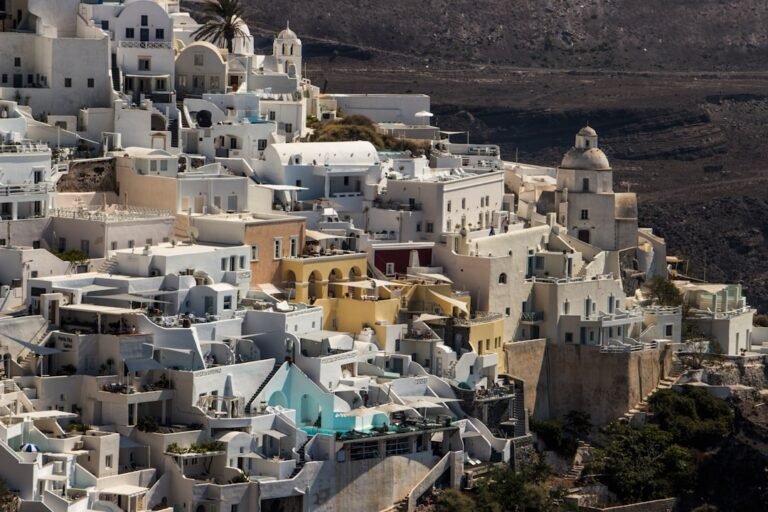
Santorini: The town of Oia perched along the caldera is the island’s signature image—narrow lanes, blue-domed churches and sunset views. Akrotiri is a Bronze Age archaeological site preserved under volcanic ash, while the black-sand Red and Perissa beaches offer a striking contrast to the white villages.
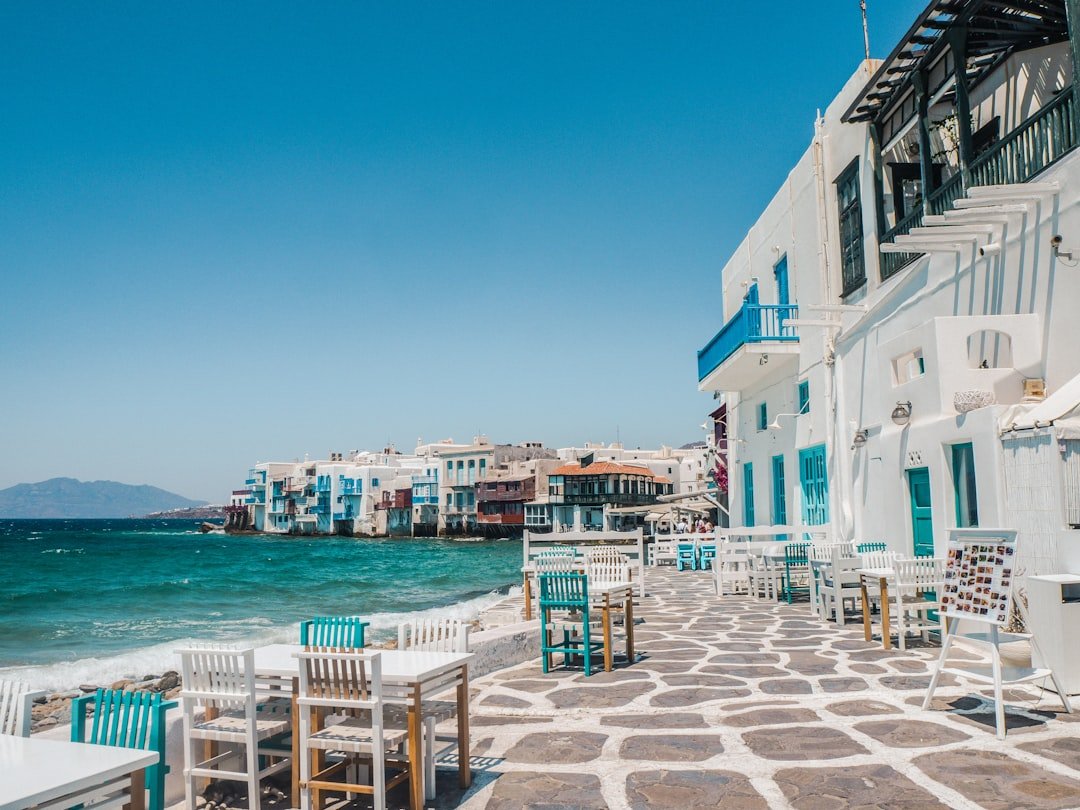
Mykonos: Famous for its windmills and Little Venice waterfront, Mykonos also has charming Cycladic streets in Mykonos Town (Chora). Nearby Delos, one of Greece’s most important archaeological islands, is a short boat trip and a must for history enthusiasts.
Crete: Greece’s largest island blends Minoan archaeology and wild landscapes. The Palace of Knossos near Heraklion connects visitors to Europe’s earliest advanced civilization. In western Crete, Chania’s Venetian harbor and the dramatic Samaria Gorge attract hikers and history lovers alike.
Rhodes: The walled Medieval Old Town of Rhodes is a UNESCO treasure with cobblestone streets, medieval architecture and the Palace of the Grand Master. Lindos, with its white houses and acropolis, offers both antiquity and panoramic Aegean views.
Corfu: Corfu Town mixes Venetian, French and British influences; stroll the Liston arcade and visit the Old Fortress. The island’s olive groves and coastal viewpoints—especially around Paleokastritsa—are scenic highlights.
Zakynthos (Zante): Navagio (Shipwreck) Beach on a steep cove framed by cliffs is one of the Mediterranean’s most photographed spots. Boat trips reveal the island’s sea caves and chances to spot loggerhead turtles in the bay of Laganas.
Naxos and Paros: Naxos combines long, sandy beaches with a well-preserved Portara (ancient marble gateway) and inland villages. Neighboring Paros offers charming Naoussa harbor, traditional panigiria (village festivals) and excellent windsurfing in Pounda.
Milos: Known for unusual volcanic rock formations, Milos’s Sarakiniko moon-like coast and colorful fishing villages like Klima make it a photographer’s favorite. Boat excursions uncover secret coves and sea caves.
Lefkada and Skiathos: Lefkada’s west coast boasts striking beaches like Porto Katsiki and Egremni, accessible by short drives. Skiathos in the Sporades is famed for lively beaches and a compact, walkable main town.
Local Experiences
Food: Greek island cuisine emphasizes fresh seafood, olive oil, local cheeses and simple preparations. In Crete try dakos (rusk salad) and Cretan graviera; in Santorini sample fava and cherry tomato dishes; on Naxos taste local cheeses and potatoes. Seek tavernas away from the main harbors for authentic home-cooked meals.
Markets: Visit daily fish and produce markets for the freshest catch and seasonal fruit. Chania’s municipal market is a lively spot to sample local olive oils, herbs and cheeses. Smaller islands hold weekend farmers’ stalls in town squares—perfect for sampling honey, olives and regional pastries.
Viewpoints and neighborhoods: Walk the caldera path from Fira to Oia on Santorini for sweeping sea views. Explore Mykonos Town’s narrow alleys at dusk to see windmills and waterfront terraces. In Corfu, climb to the Old Fortress or explore the British-era Liston promenade for sunset lights and people-watching.
Festivals and traditions: Time your visit to experience a panigiri (village feast) where music, wine and local food celebrate a saint’s day—especially lively on islands such as Naxos and Paros. Corfu’s Easter services and processions are famous for their intensity and unique local customs.
Outdoor activities: Island waters invite sailing, snorkeling and diving—Milos and Zakynthos offer dramatic coastal caves and underwater visibility. Hike Crete’s Samaria Gorge for a full-day wilderness experience, or explore Milos’s coastline by kayak. Windsurfing and kitesurfing are excellent on Paros and Naxos, while road cycling suits Lefkada’s scenic routes.
Best Time to Visit
Spring (April–June): One of the best windows—mild temperatures, blossoming countryside, and fewer crowds than summer. Sea temperatures warm gradually; many island businesses reopen for the season by May.
Summer (July–August): Peak season with hot, dry weather and lively nightlife, especially on Mykonos and Santorini. Expect crowded ferries, higher prices, and busy beaches. If you prefer atmosphere and activity, July and August deliver, but book accommodations and transfers well in advance.
Early autumn (September–October): A sweet-spot for many travelers—warm seas, thinner crowds, and more comfortable daytime temperatures. Harvest season also brings festivals and fresh produce.
Winter (November–March): Low season on most islands; many hotels and restaurants close, though Crete and Corfu remain more active year-round. Winter can be rainy and windy, and ferry schedules are reduced, but it’s the best time for travelers seeking solitude and lower prices.
Summary: For the best balance of weather and crowds, aim for May–June or September–early October.
Essential Travel Tips
- Transportation: Plan ferries in advance during high season; use the national ferry network (Blue Star Ferries) for reliable routes between major islands. For island transfers, consider flying to Crete, Rhodes or Corfu from Athens to save time. On smaller islands, renting a scooter or car is often the most flexible way to explore.
- Money: Cash remains important in smaller tavernas and village shops. ATMs are common in main towns but can be scarce in remote villages—carry an emergency cash buffer. Credit cards are widely accepted in tourist areas.
- Safety: Greece is generally very safe. Swim only at lifeguarded beaches when available, and heed local warnings about currents. Keep valuables secure and be mindful of pickpockets in crowded tourist centers.
- Pacing and packing: Pack layers—even summer evenings by the sea can be breezy. Bring comfortable walking shoes for cobblestones and hikes. Sunscreen, a reusable water bottle, and lightweight rain gear for shoulder seasons are recommended.
- Local etiquette: Dress modestly when visiting churches and monasteries (cover shoulders and knees). Learn a few basic Greek phrases—’kalimera’ (good morning), ‘efharisto’ (thank you)—they’re appreciated. If invited to a local panigiri or home, accept small courtesies and try local dishes.
- Booking: Reserve accommodations and popular boat excursions early for July–August. If island-hopping, allow buffer time between ferries to avoid missed connections during rough seas or delays.
Frequently Asked Questions
Which Greek island is best for first-time visitors?
Santorini and Mykonos are popular for first-time visitors thanks to iconic landscapes, convenient ferry and flight links, and a wide range of accommodations. Pair Santorini with Naxos or Paros for more beach and village variety.
How many islands should I visit in one trip?
Plan no more than two to four islands in a 7–10 day trip to avoid travel fatigue. Choose islands within the same cluster (Cyclades, Ionian, or Dodecanese) to minimize long ferry journeys.
Are the islands expensive?
Costs vary. Mykonos and Santorini tend to be the priciest during peak season. Smaller islands like Naxos, Paros or Milos offer more affordable dining and lodging options, especially off-peak.
Can I island-hop without a car?
Yes—many islands have reliable local bus networks linking towns and beaches. However, to access remote beaches and hilltop villages, renting a car or scooter provides greater freedom.
Is it safe to swim everywhere I see a beautiful beach?
Most beaches are safe, but conditions vary: some have strong currents, others are rocky. Look for lifeguards, observe flag warnings, and avoid cliff-jumping unless an area is explicitly designated for it.
Conclusion
Greece’s islands offer a remarkable range of experiences—spectacular caldera sunsets in Santorini, Minoan history and mountain gorges in Crete, lively nightlife in Mykonos, and tranquil villages on Naxos and Milos. Choosing islands that match your interests—whether archaeology, outdoor adventure, or slow food and beaches—makes for a richer trip than chasing every famous postcard. Travel in shoulder seasons when possible, respect local customs, and leave room for unplanned detours. With a little planning, island-hopping in Greece becomes a sequence of memorable landscapes, flavors and encounters that linger long after your return home.
Inspired? Start planning your trip.
Move from inspiration to planning with BookingTabs — explore hotels, tours and travel options in one place.

Join the conversation
Ask a question, share a travel tip, or help another traveler plan with confidence.
Leave a comment
No account or email required.