
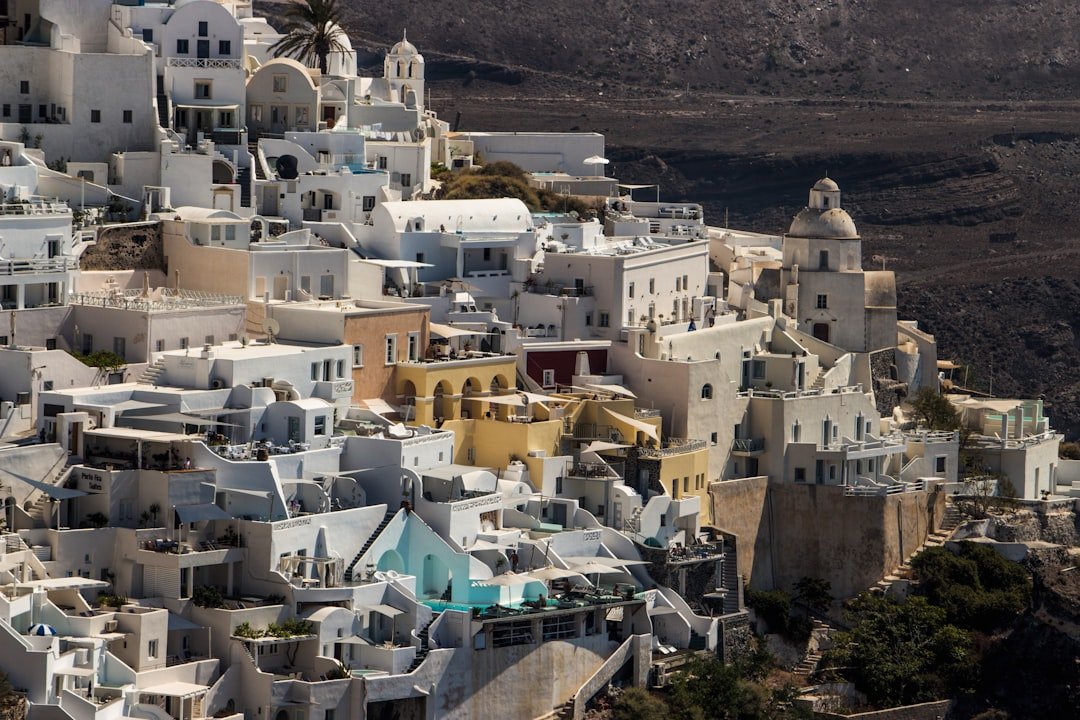
Time-Traveling Through Greece: The Best Historic Towns to Visit
Greece’s history is not confined to museums; it lives in neighborhoods, citadels and winding lanes where layers of classical, medieval and Ottoman influence overlap. For travelers who want more than beaches, historic towns offer dense concentrations of architecture, archaeology and local culture that reveal the country’s long past. From the marble temples of Delphi to fortified medieval harbors, each town tells a different chapter of Greek history. This guide focuses on the most compelling historic towns—accessible, atmospheric and rich in experiences—so you can plan an itinerary that balances iconic ruins with authentic neighborhoods, regional cuisine and manageable travel logistics.
Must-See Attractions
Pick towns that represent different eras and regions to get a fuller picture of Greece’s past.
-
Athens (Plaka and the Acropolis): No historic-town list is complete without Athens. Walk the Plaka’s narrow lanes below the Acropolis, visit the Acropolis Museum, and climb to the Parthenon for an essential introduction to ancient Greece.
-
Delphi: Once considered the center of the world, Delphi’s archaeological site includes the Temple of Apollo, the ancient theater and the Delphi Museum, all set high on Mount Parnassus with sweeping valley views.
-
Nafplio: A graceful seaport in the Peloponnese, Nafplio blends Venetian, Ottoman and modern Greek layers. Visit Palamidi Fortress, stroll the waterfront and explore the Ottoman-era Bourtzi islet in the harbor.
-
Rhodes Old Town: One of Europe’s best-preserved medieval towns, Rhodes’ walled city features the Street of the Knights, the Palace of the Grand Master and a braided maze of Byzantine, Genoese and Ottoman architecture.
-
Meteora (Kalambaka and Kastraki): The dramatic cliffdomes topped by centuries-old monasteries are a unique historical landscape. While the monasteries are the focus, the adjacent towns of Kalambaka and Kastraki provide base villages for exploring the rocks.
-
Chania (Crete): Chania’s Venetian harbor and old town preserve narrow alleys, Ottoman mosques, and a picturesque waterfront lined with tavernas and historic warehouses.
-
Corfu Town: A UNESCO World Heritage site, Corfu Town showcases Venetian fortifications, elegant squares like Spianada and a blend of Western European influences distinct from the mainland.
-
Mystras: Near ancient Sparta, the fortified Byzantine city of Mystras contains well-preserved churches, palatial ruins and monastery complexes that offer insight into medieval Byzantine life.
-
Olympia: The archaeological site of ancient Olympia—home of the original Olympic Games—features the Temple of Zeus, the stadium and the archaeological museum with important classical sculptures.
Local Experiences
Historic towns are best understood through sensory experiences: food, neighborhood walks, markets and festivals.
-
Food and tavernas: Try regional specialties in local tavernas—savor Cretan dakos in Chania, seafood and Corfiot sofrito in Corfu, and Peloponnesian meat pies and olive oil–rich dishes in Nafplio. Many towns have family-run restaurants where recipes have been passed down for generations.
-
Markets and food stalls: Visit municipal markets—the Varvakios Market in Athens is a major example—for fresh produce, cheeses and spices. Smaller towns often hold weekly markets where you can buy local honey, herbs and handmade goods.
-
Viewpoints and promenades: Sunrise at the Acropolis or sunset from Palamidi in Nafplio are memorable. In Chania and Corfu Town, walk the Venetian harbors at dusk when the light softens the stone façades.
-
Neighborhood wandering: Lose yourself in the alleyways of Rhodes Old Town, the Plaka’s neoclassical lanes, or Mystras’ ruined streets to discover hidden churches, artisan shops and scenic courtyards.
-
Festivals and cultural events: Time your visit to coincide with Orthodox Easter celebrations for dramatic processions and local customs, or regional festivals—such as religious feast days and summer music events in historic venues.
-
Outdoor activities: Combine history with hiking: climb the trails around Meteora to reach secluded monasteries, hike the slopes around Delphi, or explore coastal paths near Nafplio and Chania for sea views and Byzantine watchtowers.
Best Time to Visit
Timing affects weather, crowds and what you can comfortably do.
-
Spring (April–June): Arguably the best time for historic towns. Temperatures are pleasant, wildflowers bloom, and major sites are less crowded than in high summer.
-
Early autumn (September–October): Warm sea temperatures linger, archaeological sites are still comfortable to explore, and crowds thin after August.
-
Summer (July–August): Hot temperatures and peak tourist numbers—expect long lines at major attractions like the Acropolis and busy ferries. Towns on islands experience lively nightlife and festivals but plan ahead for bookings.
-
Winter (November–March): Quieter and cooler; many island attractions and smaller museums may operate reduced hours. Inland towns such as Delphi and Meteora can be atmospheric with fewer visitors, but expect colder weather and potential snow in mountainous areas.
Essential Travel Tips
Practical advice to make historic-town travel smoother and more respectful.
-
Transportation: Greece’s mix of ferries, domestic flights and buses connects many towns. Use regional KTEL buses for reliable service to smaller towns; trains are limited. Renting a car offers flexibility in the Peloponnese and Crete but check narrow-street parking rules in historic centers.
-
Money: Greece uses the euro. Carry some cash for small purchases—cafés, markets and remote sites may be cash-preferred. Credit cards are widely accepted in towns but confirm with smaller vendors.
-
Safety: Greece is generally safe for travelers. Take standard precautions: watch belongings in crowded tourist spots, avoid leaving valuables visible in parked cars and follow local guidance at archaeological sites and monasteries.
-
Packing: Bring comfortable walking shoes for cobbled streets and uneven ruins, lightweight clothing for summer, a hat and sunscreen, and a light jacket for evenings in shoulder seasons. If you plan to visit monasteries or churches, pack a modest layer to cover shoulders and knees.
-
Local etiquette: Greet shopkeepers with a simple “kalimera” (good morning) or “kalispera” (good evening). Be respectful at religious sites—photos may be restricted during services. Tipping is appreciated but modest: 5–10% in restaurants is common when service and not included.
-
Advance bookings: For peak months, book accommodations and ferries early. For popular archaeological sites and museum timed-entry policies may apply—check and reserve where possible.
Frequently Asked Questions
Which historic town in Greece is best for first-time visitors?
Athens is the most accessible introduction with the Acropolis, vibrant neighborhoods like Plaka and extensive museums. Pair it with a day trip to Delphi or Nafplio for a broader historic experience.
Can I visit multiple historic towns by public transport?
Yes—major towns are connected by intercity buses (KTEL) and ferries. Trains are limited to certain routes. For remote or clustered towns (Peloponnese or mountainous areas), a rental car can save time.
Are historic sites accessible for travelers with limited mobility?
Accessibility varies. Many major museums and some archaeological sites have ramps or elevators, but ancient ruins often have uneven terrain and stairs. Check individual site accessibility in advance and contact visitor centers for assistance options.
How much time should I spend in each town?
Plan 1–3 days per town depending on interest. A full day covers highlights in compact towns like Nafplio or Corfu Town; allow two days for Rhodes Old Town and Chania; Delphi, Meteora and Mystras benefit from a full day each to appreciate sites and surrounding scenery.
Are guided tours worth it in historic towns?
Guided tours add historical context and can streamline visits at busy sites. Consider a half-day guided tour for complex archaeological sites or walking tours in medieval towns to learn about architecture, history and local anecdotes.
Conclusion
Historic towns in Greece offer a layered travel experience that combines world-class archaeology, medieval fortresses and living local cultures. By choosing a mix of iconic sites—Athens, Delphi, Meteora—and lesser-known treasures like Mystras or Nafplio, you encounter a fuller narrative of Greek history. Balance landmark visits with slow afternoons in markets, harbors and tavernas to taste the regional cuisine and absorb local rhythms. With thoughtful timing, basic planning and respect for local customs, these towns reward travelers with memorable vistas, compelling stories and a welcome sense of continuity between past and present.
Inspired? Start planning your trip.
Move from inspiration to planning with BookingTabs — explore hotels, tours and travel options in one place.




Join the conversation
Ask a question, share a travel tip, or help another traveler plan with confidence.
Leave a comment
No account or email required.