
Coastal Charms of Montenegro: Top Towns Along the Adriatic
Nestled between rocky mountains and the Adriatic Sea, Montenegro packs a surprising variety of coastal towns within its short shoreline. From UNESCO-protected Kotor with its fjord-like bay to the sandy sweep of Ulcinj and the glamorous islet of Sveti Stefan, each town delivers a distinct flavor of Adriatic life. Compact distances mean you can sample ancient stone alleys, lively beaches, and modern marinas within a single week. This guide highlights the must-visit towns, local experiences that reveal authentic culture and cuisine, practical timing to avoid crowds, and essential travel tips for a smooth trip. Whether you want medieval architecture, nightlife, or tranquil seaside villages, Montenegro’s coast offers memorable contrasts and intimate encounters with Adriatic history and hospitality.
Must-See Attractions
Kotor — The fortified old town of Kotor is the crown jewel of Montenegro’s coast. Walk the labyrinthine lanes, visit the Romanesque-Gothic St. Tryphon Cathedral, and climb the city walls up to the San Giovanni (St. John) fortress for panoramic views over the Bay of Kotor.
Perast — A short drive from Kotor, Perast is famous for its baroque palaces and two islets in the bay. Take a boat to Our Lady of the Rocks (Gospa od Škrpjela), an artificial island with a small church and museum built over centuries of seafaring devotion.
Budva — Budva blends a compact medieval core with wide beaches and a lively nightlife scene. Explore the Citadel and narrow streets of the Old Town, then head to Mogren or Jaz Beach for sun and water sports.
Sveti Stefan — The iconic pink islet of Sveti Stefan is instantly recognizable. The islet itself operates as a luxury resort, but the nearby beaches (including the public stretch in front of the island) and the coastal promenade provide postcard views.
Tivat — Known today for Porto Montenegro, Tivat mixes upscale yachting facilities with quieter neighborhoods. Stroll the marina, watch superyachts, and explore nearby Lustica Peninsula beaches and local villages.
Herceg Novi — At the entrance to the Bay of Kotor, Herceg Novi offers fortresses like Forte Mare and Kanli Kula, a pleasant seaside promenade, and botanical gardens. The town’s mix of Ottoman, Venetian and Austro-Hungarian heritage is visible in its architecture.
Bar and Stari Bar — Bar is a practical port town with access to beaches and ferries. Nearby Stari Bar (Old Bar) is a fascinating archaeological and historic site: the ruins of a medieval town with ancient aqueducts and olive groves, including the famed thousand-year-old olive tree.
Ulcinj — Distinguished by Velika Plaža (Long Beach), one of the longest sandy beaches on the Adriatic, Ulcinj also has a historic Old Town with narrow lanes and Ottoman influences. The nearby Ada Bojana river island offers kitesurfing and a more relaxed seaside atmosphere.
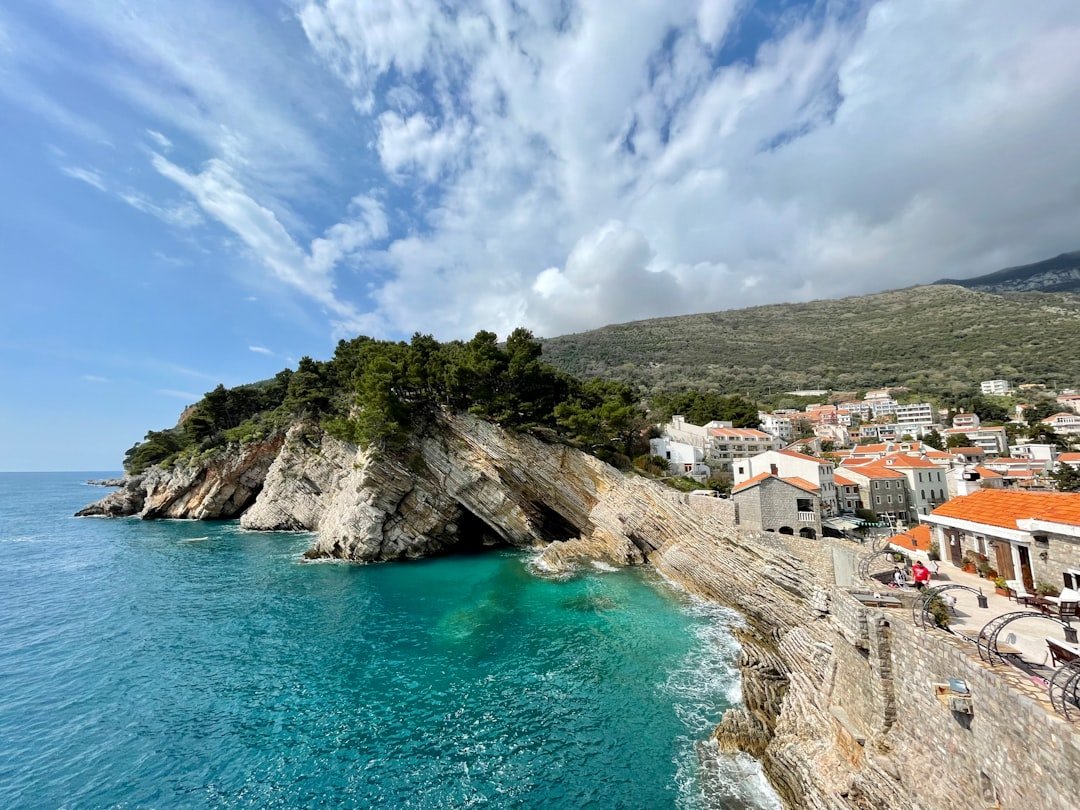
Petrovac — A calmer alternative to Budva, Petrovac has a small harbor, an open beach framed by cliffs, and easy access to coastal trails between neighboring towns.
Local Experiences
Food and dining — Seafood dominates menus along the coast: grilled fish, black risotto (made with squid ink), and shellfish stews. Try local specialties such as prawns buzara and Njeguši prosciutto in villages near Kotor. Family-run konobas (tavernas) serve hearty, home-cooked meals paired with Montenegrin wines and rakija.
Markets and culinary stops — Visit Kotor’s small farmers’ market for fresh produce, cheeses, and honey. Herceg Novi’s morning market is a good place to sample seasonal fruit and local olives. In Tivat and Budva you’ll find bakeries selling local pastries and burek.
Viewpoints and walks — The hike from Kotor Old Town to the San Giovanni fortress is the classic viewpoint, offering sweeping views of the bay. For a gentler panorama, drive or walk to the Perast waterfront and climb to the small church above the town. On the Lustica Peninsula and around Petrovac you’ll find coastal paths with quieter vistas, ideal for late-afternoon strolls.
Neighborhoods and historic streets — Wander Budva’s Old Town at dusk to see its Venetian walls lit up, and lose yourself in Perast’s polished stone alleys. In Bar, stroll through Stari Bar’s ruins to feel the layers of history from Byzantine to Ottoman times.
Festivals and culture — Summer brings numerous cultural events: Kotor’s Summer Carnival features music and traditional performances, while Kotor’s Summer Festival and various seaside concerts across Budva and Tivat offer classical and contemporary programming. Check local listings for town-specific events when planning your trip.
Outdoor activities — The Bay of Kotor is ideal for boat trips, kayaking, and stand-up paddleboarding. Budva and Jaz are hubs for diving, jet-skiing, and organized boat excursions to nearby coves. Ulcinj and Ada Bojana are internationally known for kitesurfing and wind sports. For a more relaxed day, take a short ferry ride or private boat to small coves and swim from rocky ledges.
Best Time to Visit
High season (July–August): This is when Montenegro’s coast is busiest, with hot weather, warm sea temperatures, and full cultural calendars. Beaches and marinas are lively, but expect crowds and higher prices during these months.
Shoulder seasons (May–June, September–early October): These months often strike the best balance. Sea temperatures are pleasant for swimming, popular towns are less crowded, and accommodation rates are more reasonable. May and June bring blooming landscapes and active outdoor options; September offers warm water and long sunny days.
Low season (November–April): Winter months are much quieter. Some tourist services and hotels reduce operations, but towns like Kotor and Herceg Novi remain open year-round and showcase a more local pace of life. Weather is cooler and wetter, appropriate for sightseeing rather than beach holidays.
Weather and crowds: Coastal summers are typically Mediterranean—hot, dry, and sunny. If you want beach life and nightlife, target July–August. For sightseeing, hiking, and photography with softer light and fewer people, choose May–June or September.
Essential Travel Tips
Getting around — Buses connect most coastal towns and are affordable; schedules tighten in winter. Renting a car gives flexibility to explore hidden coves and inland viewpoints, but parking in summer can be scarce in central historic districts. Taxis and organized transfers are common between airports and coastal towns.
Money and currency — Montenegro uses the euro (EUR) despite not being an EU member. Credit cards are widely accepted in towns, but carry cash for smaller vendors, markets, and rural konobas.
Safety — Montenegro is generally safe for travelers. Standard precautions apply: watch belongings in busy tourist areas and be cautious on narrow mountain roads. Sea conditions can vary; heed local warnings and avoid swimming alone in exposed areas.
Packing — Pack breathable summer clothing, swimwear, and sun protection for beach days. Bring comfortable walking shoes for cobbled streets and hikes. A light jacket or windbreaker is useful for evenings and boat trips, even in summer.
Local etiquette — Montenegrins value friendliness and hospitality. A few phrases in the local language (hello: “zdravo”, thank you: “hvala”) go a long way. Dress modestly when visiting religious sites and be respectful of private property, especially around resort islets like Sveti Stefan where access may be restricted.
Connectivity — Free Wi-Fi is common in cafes and hotels in larger towns, but mobile coverage can be patchy in remote coves—download maps offline if you plan to hike or drive in rural areas.
Visas and documents — Entry requirements change, so check current visa rules before travel. Carry a copy of your passport and travel insurance details, especially if engaging in water sports or hiking.
Frequently Asked Questions
Which Montenegro coastal town is best for history and architecture?
Kotor offers the richest historical experience with its UNESCO-listed Old Town, medieval walls, Romanesque churches, and maritime museums. Perast and Stari Bar are also strong choices for historical exploration.
Where are the best beaches on Montenegro’s coast?
For sandy stretches, Ulcinj’s Velika Plaža is unmatched. Jaz and Mogren near Budva are popular for beach culture and events, while Buljarica and some coves near Sveti Stefan offer quieter sands and swimming spots.
Is Montenegro expensive compared with other Adriatic destinations?
Montenegro can be more affordable than parts of Croatia’s Dalmatian coast, though luxury pockets—Porto Montenegro in Tivat and Sveti Stefan—command premium prices. Budget options and family-run guesthouses make the coast accessible for many travelers.
Can I visit Sveti Stefan if I’m not a hotel guest?
Access to the islet itself is generally limited to hotel guests or guests of the resort restaurants; however, you can view and photograph Sveti Stefan from the adjacent public beach and coastal promenades.
How easy is it to combine Montenegro with neighboring countries?
Montenegro’s compact size and cross-border road links make it simple to combine with Croatia, Bosnia & Herzegovina, and Albania. Distances are short but allow extra time for border checks during peak travel periods.
Conclusion
Montenegro’s coastline packs a remarkable variety of experiences into a small area: medieval bays, lacquered marinas, long sandy beaches, and sleepy fishing villages. Whether your ideal trip involves climbing stone ramparts above Kotor, lounging on Ulcinj’s vast beach, or savoring fresh seafood in a Perast konoba, the towns along Montenegro’s Adriatic shore repay slow discovery. Use the shoulder seasons to avoid crowds and savor local life, embrace boat trips to hidden coves, and balance must-see highlights with relaxed seaside moments to leave with a fuller sense of Montenegro’s coastal character.
Inspired? Start planning your trip.
Move from inspiration to planning with BookingTabs — explore hotels, tours and travel options in one place.

Join the conversation
Ask a question, share a travel tip, or help another traveler plan with confidence.
Leave a comment
No account or email required.