
Crystal Waters and Alpine Reflections: Germany’s Most Beautiful Lakes
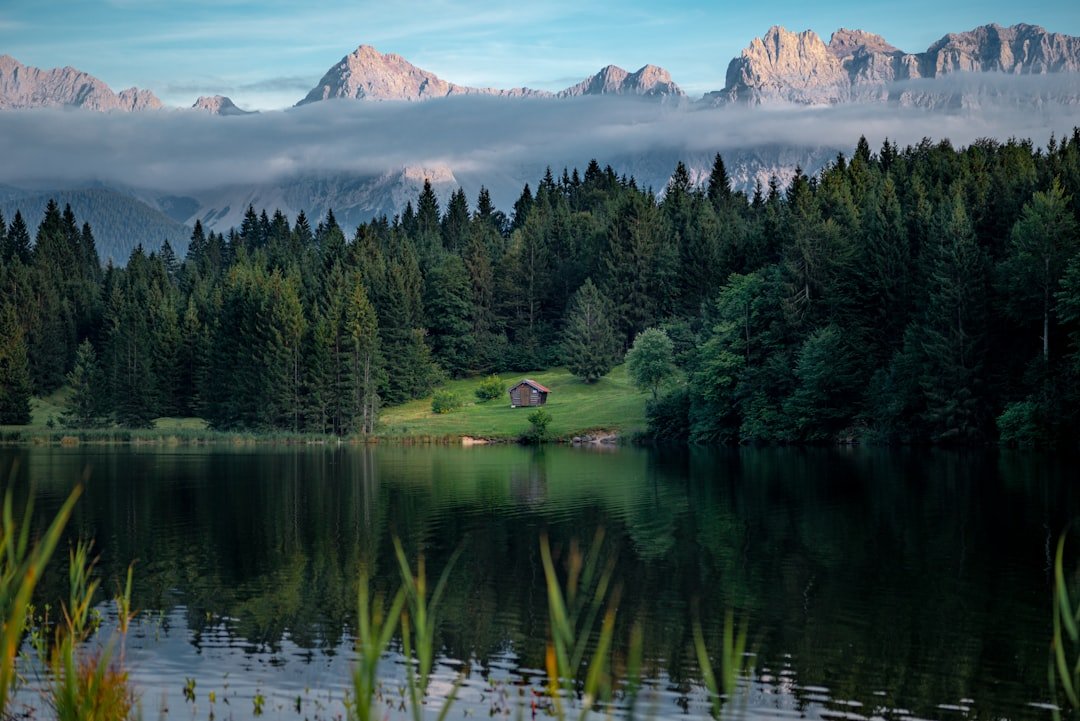
Germany’s lakes offer a surprising range of landscapes: mirror-still alpine basins, broad lowland waters fringed by reed beds, and expansive, multi-national lakes with shoreline towns and ferry routes. Whether you’re seeking a serene spot for reflection beneath jagged peaks or a lively waterfront with cycling routes and farmers’ markets, the country’s lakes deliver both scenery and culture. This guide highlights the most beautiful lakes across Germany, from deep glacial basins in Bavaria to the marshy grandeur of Mecklenburg’s lake district and the international shores of the Bodensee. Practical tips, local experiences and seasonal advice will help you plan visits that match your pace—active, culinary, or contemplative.
Must-See Attractions
Each lake is paired with surrounding sights that reveal why these waters are celebrated.
-
Königssee (Berchtesgaden, Bavaria): Nestled under steep rock walls, Königssee’s emerald surface reflects the Watzmann massif. The electric boat ride to St. Bartholomä chapel is iconic; hikers can also reach viewpoints like the Jennerbahn for sweeping panoramas.
-
Bodensee / Lake Constance: One of Europe’s largest lakes, shared by Germany, Austria and Switzerland. Key attractions include the flower island Mainau, the medieval town of Meersburg, and lighthouse-dotted ferries that connect historic harbors and vineyards along the German shore.
-
Eibsee (near Garmisch-Partenkirchen): A glacially-formed lake at the foot of Zugspitze with startlingly clear turquoise water. Walking trails around Eibsee reveal small bays and rocky promontories; the Zugspitze cable car offers high-altitude views over the lake.
-
Chiemsee: Bavaria’s largest lake, often called the “Bavarian Sea.” The islands are the draw: Herrenchiemsee Palace—King Ludwig II’s unfinished Versailles replica—and the quieter Frauenchiemsee with its convent and village charm.
-
Tegernsee and Schliersee: Popular with Munich residents, these alpine lakes combine easy access, spa towns, and mountain trails. Tegernsee town features lakeside promenades and historic beer gardens that feel distinctly Bavarian.
-
Müritz (Mecklenburg Lake District): The centerpiece of Müritz National Park, this shallow, expansive lake is the heart of Germany’s largest contiguous lake landscape. Look for white-tailed eagles and traditional timber-frame villages along the water.
-
Walchensee and Kochelsee: Adjacent high-Alpine lakes west of Munich, Walchensee is famed for its striking deep-blue color and wind conditions favored by sailors and windsurfers; Kochelsee offers calmer shores and access to the Franz Marc Museum.
-
Starnberger See: A favorite retreat for Bavarian aristocracy and Munich day-trippers. The long lakeside promenade, historic villas and boat services make it easy to explore, and the lake is associated with several cultural and historical sites.
Local Experiences
Connect with local life around Germany’s lakes through food, markets, viewpoints and seasonal activities.
-
Waterside dining and regional cuisine: Try Bavarian classics—white sausage, pretzels and fresh fish—from lakeside Wirtshäuser around Tegernsee or Chiemsee. On Bodensee shores, sample freshwater fish like lake trout and local wines from adjacent vineyards.
-
Markets and harbors: Morning markets in towns like Meersburg and Lindau on the Bodensee sell local cheese, smoked fish and apple products. In the Mecklenburg Lake District, small harbors host weekly markets and boat festivals in summer.
-
Viewpoints and short hikes: Ride the Jenner or the Herzogstandbahn for panoramic views above Königssee and Walchensee respectively. Eibsee’s circular trail takes under two hours and offers multiple photo-worthy outlooks without technical hiking.
-
Neighborhoods and lakeside towns: Explore the historic center of Meersburg with its hilltop castle and cobbled lanes; stroll the promenades of Tegernsee town; or wander the monastic alleys of Frauenchiemsee for a quieter pace.
-
Festivals and cultural events: Attend Bodensee’s island festivals and open-air concerts in summer, or join local sailing regattas and fishing competitions that animate the shores. Winter sees some lakes framed by festive Advent markets in lakeside towns.
-
Outdoor activities: From stand-up paddleboarding and windsurfing on Walchensee and Bodensee to cycling routes that circumnavigate Chiemsee and Lake Constance, there’s an activity to match fitness levels. Birdwatching and canoeing are highlights in Müritz National Park.
Best Time to Visit
Timing depends on the experience you want. Weather, crowds and activities vary across seasons.
-
Late spring to early autumn (May–September): Best overall for pleasant weather, open mountain lifts and most boat services. June to August bring warm water for swimming, lively festivals, and crowded popular lakes like Königssee and Bodensee.
-
Shoulder seasons (April–May, September–October): Ideal for fewer crowds, lower prices and crisp hiking days. Alpine lakes can still be cool; some services may reduce schedules outside peak months.
-
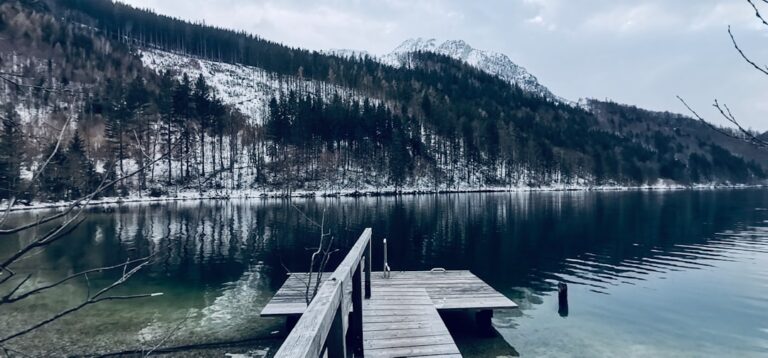
Winter (November–March): Quiet and atmospheric—perfect for snow-covered alpine views and thermal spas. Some lakes partially freeze in colder winters, but many ferries and seasonal restaurants close; ski areas open near the mountain lakes.
-
Best months by interest: Swimming and watersports: July–August. Hiking and photography: June–September. Birdwatching and migration: April–May and September–October.
Essential Travel Tips
Practical advice to make visits smooth and safe.
-
Getting there and around: Major lakes are well connected by train and regional buses. Bodensee towns link via ferries; purchase combined transport tickets for convenience. Renting a bike is ideal for lakes with dedicated cycling paths, like Chiemsee and the Bodensee circumference.
-
Money and payments: Germany uses the euro. Credit cards are accepted in tourist areas, but small vendors, rural guesthouses and some ferries prefer cash—carry some euros for markets and small boats.
-
Safety and water rules: Observe posted swimming areas—some lakes have steep drop-offs or boat traffic. Wear life jackets for small craft; conditions can change quickly on alpine lakes when winds pick up.
-
Packing essentials: Layered clothing for alpine turns, sturdy walking shoes for trails, sun protection for open lakeshores, and a lightweight rain jacket. If you plan boating, pack water-resistant footwear and a dry bag for electronics.
-
Local etiquette: Keep noise levels down in quiet villages and naturreservate. Many lakeside towns observe conservative opening hours for shops and restaurants—check seasonal schedules. Respect protected areas in national parks by sticking to marked paths.
-
Booking and crowds: Popular lakes near Munich and Salzburg attract day-trippers—book accommodation well in advance for summer weekends. Off-season offers calmer visits and more flexible bookings.
Frequently Asked Questions
Which lake in Germany has the clearest water?
Eibsee is often noted for exceptionally clear, turquoise water due to its glacial origins and rocky basin. Walchensee and portions of Königssee are also renowned for striking clarity.
Can you swim in all these lakes?
Most lakes are safe for swimming during the warmer months, with designated bathing areas. Always follow local signage and lifeguard instructions where present, and avoid swimming near busy ferry routes.
Are boats and ferries commonly available?
Yes—Bodensee and Chiemsee have regular ferry networks connecting towns and islands. Smaller lakes may offer seasonal boat services or private rentals. Check timetables in advance, especially outside peak season.
Which lake is best for families with children?
Chiemsee and Tegernsee are family-friendly, with shallow bays, easy promenades and nearby attractions like playgrounds and boat rides. Bodensee also has many family-oriented attractions, including the Mainau island gardens.
How do I choose between alpine lakes and the lake districts?
Choose alpine lakes (Königssee, Eibsee, Walchensee) for dramatic mountain scenery and outdoor sports. Opt for the Mecklenburg Lake District (Müritz) or Bodensee for broad waterways, birdlife, cycling and cultural towns. Travel time and desired activities should guide your choice.
Conclusion
Germany’s lakes present a spectrum of experiences—from the cathedral-like stillness of Königssee beneath towering limestone walls to the international bustle and horticultural splendor of the Bodensee. Alpine lakes reward hikers, photographers and watersport enthusiasts, while the lake districts of Mecklenburg and Bavaria offer wildlife, cycling and quiet rural charm. With seasonal rhythms that shape access, crowd levels and activities, planning around your priorities—swimming, hiking, birdwatching or cultural sightseeing—ensures a memorable visit. Respect local rules, try regional specialties, and leave time for unhurried moments by the water; the most enduring memories often come from simply watching light play across a calm lake surface.
Inspired? Start planning your trip.
Move from inspiration to planning with BookingTabs — explore hotels, tours and travel options in one place.
Join the conversation
Ask a question, share a travel tip, or help another traveler plan with confidence.
Leave a comment
No account or email required.