
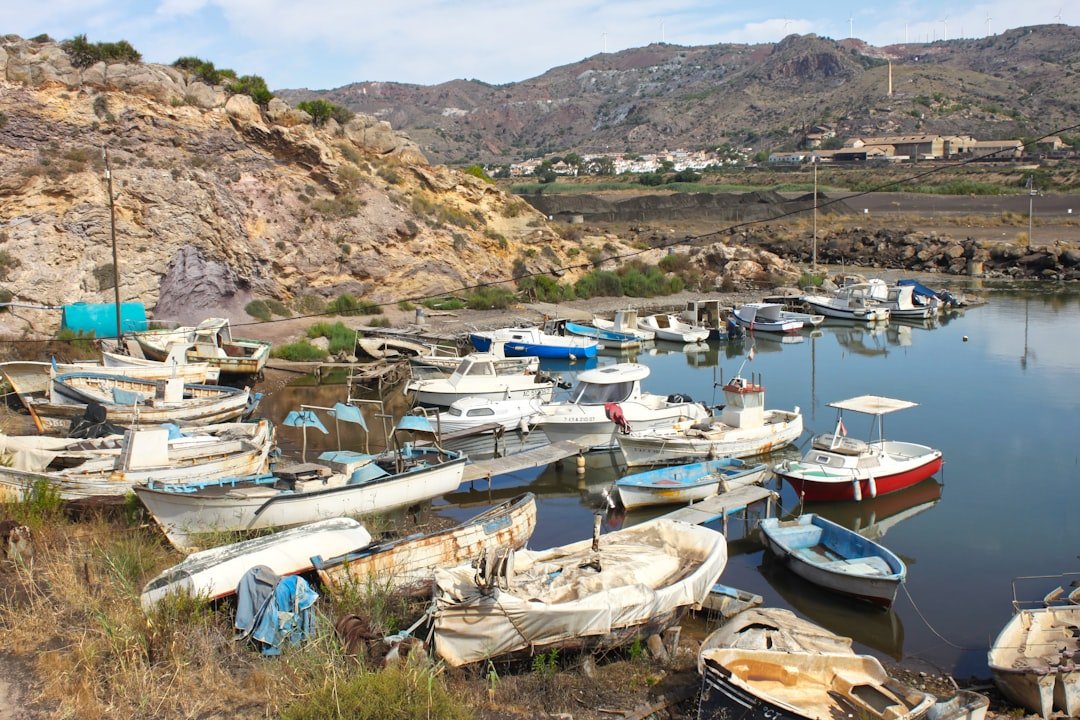
Coastal Charms: Spain’s Most Beautiful Seaside Villages
Spain’s coastline is a mosaic of landscapes and cultures, from the windswept cliffs of the north to the sun-drenched coves of the Mediterranean and the calm turquoise bays of the Balearics. Beyond the better-known resort towns lie smaller villages where fishing traditions, whitewashed houses and narrow lanes have survived the tourist tide. In these places you’ll find dramatic sea views, intimate beaches, regional cuisine and architecture that reads like a living history. This guide profiles seven of Spain’s most beautiful coastal villages—Cadaqués, Cudillero, Frigiliana, Getaria, Binibeca Vell, Altea and Tamariu—highlighting what to see, authentic local experiences and practical advice to plan a meaningful visit.
Must-See Attractions
Each village has focal points that reveal its character and history.
-
Cadaqués (Catalonia) — Stroll the labyrinthine streets that curl toward the harbor and visit the rocky coves that inspired Salvador Dalí. The Church of Santa María overlooks the town and frames panoramic views of Portlligat and the Cap de Creus headland.
-
Cudillero (Asturias) — The amphitheater of colorful fishermen’s houses clinging to steep slopes is the visual signature. Walk down to the compact fishing port and the small plazas surrounding the harbor for classic Asturian coastal scenery.
-
Frigiliana (Andalusia) — Although set a short distance from the sea on a hillside above Nerja, Frigiliana’s Moorish-quarter lanes, whitewashed facades and tiled courtyards are a must-see for those exploring the Costa del Sol’s cultural hinterland.
-
Getaria (Basque Country) — A working fishing port famous for grilled fish and txakoli wine, with the rugged Monte San Antón (also called Ratón de Getaria) rising from the sea. The early-20th-century streets around the church and harbor are especially atmospheric.
-
Binibeca Vell (Menorca) — A 1960s-constructed village inspired by traditional Minorcan architecture: narrow alleys, cubic white houses and shaded courtyards arranged around a simple harbor and sandy coves.
-
Altea (Alicante) — Known for its whitewashed old town and the blue-domed Iglesia Nuestra Señora del Consuelo, Altea’s promenade and pebble beaches are framed by artists’ workshops and a lively marina.
-
Tamariu (Costa Brava) — A small bay with a sandy beach backed by pine trees, plus access to dramatic coves and coastal paths of the GR92 that reveal the craggy Costa Brava coastline.
Local Experiences
To appreciate these villages fully, focus on sensory, community-driven moments.
-
Seafood and regional cuisine — In Getaria, try espetada-style grilled fish and txakoli; in Cudillero, sample cider-accompanied seafood stews; along the Mediterranean villages, savor fresh sardines, arroz a banda and fideuà at small family-run restaurants.
-
Markets and food stalls — Coastal towns often host weekly markets selling fresh fish, local cheeses and seasonal produce. Visiting a morning market is the best way to see the local rhythm and pick up picnic supplies for a cove day.
-
Viewpoints and strolls — The church terraces in Cadaqués and Altea give sweeping sea vistas; the Mirador de la Garita in Cudillero frames the harbor; the coastal path from Tamariu to Aiguablava offers cliff-top panoramas.
-
Neighborhoods and crafts — Explore artisan shops in Altea’s old town, and in Cadaqués look for galleries that celebrate Dalí-era modernism. Binibeca Vell’s alleys are perfect for slow wandering and photography.
-
Festivals and traditions — Coastal towns mark the sea in their calendars: patron-saint fiestas, boat blessings and seafood celebrations are common in summer—check local municipal websites for dates.
-
Outdoor activities — Snorkeling, kayaking and boat trips are accessible from Tamariu and Binibeca; hiking sections of the GR92 or exploring Cap de Creus near Cadaqués rewards walkers with secluded bays and dramatic geology.
Best Time to Visit
Timing a trip depends on climate preferences and tolerance for crowds.
- Spring (April–June) — Often the best balance: mild temperatures, blooming landscapes and fewer tourists. Sea temperatures begin to warm, and village life is lively without peak-season congestion.
- Summer (July–August) — Warmest months with the most festivals and full ferry/boat services; beaches and village promenades are busiest. If you favor beach time and nightlife, this is ideal—book accommodations well in advance.
- Autumn (September–October) — Sea remains warm into September; crowds thin and harvest-season flavors (seafood and regional wines) become prominent. Early October often offers pleasant weather and lower prices.
- Winter (November–March) — Mild winters in the Mediterranean villages (Altea, Binibeca) allow off-season visits with quieter streets and lower rates. Northern villages (Getaria, Cudillero) are much cooler and wetter but rewarding for storm-watching and authentic local life.
Overall, May–June and September offer the best combination of weather and smaller crowds for most of these villages.
Essential Travel Tips
Practical advice to make your coastal village visits smoother and more enjoyable.
- Getting there — Many villages are best reached by car for flexibility, especially for hopping between coves and inland viewpoints. Trains and regional buses serve larger hubs—use them to reach towns like Figueres for Cadaqués (then a short bus), or San Sebastián for Getaria. In Menorca, Binibeca is accessible by local buses from Mahón.
- Money and payments — Carry some cash for small eateries, market stalls and parking meters; most restaurants accept cards but small vendors may not. ATMs are available in larger towns but less common in tiny villages.
- Safety — These are generally safe destinations; criminal risk is low. For coastal activities, check local weather and tides and use marked swimming areas. Observe signs about sea currents and rock diving risks.
- Packing — Bring comfortable walking shoes for cobbled lanes and cliff paths, a light windproof layer for breezy headlands, reef shoes for rocky entries, and sunscreen. If visiting northern villages in shoulder seasons, pack a waterproof jacket.
- Local etiquette — Respect quiet hours—many villages keep late afternoons and early evenings relaxed. When entering churches or small community spaces, dress modestly. Learning a few Spanish phrases—or Basque in the north—goes a long way with locals.
- Accommodation — Book early for summer. Consider family-run guesthouses or small pensions to experience local hospitality; many villages have limited rooms and fill up quickly on festival weekends.
Frequently Asked Questions
What is the best way to travel between Spain’s coastal villages?
The most flexible option is a rental car, which allows access to remote coves and scenic roads. Trains and regional buses connect larger towns; local buses or ferries serve many coastal villages but schedules can be infrequent outside summer.
Are these villages suitable for families with children?
Yes. Many have calm beaches, shallow coves and family-friendly restaurants. Choose villages with sandy beaches (Tamariu, parts of Binibeca) for easier swimming and kid-friendly facilities.
Can I visit these villages in a single trip to Spain?
You can include a selection within a single trip, but they are spread across different regions. Combining two or three that are geographically close—such as Tamariu and Cadaqués on the Costa Brava, or Altea and Binibeca with some island transfers—makes for a more relaxed itinerary.
How do I find authentic dining options rather than tourist traps?
Look for places busy with locals, check menus for regional specialties, and avoid restaurants directly on the main harbor promenade if they seem geared only toward tourists. Market stalls and sidestreet taverns often offer fresher, more authentic options.
Are English speakers common in these villages?
In popular tourist spots like Cadaqués and Altea, many service workers speak English. In smaller or more traditional fishing villages, knowledge of English is more limited—basic Spanish phrases help. In parts of the north, Basque or Asturian expressions may also be heard.
Conclusion
Spain’s coastal villages offer a quieter, more authentic counterpoint to its big cities and crowded resorts. From Cadaqués’ artistic coves to Cudillero’s colorful amphitheater and Binibeca Vell’s picture-book alleys, each village delivers a distinct sense of place shaped by landscape, sea and local culture. Prioritize slower travel: wander without a strict schedule, eat where locals do, and follow coastal paths to discover hidden bays. With good timing and a bit of planning, these seaside hamlets reveal why Spain’s coastline continues to enchant travelers seeking beauty beyond the postcard.
Inspired? Start planning your trip.
Move from inspiration to planning with BookingTabs — explore hotels, tours and travel options in one place.



Join the conversation
Ask a question, share a travel tip, or help another traveler plan with confidence.
Leave a comment
No account or email required.