
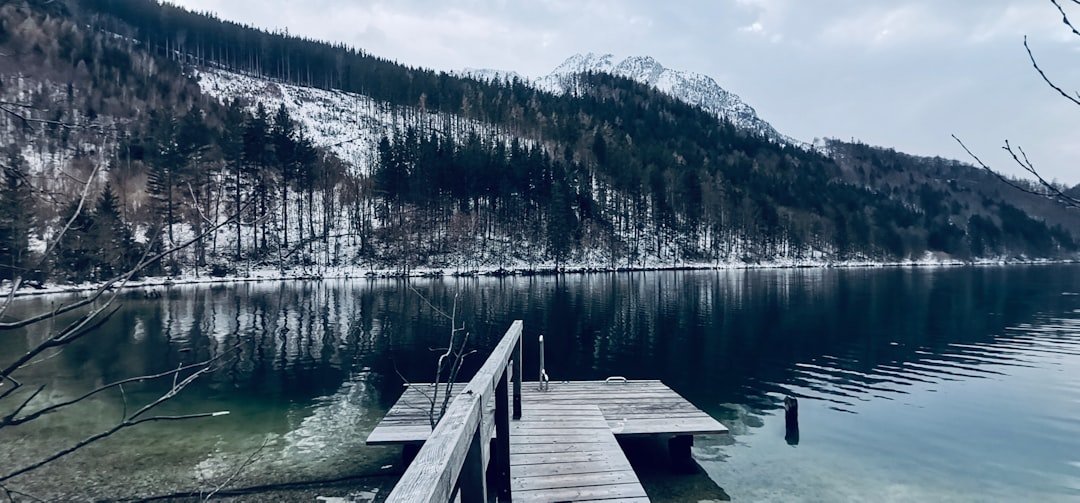
Mirror Waters and Mountain Rims: Austria’s Most Beautiful Alpine Lakes
Austria’s alpine lakes are a study in contrasts: glassy turquoise basins that reflect serrated mountain ridges, quiet villages with centuries-old wooden façades, and high passes that funnel cool air into fjord-like valleys. From the iconic postcard views of Hallstätter See to the wind-sculpted sailing waters of the Salzkammergut, these lakes define much of Austria’s landscape and culture. Many are easy day trips from Salzburg, Innsbruck or Vienna; others sit tucked into less-traveled corners of Tyrol and Carinthia where silence is the reward. Whether you want to paddle, hike to panoramic viewpoints, taste fresh-caught fish at a lakeside inn or skate on a frozen surface in winter, Austria’s alpine lakes offer seasonal variety and unmistakable scenery. This guide highlights the most beautiful lakes, practical advice and local experiences that make each destination memorable.
Must-See Attractions
Austria’s lake region is dispersed across several federal states, each with signature sights that draw visitors year-round.
-
Hallstätter See (Hallstatt): The village of Hallstatt clings to steep slopes above this slender lake. Walk the lakeside promenade, visit the historic cemetery with its bone house (Beinhaus), and take the funicular up to the Hallstatt Skywalk for sweeping views of the water and Dachstein massif.
-
Wolfgangsee and St. Wolfgang: Scenic towns like St. Wolfgang and Strobl line the lake. Ride the vintage SchafbergBahn cog railway for panoramic ridgelines that drop to the lake, or take a classic steamer cruise to appreciate the surrounding pine-clad slopes.
-
Achensee: Known as Tyrol’s lake, Achensee sits beneath the Karwendel Alps. Its clear, deep waters are framed by steep limestone peaks. The Achensee steam boat and lakeside trails are highlights; the region is also a favorite for wind sports.
-
Attersee and Mondsee: Part of the Salzkammergut lake district, Attersee is popular with sailors and divers; Mondsee is famed for its picturesque town and the 15th-century basilica used in the film “The Sound of Music.” Both lakes have distinct blue-green hues and accessible visitor infrastructure.
-
Zeller See (Zell am See): Nestled at the foot of the Hohe Tauern, Lake Zell offers dramatic alpine reflections and easy access to the glacier-fed peaks. The lakeside promenade and boat tours are ideal for a relaxed day with mountain panoramas.
-
Altausseer See and the Loser: Smaller and quieter, Altausseersee’s dark, clear water and surrounding forest make it a contemplative spot. Hike or drive up the Loser plateau for a higher perspective over the lake and salt-mining landscape.
-
Weissensee: In Carinthia, Weissensee is prized for its clarity and protected status. In winter it becomes a natural ice rink with long-distance skating traditions; in summer it’s a haven for swimming and e-biking.
-
Traunsee and Schloss Orth: Traunsee’s dramatic cliffs meet urban attractions in Gmunden. The 10th-century Schloss Orth sits on a small island and is an evocative focal point for lakeside walks and photography.
Local Experiences
Connecting with local life around Austria’s alpine lakes enriches a visit in ways a postcard can’t convey.
-
Sample regional cuisine: Lakeside inns serve fresh-caught trout and char; try pan-fried trout (Forelle Müllerin Art) accompanied by roasted potatoes or buttered parsley spaetzle. In the Salzkammergut look for Kasnocken—cheese dumplings—alongside regional breads and cured meats.
-
Markets and small-town charm: Weekly farmers’ markets in towns like Gmunden or St. Wolfgang offer seasonal produce, cheese and handcrafts. Advent and summer festivals bring musical programs, artisan stalls and culinary specialties.
-
Viewpoints and photography: For classic vistas, the Dachstein Skywalk and the Schafberg summit provide unrivaled vantage points. Early morning and late afternoon light give the lakes their richest colors; misty mornings on Hallstätter See are especially photogenic.
-
Active pursuits: Hire kayaks or stand-up paddleboards on Achensee, book a sailing lesson on Attersee, or cycle the lakeside paths. Many resorts offer guided e-bike routes that make ridge climbs accessible to casual riders.
-
Local festivals and culture: Summer chamber-music series and folk music evenings are common. In smaller towns, look for traditional costume parades and brass-band concerts, which connect music to place and season.
-
Wellness and thermal options: After a day on the water, relax in spa facilities found in towns like Bad Ischl (near Attersee) or hotels with thermal treatments—perfect for sore muscles after hiking.
Best Time to Visit
Timing your trip to Austria’s alpine lakes depends on the activities you crave.
-
Late spring (May–June): Wildflowers and clear water; trails open and crowds still light. Water remains cool for swimming but is beautiful for paddling and photography.
-
Summer (July–August): Warmest weather and longest days—ideal for swimming, boating and festivals. Popular lakes like Hallstatt and Wolfgangsee can become crowded, so arrive early or explore lesser-known shores.
-
Early autumn (September–October): Crisp air and autumn foliage create stunning color contrasts. Shoulder-season rates, fewer tourists and good hiking conditions make this a privileged time.
-
Winter (December–February): High-altitude lakes near ski resorts offer snowy panoramas; Weissensee’s natural ice events are unique. Some ferries and mountain routes close in deep winter—check local schedules.
Overall, May–June and September are the best months to balance weather and crowd levels for most lakes, while specific winter activities can make the colder months equally rewarding.
Essential Travel Tips
Practical advice to make your alpine-lake trip smoother and safer.
-
Getting around: Trains and regional buses connect many lake towns—Salzburg and Innsbruck are good base cities. For greater flexibility, rent a car to reach remote lakes and mountain passes; winter driving requires snow tires and sometimes chains.
-
Money and bookings: Credit cards are widely accepted, but carry some cash for markets and small restaurants. Popular lakeside hotels and boat tours book out in high season—reserve early.
-
Safety on the water: Lakes can be deceptively cold and changeable. Wear a life jacket for boating; swimmers should avoid sudden deep sections and be mindful of boat traffic.
-
Packing essentials: Layered clothing for variable alpine weather, waterproof jacket, sturdy walking shoes, sunscreen and sunglasses for high-altitude glare. If visiting in shoulder seasons, include warmer layers for chilly evenings.
-
Local etiquette: Austrians value quiet and order—keep noise levels moderate in villages, especially near churches and early-morning markets. Respect private property along lakeshores; many walking paths pass through private land that is open to the public but should be treated with care.
-
Environmental care: Many lakes sit in protected zones—follow Leave No Trace principles, dispose of waste properly, and avoid polluting the water with soaps or detergents.
Frequently Asked Questions
Which Austrian lake is most famous for postcard scenery?
Hallstätter See is the most widely recognized thanks to the steeply stacked village of Hallstatt and the dramatic Dachstein backdrop, making it a frequent image of Austria in travel media.
Can you swim in alpine lakes in Austria?
Yes—many lakes are excellent for swimming in summer, but water temperatures remain cool even on warm days. Popular swim spots include Achensee, Attersee and Zeller See; lifeguard coverage varies, so swim with caution.
Are there boat tours on these lakes?
Most major lakes offer boat services—from historic steamers on Wolfgangsee and Achensee to regular ferries on Hallstätter See and tour boats on Lake Zeller. Seasonal schedules apply, so check timetables in advance.
Which lake is best for winter activities?
Weissensee is famous for ice skating when conditions permit, while Zeller See and lakes near ski resorts offer picturesque winter walks and easy access to alpine skiing. Always verify ice safety and local event status before planning winter outings.
How do I avoid crowds at the popular lakes?
Visit early in the morning or late afternoon, explore less-populated shores and neighboring lakes, or travel in shoulder seasons (May–June, September) when tourist numbers are lower. Booking accommodations outside the main village can also provide quieter stays.
Conclusion
Austria’s alpine lakes are more than scenic backdrops; they are living landscapes shaped by geology, culture and centuries of human settlement. From the dramatic cliffs and historic salt towns around Hallstätter See to the broad, wind-swept waters of Attersee and the tranquil clarity of Weissensee, each lake offers its own temperament and set of experiences. Whether you want active days on the water, panoramic hikes above mirror-smooth surfaces, or slow evenings sampling regional food in a lakeside inn, the variety and accessibility of Austria’s lakes make them a compelling reason to return season after season. Plan according to your interests and the season, respect local rules and rhythms, and you’ll leave with memories as clear as the alpine waters themselves.
Inspired? Start planning your trip.
Move from inspiration to planning with BookingTabs — explore hotels, tours and travel options in one place.
Join the conversation
Ask a question, share a travel tip, or help another traveler plan with confidence.
Leave a comment
No account or email required.