
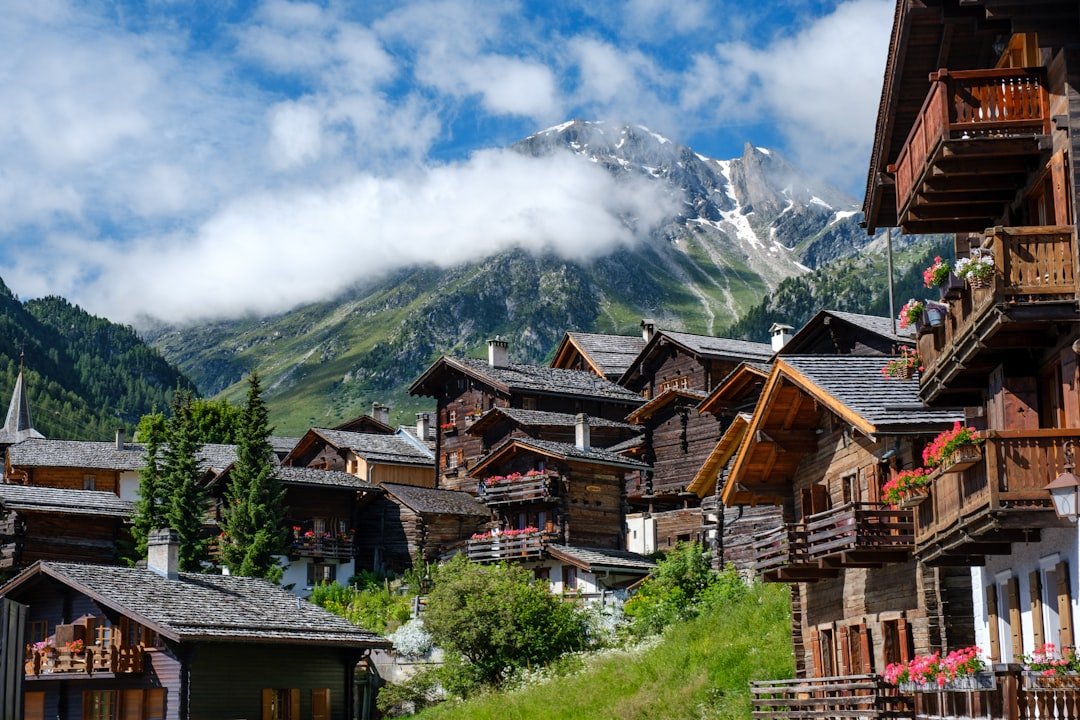
Alpine Gems: The Best Mountain Towns to Visit in Switzerland
Switzerland’s mountain towns condense the country’s greatest draws into compact, walkable centers framed by glaciers, jagged peaks and crystal-clear valleys. These villages and small towns mix centuries-old wooden chalets and alpine traditions with modern lifts, gourmet restaurants and efficient public transport. Whether you arrive by scenic rail, car or cable car, you’ll find dramatic summits like the Matterhorn and Jungfrau within easy reach, plus well-marked trails, mountain huts and winter sports. This guide visits a selection of the most rewarding mountain towns—each chosen for scenery, access to iconic peaks and authentic local life—so you can plan days of hiking, riding, dining and simply soaking up the high-Alpine atmosphere.
Must-See Attractions
Zermatt: The Matterhorn dominates Zermatt’s skyline. Ride the Gornergrat Railway for sweeping views of the Matterhorn and surrounding glaciers, or take the Sunnegga funicular for family-friendly trails and alpine flower meadows. The old village offers car-free streets, ornate wooden houses and the Matterhorn Museum—Zermatt’s mountaineering history is on display.
Grindelwald: The Eiger North Face is the defining presence. Take the cable car to First for the Cliff Walk, mountain carts and glacier hikes. The Jungfraujoch “Top of Europe” train climbs from nearby Kleine Scheidegg—an engineering marvel and one of Switzerland’s most famous train journeys.
Lauterbrunnen and Wengen: Lauterbrunnen Valley’s 72 waterfalls and steep cliffs create a dramatic setting. From Lauterbrunnen, the cogwheel train climbs to Wengen, a car-free village with classic promenade views. Visit Trümmelbach Falls—hidden within the mountain and fed by glacial melt.
St. Moritz: Synonymous with luxury alpine sport, St. Moritz pairs frozen-lake winter events with summer hiking on Engadine plateaus. Take the Corviglia lift for panoramic trails or ride the Bernina Express nearby for one of the world’s most scenic rail routes.
Verbier and the Four Valleys: A magnet for skiers and off-piste enthusiasts, Verbier also offers summer via ferrata routes and high-altitude hiking. The town’s terraces and après-ski scene make it lively after a day on the slopes.
Davos and Klosters: Davos hosts the World Economic Forum but is, at heart, a high-altitude outdoor hub with expansive cross-country trails and downhill areas. Nearby Klosters maintains a calmer, traditional Swiss mountain charm frequented by hikers in summer and skiers in winter.
Mürren: Perched above Lauterbrunnen and accessed by cable car, Mürren is a car-free, cliff-side village with direct views of the Eiger, Mönch and Jungfrau. It’s a peaceful base for alpine walking and access to the Schilthorn and its revolving restaurant.
Local Experiences
Food and Markets: In mountain towns, food reflects alpine terroir. Share raclette or cheese fondue at a chalet-style restaurant, taste local hard cheeses like Appenzeller or Sbrinz, and sample Engadine nut tart in the canton of Graubünden. Weekly markets—such as the seasonal markets in St. Moritz or local producers’ stands in valley towns—are ideal for regional specialties and charcuterie.
Viewpoints and Neighborhoods: Ride early to Gornergrat, Schilthorn, or Piz Nair for sunrise vistas that thin the crowds. Wander the cobbled streets of central Zermatt, explore Grindelwald’s Bahnhofstrasse, and stroll Wengen’s flower-lined lanes. Small hamlets above the main towns often reward with quieter perspectives and traditional architecture.
Outdoor Activities: Summer brings extensive hiking networks—from gentle valley walks to high-alpine routes with mountain huts for overnight stays. Via ferrata and climbing routes suit adventurous visitors; glacier walking and guided ice tours are offered around Zermatt and the Jungfrau region. Winter offers world-class skiing and cross-country networks. Toboggan runs, snowshoe trails and paragliding are great alternatives to downhill skiing.
Festivals and Culture: Alpine towns keep traditional festivals—Alpine cattle transhumance (Desalpe) where cows are paraded down to villages each autumn, village music festivals and winter carnival events. Check local tourism calendars for regional music, folklore and sports events that reveal authentic local life.
Best Time to Visit
Spring (April–June): Lower valleys awaken with flower-filled meadows and fewer tourists; higher trails may still have snow early in the season. Spring is ideal for quieter sightseeing and hotel deals, but check lift opening dates for high-altitude access.
Summer (July–September): Prime months for hiking, climbing and alpine lakes. Most lifts, mountain huts and trails are fully operational. Expect warmer days, cool nights and larger crowds at popular viewpoints—midweek travel reduces congestion.
Autumn (October–November): Crisp air and autumnal colors make valley walks rewarding; many towns are tranquil after the summer rush. Some higher passes and lifts begin seasonal closures, but early autumn offers clear weather and dramatic light for photography.
Winter (December–March): Peak season for skiing and snow sports. Towns like St. Moritz, Verbier, and Zermatt buzz with activity, while quieter resorts offer cross-country tracks and family-friendly slopes. Book accommodations and lift passes in advance for holiday periods and major events.
Essential Travel Tips
- Transportation: Swiss trains and regional post buses connect most mountain towns reliably. Purchase a Swiss Travel Pass if you plan extensive rail travel—many mountain railways offer discounts but check pass validity for private lines like the Gornergrat Railway.
- Money and Costs: Switzerland is expensive. Carry a credit card widely accepted in towns, but keep some cash (Swiss francs) for small shops, mountain huts or markets. Prices for meals and lifts are higher in remote towns—budget accordingly.
- Safety: Mountain weather changes rapidly—check local forecasts and trail conditions before hiking. Hire guides for glacier travel or technical climbs. In winter, heed avalanche warnings and stay on marked pistes unless with a certified guide.
- Packing: Layered clothing, sturdy hiking boots, a waterproof shell and sun protection are essentials year-round. In winter, pack warm gloves, thermal layers and sunglasses for glare off snow. Daypacks with water and basic first-aid items are useful.
- Local Etiquette: Respect quiet hours in villages, especially in car-free towns. Tipping is modest—round up or add 5–10% in restaurants. Learn a few German, French or Romansh phrases depending on the canton; locals appreciate the effort.
Frequently Asked Questions
Which mountain town is best for first-time visitors?
Zermatt and Interlaken (as a gateway to Lauterbrunnen and Grindelwald) are excellent choices: they offer iconic views, straightforward access by train and a broad range of activities for different fitness levels.
Are these towns suitable for families with children?
Yes—many mountain towns cater to families. Look for family-friendly lifts, gentle hiking routes, toboggan runs and attractions such as the First Flyer in Grindelwald or the summer sledge in Zermatt’s Sunnegga area.
How do I get between mountain towns?
Switzerland’s rail network links most mountain towns, often with scenic connecting services (cogwheel trains, cable cars). Use the SBB website or app for schedules and connections; regional passes can simplify travel on local lines.
Do I need special gear for summer hikes?
For day hikes, bring sturdy shoes, layers, water and navigation (map or app). For high-alpine or glacier routes, hire a guide and use crampons, ropes and other glacier equipment; many local companies provide guided tours with gear rental.
Can I visit multiple mountain towns in one trip?
Yes—Switzerland’s compact size and efficient public transport make multi-town itineraries practical. Plan realistic travel times between towns and prioritize key experiences to avoid rushed days.
Conclusion
Switzerland’s mountain towns offer a concentrated experience of the country’s natural extremes and cultural rhythms—towering summits, glacier-fed waters and villages whose rhythms are set by the seasons and the lifts. Whether you’re seeking adrenaline on steep pistes, easy family walks through flowered valleys, or slow afternoons sampling local cheeses and watching alpine light shift, there’s a town that fits the mood. Use rail and cable-car connections to build an itinerary that balances iconic viewpoints with quieter corners, and allow time to linger: the easiest discovery in the Alps is that the best memories come from unhurried moments on a sunlit terrace, a high trail or a quiet village lane.
Inspired? Start planning your trip.
Move from inspiration to planning with BookingTabs — explore hotels, tours and travel options in one place.
Join the conversation
Ask a question, share a travel tip, or help another traveler plan with confidence.
Leave a comment
No account or email required.