
Lakeside Journeys: Exploring Austria’s Most Beautiful Alpine Lakes and Towns
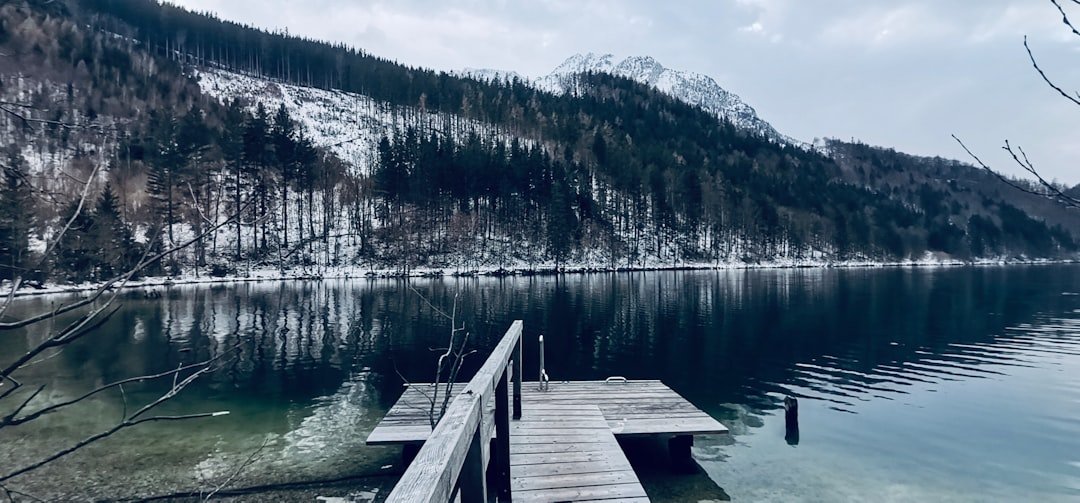
Austria’s alpine landscape is defined as much by its crystalline lakes as by its mountains. From the fairy-tale village of Hallstatt mirrored in a placid lake to the lively boating scene on Lake Wörthersee, each basin and shoreline carries a distinct personality. Travelers who follow the water’s edge will find picture-postcard villages, thermal spa towns, winding hiking trails, and centuries-old traditions still alive in markets and festivals. Whether you’re seeking brisk swims in Achensee, lakeside promenades in Zell am See, or a quieter encounter with nature at Millstätter See, Austria’s waters reveal different moods through the seasons. This guide highlights the most photogenic lakes and the alpine towns that anchor them, with practical advice to plan an immersive trip off the beaten track.
Must-See Attractions
Hallstatt and Hallstätter See: Hallstatt is one of Austria’s most photographed villages, clinging to steep slopes above Hallstätter See. Wander the market square, visit the Beinhaus (bone house) in the parish church, and take the funicular up to the Skywalk for sweeping views.
Wolfgangsee and St. Wolfgang: Wolfgangsee’s clear waters and the pilgrimage town of St. Wolfgang make this region ideal for boat cruises and lakeside dining. The white-walled Pilgrimage Church of St. Wolfgang and the nearby Schafberg Railway—Austria’s cog railway—offer panoramic vantage points.
Wörthersee and Velden: In Carinthia, Wörthersee is famed for its turquoise waters and mild climate. Velden am Wörthersee combines Belle Époque architecture with café culture and lakeside promenades popular in summer.
Achensee and Pertisau: Achensee, sometimes called the “Tyrolean Sea,” sits beneath steep Karwendel mountains. The lakeside village of Pertisau is a gateway for sailing, stand-up paddleboarding, and alpine hiking.
Zell am See and Lake Zell: Framed by snow-capped peaks, Zell am See is the classic alpine-lakes town where visitors can cycle or walk the Seepromenade, ride the nearby Schmittenhöhe cable car, and combine lake time with glacier excursions on the Kitzsteinhorn.
Traunsee and Gmunden: Traunsee’s deep waters are bordered by the porcelain town of Gmunden and the castle-like Schloss Ort, perched on a small island. The town’s ceramic tradition and lakeside esplanade are highlights.
Millstätter See: Less crowded than some better-known lakes, Millstätter See in Carinthia offers swimming, sailing, and a peaceful shoreline backed by cliffs and alpine pastures—perfect for families and hikers.
Bad Ischl: While not a lakeshore town, Bad Ischl serves as a cultural hub for the Salzkammergut lake region. This spa town and former imperial summer retreat is a useful base for day trips to nearby lakes.
Local Experiences
Food and regional cuisine: Sample hearty alpine specialities—Kaiserschmarrn for dessert, schnitzel in traditional Gasthäuser, and freshwater fish such as char and trout at lakeside restaurants. In Carinthia you’ll find influences from neighboring Italy and Slovenia in the use of herbs and lighter preparations.
Markets and local producers: Visit weekly markets in towns like Gmunden, St. Wolfgang, and Zell am See to taste regional cheeses, smoked fish, and baked goods. Seasonal farmers’ markets around the Salzkammergut highlight artisanal products from mountain pastures.
Viewpoints and scenic rides: Take the Schafberg Railway from St. Wolfgang for classic alpine panorama, the Schmittenhöhe cable car in Zell am See for a view over peaks and lakes, and the funicular in Hallstatt to reach the Skywalk and salt mine area.
Neighborhoods and village strolls: Meander the narrow lanes of Hallstatt’s Old Town, stroll the promenades of Velden on Wörthersee, and explore Gmunden’s lakeside esplanade and ceramic shops. Early morning is ideal for soft light and fewer crowds.
Festivals and seasonal events: Summer brings lake concerts and town festivals—Velden’s summer scene often includes open-air music and cultural events. Bad Ischl hosts musical seasons and classical concerts tied to its imperial heritage. Local church festivals in small villages preserve centuries-old customs.
Outdoor activities: The lakes are natural bases for kayaking, sailing, and stand-up paddleboarding, while surrounding alpine trails suit day hikes of varying difficulty. In colder months, nearby ski resorts—such as those accessed from Zell am See—offer a seamless switch from lake to snow.
Best Time to Visit
Seasons and weather: Late spring through early autumn (May to September) is prime for lake activities—warmer water, longer daylight, and open boat services. July and August offer the most reliable swimming temperatures and the fullest festival calendars. For hiking with stable weather, June and September deliver fewer crowds and still-pleasant conditions.
Crowds and quieter months: The Salzkammergut lakes, Hallstatt in particular, attract significant day-trip traffic in high summer. Visit in May or September to avoid peak crowds while enjoying good weather. October brings autumn colors and reduced tourist services but dramatic foliage along the shores.
Winter and alternative experiences: Winter (December to March) transforms lakeside towns into restful winter bases—think gourmet meals, thermal spas, and nearby skiing. Some lakes freeze in parts, but most activities shift to winter sports rather than swimming.
Best months at a glance: May–June for spring blossoms and moderate crowds; July–August for swimming and festivals; September for hiking, clear light, and reduced visitors; December–March for winter sports and holiday markets.
Essential Travel Tips
Transportation: Austria’s rail and bus network links many lakeside towns. Hallstatt is accessible by train to Hallstatt station across the lake followed by a short ferry; Zell am See and Gmunden have direct rail connections. Renting a car offers flexibility to hop between lakes, but roads can be narrow and parking limited in historic centers.
Money and payments: Austria uses the euro. Most towns accept cards, but small village vendors, mountain huts, and some markets may prefer cash—carry small notes and coins for convenience.
Safety and water: Mountain weather can change quickly—bring layers and waterproof gear for hikes. Swimming is generally safe in monitored areas, but watch for sudden depths and boat traffic; use lifeguarded beaches when available for families.
Packing essentials: Pack sturdy walking shoes for cobblestones and trails, a lightweight rain jacket, swimwear for warm months, sun protection, and a daypack with water and snacks for longer excursions. If you’re visiting in winter, bring insulated layers and waterproof boots.
Local etiquette: Austrians value punctuality and quiet in residential areas. Greet shopkeepers and servers with a polite “Grüß Gott” in rural regions; tipping is appreciated—rounding up the bill or leaving 5–10% for good service is common.
Connectivity and tourist information: Tourist offices in towns like Hallstatt, Zell am See, and Velden provide up-to-date ferry schedules, trail maps, and event listings. Mobile coverage is generally good but can be patchy high in the mountains; download maps offline for remote hikes.
Frequently Asked Questions
Which lake is best for swimming in Austria?
Achensee and Wörthersee are known for clear, warm waters suitable for swimming; Lake Zell is also popular for family-friendly beaches. Water temperatures vary by season—July and August are warmest.
How do I get to Hallstatt from Salzburg?
Take a regional train from Salzburg to Attnang-Puchheim and change for the line to Hallstatt (Hallstatt station is across the lake). From the station, a short ferry ride brings you to the village quay. Alternatively, direct buses or a rental car reduce transfers but can be slower in peak traffic.
Are boats and ferries available on most lakes?
Yes—many lakes offer regular passenger boat services in summer, including Wolfgangsee, Hallstätter See, and Wörthersee. Schedules are seasonal, so check local timetables before planning.
Can I visit multiple lakes in one trip?
Absolutely. The Salzkammergut region clusters several lakes—Hallstatt, Wolfgangsee, Traunsee, and Mondsee—within day-trip distances. A car provides the most flexibility, but regional trains and buses also connect key towns.
Are the alpine towns family-friendly?
Yes. Many lakeside towns offer shallow beaches, playgrounds, easy walking paths, and boat trips that suit families. Look for certified bathing beaches and family-oriented hiking trails with minimal elevation gain.
Conclusion
Austria’s lakes and alpine towns offer a compact but richly varied travel experience: tranquil water reflections, mountain panoramas, historic villages, and lively summer culture. Whether you prioritize outdoor adventure—sailing, hiking, cycling—or quieter pleasures like regional cuisine, thermal spas, and scenic train rides, there’s a lakeside spot to match. Use a mix of rail and road to link the bigger hubs, plan for seasonal shifts in weather and services, and choose shoulder months for a balance of pleasant conditions and lighter crowds. With thoughtful planning, a trip around Austria’s most beautiful lakes will deliver memorable vistas, authentic local encounters, and easily accessible alpine charm.
Inspired? Start planning your trip.
Move from inspiration to planning with BookingTabs — explore hotels, tours and travel options in one place.
Join the conversation
Ask a question, share a travel tip, or help another traveler plan with confidence.
Leave a comment
No account or email required.