
Japan Travel Guide: From Timeless Temples to Neon Nights
Japan blends centuries-old traditions with cutting-edge modernity in a way few countries do. From the serene torii gates of Itsukushima and the tea houses of Kyoto to the neon-soaked streets of Tokyo and hi-tech rail networks, the country offers a satisfying contrast of quiet reflection and buzzing urban energy. Add dramatic natural scenery — Mount Fuji, alpine Japanese Alps, northern Hokkaido and southern subtropical islands — and you have a travel itinerary that suits history lovers, foodies, outdoor enthusiasts and urban explorers alike. This guide highlights essential sights, authentic local experiences and practical advice to plan a trip that balances iconic landmarks with the everyday moments that make Japan memorable.
Must-See Attractions
Japan’s landmark attractions span centuries and styles. In Tokyo, visit the Meiji Shrine for a peaceful shrine walk, then contrast it with Shibuya Crossing and the electronics and gaming shops of Akihabara. Kyoto is the cultural heart: don’t miss Fushimi Inari Taisha with its thousands of vermilion gates, the golden Kinkaku-ji (Rokuon-ji), and the preserved streets of Gion where geisha culture endures. Nara’s Todai-ji houses the massive Great Buddha and friendly roaming deer in a serene park.
For dramatic scenery, Mount Fuji dominates the skyline — consider the Fuji Five Lakes area or the Hakone hot springs for views. In Hiroshima, the Peace Memorial Park and Museum are moving reminders of the 20th century’s tragedies and resilience. Miyajima (Itsukushima) is famed for its floating torii gate. In the north, Hokkaido offers national parks like Daisetsuzan and winter festivals in Sapporo; in the south, Okinawa’s beaches and Ryukyu culture offer a different, subtropical Japan. The Japanese Alps and towns like Takayama and Kanazawa showcase well-preserved traditional architecture and seasonal landscapes.
Local Experiences
Taste and explore local life to understand Japan beyond its sights. Food is central: savor sushi at a standing sushi bar or conveyor-belt kaiten-zushi, enjoy ramen across regional styles (Sapporo miso, Hakata tonkotsu), and seek out izakaya for casual evening dining. Try a kaiseki meal in Kyoto for a refined, multi-course experience focused on seasonal ingredients.
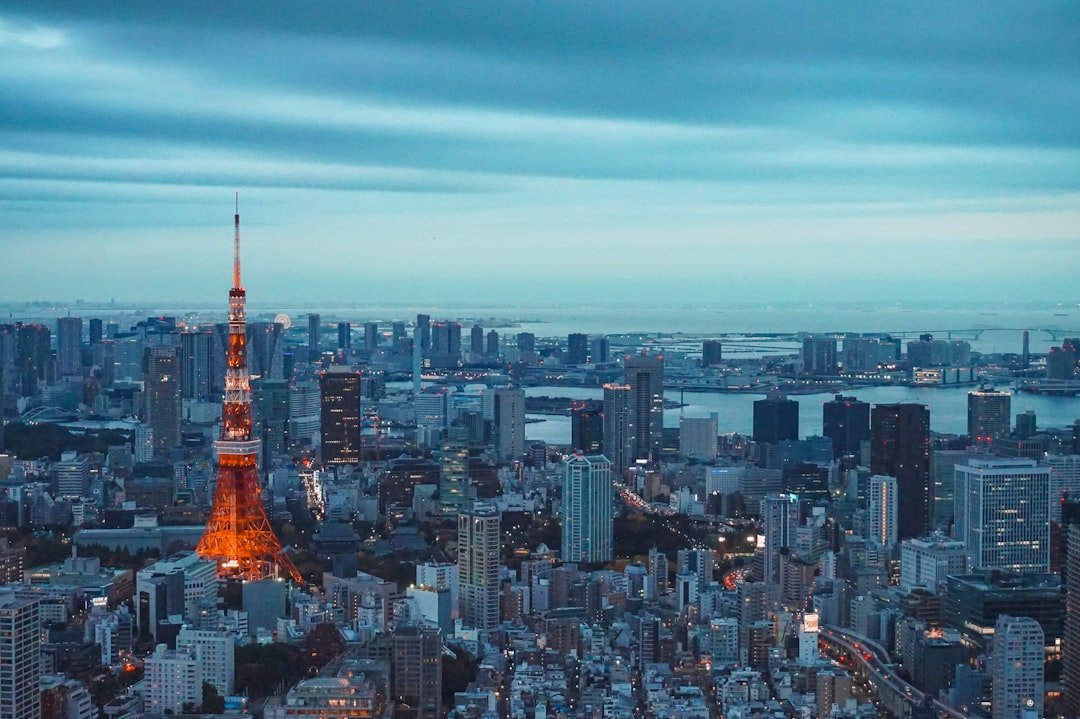
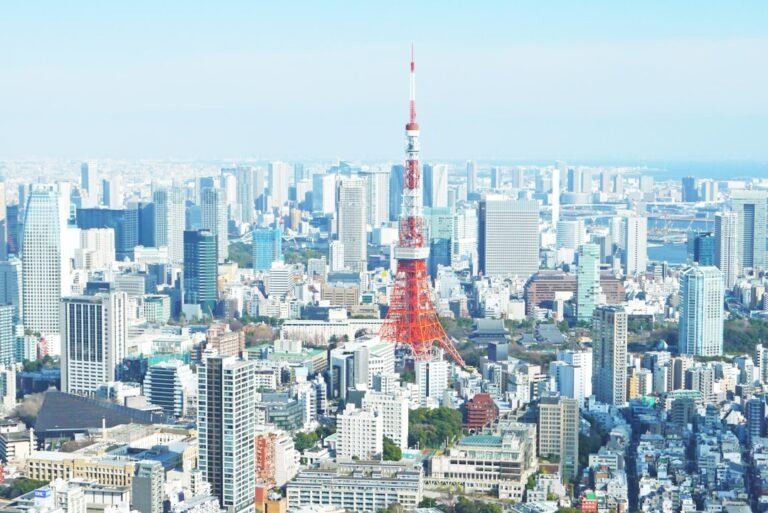
Markets and shopping streets reveal neighborhood life: Tokyo’s Tsukiji Outer Market offers fresh seafood and street snacks, Osaka’s Kuromon Market is a great place to sample takoyaki and grilled seafood, and Nishiki Market in Kyoto is perfect for regional specialties. For viewpoints, Tokyo Skytree and Tokyo Metropolitan Government Building offer city panoramas; in Kyoto, the view from Kiyomizu-dera’s wooden terrace overlooks the city and wooded hills.
Wander local neighborhoods: Shimokitazawa and Nakameguro in Tokyo for cafes and independent shops, Pontocho and the Philosopher’s Path in Kyoto for quieter strolls. Join a matsuri (festival) if timing allows: summer festivals like Gion Matsuri in Kyoto and Nebuta in Aomori feature parades, floats and street food. For outdoor enthusiasts, hike sections of the Nakasendo Way between post towns, climb or view Mount Takao near Tokyo for a quick nature escape, or cycle in the Shimanami Kaido for island scenery.
Best Time to Visit
Seasons in Japan are distinct and strongly influence travel plans. Spring (late March to early April) is famous for cherry blossom season (sakura) and is visually spectacular but crowded, especially in Tokyo, Kyoto and popular parks. Late April to May offers milder weather and fewer crowds after Golden Week, though Golden Week itself (late April–early May) brings major domestic travel and higher prices.
Autumn (October to November) rivals spring with crisp air and spectacular foliage (koyo), particularly in Kyoto, Nikko and the Japanese Alps; this is a peak period for scenery and photography. Summer (June to August) begins with a rainy season in June; July and August are hot and humid, with festival season and great hiking in Hokkaido and the highlands. Winter (December to February) is ideal for skiing in Hokkaido and the Japan Alps, and for enjoying onsen (hot springs) — cities are less crowded except around New Year.
To balance weather and crowds, consider visiting in late April–May or October–November. For winter sports, aim for December–March, and for flower enthusiasts, late March–early April for sakura in central and southern regions, with later blooms in the north.
Essential Travel Tips
-
Transportation: Japan’s rail network is efficient. The Japan Rail (JR) lines connect major cities; consider a JR Pass only if you will take multiple long-distance shinkansen (bullet train) journeys. Buy regional passes for concentrated travel. In cities, subway and local trains are frequent; IC cards (Suica, Pasmo) simplify fares and can be used on buses and at convenience stores.
-
Money: Cash is still widely used outside major urban areas — carry yen and withdraw from ATMs at post offices or 7-Eleven convenience stores. Credit cards are accepted in many hotels and larger shops but not universally.
-
Safety: Japan is one of the world’s safest countries. Basic precautions apply: watch belongings in crowded stations and respect local rules. Emergency services are reliable; 110 is police, 119 for ambulance/fire.
-
Packing: Pack layers for variable weather; comfortable walking shoes are essential. If visiting in winter, bring warm, windproof clothing. For onsen visits, bring a small towel and be prepared to follow bathing etiquette (wash before entering, no tattoos in many baths).
-
Etiquette: Remove shoes indoors where required, avoid loud phone calls on trains, queue patiently, and learn a few basic phrases (arigatou, sumimasen). Tipping is not customary; good service is expected and included in the price.
-
Connectivity: Rent a pocket Wi-Fi or buy a Japanese SIM for navigation and translation. Many train stations and accommodations offer free Wi-Fi, but a personal device is convenient.
Frequently Asked Questions
Do I need a visa to visit Japan?
Visa requirements depend on your nationality and length/purpose of stay. Many countries enjoy visa-free short visits for tourism; check your government’s travel site or Japan’s Ministry of Foreign Affairs for current rules and any COVID-era adjustments before travel.
Is English widely spoken?
English proficiency varies. In major cities and tourist spots you’ll find English signage and staff who speak some English, but in smaller towns less so. Carry an address written in Japanese for taxis and consider translation apps for menus and directions.
Can I drink tap water and eat street food safely?
Tap water is safe throughout Japan. Street food at reputable markets is generally hygienic and delicious; choose busy stalls with high turnover and observe local queuing and handling practices.
How do I handle trash and recycling?
Public trash bins are less common than in some countries; you may need to carry small trash until you find a bin. Japan separates recyclables—follow local signage when disposing of bottles and cans, and keep garbage sorted when staying in accommodations.
Is traveling by train expensive?
Trains can be cost-effective if you plan routes strategically. Long-distance shinkansen tickets add up; a Japan Rail Pass can save money for multiple long trips but must be purchased before arrival in many cases. Regional passes are helpful for concentrated travel, and IC cards reduce small-ride costs and are convenient for city transit.
Conclusion
Japan rewards travelers who balance famous sights with everyday discoveries: ancient temples and meticulous gardens, bustling modern neighborhoods and quiet mountain retreats, seasonal festivals and world-class cuisine. Plan around seasons to enjoy cherry blossoms or fall colors, learn a few cultural basics to navigate etiquette, and use the rail network for efficient movement between regions. Whether you linger over a bowl of regional ramen, ride a shinkansen across the countryside, or watch sunrise on Mount Fuji, Japan offers layered experiences that invite curiosity and return visits.
Inspired? Start planning your trip.
Move from inspiration to planning with BookingTabs — explore hotels, tours and travel options in one place.
Join the conversation
Ask a question, share a travel tip, or help another traveler plan with confidence.
Leave a comment
No account or email required.