
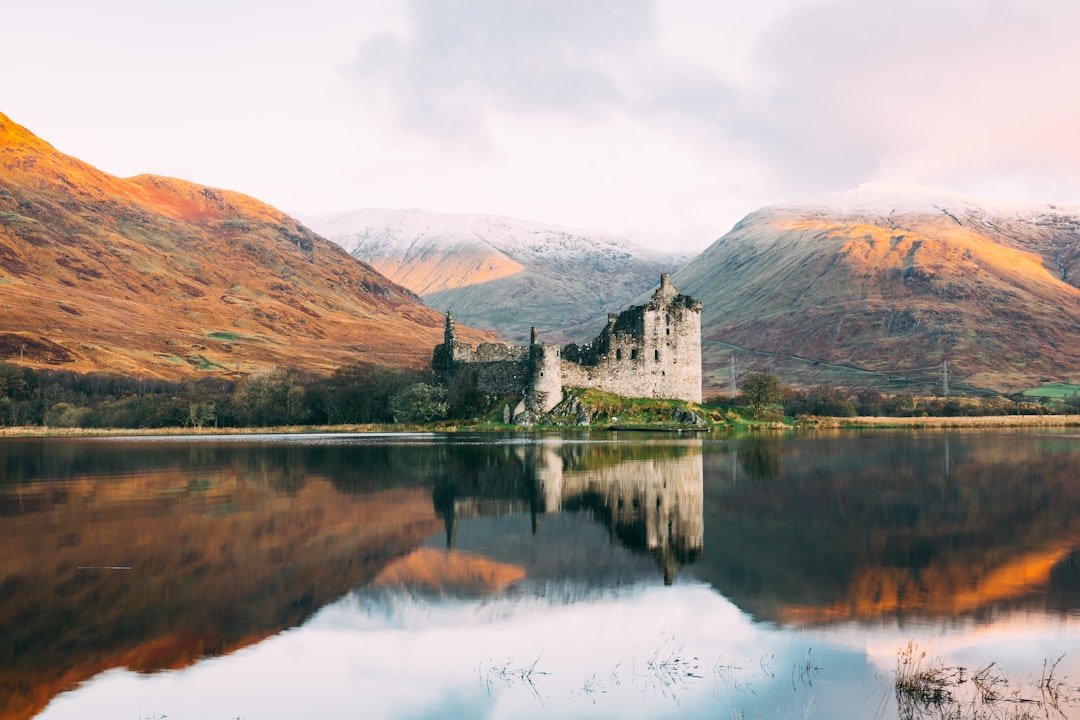
Driving Scotland: Scenic Road Trips and Highland Highlights
Scotland’s Highlands are the stuff of cinematic panoramas: jagged mountains, glassy lochs, windswept coastline and single-track roads that curl along cliff edges. Road tripping here is not just transport—it’s the main event. From the celebrated North Coast 500 to loop drives that reveal remote peninsulas, each route offers a different mood, history and set of outdoor opportunities. This guide focuses on the country’s most scenic drives and the Highland destinations you can build into a thoughtful itinerary: iconic viewpoints, coastal villages, whisky towns and mountain passes. Whether you have a weekend or two weeks, there are routes that reward careful planning and those that welcome spontaneous detours. Read on for the must-see sights, local experiences, when to go, and practical tips to make a Scottish driving holiday memorable and smooth.
Must-See Attractions
The Highlands are dotted with unmistakable landmarks—many lie directly on the best driving routes. Here are the highlights you should not miss:
-
Eilean Donan Castle: One of Scotland’s most photographed castles, near the junction of three sea lochs on the road to the Isle of Skye. The setting is dramatic and accessible from the mainland via the A87.
-
Isle of Skye: Reachable by bridge from the mainland, Skye’s Trotternish Ridge (Quiraing, Old Man of Storr) and the Fairy Pools near Glenbrittle are world-class for hiking and photography.
-
Glencoe: A valley shaped by volcanic upheaval and glaciation; the A82 runs through it and provides immediate access to short hikes such as the Lost Valley and viewpoints along the Three Sisters.
-
Ben Nevis and Fort William: Britain’s highest mountain sits above Fort William, the gateway to Nevis Range and Glen Nevis walks. The town also marks the West Highland Way trailhead.
-
Glenfinnan Viaduct: Famous from the Harry Potter films, the viaduct and the nearby monument are on the route between Fort William and the west coast.
-
Loch Lomond & The Trossachs: Just north of Glasgow, the loch offers easy scenic drives, waterside villages such as Luss, and short boat trips.
-
Speyside Whisky Trail: Follow A95 and local roads to distilleries in Dufftown, Aberlour, and Craigellachie for tastings and museum visits—ideal as a mellow inland diversion.
-
North Coast 500 (NC500): A 500-mile loop starting and ending at Inverness, showcasing Caithness and Sutherland’s beaches, cliffs, and remote castles—arguably the signature Scottish road trip.
-
Torridon and Applecross: On Scotland’s northwest coast, dramatic sea-to-mountain scenery and the Bealach na Bà pass near Applecross offer exhilarating driving and remote tranquility.
Local Experiences
Genuine Highland travel blends landscape with local life. Seek out these experiences on your road trip:
-
Food: Sample seafood in coastal towns—freshly caught langoustines in Oban, scallops in Ullapool—and classic pub fare: Cullen skink in the northeast and hearty stews in mountain inns. Look for producers at farmers’ markets in Inverness and Aviemore.
-
Whisky and Distillery Tours: In Speyside and around Islay, join guided tastings to learn production differences. Many distilleries require bookings in high season, so plan ahead.
-
Markets and Local Shops: Inverness Victorian Market and smaller village stalls sell local crafts, tweed and shortbread—good places to meet vendors and pick authentic souvenirs.
-
Viewpoints and Photography Stops: The Kyles of Lochalsh, Neist Point on Skye, Smoo Cave in Durness and the viewpoint at the Glenfinnan Monument offer memorable sunrises and coastal views—allow time for photography and short walks.
-
Outdoor Activities: Hike sections of the West Highland Way, join a sea-kayak tour from Oban or Ullapool, or book guided Munro summits from Fort William for experienced walkers. Many areas have accessible lower-level walks suitable for families.
-
Festivals: Time your trip to enjoy local festivals—Highland games in summer, the Hebridean Celtic Festival on Lewis and Harris, or small-town music and food festivals that spotlight regional culture.
-
Village Life: Spend slow time in villages like Plockton or Tobermory; talk to locals at tea rooms, watch fishing boats and enjoy unhurried evenings after a day on the road.
Best Time to Visit
Timing affects daylight, weather, wildlife and crowds. Here’s how the seasons compare and the months that work best depending on your priorities:
-
Spring (March–May): Increasing daylight, early wildflower displays and lambing season. Roads are quieter than summer; some accommodations open seasonally in April and May.
-
Summer (June–August): Longest days, reliably more services and the highest number of tours and festivals. Expect crowds along popular routes such as Skye and the NC500; July and August are peak months.
-
Autumn (September–October): Crisp air, autumnal colors in woodlands and fewer tourists. September remains relatively warm and is excellent for whisky festivals and quieter beach walks.
-
Winter (November–February): Short days, frequent snow at higher elevations and many rural businesses reduced or closed. Good for dramatic winter landscapes and lower prices if you’re prepared for winter driving.
Best months overall: Late May–early June for a mix of fair weather and lighter crowds, and September for crisp conditions, autumn color and reduced visitor numbers.
Essential Travel Tips
Practical advice makes a Highlands road trip safer and more enjoyable. Consider the following:
-
Driving: Many Highland roads are single-track with passing places. Drive slowly, use passing places to let faster traffic through and be prepared for sudden weather changes. Renting a compact vehicle is typical; 4x4s are useful only for rough tracks. Drive on the left.
-
Navigation: Mobile phone coverage is patchy in remote areas. Carry a paper map (Ordnance Survey or AA) and download offline maps. Allow extra time between destinations; distances look shorter on a map than they drive.
-
Accommodation: Book early in summer for Skye, NC500 hotspots and popular inns. Consider a mix of B&Bs, small hotels and self-catered cottages to balance comfort with flexibility.
-
Money: Credit/debit cards are widely accepted in towns; however, carry some cash for remote cafés or small craft stalls. Inform your bank of travel plans to avoid card blocks.
-
Safety and Weather: Layers, waterproofs and sturdy footwear are essential. Mountain weather changes fast; check Met Office or local forecasts before longer hikes. Carry a basic first-aid kit and water for remote drives.
-
Wildlife and Environment: Respect nesting birds and marine mammals—observe from a distance. Stick to marked paths to avoid damaging fragile moorland. Use public toilets where available and follow Leave No Trace principles.
-
Local Etiquette: Be friendly and patient. Many Highland communities are small and welcoming—ask about local spots, but be mindful that some crofting areas are private land. Tipping in pubs is not expected; in restaurants 10–15% is appreciated for good service.
Frequently Asked Questions
How long does it take to drive the North Coast 500?
Driving non-stop takes roughly 10–14 hours, but most travelers allow 3–7 days to explore sights, hike and rest. A week gives time for scenic detours and overnight stops.
Is Isle of Skye accessible by car year-round?
Yes. The Skye Bridge on the A87 provides year-round road access from the mainland. Be aware that some minor roads and hiking routes can be closed or hazardous in winter due to ice or snow.
Are single-track roads difficult for inexperienced drivers?
Single-track roads require patience and awareness rather than advanced skill. Use passing places correctly, reverse to the nearest passing place if necessary, and give priority to larger vehicles when space is tight.
Can I combine whisky distilleries with a scenic driving route?
Absolutely. Speyside centers such as Dufftown, Aberlour and Craigellachie sit along accessible A-roads and can be combined with routes between Inverness and Aberdeen. Book distillery tours in advance during high season.
What wildlife might I see on Highland drives?
Expect red deer, otters on coastal rocks, seals onshore and a variety of seabirds. Golden eagles can be seen in remote northern and western areas; observe wildlife from a safe distance and avoid disturbing habitats.
Conclusion
Scotland’s Highlands are best discovered slowly, by road. Each drive—whether a section of the North Coast 500, a loop through Torridon, or a coastal run to Skye—reveals distinct landscapes, culinary treats and outdoor ways to connect with local life. Practical planning for weather, road types and seasonal services goes a long way toward a relaxed trip. Embrace unplanned stops, walk short trails off the main roads, and prioritize a handful of destinations rather than rushing through many. That approach turns miles into memories and makes the Highlands feel like a personal discovery rather than a checklist.
Inspired? Start planning your trip.
Move from inspiration to planning with BookingTabs — explore hotels, tours and travel options in one place.

Join the conversation
Ask a question, share a travel tip, or help another traveler plan with confidence.
Leave a comment
No account or email required.