
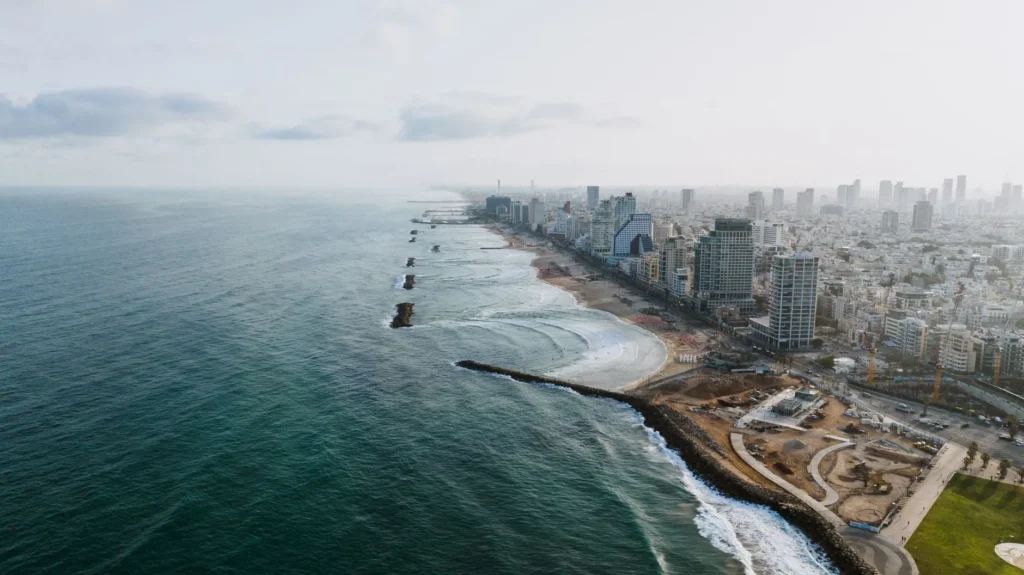
Tel Aviv is a city of contrasts that works particularly well for a short break. Mediterranean beaches and a broad seafront promenade sit close to Bauhaus-era streets, busy markets, late-night bars and modern restaurants. In the south, historic Jaffa brings ancient lanes, a port and a distinctly different atmosphere, while central Tel Aviv is fast-moving, creative and easy to explore on foot.
The city is also one of Israel’s most practical bases for exploring the surrounding region. Jerusalem, Caesarea, Haifa and other destinations can be reached on day trips, although longer excursions need sensible planning. Security conditions, flight operations, entry rules and public transport can change at short notice, so check official updates before departure and again during your stay.
Three to four full days is a useful starting point. That gives you time for Jaffa and the southern neighborhoods, the White City and central Tel Aviv, a beach day, several markets or museums, and perhaps one excursion beyond the city.
What Makes Tel Aviv Special
Tel Aviv is best known for its relationship with the Mediterranean. The city’s beaches and promenade stretch along the western edge, creating an easy outdoor itinerary of swimming, walking, cycling, beach sports and waterfront dining. Different beaches have different atmospheres, but conditions and lifeguard coverage are seasonal. Swimming should always be limited to supervised areas and governed by the current beach flags.
The city’s architectural identity is just as distinctive. The White City of Tel Aviv is a UNESCO World Heritage property recognized for its concentration of Modern Movement architecture and urban planning. Rothschild Boulevard, Lev Hair and the Bialik area are among the most rewarding places to walk, particularly if you are interested in Bauhaus design, balconies, shaded streets and the way early modernist buildings were adapted to a Mediterranean climate.
Tel Aviv also has a strong food culture. Carmel Market and the nearby Kerem HaTeimanim are useful for casual dishes, fresh produce and Yemenite-influenced food, while Levinsky Market is known for spices, dried fruit, nuts, specialist ingredients and small food businesses. Jaffa adds Arabic, Mediterranean and seafood-oriented dining, and the city’s wider restaurant scene ranges from informal neighborhood meals to contemporary chef-led cooking.
For culture, there are art museums, design spaces, dance, music and historic sites. The city’s nightlife is broad rather than concentrated in one district, with bars, cafes and clubs around central Tel Aviv, Florentin, the beach, Jaffa and the port. Tel Aviv is also widely regarded as a welcoming destination for LGBTQ+ travelers.
Top Experiences in Tel Aviv
Explore Jaffa Old City and the Port
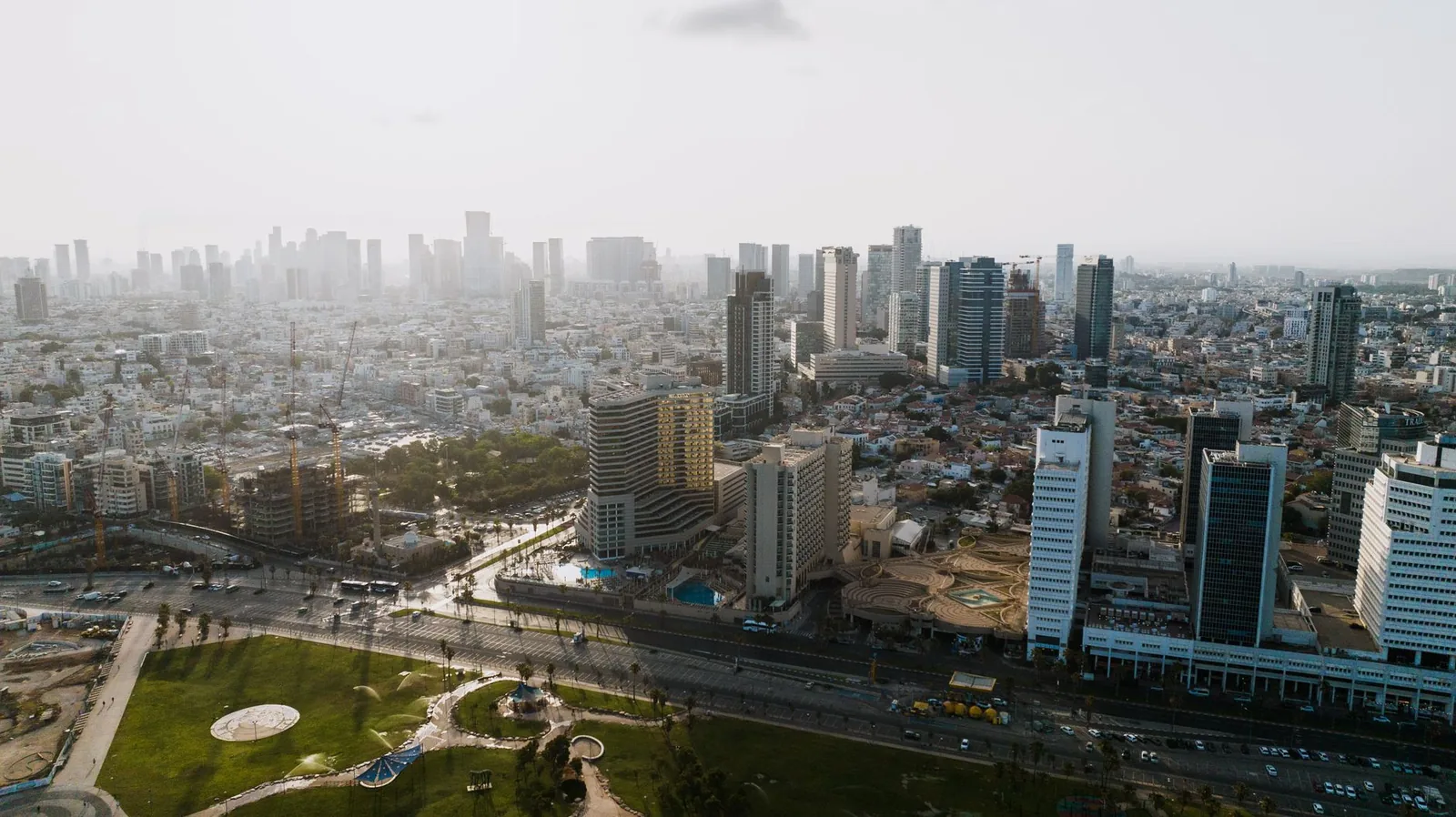
Jaffa is the historic southern counterpart to modern Tel Aviv. Its old port, stone lanes, galleries, viewpoints and religious heritage provide a marked change from the city’s newer central districts. Wander through the Old City, look out across the coast and allow time for the surrounding flea-market district, where antique shops, clothing stalls, cafes and restaurants fill the streets.
Jaffa is best explored on foot, but its sights are spread across a hilly area. Combine it with HaTachana, the old railway station area, and a walk north along the southern promenade. Individual museums, churches, galleries and religious sites may have different schedules, so check opening arrangements if you have a particular interior visit in mind.
Spend time on the beaches and promenade
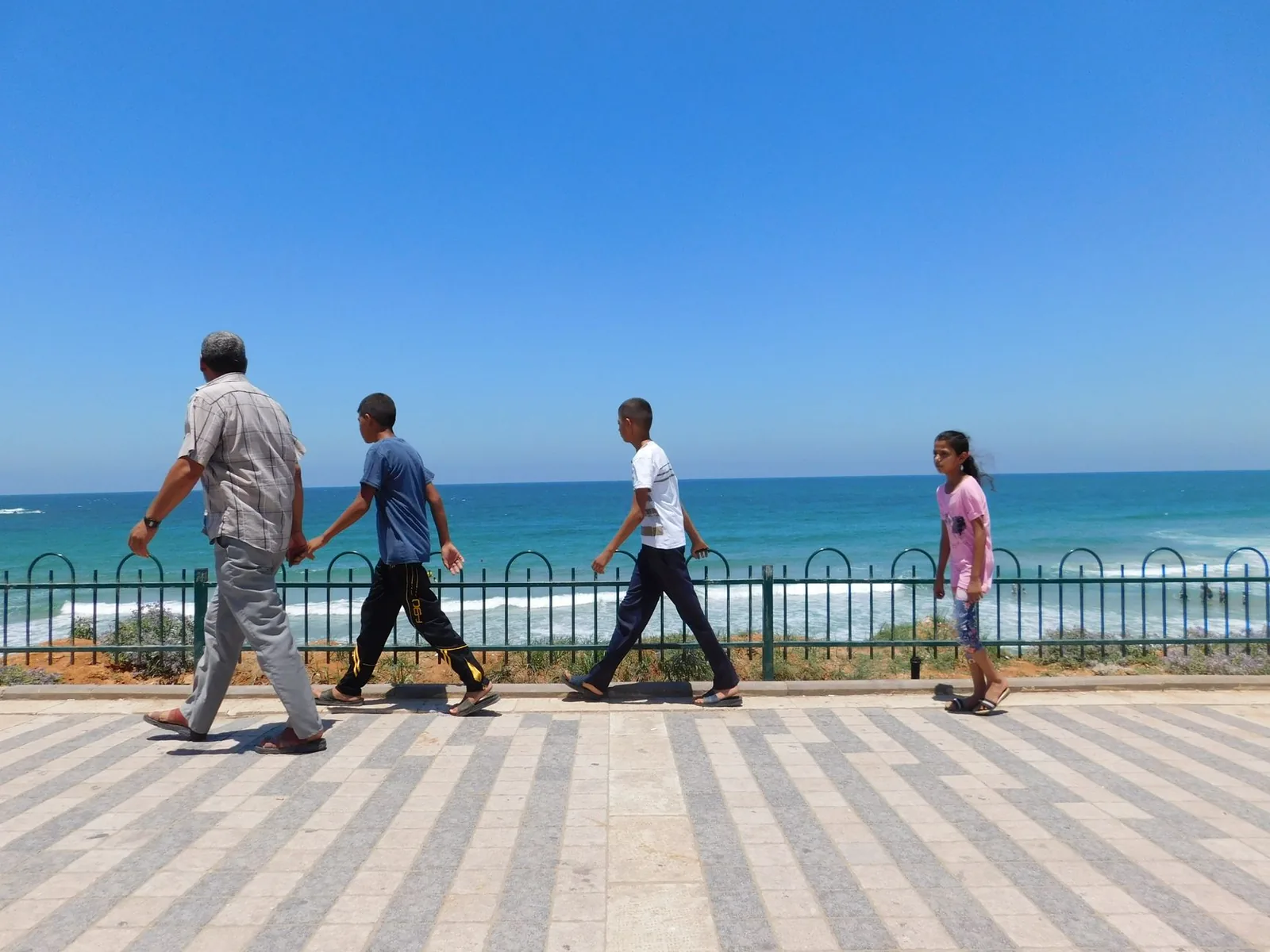
The seafront is Tel Aviv’s defining public space. A walk along the promenade can be as worthwhile as a swim, especially in the cooler parts of the day. The route connects central beaches with the port and, in the other direction, Jaffa, making it easy to combine outdoor time with cafes, restaurants and neighborhood sightseeing.
Beach choice depends on what you want from the day: swimming, a relaxed stretch of sand, sport, people-watching or proximity to the city center. Do not assume that every beach has the same facilities or supervision. Lifeguard schedules, bathing-season dates, flags, rentals and services can change, and swimming without lifeguard coverage is dangerous and prohibited according to municipal guidance.
Walk the White City
The White City is not one single attraction with one entrance. It is an urban heritage area best experienced through a walking route. Start around Rothschild Boulevard and continue through Lev Hair and the Bialik area, paying attention to the streamlined facades, recessed balconies, curved corners and shaded design features associated with the Modern Movement.
A guided architecture walk can add useful context, particularly if you want to understand how the buildings relate to city planning and local climate rather than simply photograph them. Access to individual buildings varies, and not every notable structure is open to the public.
Follow Rothschild Boulevard and Independence Trail
Rothschild Boulevard combines central Tel Aviv’s everyday life with some of its most important historical associations. Cafes, mature trees and public spaces make it pleasant for a slower walk, while the surrounding streets reveal White City architecture and early civic buildings.
The Independence Trail links sites connected with the city’s development and independence history. It is a good choice for first-time visitors who want a structured introduction to central Tel Aviv. Tour availability and visitor-center opening times can change, so check current details before setting out.
Visit Carmel Market and Kerem HaTeimanim
Carmel Market is Tel Aviv’s best-known open-air market and one of the city’s most useful places for an informal introduction to local food. Stalls sell produce, spices, snacks, prepared dishes, clothing and household goods, while the surrounding streets offer additional cafes and small restaurants.
Visit earlier in the day if you want the fullest produce-market experience. Check weekly closing patterns and vendor hours before visiting, since the market is not equally active at all times. Nearby Kerem HaTeimanim is particularly useful for Yemenite culinary traditions and casual local meals.
See the Tel Aviv Museum of Art
The Tel Aviv Museum of Art is the city’s principal art museum, with Israeli and international exhibitions in a major cultural complex. It is a worthwhile addition to an itinerary focused on art, design and modern Israeli culture, and it provides a useful indoor option during hot, rainy or unusually unsettled weather.
Opening days, exhibitions and admission prices can change. The museum’s visitor information currently lists Sunday as a closing day and variable hours on other days, including extended evening hours on some weekdays. Verify the current schedule before visiting and allow extra time if a temporary exhibition is a priority.
Wander through Neve Tzedek
Neve Tzedek is one of Tel Aviv’s most appealing neighborhoods for an unhurried walk. Restored low-rise buildings sit alongside boutiques, galleries, cafes and restaurants, while the Suzanne Dellal Center gives the area a strong connection to dance and performance.
The neighborhood works well as part of a southern itinerary linking central Tel Aviv, the old railway station and Jaffa. It is compact enough to explore without a rigid plan, although restaurants and cultural venues keep their own schedules.
Explore Florentin
Florentin has a younger, more creative atmosphere, with street art, workshops, bars and nightlife. It is a good district to visit after the heat of the day, particularly if you are interested in informal restaurants and the city’s contemporary urban culture.
Street character can vary from block to block, and the district is more about wandering, eating and going out than checking off formal attractions. Pair it with Levinsky Market during the day or continue toward Neve Tzedek and Jaffa.
Visit Sarona
Sarona is a restored former Templar colony with historic buildings, landscaped public areas, restaurants, shops and Sarona Market. It offers a more polished, mixed-use setting than the traditional markets and is convenient for visitors staying in central Tel Aviv.
A visitors-center tour may cover the museum, a historic olive press and a winery tunnel. Booking requirements, schedules and prices need to be checked in advance. Sarona is also useful when you want a food-focused stop combined with architecture and history.
Walk around Hayarkon Park and Tel Aviv Port
Hayarkon Park provides open space in the north of the city, with walking and cycling routes, lawns, water-related scenery and access to nearby attractions. Because the park is large, confirm the location and arrangements for any specific garden, boating area or event venue you plan to visit.
Nearby Tel Aviv Port, or Namal, has a broad boardwalk, restaurants, shops, public events and access to northern beaches. It works particularly well for an evening walk, or as part of a longer route through the Old North and along the promenade.
What would you most want to experience in Tel Aviv?
Best Time to Visit Tel Aviv
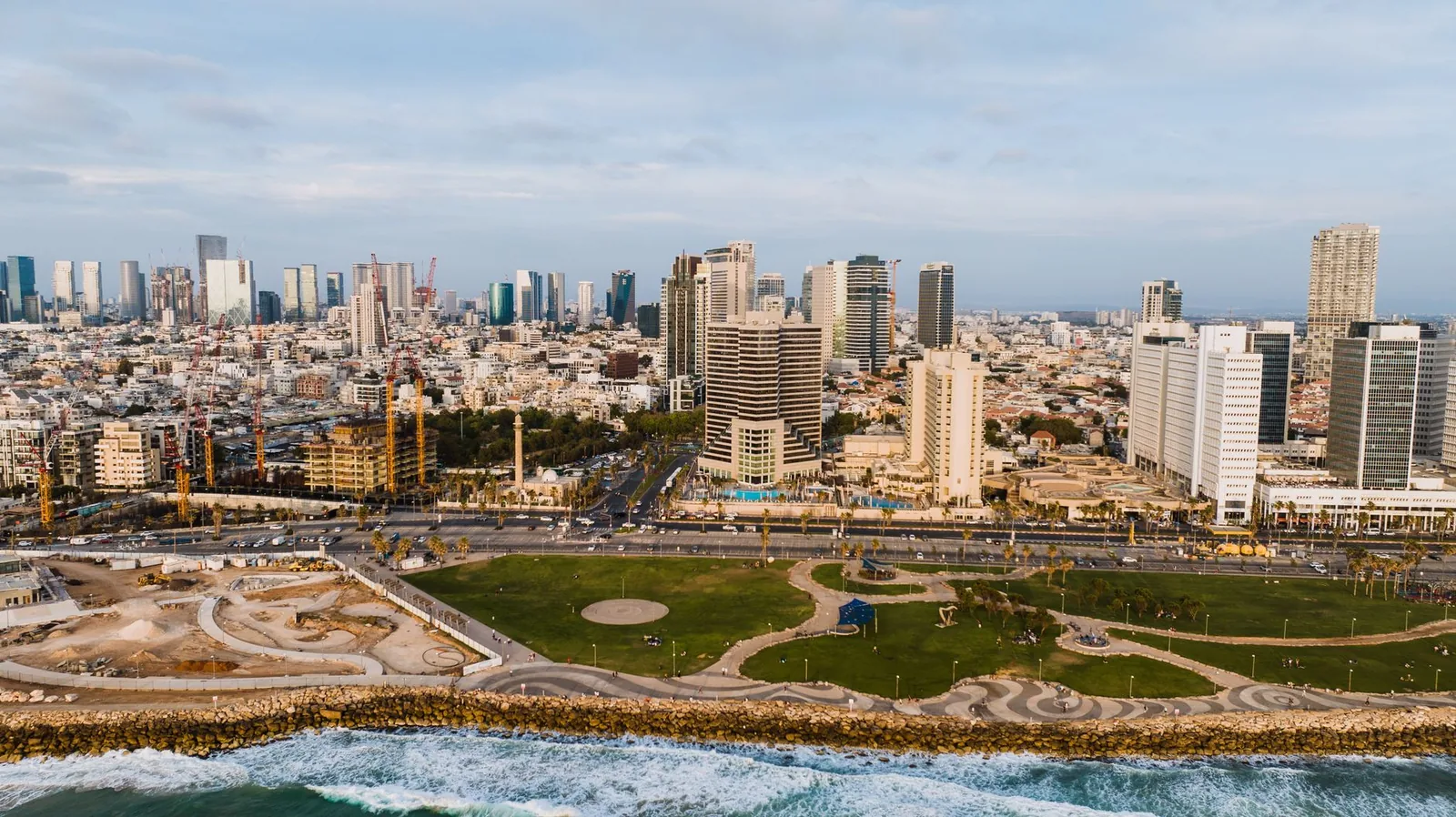
Spring and autumn are generally the most comfortable seasons for combining walking, sightseeing and beach time. Temperatures are often more manageable than in midsummer, while outdoor areas, markets and neighborhoods remain easy to enjoy. Check beach lifeguard schedules and holiday closures before booking.
Summer is the most reliable season for swimming and beach-focused travel, but heat, strong sun and humidity can make long sightseeing walks tiring. Heatwaves are possible from June through August, so plan exposed activities for morning or late afternoon, carry water and use sun protection.
Autumn can offer a good balance of warm sea conditions and more comfortable city exploration. Jewish holidays may affect museum, shop, restaurant and public transport schedules, so check the calendar for your dates.
Winter is often suitable for museums, food, architecture and nightlife, but it is not consistently a beach season. Cooler, rainy days are possible, and outdoor plans may need to change at short notice. Check the forecast before committing to a long promenade walk or day trip.
Local Food and Drink

Tel Aviv is a rewarding city for eating without a fixed restaurant itinerary. Start with Israeli and Levantine staples such as hummus, falafel, grilled meats, salads, shakshuka, pita-based dishes and shared mezze. Markets and neighborhood restaurants make it easy to sample several styles in one day.
Carmel Market and Kerem HaTeimanim are ideal for casual meals, market snacks and Yemenite-influenced cooking. Levinsky Market is more ingredient-focused, with spices, nuts, dried fruit, specialty products and small food businesses. Jaffa adds Arabic, Mediterranean and seafood-oriented restaurants, bakeries and market food.
For a more contemporary experience, look to Tel Aviv’s modern Israeli restaurants, which range from informal neighborhood dining to chef-led meals. Menus, prices, reservation requirements and opening hours change frequently, so check directly before choosing a restaurant for a special occasion.
Cafes and bars are spread across central Tel Aviv, Florentin, Jaffa, the beach districts and the port. Venue schedules can be affected by Shabbat, Jewish holidays and local events. Tel Aviv’s nightlife is often late, but the character varies considerably by neighborhood and venue.
Places to Visit Beyond Tel Aviv
Jerusalem
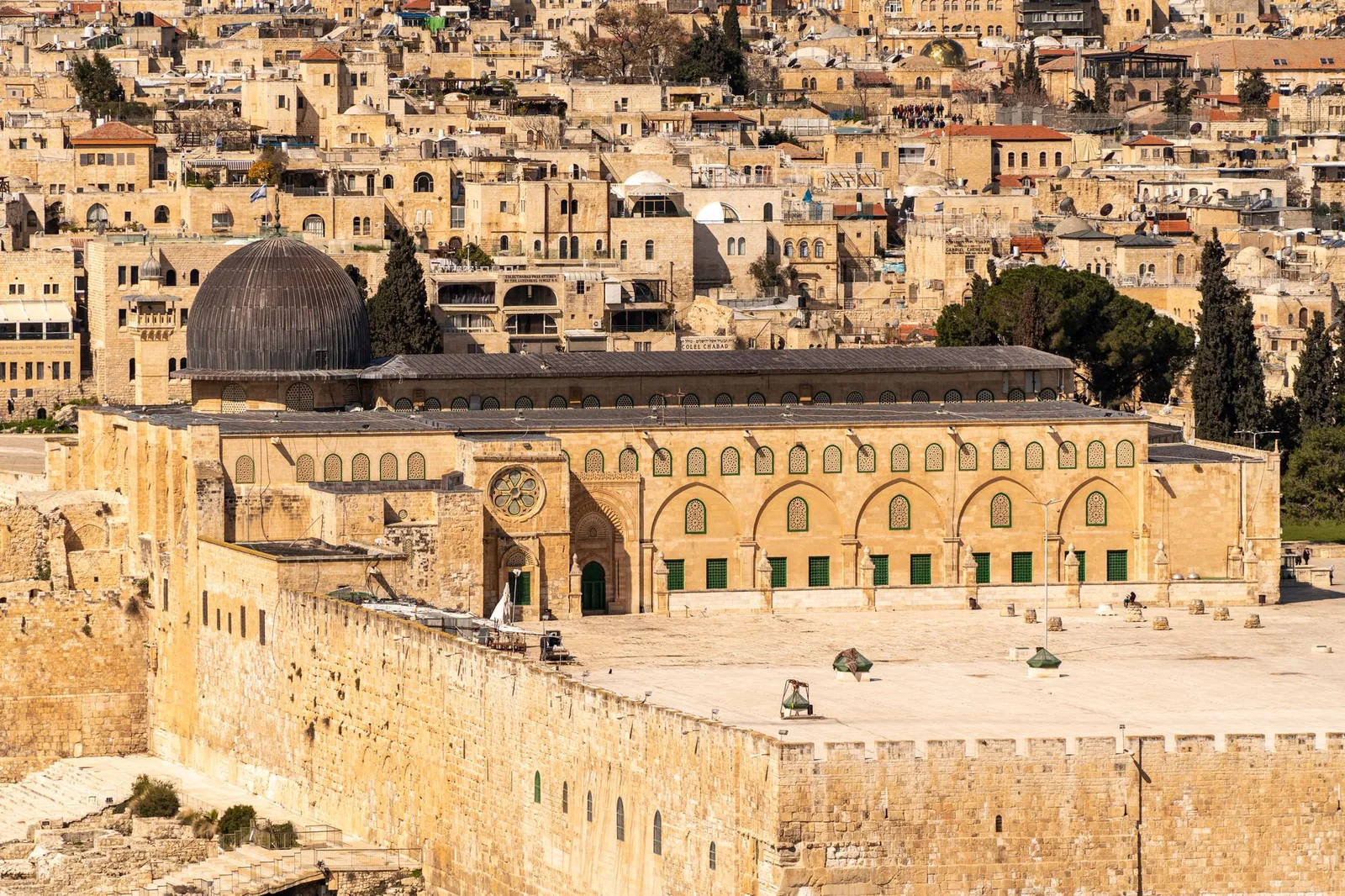
Jerusalem is the most obvious cultural and historical day trip from Tel Aviv. Its Old City, markets, museums and religious sites provide a sharp contrast with Tel Aviv’s coastal modernity. Direct trains and buses connect the cities, with journey times commonly around an hour, but verify current schedules, fares and security conditions.
Caesarea National Park
Caesarea combines Mediterranean scenery with Roman, Byzantine and Crusader remains. The archaeological site includes a theater, hippodrome, harbor remains and a waterfront promenade. Check current access, reservations, fees and transport before setting out.
Masada and the Dead Sea
This is a much longer excursion, but it combines Herod’s desert fortress with dramatic Judean Desert scenery and the Dead Sea. Heat, weather, cable-car operation, site conditions and travel times all require careful checking. It is often more practical as an organized excursion or a separate overnight plan than as a rushed addition to a short city break.
Haifa
Haifa offers hillside views, gardens, museums, diverse neighborhoods and a different coastal-city character. The Bahá’i Gardens are a major draw, but visiting arrangements and access should be verified before travel.
Acre
Acre is a longer northern day trip with a historic old city, Ottoman-era market areas, Crusader remains and a waterfront atmosphere. Check rail connections, attraction hours and regional travel conditions before planning the journey.
Rosh HaNikra
Rosh HaNikra is known for sea grottoes and coastal cliffs. Access and local travel conditions can change, so confirm that the site is open and that the route is appropriate for your dates.
Where to Stay in Tel Aviv
Explore accommodation guides. Find destination guides on VibrantGateways →
Jaffa
Choose Jaffa for historic atmosphere, old lanes, galleries, port views and easy access to the flea market. It suits travelers who want a distinctive setting and do not mind being slightly removed from the busiest central streets.
Neve Tzedek
Neve Tzedek is a good base for boutique shopping, galleries, cafes, restaurants and a quieter low-rise environment. It is within walking distance of the promenade, Carmel Market and the southern city, although the exact location of accommodation matters.
Lev Hair and Rothschild Boulevard
Central Tel Aviv is practical for first-time visitors. You will be close to the White City, Independence Trail, cafes, nightlife, markets and transport connections. It is one of the easiest areas for building an itinerary around walking.
Carmel Market and Kerem HaTeimanim
This area suits visitors who prioritize food, markets and a central location. Expect a lively, urban setting with restaurants and street activity nearby. It can be convenient for both the beach and central sightseeing.
Florentin
Florentin works well for travelers interested in nightlife, street art, casual dining and a younger atmosphere. It is south of the main central areas, so check transport and walking distances if you plan to spend much of your time around the port or Old North.
The Old North and Dizengoff
The Old North and Dizengoff area offer cafes, restaurants, shopping streets, residential architecture and convenient access to central beaches. This is a useful choice for travelers who want a neighborhood feel while remaining close to the waterfront.
The Port and Hayarkon
Stay near the port or Hayarkon for waterfront walks, northern beaches, park space and family-friendly activities. The area is farther from Jaffa and some central markets, so it is best for visitors who prefer the northern end of the city.
Getting Around Tel Aviv
Tel Aviv is compact in its central areas and usually straightforward to explore without a car. Walking works especially well around the White City, Rothschild Boulevard, Carmel Market, Neve Tzedek, the beachfront and Jaffa. Distances between Jaffa, the port and the northern neighborhoods can be substantial, however, so use transport for longer cross-city journeys.
Buses form the main city network. Payment may be possible with a Rav-Kav card, supported transport apps and, on buses, contactless card or Apple Pay under current municipal guidance. The Red Line light rail serves the metropolitan area, while Israel Railways connects Tel Aviv with other Israeli cities and Ben Gurion Airport. Routes, fares, payment rules and service status can change, so check current information before traveling.
Bicycles and scooters can be useful along the promenade, around the port and through Hayarkon Park. Follow current local riding, parking and safety rules. Taxis are another practical option, particularly at night or for luggage-heavy journeys. Licensed taxis should use the meter for city rides; established taxi apps can help with booking and route transparency.
A rental car is usually unnecessary for a central Tel Aviv stay. Traffic, limited parking, curbside restrictions and paid-parking apps can make driving more complicated than public transport or taxis. If you do drive, use designated parking facilities and check current payment rules.
Arriving from Ben Gurion Airport
Ben Gurion Airport is approximately 15 kilometers from Tel Aviv. Options include Israel Railways from the Terminal 3 station, bus 445, licensed taxis and pre-booked transfers. Licensed airport taxis operate from designated ranks and use a meter. A private transfer can be convenient for late arrivals, families or travelers with substantial luggage.
Confirm the terminal, airport operating status, rail schedule, bus route and current service availability before traveling. Rail service does not generally operate from Friday morning to Saturday evening, although exact arrangements should be checked for your dates.
Good to Know Before You Go
- Check current entry requirements for your nationality. Under current policy, visa-exempt travelers need an approved ETA-IL before arrival, subject to eligibility and passport requirements.
- Review current government travel advisories, airline updates and local Home Front Command instructions before departure and during your trip. Security conditions can change quickly.
- Plan carefully around Shabbat. Regular public transport generally stops from Friday afternoon or evening until Saturday evening, although Tel Aviv may have a free weekend bus network and taxis, shared taxis, bicycles and scooters may remain available.
- Shops and supermarkets often close more extensively during Shabbat, while many Tel Aviv cafes, bars and restaurants remain open. Confirm individual business hours.
- Use official or reputable transport apps for current bus, rail and light-rail routes, especially when infrastructure works or special events may affect services.
- At the beach, follow lifeguards and flags. Do not swim outside supervised areas.
- Carry water, sun protection and a hat during warm months, especially for market walks, Jaffa sightseeing and exposed waterfront routes.
- Keep valuables secure on beaches and in crowded markets. Avoid leaving passports, cards or bags unattended.
- Use a licensed airport taxi or established transfer service. Avoid accepting an unmetered city fare from an unofficial driver.
- Check museum and attraction schedules for Sundays, Shabbat, Jewish holidays and national holidays.
- Do not assume that a rental car will make a central city stay easier. Parking rules and traffic can add unnecessary complications.
- Avoid trying to fit Jerusalem, Masada, the Dead Sea and northern Israel into a short itinerary. Choose one or two excursions that match your available time.
Common Questions About Tel Aviv
How many days do you need in Tel Aviv?
Three to four full days works well for a first visit. That allows time for Jaffa, the White City, beaches, markets, museums and several neighborhoods. Add more time if you want a day trip to Jerusalem, Caesarea or the Dead Sea.
Is Tel Aviv walkable?
Yes, especially in the central areas, along the beachfront, around the White City, Rothschild Boulevard, Carmel Market and Neve Tzedek. Jaffa and northern districts are also walkable locally, but longer journeys are easier by bus, light rail, bicycle or taxi.
How do you get from Ben Gurion Airport to Tel Aviv?
The main options are train, bus 445, licensed taxi and pre-booked transfer. The train station is at Terminal 3. Check current airport, rail and bus information before traveling, particularly if you arrive late or around Shabbat.
Does Tel Aviv shut down on Shabbat?
Regular public transport generally stops from Friday afternoon or evening until Saturday evening, but a free weekend bus system may operate in Tel Aviv and taxis, shared taxis, bicycles and scooters may remain available. Many cafes, restaurants and bars stay open, while shops and supermarkets are more likely to close.
What is Tel Aviv best known for?
Tel Aviv is best known for Mediterranean beaches, its long promenade, nightlife, restaurants, cultural institutions, LGBTQ+ friendliness, historic Jaffa and the UNESCO-recognized White City architecture.
Do U.S. citizens need a visa for Tel Aviv?
U.S. citizens visiting Israel for tourism for up to 90 days currently need an approved ETA-IL rather than a conventional visa, subject to eligibility and passport requirements. Check the official Israeli entry website before booking because rules can change.
Can you swim at Tel Aviv beaches year-round?
Swimming may be possible outside the main season on suitable days, but the municipality identifies a seasonal official bathing period and warns that swimming without lifeguard supervision is dangerous and prohibited. Check current lifeguard coverage, flags and sea conditions.
Final Thoughts
Tel Aviv rewards travelers who give it time to unfold rather than treating it as a checklist of sights. Start with the beach and promenade, then move through Jaffa, the White City, Carmel Market and Neve Tzedek. Leave space for a long lunch, an unplanned cafe stop or an evening in a neighborhood that was not on your original route.
The city is compact, but its character changes quickly from historic port to modernist boulevard, market lane, creative district and northern waterfront. With three or four full days, sensible planning around Shabbat and current travel conditions, Tel Aviv makes a strong base for both a coastal city break and wider exploration of central Israel.
Find your stay with VibrantGateways.
Choose your travel dates and explore accommodation options for your destination.
Join the conversation
Ask a question, share a travel tip, or help another traveler plan with confidence.
Leave a comment
No account required.